
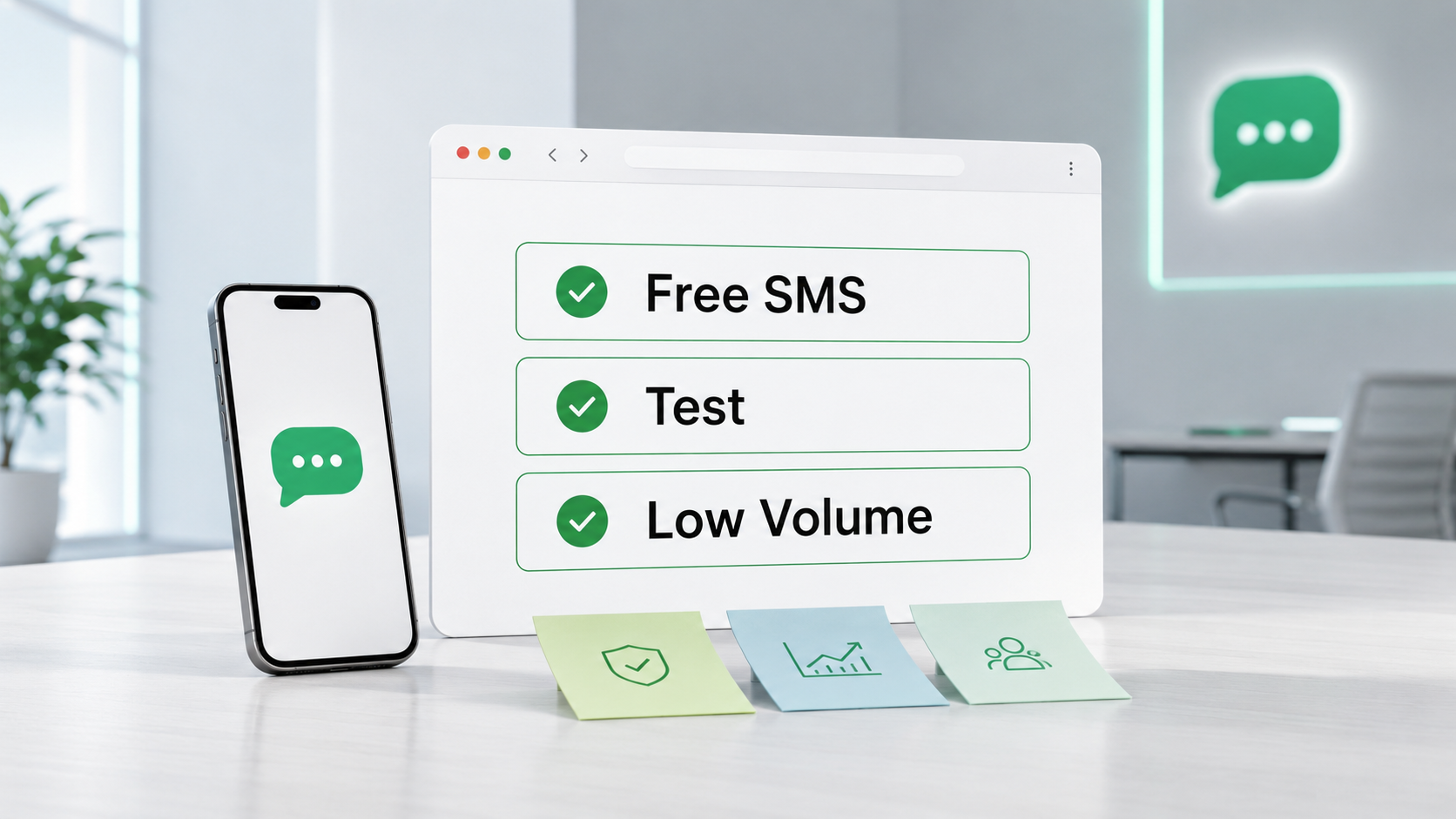
If you are searching for how to send free SMS, the good news is that there are several ways to do it. Free SMS methods can work for personal messages, small tests, one-time communication, or early experiments before your team commits to a paid messaging setup.
But there is also a practical limit.
Free SMS is usually not the same as reliable business SMS. Once you need to send messages to customers, manage sender identity, track delivery, respect opt-outs, support different countries, or scale beyond a handful of messages, free methods start to break down.
This guide explains the most common ways to send free SMS, when each method is useful, where the limits appear, and why businesses usually move from free SMS methods to a paid SMS platform once messaging becomes part of customer communication.
Can You Really Send Free SMS?
Yes, you can send SMS for free in certain situations.
A free SMS method may be enough if you only need to send a few personal messages, test whether a phone number can receive texts, or try SMS as a communication channel before building a larger campaign. Some websites, mobile plans, email-to-SMS gateways, and provider trials allow limited free texting.
The important question is not only whether free SMS exists. The better question is whether it fits your use case.
For personal use, free SMS may be convenient. For business use, the requirements are different. A company usually needs predictable delivery, sender control, consent management, message records, regional coverage, reporting, and support. Those requirements are difficult to meet with free SMS methods.
That is why free SMS can be a useful starting point, but not always a long-term business messaging strategy.
6 Ways to Send Free SMS
1. Use Free Online SMS Websites
Free online SMS websites let users send a text message through a web form. In many cases, you enter the recipient’s phone number, choose a country or carrier if required, write the message, and send it.
This method can be useful for very simple one-time messages. It may help when you do not want to use your own phone number or when you need to test whether SMS can reach a specific number.
However, this is usually one of the least reliable options for business communication.
Free SMS websites may limit the countries they support, restrict message length, add ads, block certain content, or fail without giving clear delivery information. Some services may not provide transparency about how phone numbers and message content are handled. That makes them unsuitable for customer data, marketing communication, verification codes, or transactional messages.
Use this method only for low-risk, non-sensitive, one-time communication.
2. Send SMS Through Email-to-SMS Gateways
Some mobile carriers support email-to-SMS gateways. This means you can send an email to a carrier-specific address, and the recipient receives it as an SMS.
For example, instead of sending a message from a phone, you send an email formatted with the recipient’s number and carrier gateway domain. If the carrier supports it, the email may be converted into a text message.
This method can be useful when you know the recipient’s carrier and only need to send a small number of messages. It is sometimes used for alerts, internal notifications, or simple testing.
The problem is that email-to-SMS gateways are not consistent across carriers and countries. They may not support branded senders, reliable delivery reporting, two-way tracking, unsubscribe handling, or high-volume sending. They also depend on knowing the recipient’s carrier, which is not practical for most customer databases.
For businesses, email-to-SMS can be a workaround, but it is not a scalable messaging system.
3. Use Carrier or Mobile Plan Messaging Tools
Some mobile plans include unlimited or low-cost texting. If you already have a phone plan, sending SMS from your mobile device may feel free because the cost is bundled into your plan.
This works well for personal communication. A small business owner may also use a mobile phone to text a few customers manually, especially in the early stage.
But manual phone-based texting becomes difficult as volume grows.
You cannot easily manage large contact lists, automate campaigns, segment users, schedule messages, monitor delivery, or manage opt-outs from a personal phone. It is also hard to separate personal identity from business identity. If multiple employees are involved, message history and customer communication can become fragmented.
This method is fine for very small-scale conversations. It is not ideal for structured business messaging.
4. Send SMS Manually from a Mobile Phone
This is the simplest method: open your phone, type a message, and send it.
For one-to-one communication, it is still one of the most direct ways to send SMS. It does not require a platform, API, dashboard, or technical setup. If you only need to send a few messages per day, manual texting may be enough.
The limitation is efficiency and control.
Manual texting does not support automation, campaign logic, delivery analytics, sender consistency, template management, or compliance workflows. It also increases the risk of human error. A wrong number, wrong message, or forgotten opt-out request can create problems when customer communication becomes more frequent.
Manual SMS is useful for personal or very small business use. It should not be treated as a long-term system for marketing, transactional alerts, or verification messaging.
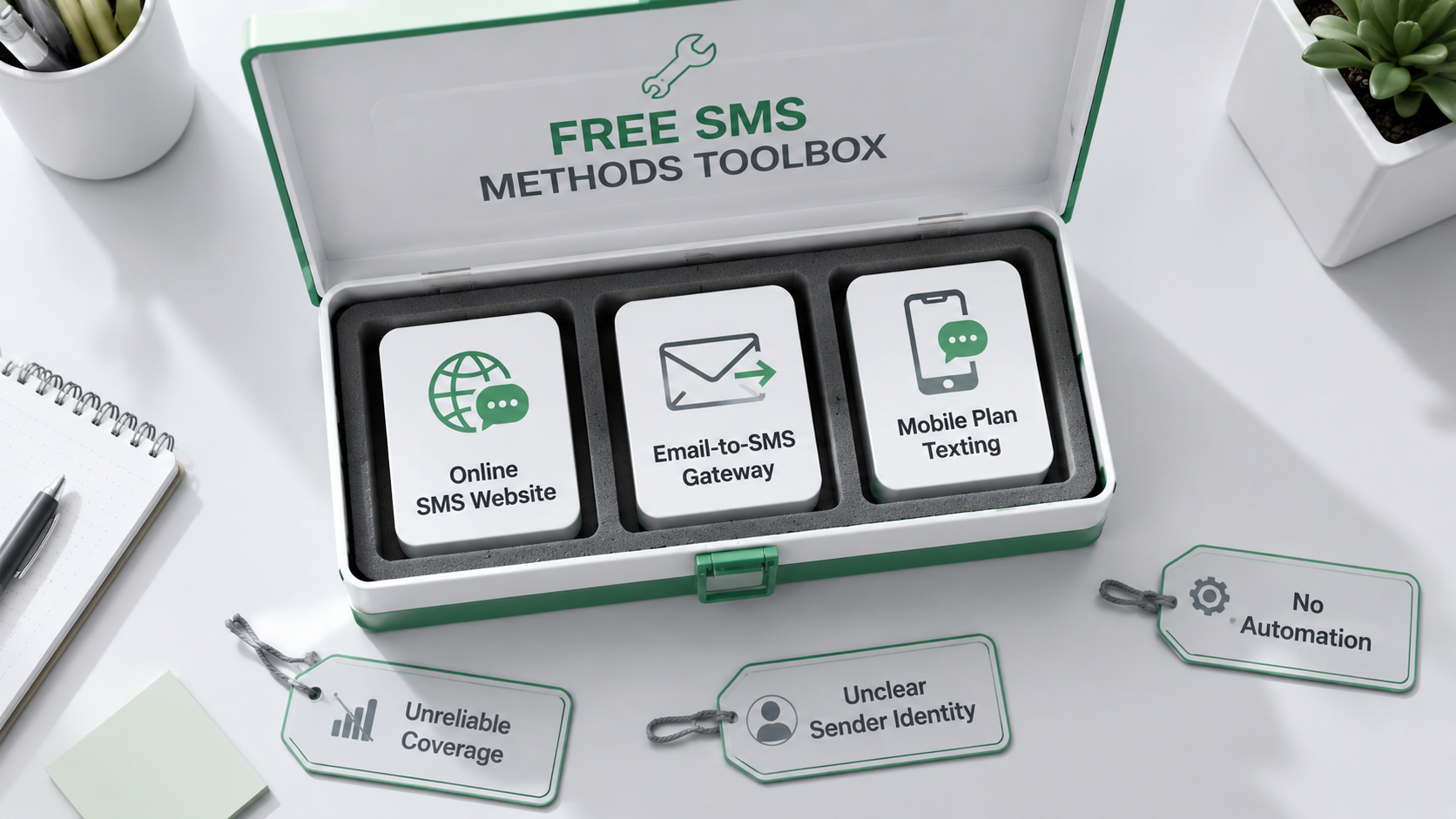
5. Use Free Trial Credits from SMS Providers
Some SMS providers offer free trial credits or limited free units. These trials let users test the platform before paying. This is one of the more practical options if you are evaluating SMS for business use.
A trial can help your team understand the dashboard, test basic sending flows, explore API integration, and compare how SMS fits your customer communication workflow.
However, a free trial is not the same as a free SMS platform.
Trial accounts usually have limits. They may restrict message volume, supported countries, sender options, verified recipient numbers, API usage, or trial duration. These limits are normal because SMS delivery still has real infrastructure and carrier costs behind it.
Free trial credits are best for testing. Once your business needs live customer sending, campaign scale, or production reliability, you should plan for a paid account.
6. Use Messaging Apps When SMS Is Not Required
Sometimes users search for free SMS when they actually need free text communication, not necessarily SMS.
Messaging apps can be a good alternative if both sender and recipient use the same app. They may support free text, images, voice notes, group chats, and business profiles. For personal communication or app-based customer conversations, this can work well.
The limitation is that messaging apps are not SMS.
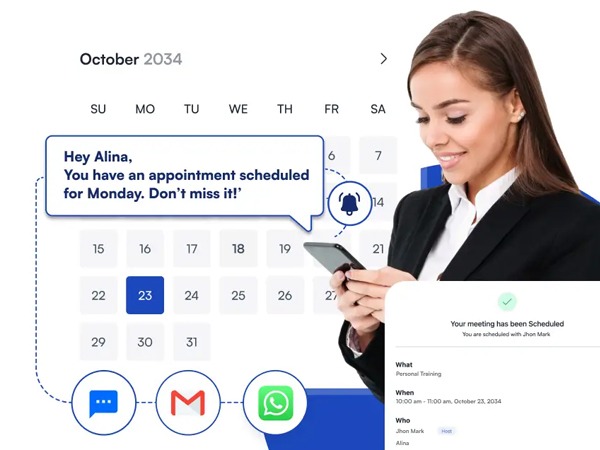
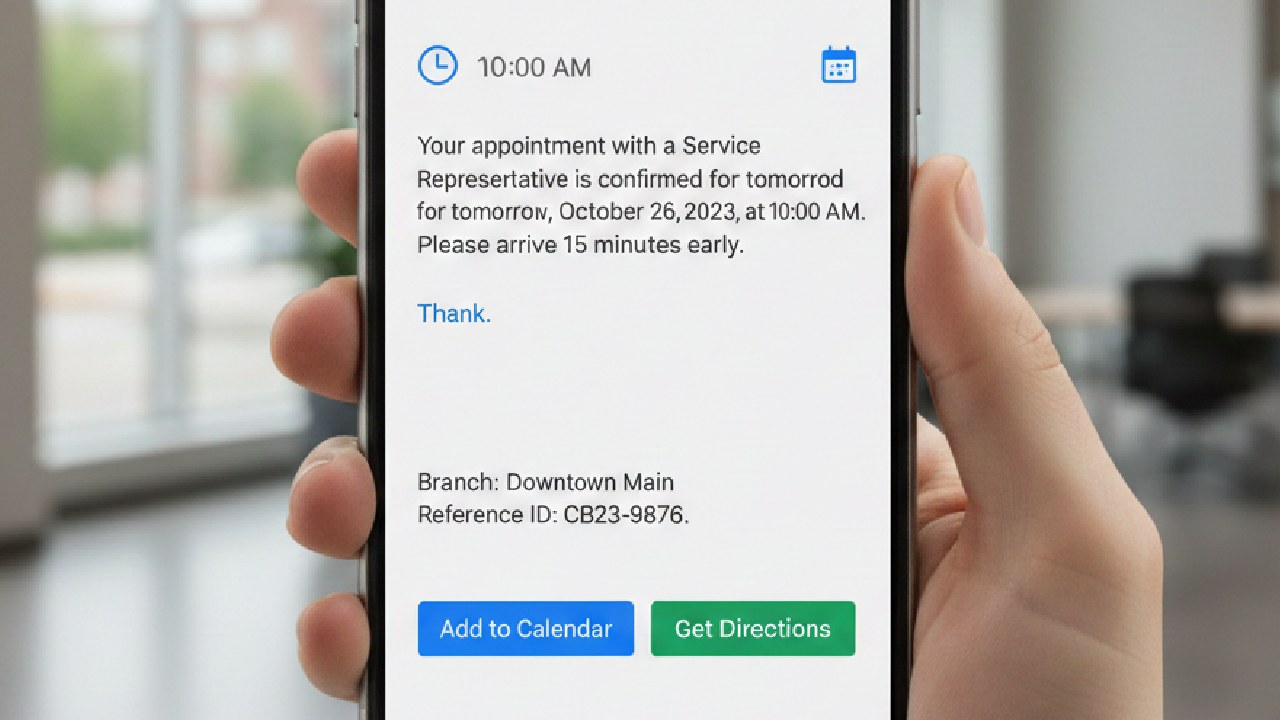
SMS reaches users through their mobile number without requiring the same app. That is why SMS remains useful for alerts, verification codes, delivery updates, appointment reminders, and customer communication across regions. If your audience is spread across countries, devices, and user habits, app-based messaging may not provide the same universal reach.
Use messaging apps when the channel fit is clear. Use SMS when phone-number-based reach matters.
When Free SMS Methods Are Useful
Free SMS methods are not useless. They simply fit specific situations.
They are useful when the message volume is very low, the content is not sensitive, and the result does not affect a customer journey. For example, you might use free SMS to test a number, send a casual message, compare different communication channels, or run a small internal experiment.
Free methods can also help early-stage teams understand whether SMS deserves further investment. Before paying for a platform, a team may want to confirm that SMS works for a specific audience or use case.
The key is to keep expectations realistic.
Free SMS can help you test the idea of texting. It usually cannot help you operate a reliable business messaging program.
Why Free SMS Does Not Work Well for Business Messaging
Business SMS has different requirements from personal texting.
When a company sends SMS to customers, the message is part of the customer experience. A missed delivery, delayed verification code, unclear sender, or poorly handled opt-out can affect trust and revenue. That is why businesses need more than a way to send a text.
They need control.
The first issue is volume. Free methods are usually built for occasional use, not thousands or millions of messages. Even if a method works for ten messages, it may fail when volume increases.
The second issue is sender identity. Businesses often need a recognizable sender name, number, or approved sender setup. Free SMS tools may not support that, which can make messages look unfamiliar or untrusted.
The third issue is delivery visibility. If a message fails, businesses need to know why. Was the number invalid? Was the route blocked? Did the carrier filter the message? Did the recipient’s device reject it? Free methods usually do not provide enough detail. For a deeper explanation of why visibility matters, read SMS deliverability basics.
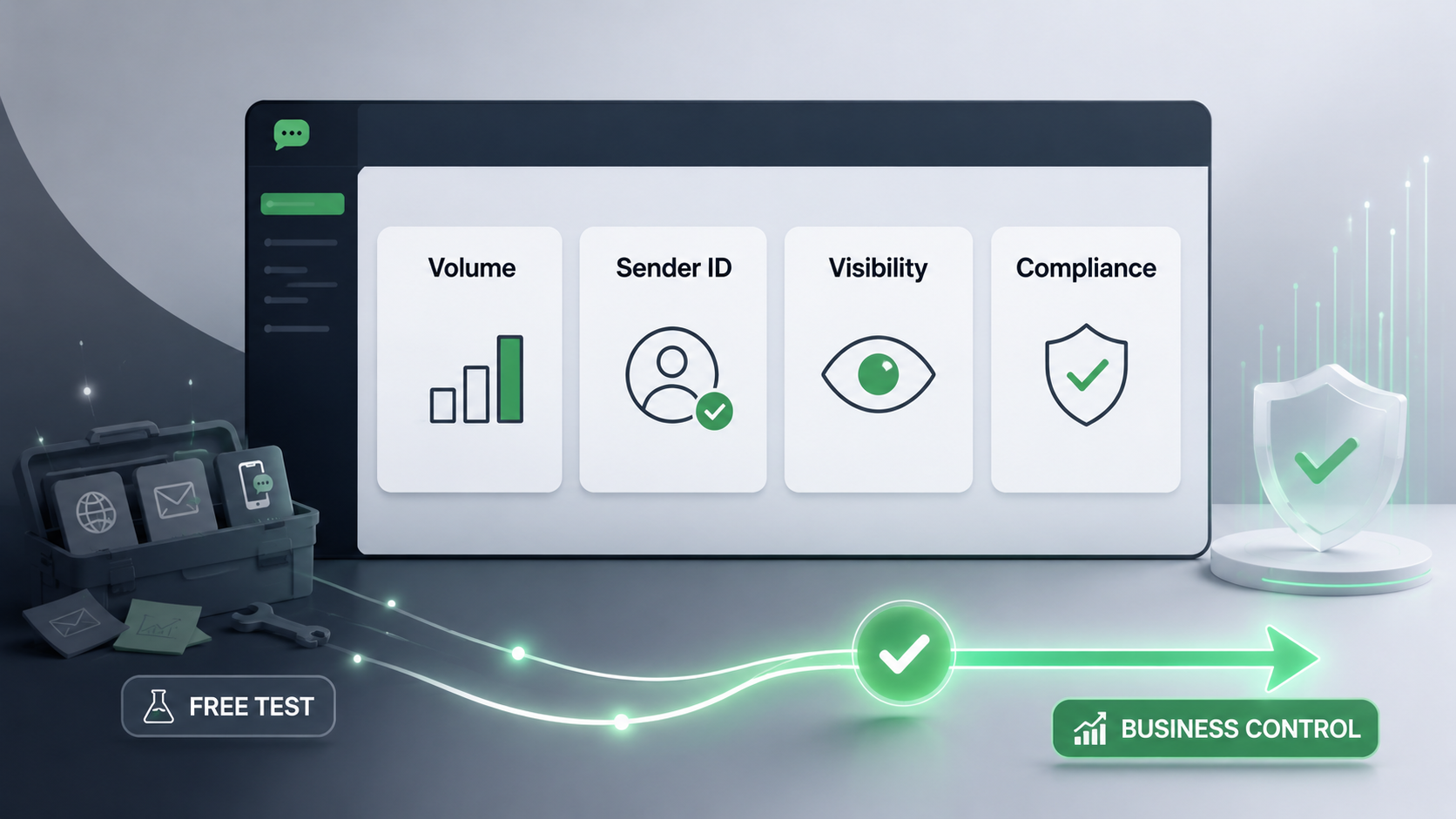
The fourth issue is compliance. Customer-facing SMS may require consent, opt-out handling, content control, and local compliance checks depending on the market and use case. Free tools rarely give businesses the workflow needed to manage these responsibilities properly.
The fifth issue is support. If an important campaign fails, a business needs someone to investigate routing, delivery, sender setup, or destination market issues. Free methods typically do not provide operational support.
These limits are why free SMS often stops working when SMS becomes a business channel.
Free SMS vs Paid SMS Platforms: What Actually Changes?
The difference between free SMS and a paid SMS platform is not only price.
A paid SMS platform gives businesses more control over how messages are sent, tracked, and managed. This matters when SMS is tied to marketing campaigns, transactional notifications, customer alerts, or verification flows.
Here are the main differences.
| Area | Free SMS Methods | Paid SMS Platforms |
|---|---|---|
| Volume | Low or restricted | Built for higher-volume sending |
| Sender identity | Limited or unclear | More sender setup options |
| Delivery visibility | Little or no reporting | Delivery tracking and monitoring |
| Routing | Usually not visible | Route management and optimization |
| Compliance support | Minimal | Better workflows for consent and opt-out handling |
| Automation | Limited | API, dashboard, scheduling, and integrations |
| Support | Usually none | Technical and operational support |
| Business fit | Personal use or testing | Customer-facing messaging at scale |
This does not mean every business needs an advanced SMS setup from day one. A small team can start simple. But once SMS affects customer acquisition, retention, verification, or operations, the cost of unreliable sending can be higher than the cost of using a paid platform.
When Should a Business Move from Free SMS to a Paid SMS Platform?
A business should consider moving to a paid SMS platform when SMS becomes part of a repeatable customer workflow.
The clearest sign is volume. If your team is sending messages regularly, free methods will quickly become inefficient. Manual sending takes time, free tools may impose limits, and trial credits eventually run out.
Another sign is customer impact. If the message affects login, delivery, payment, appointment attendance, campaign conversion, or account security, you need more reliability than a free method can usually provide.
A third sign is market expansion. Sending SMS across countries is more complex than sending within one local market. Different destinations may involve different sender rules, routes, carrier behavior, and compliance expectations. A paid platform can help businesses manage those differences more systematically.
A fourth sign is the need for reporting. If your team needs to know what was sent, delivered, failed, or responded to, a proper SMS platform becomes more useful.
A final sign is compliance responsibility. If you are sending marketing or customer-facing business messages, you need a clear process for consent, opt-outs, message content, and contact management. Free methods rarely provide enough structure for that.
Free SMS is suitable for experiments. Paid SMS is suitable for operations.
How to Keep SMS Costs Low Without Relying on Free SMS
Choosing a paid SMS platform does not mean ignoring cost. In fact, a good business SMS strategy should focus on cost efficiency.
The goal is not to send the cheapest possible message at any cost. The goal is to send the right messages, through the right routes, to the right recipients, with enough reliability to support the business outcome.
Here are practical ways to keep SMS costs under control.
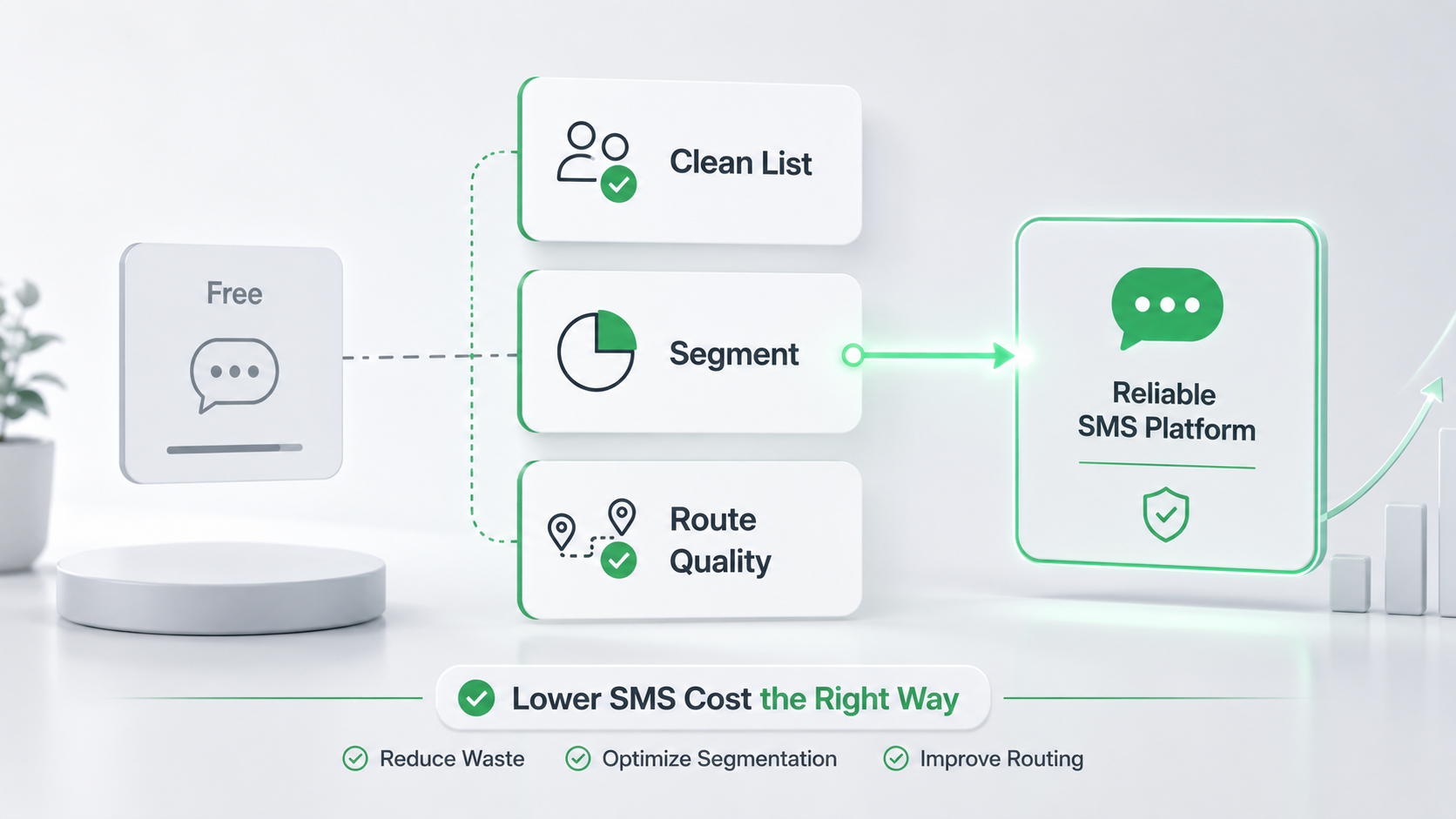
First, clean your contact list. Invalid numbers, inactive contacts, and poor-quality lists waste budget and can hurt performance. Sending fewer but better-targeted messages is often more effective than sending more messages to weak contacts.
Second, segment your audience. Not every customer needs every message. Segmenting by country, behavior, lifecycle stage, or campaign intent can reduce unnecessary sends.
Third, use SMS for messages that need immediacy. SMS is powerful for urgent, high-value, or action-oriented communication. For lower-priority content, email or app messaging may be more cost-effective.
Fourth, optimize message length. Long SMS content may split into multiple message parts, depending on encoding and character count. Clear, concise messages can help control cost and improve readability.
Fifth, review routing quality. Low-cost routes may look attractive, but poor delivery can reduce campaign value. A cost-efficient SMS setup balances price, reachability, latency, and delivery quality. If routing is new to your team, this guide explains how SMS routing works and why route quality matters.
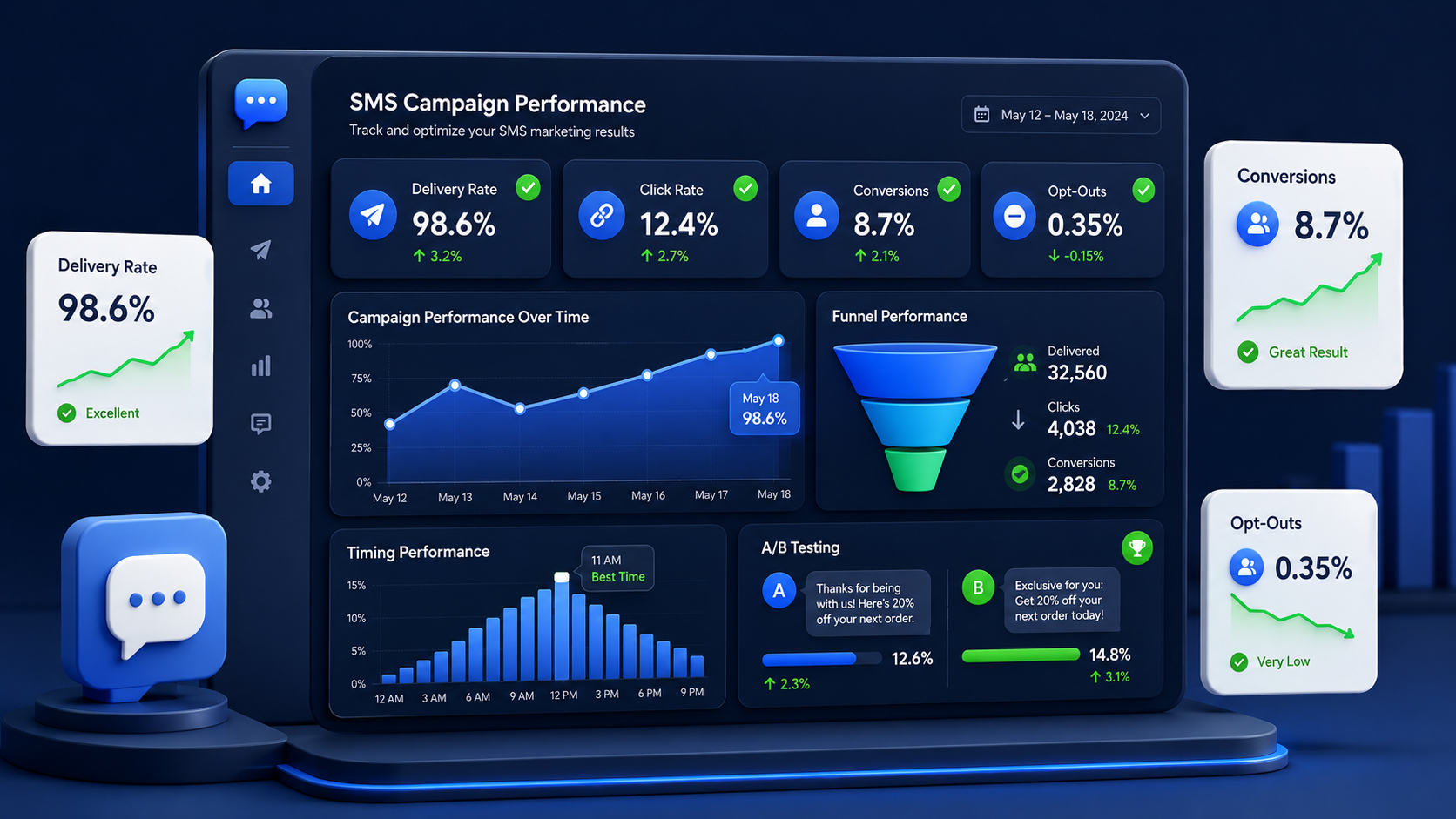
Sixth, monitor performance. Delivery rate alone does not tell the full story. Businesses should also look at failed messages, response patterns, conversion outcomes, opt-outs, and market-level differences.
This is where a paid SMS platform can become more economical over time. It gives teams the control needed to reduce waste, improve targeting, and make sending decisions based on performance rather than guesswork.
For teams moving from free tests to real business messaging, SMSBoosting helps evaluate cost-efficient A2P SMS delivery with reliable routing, global messaging support, and scalable sending for marketing, transactional, and verification use cases.
Conclusion
You can send free SMS, but free methods work best in limited situations.
They are useful for personal messages, small tests, low-risk communication, and early experiments. You can try free online SMS websites, email-to-SMS gateways, mobile plan texting, manual phone sending, provider trial credits, or app-based alternatives when SMS is not strictly required.
But once SMS becomes part of customer communication, the requirements change. Businesses need more than free sending. They need delivery control, sender identity, routing visibility, consent management, reporting, support, and scalability.
That is why the best approach is not always to find a permanently free SMS method. A better approach is to understand when free SMS is enough, when it starts creating risk, and when a paid SMS platform becomes the safer and more cost-efficient choice.
If your business is moving from free SMS tests to customer-facing campaigns, a practical next step is to review your sending volume, destination markets, message types, compliance needs, and delivery expectations. From there, SMSBoosting can help your team evaluate a more reliable A2P SMS setup for marketing, transactional, or verification messages.
Moving from free SMS tests to real business messaging?
SMSBoosting can help you review destination markets, routing quality, sender setup, and cost-efficient A2P SMS delivery before customer-facing volume scales.
Talk to an SMS expertFAQ
Is it really possible to send SMS for free?
Yes. You can send free SMS through some online SMS websites, email-to-SMS gateways, mobile plans, manual phone texting, provider trials, or messaging apps when SMS is not required. These options are usually best for personal use, testing, or very low-volume communication.
Can I send free bulk SMS?
Free bulk SMS options are usually limited. They may restrict volume, countries, sender identity, commercial use, or delivery reporting. If you need to send bulk SMS to customers, a paid SMS platform is usually more reliable and easier to manage.
Are free SMS websites safe to use?
Some free SMS websites may be fine for simple, non-sensitive messages, but they are not ideal for customer communication. Businesses should be careful with phone numbers, message content, privacy, and delivery reliability when using free tools.
Why do businesses pay for SMS if free methods exist?
Businesses pay for SMS because they need reliability, sender control, reporting, support, routing quality, and compliance workflows. Free SMS methods can send messages in limited cases, but they usually do not provide the control needed for customer-facing communication.
What is the cheapest reliable way to send business SMS?
The cheapest reliable approach is not always the lowest per-message price. Businesses should focus on cost-efficient delivery: clean contact lists, smart segmentation, concise messages, appropriate routes, and performance monitoring. A paid SMS platform can help reduce waste and improve delivery outcomes at scale.