
A2P SMS deliverability depends on more than whether a platform submits a message or records a delivered status. Because A2P messages are sent by businesses, platforms, or applications—often through automated workflows—their performance is shaped by sender identity, consent, content type, routing, traffic patterns, destination-market conditions, and the quality of delivery evidence.
That is why business teams should not treat delivery rate as the complete answer. A message can be delivered but arrive too late for an OTP flow, appear under an unsuitable sender identity in a target market, or leave the team unable to explain why similar messages perform differently across destinations. For a broader view of delivery-path concepts, start with our guide to SMS deliverability.
Why Delivery Rate Alone Does Not Explain Business Message Performance
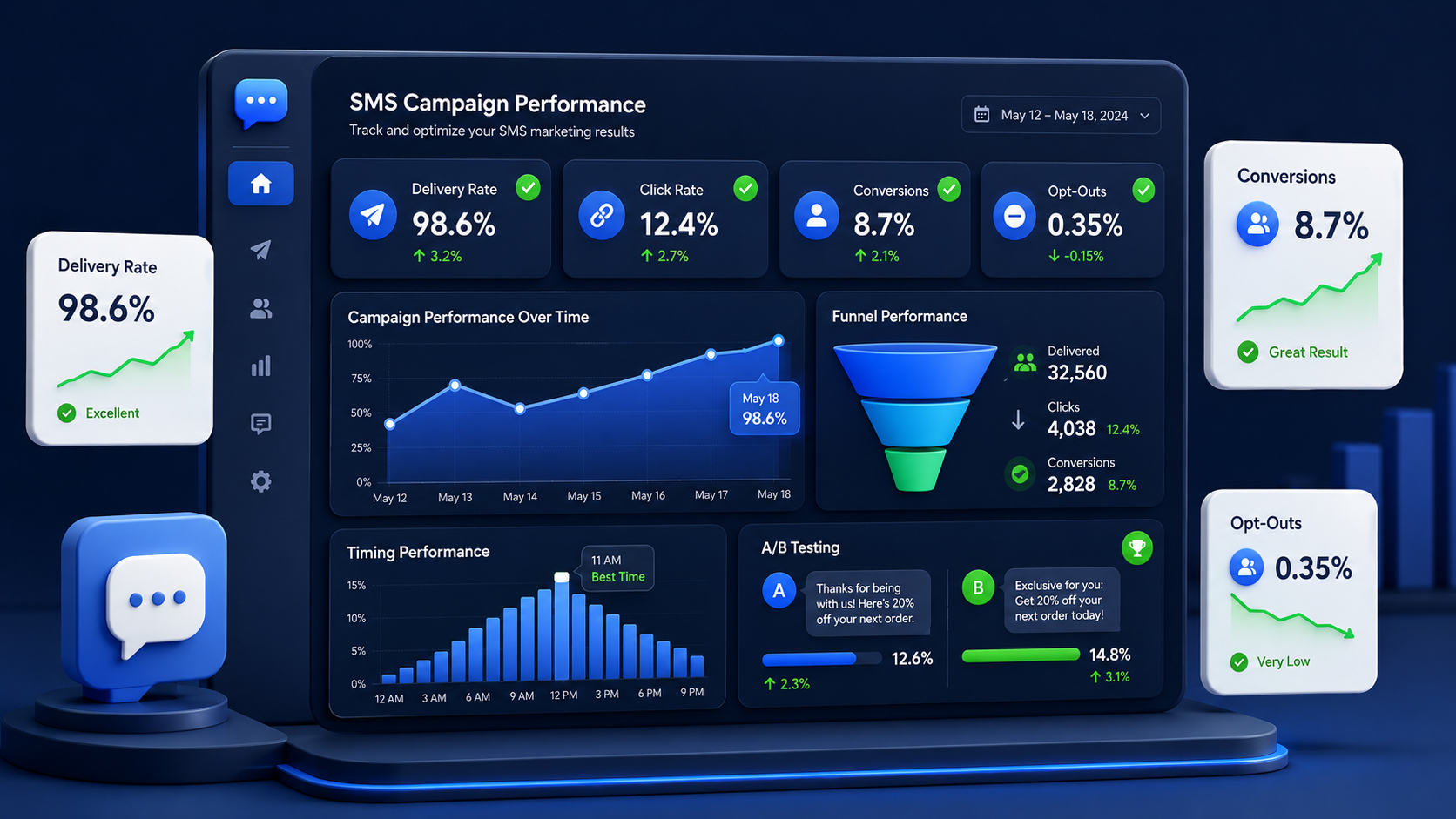
Delivery rate is useful, but it is only one result signal. It does not, by itself, explain whether business messages arrived in time, performed consistently across markets, matched recipient expectations, or produced enough evidence for teams to understand a change in performance.
A Delivered Message Can Still Arrive Too Late for Its Business Purpose
Time-sensitive messages show the clearest limitation of a single delivery-rate number. An OTP may eventually appear on the user’s device, but if it arrives after the login attempt has expired or the user has abandoned the process, the message did not support its intended purpose.
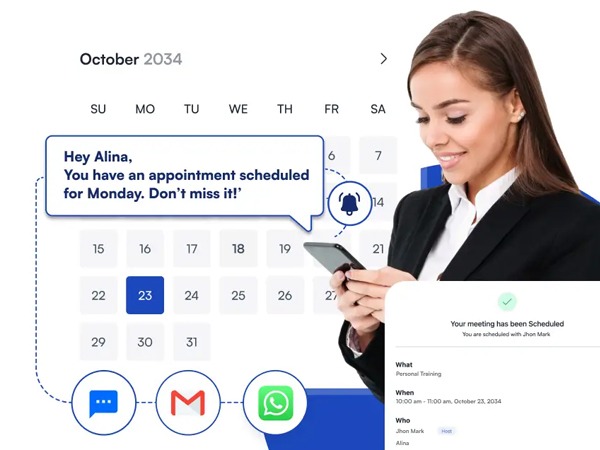
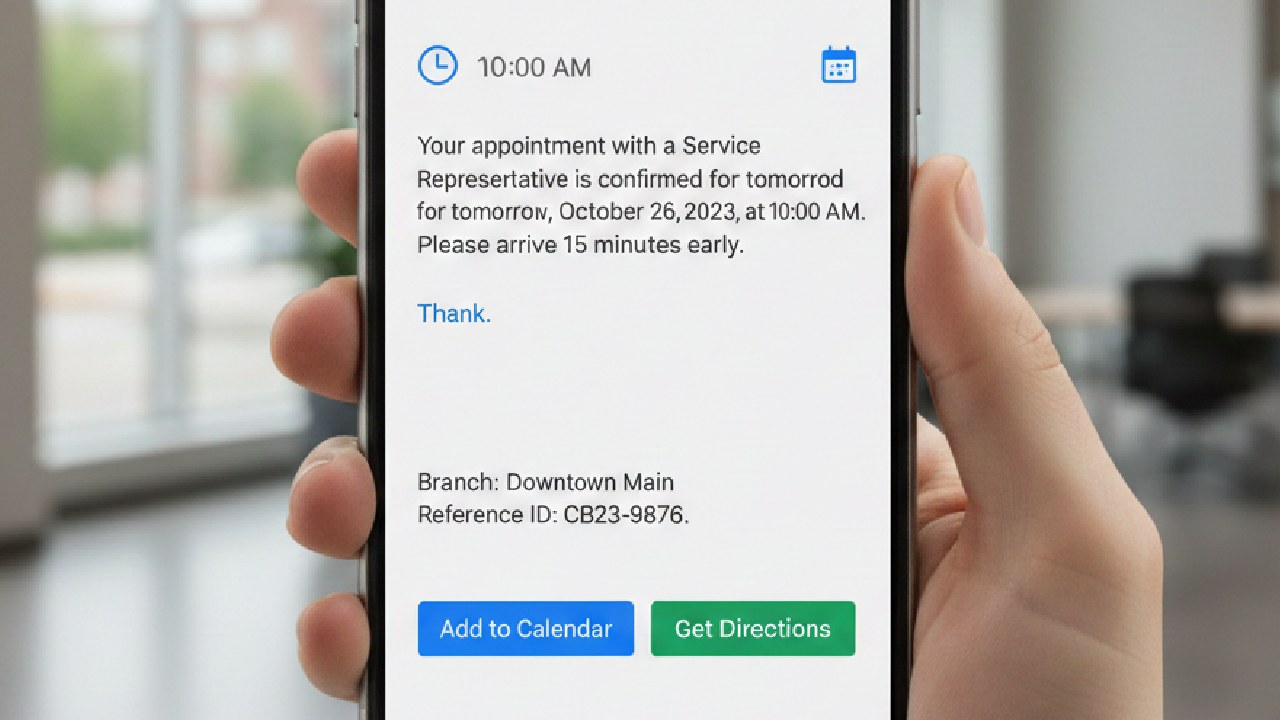
The same logic applies to security alerts, service disruptions, appointment reminders, and payment notices. For these flows, teams need to consider timing relevance alongside delivery outcome. A delivered message is technically useful evidence; it is not automatically a successful business communication.
An Overall Delivery Rate Can Hide Sender, Message-Type, or Market Differences
A combined rate can also conceal the location of a problem. A team may see an acceptable global average while messages from one sender identity, one traffic category, or one destination market perform poorly.
That matters because A2P programs are rarely uniform. OTP traffic has different urgency from promotional messaging. One country may support a sender identity that another requires to be registered or does not support in the same form. A stable average cannot tell the team which part of the operating setup needs attention.
Delivery Visibility Matters When Performance Changes
When message performance moves unexpectedly, teams need more than a number. They need enough visibility to understand whether the change is concentrated by message category, sender, route, market, timing window, or status pattern.
Delivery evidence is not identical to deliverability. It is the information that allows a team to interpret deliverability. Without that evidence, businesses may respond to a delivery-path issue by rewriting message copy, changing campaign timing, or making provider assumptions without knowing what actually changed.

Why A2P SMS Deliverability Works Differently from Ordinary Texting
A2P SMS deliverability works differently because a business message carries an organizational purpose, a sending identity, and an operational pattern that ordinary personal texting usually does not.
CTIA’s messaging principles distinguish Consumer messaging from Non-Consumer messaging, noting that earlier terminology referred to these categories as Consumer (P2P) and Non-Consumer (A2P). When a business, organization, or an agent acting for one sends a message, CTIA classifies that traffic as Non-Consumer messaging and applies separate best-practice expectations to it.
A2P Traffic Carries a Business Purpose and a Recognizable Sender
An A2P message is usually connected to a business event: an account verification step, an order update, a service alert, an appointment reminder, or a promotional communication. The recipient is not simply reading a message; they are interpreting who sent it, why it was sent, and whether it fits an expected relationship with the business.
That business purpose changes the delivery discussion. A login code must arrive while the user is still trying to sign in. A shipment update must be recognizable as a service message. A promotional message must align with the recipient’s expectations and applicable permission requirements. The same channel is being used, but the conditions for useful performance are not the same.
Automation Changes Volume, Timing, and Message Patterns
A2P traffic is frequently triggered by software rather than typed by a person. A checkout event can start an order notification. A login attempt can generate a verification code. A CRM rule can schedule a lifecycle message for thousands of contacts.
Automation creates patterns: repeated templates, sudden sending peaks, recurring message sequences, destination concentration, and time-sensitive bursts. CTIA specifically states that automation used by a Non-Consumer to facilitate messaging is not typical Consumer operation.
For business teams, this means A2P traffic should be evaluated as an operating pattern, not as a pile of unrelated texts. Performance questions need to account for why the messages were triggered, how frequently they are sent, which audiences receive them, and whether the sending behavior remains consistent with the intended use case.

The Core Variables That Affect A2P SMS Deliverability
A2P SMS deliverability is influenced by several connected variables. No single factor explains every outcome, and no single improvement can be assumed to work across every use case or destination.
Sender Identity Shapes Recognition, Trust, and Market Fit
Sender identity is how a business message is presented as coming from a recognizable source. It may involve an alphanumeric sender ID, a dedicated number, a short code, or another locally suitable origination identity.
A sender identity affects more than branding. It helps recipients understand who is contacting them, and it must also fit the conditions of the destination market. AWS End User Messaging documents that sender IDs are supported in many regions, while support and registration requirements are not consistent across all countries; some markets require pre-registration, while others do not support sender IDs in the same way.
The practical lesson is not that one sender identity is universally best. It is that sender setup should be evaluated by message purpose and target market. A sender configuration suited to one region or business flow cannot be assumed to be equally suitable everywhere else.
Consent and Recipient Expectation Affect the Risk Profile of Business Messages
Consent matters because A2P messaging is interpreted through the recipient’s relationship with the sender and their expectation of receiving that kind of communication.
A customer who requests a login code is likely to expect a short, immediate verification message. A customer receiving recurring promotions needs a clearer permission and opt-out basis. CTIA’s Non-Consumer best practices discuss consent and distinguish informational messaging from promotional messaging, with different expectations around who initiates the message and what purpose it serves.
This does not make every consent rule identical worldwide. It means businesses should treat consent alignment and message expectation as delivery-setup variables, especially when communications are recurring, promotional, or sent across multiple markets. Teams requiring deeper guidance on this area can continue with our article on SMS compliance and deliverability impact.
Content Type Changes What Good Performance Means
Business SMS is not one uniform category. OTP codes, transactional alerts, service reminders, account updates, and promotional messages can all travel through SMS, but they should not be judged in exactly the same way.
For an OTP message, timing is central: a message that arrives after the action window may no longer be useful. For an order update, identification and consistency help the recipient trust the notification. For a promotional message, sender clarity, recipient expectation, and sustainable sending behavior matter alongside whether the message reaches the device.
Content type therefore changes the meaning of good performance. Teams evaluating A2P SMS deliverability should ask what the message is expected to accomplish before deciding which delivery signals matter most.
Routing Influences Reach, Stability, and Delivery Evidence
Routing is the delivery path that moves a business message toward the destination network. For A2P SMS, the quality of that path matters because the message may be sent at scale, across multiple markets, and under time-sensitive operating requirements.
A suitable route should be evaluated not only by whether traffic can be submitted, but also by whether the path fits the sender, message category, and destination market, and whether it provides usable evidence when results change. CTIA’s Non-Consumer best practices explicitly identify grey routes as delivery paths not authorized by service providers for Non-Consumer messages and state that message senders should not use them.
For business teams, routing is therefore connected to both performance and visibility. A route that produces inconsistent outcomes or weak evidence can make it harder to distinguish a local market issue, an identity mismatch, a filtering signal, or a timing problem.

Traffic Patterns Can Change How Business Messaging Is Interpreted
Traffic pattern refers to the observable behavior created by business sending: volume, frequency, message repetition, timing peaks, destination distribution, and the relationship between sending behavior and the stated business purpose.
These patterns matter because automated messaging can create very different signals from normal person-to-person conversation. A predictable burst of verification messages tied to user requests is not the same operational pattern as a large promotional send with unclear permission or unexpected repetition.
Traffic pattern should not be judged in isolation. It needs to be read together with sender identity, consent, message type, and destination conditions. When teams see blocked, filtered, or inconsistent outcomes, our guide to SMS filtering explains how sender setup, content, traffic patterns, and market paths can contribute to messages being stopped before delivery.
Destination Market Determines Whether a Setup Can Be Reused Reliably
Destination market is one of the most important variables in cross-border A2P messaging because sender identities, registration expectations, carrier handling, and local conditions can differ by country or region.
AWS’s SMS documentation illustrates this directly: its supported-country information records different sender-ID support and registration conditions across destinations, including market-specific requirements for sender registration and origination identity handling.
A setup that works in one market should therefore be treated as a tested local configuration, not as automatic proof that the same arrangement will work everywhere. Businesses sending across regions need to evaluate market fit before using one delivery-rate figure to represent all traffic.
How These Variables Interact in Real A2P Messaging Scenarios
The variables above rarely act alone. A2P delivery performance becomes easier to understand when teams look at how several conditions combine in real message flows.
Time-Sensitive Messages Depend on More Than Final Delivery Status
Consider an OTP sent during login. The message purpose is time-sensitive, the send is automated, and the user is expecting an immediate message from a recognizable sender. If the route is slow, the sender setup is unsuitable for the destination, or delivery evidence is too limited to locate recurring failures, the flow can perform poorly even when some messages eventually show delivered.
For time-sensitive messages, teams need to read delivery outcome together with timing, sender fit, destination behavior, and failure visibility.

Promotional or Lifecycle Messages Depend on Expectation and Sending Pattern
A promotional or lifecycle message has a different performance profile. It may not lose value within minutes, but it can create risk when recipients do not expect it, the sender is unclear, or the sending pattern becomes repetitive or excessive.
In this scenario, the useful question is not only how many messages were delivered. Teams also need to understand whether the messaging is permission-aligned, recognizable, appropriately paced, and sustainable across the markets being contacted.
Cross-Market Sending Requires Market-Aware Evaluation
A company sending service notifications or campaigns across several countries may use similar content and similar automation, yet still see different outcomes. Sender identities may be treated differently. Registration conditions may change. Available delivery paths or feedback signals may not be equally useful everywhere.
That is why cross-market A2P performance should be reviewed by market and use case, not only as one combined global number.
What Business Teams Should Evaluate Beyond Delivery Rate
A business team does not need a complex operating model to begin evaluating A2P SMS performance. It does need to ask questions that reveal whether the delivery setup fits the intended message purpose.
| Evaluation Dimension | Question to Ask |
|---|---|
| Message purpose | Is this an OTP, notification, service reminder, or promotional message, and how time-sensitive is it? |
| Sender suitability | Is the sending identity recognizable and appropriate for each priority market? |
| Recipient expectation | Did recipients reasonably expect this message type and sending pattern? |
| Traffic behavior | Does the sending volume, timing, and repetition align with the stated use case? |
| Route and market fit | Is the delivery path suitable for the target market and message category? |
| Delivery evidence | Can the team identify where performance changed by sender, route, status, or market? |
| Outcome relevance | Did the message arrive while it could still support the intended user action? |
This framework is deliberately different from an optimization checklist. It helps teams decide what they are evaluating before they attempt to change routing, content, sender setup, or campaign operations. Teams ready to move from mechanism understanding into practical actions can continue with our guide to ways to improve SMS deliverability.
Conclusion: Evaluate A2P SMS Performance as a System, Not a Single Rate
A2P SMS deliverability differs from ordinary texting because a business message has a defined purpose, an automated sending context, an identifiable sender, a message category, a traffic pattern, a delivery path, and a destination-market environment.
Delivery rate remains useful, but it should not be the only measure used to judge business message performance. Teams also need to consider timing relevance, sender suitability, recipient expectation, route visibility, market consistency, and the evidence available when outcomes change.
Review Your A2P SMS Delivery Setup
If your team is reviewing A2P SMS performance across message types or destination markets, a practical next step is to assess sender setup, route visibility, consent alignment, and delivery evidence together. SMSBoosting supports businesses evaluating A2P SMS delivery setups built around clearer operational visibility and cross-market messaging requirements.
Talk to SMSBoostingFAQ About A2P SMS Deliverability
What is A2P SMS deliverability?
A2P SMS deliverability is the practical ability of business- or application-generated SMS messages to reach intended recipients in a way that supports the message purpose under real sender, routing, filtering, content, and destination-market conditions. For the broader topic framework, read our guide to SMS deliverability.
Why is A2P SMS deliverability different from person-to-person texting?
A2P messages are sent on behalf of businesses or applications and are often triggered automatically. They carry business intent, identifiable sender conditions, permission expectations, message-category requirements, and market-specific delivery considerations that ordinary personal conversations typically do not involve in the same way.
Is delivery rate enough to measure A2P SMS performance?
No. Delivery rate is one important result signal, but teams should also evaluate whether messages arrived in time for their purpose, performed consistently across markets, matched recipient expectations, and generated enough delivery evidence to explain failures or changes.
Can the same A2P SMS setup work across every destination market?
It should not be assumed. Sender identity support, registration conditions, route suitability, message handling, and applicable requirements can differ by destination. A setup should be evaluated for each priority market and message type before results are aggregated into a broader performance judgment.
References
CTIA. Messaging Principles and Best Practices, May 2023.
AWS End User Messaging SMS. Sender IDs in AWS End User Messaging SMS.
AWS End User Messaging SMS. Supported Countries and Regions for SMS Messaging with AWS End User Messaging SMS.