An SMS gateway in Vietnam connects your application, CRM, ecommerce store, or marketing system to Vietnamese mobile networks. Businesses use it to send OTP codes, delivery alerts, payment reminders, service notices, and promotional messages to customers on Viettel, VinaPhone, MobiFone, Vietnamobile, and smaller network ranges.
Vietnam is a strong SMS market, but it is also a regulated market. Businesses need to understand Brandname sender ID registration, anti-spam expectations, Vietnamese-language encoding, and operator-specific delivery before sending at scale.
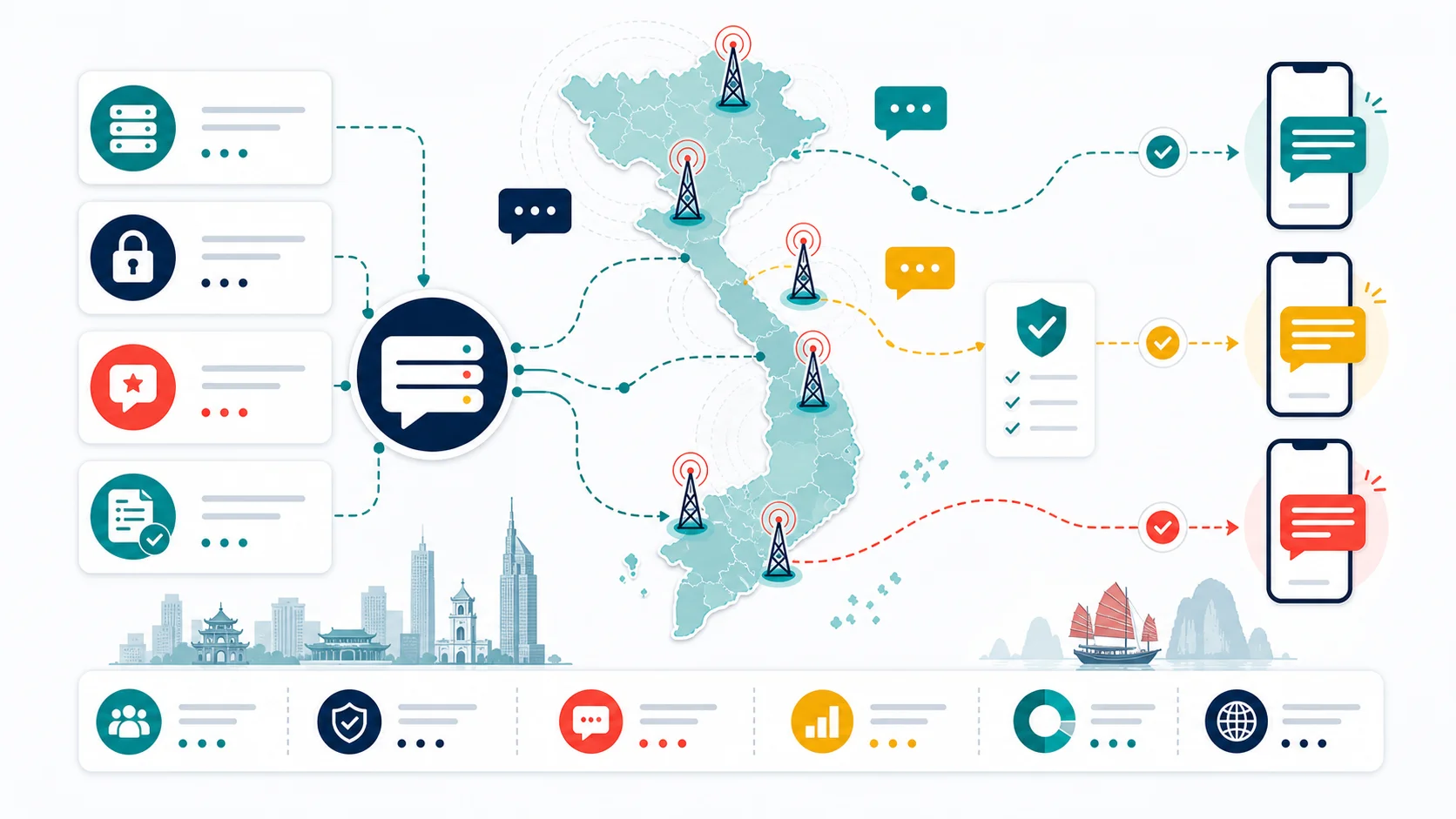
Quick answer: A reliable Vietnam SMS gateway needs registered Brandname sender ID support, strong routing to Viettel, VinaPhone, and MobiFone, proper consent handling for advertising messages, delivery reports, and API support for Vietnamese Unicode. Pricing should be compared by route quality, message type, operator coverage, sender ID setup, encoding, and monthly volume.
Vietnam Mobile Market and Regulatory Context
Vietnam has a large mobile-first population and a strong app economy. Banks, wallets, ecommerce platforms, delivery apps, schools, clinics, and retailers in Hanoi, Ho Chi Minh City, Da Nang, Hai Phong, and Can Tho all use SMS for verification, alerts, and campaigns.
The key mobile networks to test are Viettel, VinaPhone, MobiFone, and Vietnamobile. Viettel is the largest operator, while VinaPhone and MobiFone remain major national routes. Vietnamobile and smaller ranges still matter for QA because a campaign that reaches only the big three can miss edge cases in number portability and delivery reporting.
Vietnam telecom and messaging policy is now tied to the Ministry of Science and Technology (MOST) after Vietnam’s 2025 government restructuring. Older provider documents may still refer to the former Ministry of Information and Communications (MIC), so check current ministry and telecom-authority guidance before launch. Vietnam’s anti-spam framework, commonly discussed around Decree 91/2020/ND-CP, makes consent, sender identification, and opt-out handling important for advertising messages.
| Network | Why It Matters for SMS |
|---|---|
| Viettel | Largest national mobile network and core route for OTP and alerts |
| VinaPhone | Major VNPT network with broad consumer and business reach |
| MobiFone | Major national operator with strong urban and enterprise presence |
| Vietnamobile | Smaller but still useful for route testing and edge-case coverage |
What You Can Send Through a Vietnam SMS Gateway
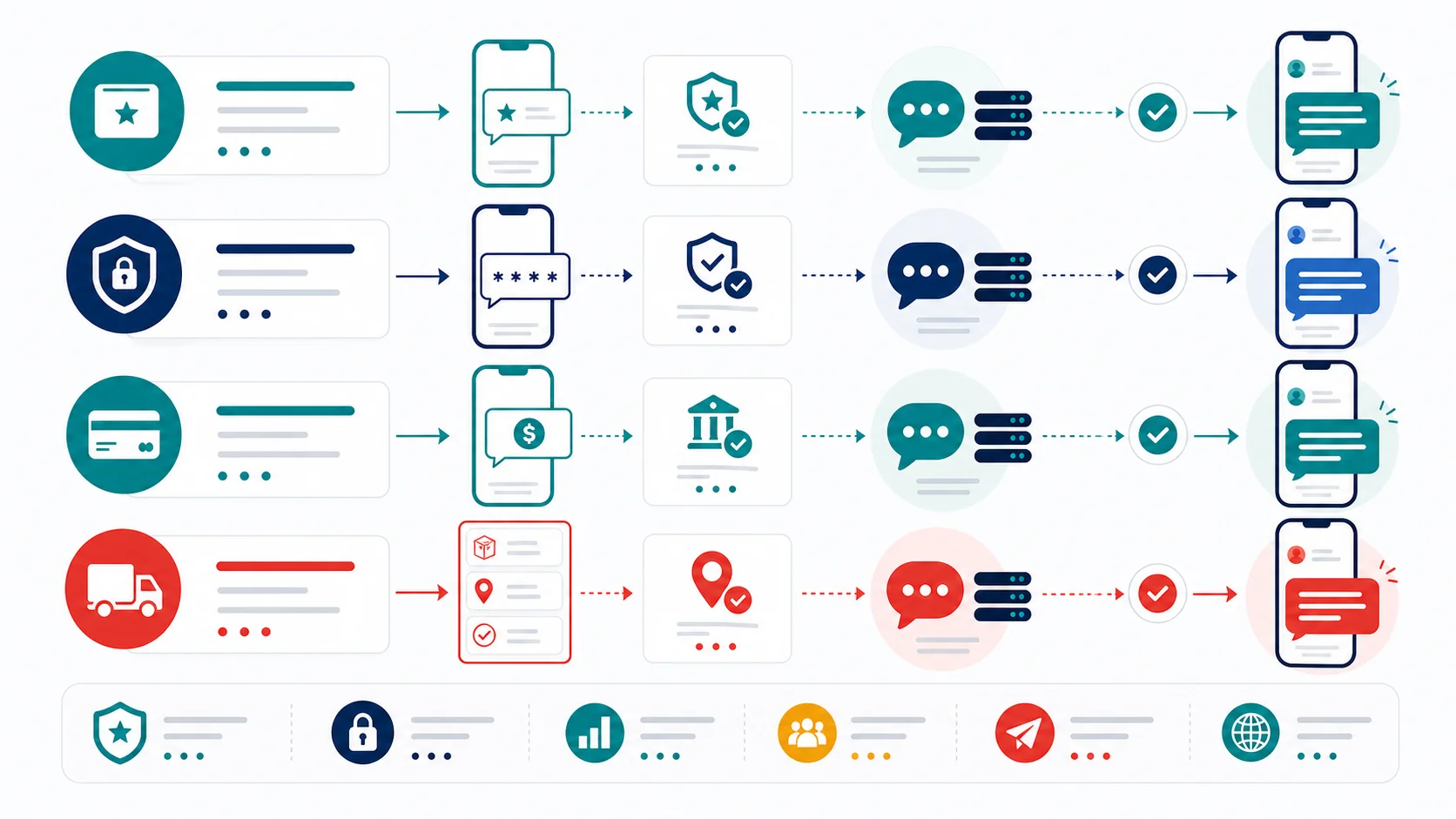
Vietnam SMS gateways usually support OTP, transactional, marketing, and two-way messaging. The safest setup keeps these traffic types separate because Vietnamese carriers and regulators treat advertising messages differently from service messages.
OTP and Verification SMS: Banks, wallets, ecommerce platforms, gaming apps, and SaaS products use OTP SMS for login, payment approval, password reset, and account recovery. Viettel, VinaPhone, and MobiFone should all be included in OTP route testing.
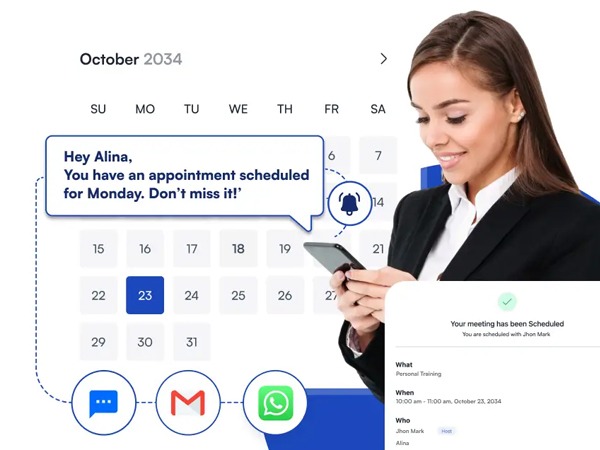
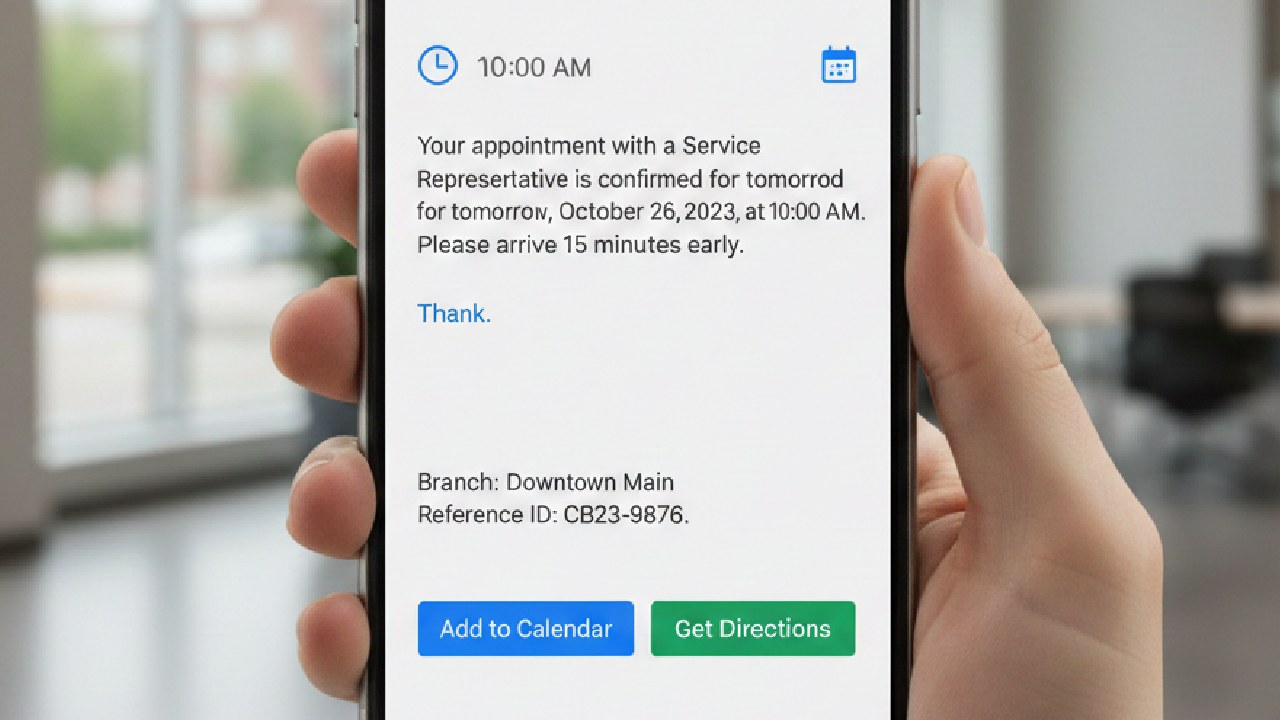
Transactional SMS: Delivery updates, appointment reminders, booking notices, school alerts, and payment confirmations work well as SMS notification traffic. These messages should be tied to a user action or existing service relationship.
Marketing SMS: Retail promotions, e-commerce flash sales, bank offers, app reactivation campaigns, and loyalty messages fall under marketing SMS. Vietnam promotional traffic should use consent-based lists, registered sender identification, and a clear opt-out path.
Two-Way SMS: Some Vietnamese campaigns need replies for appointment confirmation, lead qualification, surveys, or opt-ins. Two-way traffic may require a dedicated number or short code, so confirm setup early.
Do not use one template for every purpose. A Vietnamese OTP template that includes a sales offer can face filtering because it looks like advertising traffic.
Brandname Sender ID in Vietnam
In Vietnam, branded sender ID is often discussed as Brandname SMS. It lets the recipient see a registered business or product name instead of a random number. Brandname setup is one of the most important differences between a serious Vietnam SMS gateway and a low-quality sending route.
Brandname Sender ID: Brand names such as YOURBRAND are used for OTP, alerts, and marketing. The sender name should match business registration, trademark, or authorization documents.
Numeric Sender: Numeric senders may work for some low-risk notifications, but they are weaker for trust and may not fit marketing or banking use cases.
Short Code or Dedicated Number: Short codes and dedicated numbers may be used for replies, opt-ins, customer care, or high-volume enterprise programs.
A practical Vietnam Brandname setup usually follows this flow:
- Prepare company registration documents, brand authorization, and a description of message use cases.
- Choose a Brandname that matches the business or product and avoids generic terms.
- Submit the Brandname and sample templates through your SMS gateway provider.
- Confirm approval and routing coverage across Viettel, VinaPhone, MobiFone, and Vietnamobile.
- Test Vietnamese and English messages before sending production traffic.
Build approval time into your launch plan. Vietnamese Brandname and template review can take longer when documents do not match the requested sender name or when the content category is unclear.
Compliance Checks for SMS Marketing in Vietnam
Vietnam SMS marketing should be built around consent, sender identification, and opt-out handling. Advertising SMS is more sensitive than transactional SMS, especially when campaigns include finance, lending, gambling-related content, health claims, or political wording.
Use this checklist before sending Vietnamese promotional SMS:
- Consent Records: Keep proof that each Vietnamese recipient opted in through a form, account setting, purchase flow, loyalty program, event registration, or other valid source.
- Brandname Accuracy: Use a sender name that matches the registered business or authorized brand. Avoid names that resemble banks, government bodies, mobile operators, or unrelated companies.
- Opt-Out Handling: Include an opt-out process for promotional messages and remove opted-out numbers before the next campaign.
- Template Category: Keep OTP, service alerts, and promotional messages separate so carriers can classify the message correctly.
- Vietnamese Copy Review: Review Vietnamese accents, tone, and personalization fields before launch because broken diacritics can make a message look suspicious.
This guide is not legal advice. For regulated Vietnamese sectors such as banking, lending, healthcare, insurance, education, gaming, and cross-border ecommerce, confirm requirements with counsel, current MOST/telecom-authority guidance, and your local messaging provider.
Vietnam SMS Pricing Factors
Vietnam SMS pricing depends on route quality, operator destination, brand name setup, message type, encoding, and monthly volume.
Route Quality: Direct or high-quality A2P routes cost more than low-grade routes, but they provide better delivery reports and more stable OTP delivery on Viettel, VinaPhone, and MobiFone.
Operator Destination: Ask whether rates differ by Viettel, VinaPhone, MobiFone, and Vietnamobile. Operator-level reporting helps identify whether failures are concentrated on one route.
Brandname Costs: Vietnam Brandname setup may involve registration, template review, renewal, or operator submission costs. Ask whether these charges are separate from the per-SMS rate.
Vietnamese Unicode: Vietnamese with diacritics can use Unicode depending on the message content and provider encoding. Unicode messages allow 70 characters per SMS part, so long Vietnamese campaigns can cost more than expected.
Volume Commitments: Higher monthly volume can reduce the per-SMS rate, but the quote should still include route class, delivery report support, API access, and customer support terms.
Ask for a Vietnam quote that separates OTP, transactional, and promotional SMS; Brandname setup; delivery report access; API limits; and any monthly minimum.
SMS API Setup for Vietnamese Numbers
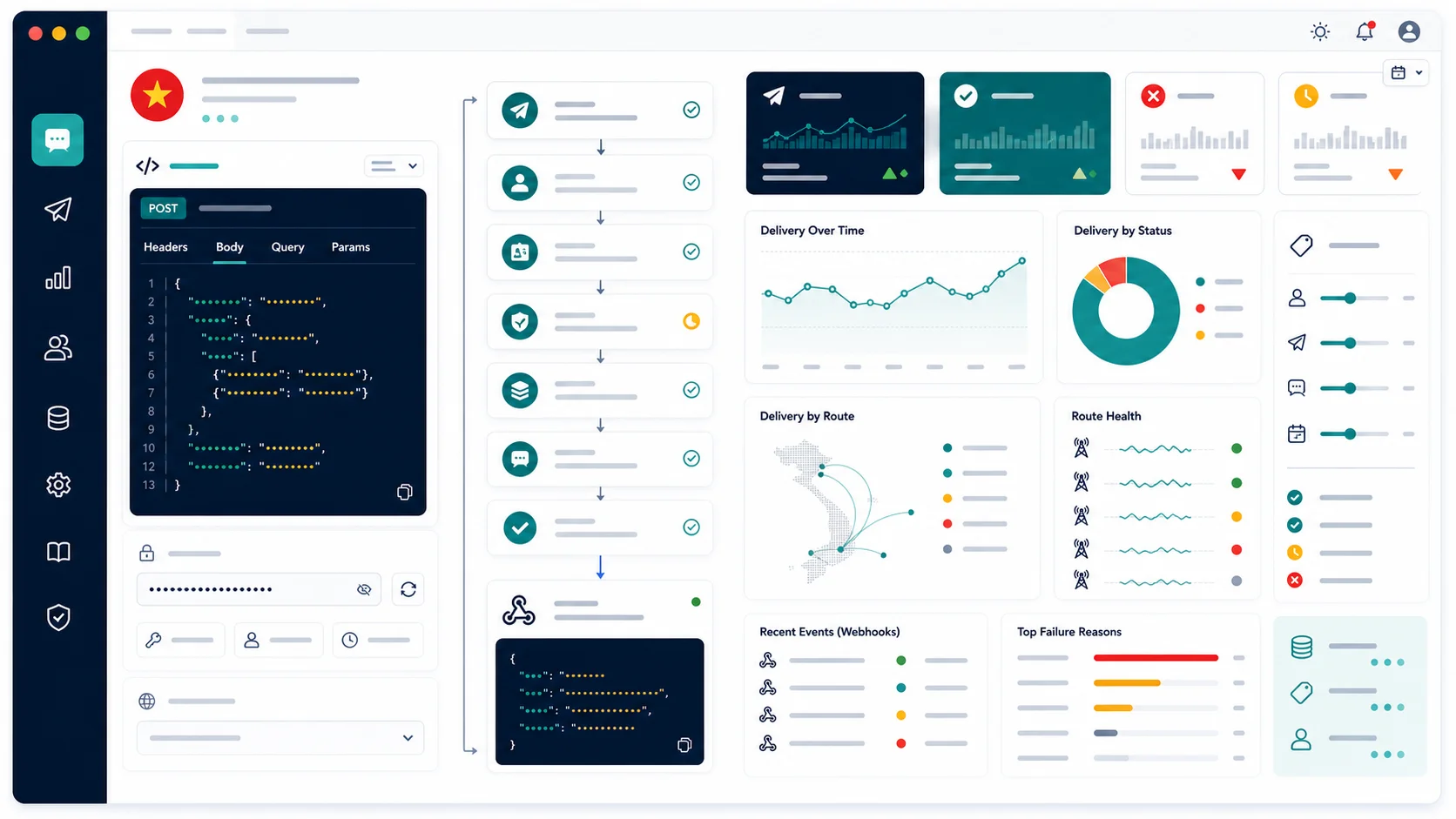
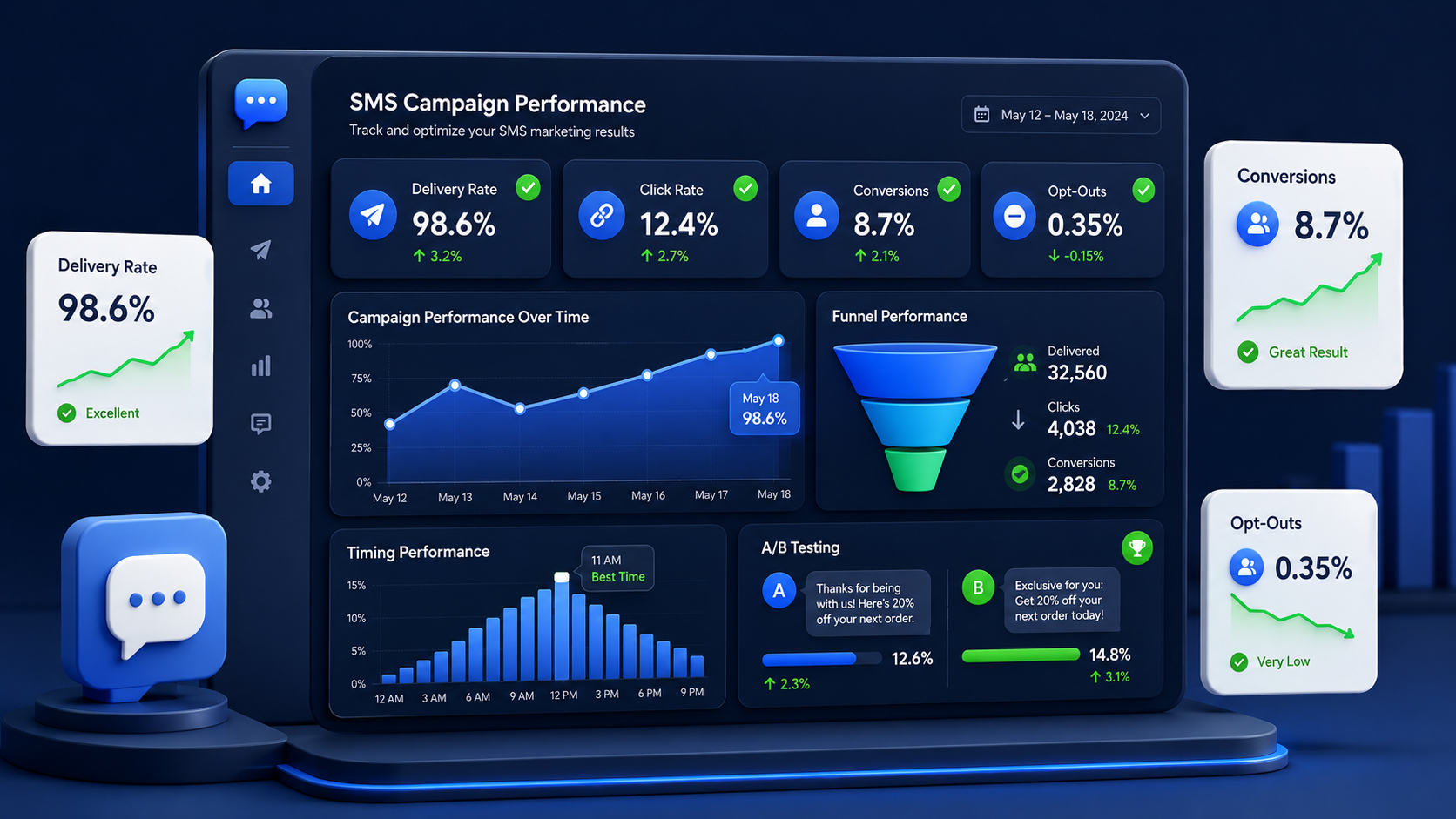
A Vietnam SMS API should support international number formatting, batch sending, Unicode content, delivery reports, and webhook callbacks. For OTP flows, the API should return a message ID that your system can store against the user action.
Use an SMS API for login codes, payment confirmation, order updates, wallet alerts, and CRM automation. Use a dashboard when a Vietnamese marketing team needs contact uploads, segmentation, scheduling, and campaign reports.
Here is a basic cURL example for sending an SMS to a Vietnamese number. Replace the endpoint, credentials, sender ID, and message content with your provider’s values.
curl -X POST “https://api.smsprovider.com/send” \
-H “Content-Type: application/json” \
-d ‘{
“account”: “your_account”,
“password”: “your_password_or_md5_hash”,
“numbers”: “84901234567”,
“content”: “Your verification code is 123456.”,
“sender”: “YOURBRAND”,
“smstype”: 0
}’
Use the international format 84 followed by the mobile number without the leading zero. For example, send to 84901234567 instead of 0901234567. Test Vietnamese templates with accents before launch so message length and display are correct.
If your team also sends messages beyond Vietnam, compare route coverage, sender ID rules, and API requirements in our international SMS API coverage guide.
Delivery Quality and Common Failures
Delivery quality in Vietnam depends on brand name approval, route quality, operator coverage, template category, number formatting, and language encoding. A provider that performs well on Viettel may still need tuning for VinaPhone, MobiFone, or Vietnamobile.
Watch for these common issues:
- Unregistered Brandname: Messages with an unapproved or mismatched Brandname may be filtered, delayed, or displayed differently.
- Wrong Number Format: Domestic 09x, 08x, 07x, 05x, and 03x numbers should be converted to international 84 format.
- Template Mismatch: OTP messages that include promotional wording may be treated as advertising traffic.
- Vietnamese Unicode Splitting: Messages with Vietnamese diacritics can split into more SMS parts than planned, changing cost and report counts.
- Peak Campaign Load: Tet, 9.9, 10.10, 11.11, 12.12, payday periods, and large marketplace campaigns can increase SMS traffic.
If Vietnamese delivery rates drop, review delivery failure logs by operator, Brandname, route, number format, template category, and language. A small test batch across Viettel, VinaPhone, MobiFone, and Vietnamobile can save hours of guesswork.

Conclusion
A reliable SMS gateway in Vietnam starts with local setup: Brandname sender ID support, strong routes to Viettel, VinaPhone, MobiFone, and Vietnamobile, consent-based promotional lists, Vietnamese-language testing, and delivery reports you can act on.
Before choosing a provider, confirm Brandname requirements, test Vietnamese number formatting, check operator-level delivery, and compare pricing based on route quality rather than unsupported price claims. If you are evaluating Vietnam SMS delivery, start with a free trial or request a tailored quote based on your message type, brand name, and monthly volume.
FAQ
Do I need a Vietnamese company to send SMS in Vietnam?
No. International businesses can send SMS to Vietnam through a gateway provider, but brand registration may require business documents, brand authorization, and template details.
Do I need a Vietnamese company to send SMS in Vietnam?
For branded business messaging, yes, in practice. Brand-name registration improves trust and reduces filtering risk for OTP, transactional, and marketing messages.
Can I send Vietnamese-language SMS?
Yes. Vietnamese messages with diacritics may use Unicode, which allows 70 characters per SMS part. Test accented and unaccented versions before launch.
What number format should I use for Vietnam?
Use international format starting with 84, such as 84901234567. Do not send domestic numbers with the leading zero through the API.
How should I compare Vietnam SMS gateway pricing?
Compare route quality, Brandname setup, operator coverage, Unicode handling, message type, delivery reports, API limits, and monthly volume. Avoid comparing Vietnam quotes by the lowest per-SMS number alone.