An SMS gateway in the UAE connects your application or campaign dashboard to local mobile networks such as etisalat by e&, du, and Virgin Mobile. Businesses in Dubai, Abu Dhabi, Sharjah, Ajman, and Ras Al Khaimah use SMS for OTP codes, bank alerts, retail promotions, delivery updates, appointment reminders, and customer support messages.
This guide explains how UAE bulk SMS works, how sender ID approval affects delivery, how to compare pricing, and how to set up an SMS API for United Arab Emirates mobile numbers.
Quick answer: A reliable UAE SMS gateway needs approved sender IDs, strong routing to etisalat by e& and du, consent-based marketing lists, delivery reports, and Arabic-English template support. Pricing should be compared by route quality, sender ID setup, message type, operator coverage, Unicode length, and monthly volume rather than by the lowest advertised rate.

UAE Mobile Market and Regulatory Context
The UAE has one of the Gulf’s most active mobile and digital-commerce environments. Dubai and Abu Dhabi businesses use SMS for ecommerce campaigns, fintech authentication, hotel reminders, clinic appointments, logistics updates, and real-estate lead follow-up.
The two main UAE mobile networks are etisalat by e& and du. Virgin Mobile UAE operates as a digital mobile brand under du’s wider telecom environment, so route testing should still check how messages terminate across etisalat by e& and du. Do not assume a Dubai test result reflects Abu Dhabi or Northern Emirates delivery for every route.
The federal telecom regulator is the Telecommunications and Digital Government Regulatory Authority (TDRA). TDRA also provides an SMS Spam service for users, which is a useful reminder that UAE recipients can report unwanted messaging. For businesses, the operating standard is simple: use approved sender IDs, send only to appropriate recipients, and maintain opt-out controls for promotional SMS.
| UAE Route Area | Why It Matters for SMS |
|---|---|
| etisalat by e& | Core UAE network with national consumer and enterprise reach |
| du | Core UAE network with strong Dubai and enterprise presence |
| Virgin Mobile UAE | Digital mobile brand that should still be covered in test groups |
| Dubai / Abu Dhabi / Northern Emirates | Campaign audiences may cluster by city, employer, or free-zone community |
If you need to send across the UAE and other regions, our global SMS gateway coverage guide can help you compare country coverage, route quality, and sender ID requirements.
SMS Types You Can Send in the UAE
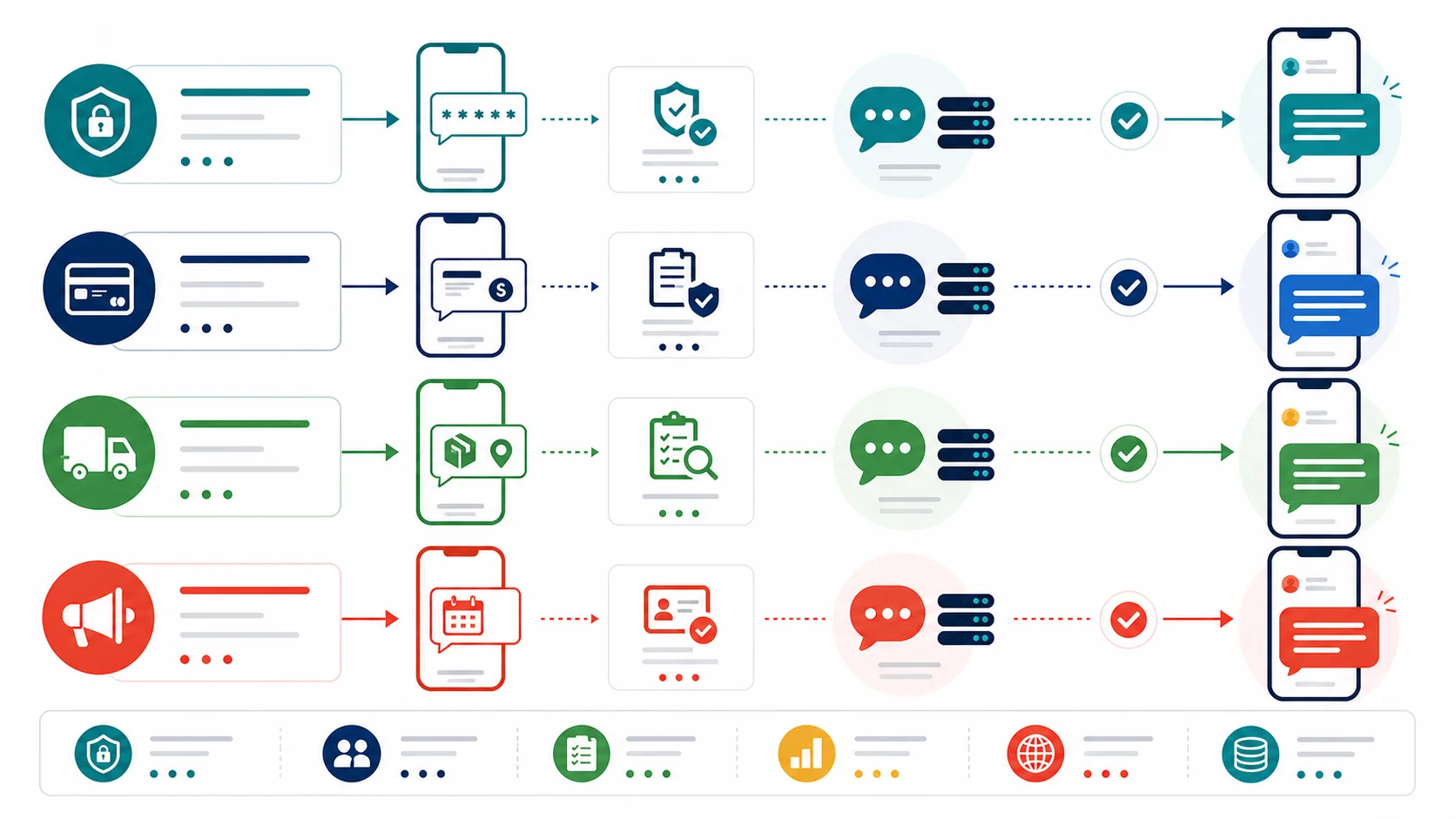
UAE businesses usually need at least three SMS streams. Keeping them separate helps with routing, compliance, reporting, and template approval.
OTP and Verification SMS: Banks, fintech apps, crypto platforms, ecommerce stores, and SaaS products send OTP SMS for login, payment approval, password reset, and account changes. These messages need priority routes and fast delivery receipts.
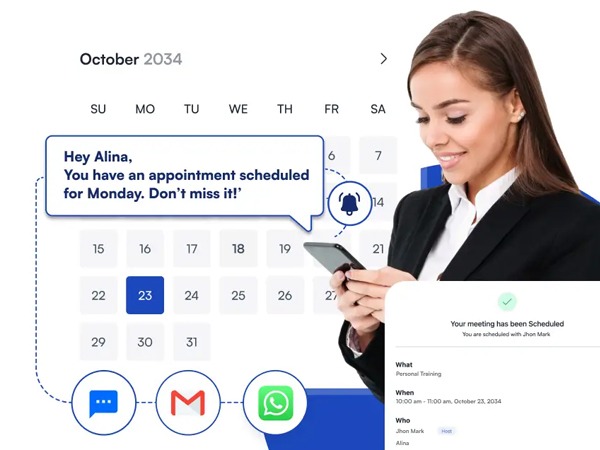
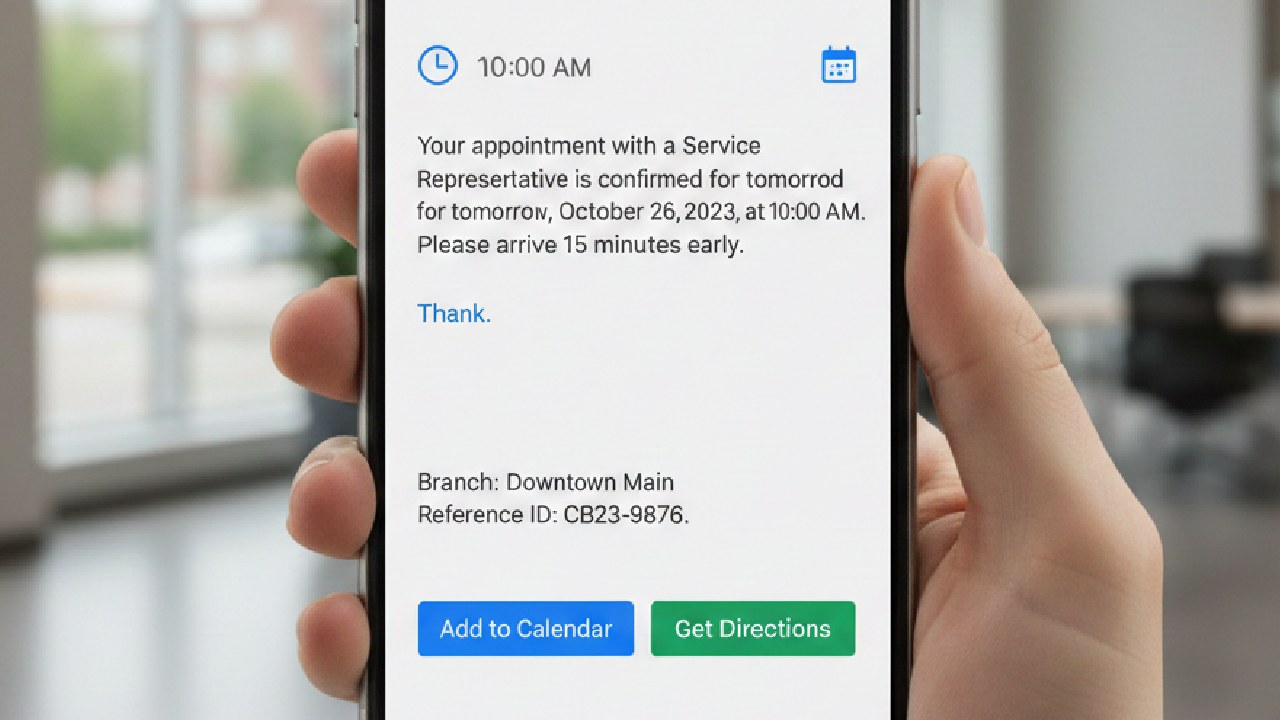
Transactional SMS: Hotels, airlines, clinics, schools, real-estate firms, and logistics teams send SMS notification messages for bookings, reminders, delivery status, payment notices, and service updates.
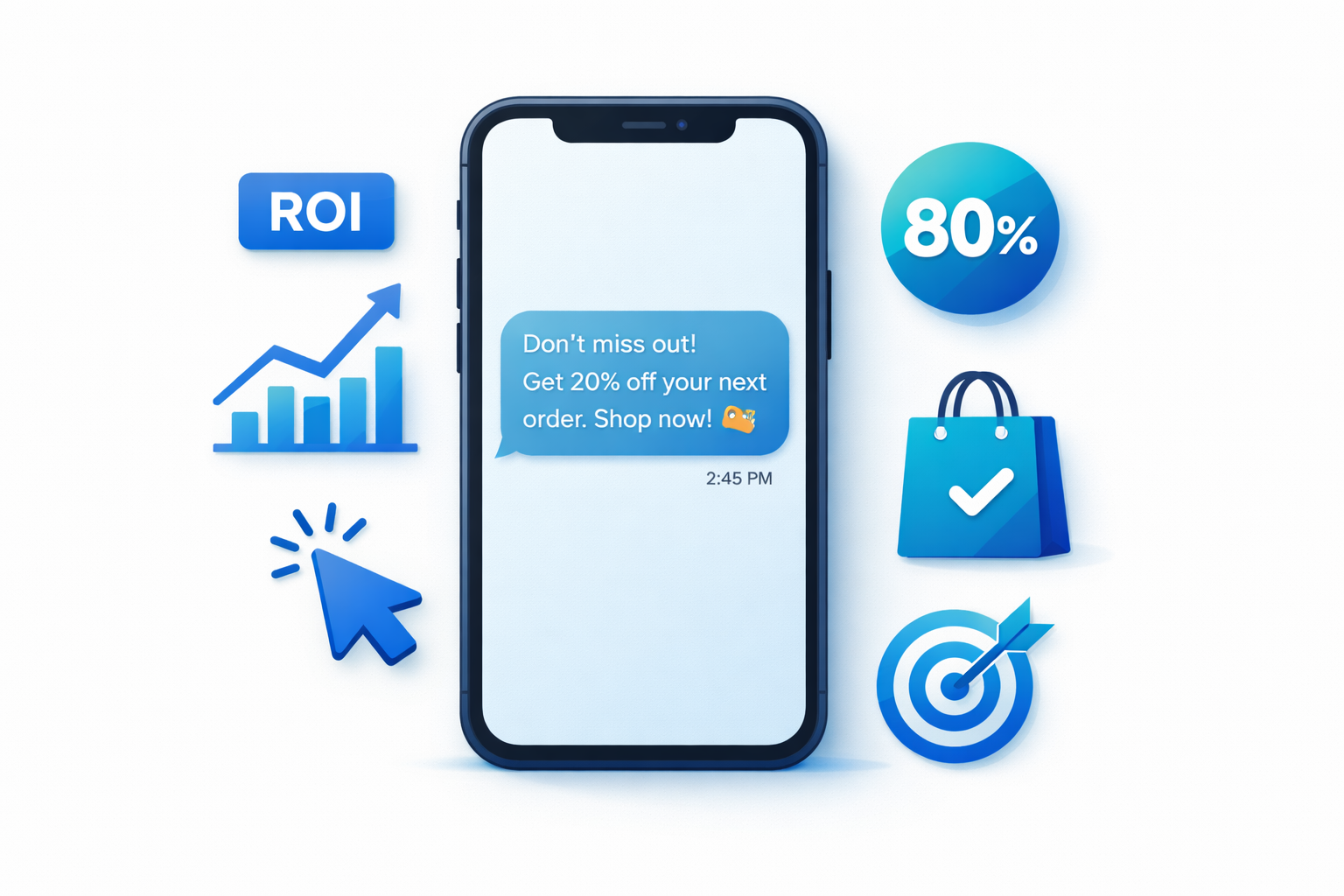
Marketing SMS: Retailers, malls, restaurants, salons, property brokers, and ecommerce brands use marketing SMS for offers, events, loyalty programs, and seasonal campaigns. UAE promotional traffic should use consent-based lists and a clear sender identity.
Two-Way SMS: Some UAE programs need replies for appointment confirmation, opt-ins, survey responses, or lead qualification. Two-way setup may require a dedicated number, short code, or extra approval depending on the provider.
Treat OTP and marketing as separate products, not two labels inside one campaign. A payment code with a discount line can look suspicious to UAE filters and customers.
Sender ID Approval in the UAE
Sender ID approval is a major part of UAE SMS setup. UAE recipients are used to seeing approved sender names from banks, airlines, government services, retailers, and delivery platforms. A generic sender name can reduce trust and increase filtering risk.
Alphanumeric Sender ID: Brand names such as YOURBRAND are common for OTP, alerts, and promotional messaging. The sender ID should match the trade name, trademark, or authorized brand.
Numeric Sender: Numeric IDs may be used in some cases, but they are weaker for brand trust and may not be ideal for high-value campaigns.
Short Code or Dedicated Number: High-volume two-way campaigns, opt-in flows, or customer reply programs may require a dedicated setup. Ask whether it works across etisalat by e& and du before building a campaign around replies.
A practical UAE sender ID flow usually looks like this:
- Prepare the UAE or international company documents, trade license where applicable, and brand authorization.
- Choose a sender ID that matches the business or product name exactly.
- Submit the sender ID request through your SMS gateway provider for operator review.
- Confirm whether approval covers etisalat by e&, du, and any Virgin Mobile test numbers.
- Test OTP, transactional, and marketing templates separately before launch.
Avoid sender IDs that resemble UAE government entities, banks, telecom operators, charities, or unrelated brands. UAE routes tend to be strict about impersonation risk, especially for finance, real estate, crypto, and public-service wording.
UAE Compliance Checks for Bulk SMS
UAE SMS compliance is built around sender identity, recipient consent, content quality, and complaint control. TDRA’s SMS Spam service makes it easy for users to report unwanted SMS, so complaint prevention should be part of the campaign plan.
Use this checklist before launching a UAE campaign:
- Consent Records: Keep proof that each UAE recipient opted in through a checkout form, account setting, lead form, loyalty program, booking flow, or written agreement.
- Opt-Out Handling: Maintain suppression lists and remove opted-out UAE numbers before every promotional send.
- Brand Clarity: Use a sender ID and first sentence that make the business identity clear, especially for real estate, finance, ecommerce, and healthcare.
- Content Review: Avoid misleading prize claims, fake urgency, unlicensed financial offers, gambling content, and wording that suggests government affiliation.
- Language Testing: Test English, Arabic, and bilingual messages because Arabic Unicode affects length, cost, and display.
This guide is not legal advice. For regulated UAE sectors such as financial services, healthcare, real estate, insurance, lending, crypto, and donations, confirm requirements with counsel, TDRA-related guidance, and your messaging provider.
UAE SMS Pricing Factors
UAE SMS pricing depends on route quality, sender ID approval, message type, destination network, encoding, and monthly volume.
Route Quality: Direct or high-quality A2P routes generally cost more than low-grade routes, but they reduce delivery delays and improve reporting. For UAE OTP, banking, and payment traffic, route quality should sit above price in the decision.
Sender ID Setup: UAE sender ID setup may involve document collection, operator review, template checks, and possible renewal. Ask whether these costs are included in the quote.
Operator Destination: Confirm whether etisalat by e& and du are priced the same and whether delivery reports show operator-level failures. This matters when a campaign audience is concentrated in Dubai, Abu Dhabi, or specific free zones.
Encoding and Language: English messages usually fit GSM-7. Arabic and some bilingual templates use Unicode, which limits each SMS part to 70 characters and can increase total message parts.
Volume Commitments: Large UAE senders can negotiate better rates, but compare quotes only after you know sender ID requirements, route class, support coverage, delivery reports, and API limits.
Ask for a UAE quote that separates OTP, marketing, transactional messages, sender ID setup, API access, delivery report support, and any monthly minimums.
SMS API Setup for UAE Numbers
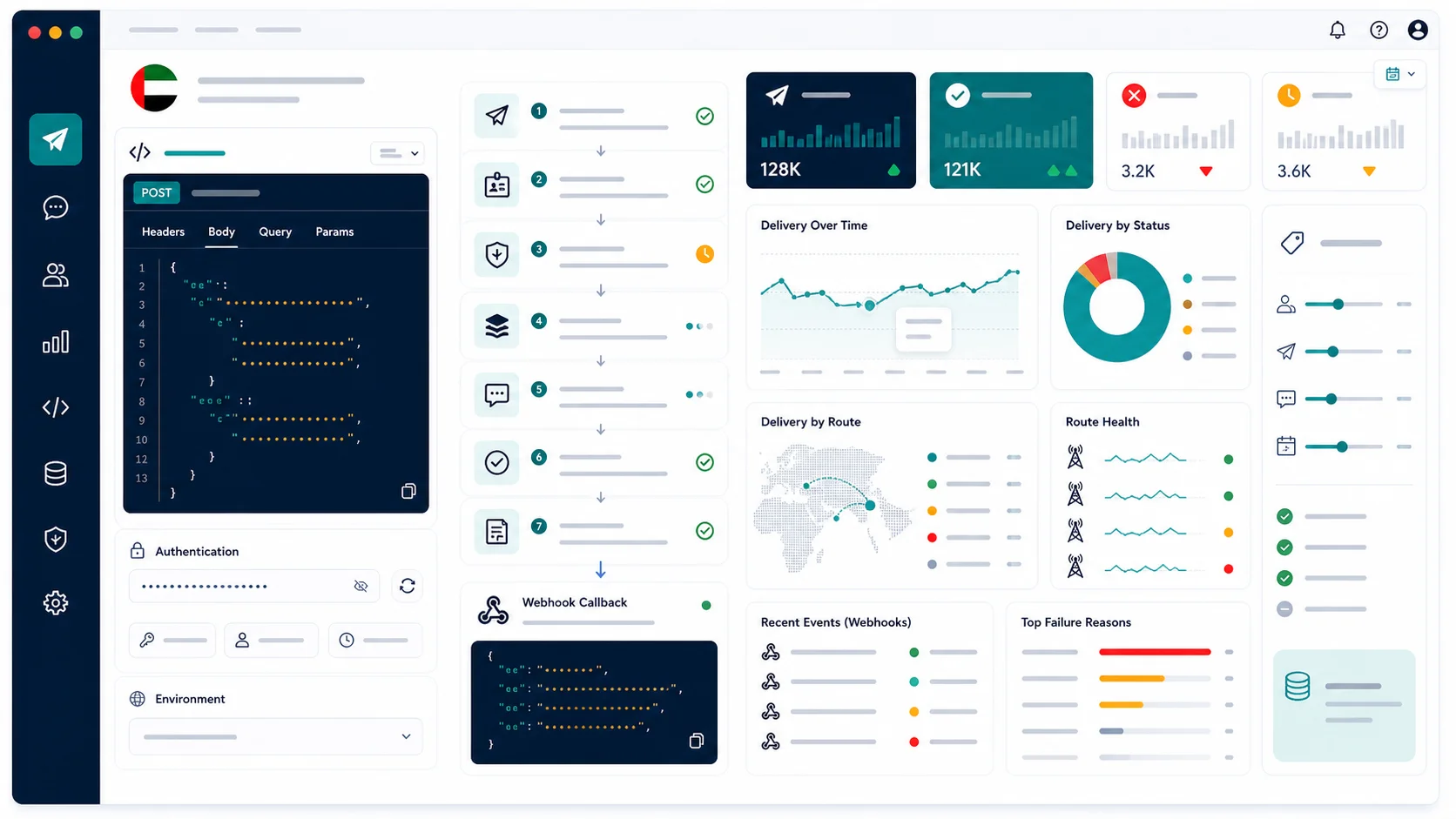
A UAE SMS API should support one-to-one sending, batch sending, delivery reports, and webhook callbacks. For enterprise teams in Dubai or Abu Dhabi, API reliability is often more important than dashboard features because OTP, booking, and payment flows depend on real-time messaging.
Use an SMS API for OTP codes, booking confirmations, payment notices, delivery updates, and CRM automation. Use a dashboard for marketing uploads, segmentation, scheduling, and performance reporting.
Here is a basic cURL example for a UAE destination number. Replace the endpoint, credentials, sender ID, and content with your provider’s values.
curl -X POST “https://api.smsprovider.com/send” \
-H “Content-Type: application/json” \
-d ‘{
“account”: “your_account”,
“password”: “your_password_or_md5_hash”,
“numbers”: “971501234567”,
“content”: “Your verification code is 123456.”,
“sender”: “YOURBRAND”,
“smstype”: 0
}’
Use the international format 971 followed by the mobile number without the leading zero. For example, send to 971501234567 instead of 0501234567. Test etisalat by e&, du, and Virgin Mobile numbers before moving UAE production traffic.
Delivery Quality and Common Failures
Delivery quality in the UAE depends on sender ID approval, route quality, operator coverage, content category, and number formatting. A route can perform well for English retail messages but behave differently for Arabic OTP or real-estate campaigns.
Watch for these common issues:
- Unapproved Sender ID: UAE messages with unapproved or mismatched sender IDs may be filtered, replaced, or delayed.
- Wrong Number Format: Domestic UAE numbers starting with 05 should be converted to 971 format before API submission.
- Arabic Unicode Length: Arabic and bilingual templates split sooner than English GSM-7 messages, which affects cost and report counts.
- High-Complaint Campaigns: Real-estate, finance, crypto, and prize-style promotions can draw complaints if consent and sender identity are weak.
- Link and Template Risk: Shortened URLs, aggressive urgency, and mismatched templates can increase filtering on UAE routes.
When UAE delivery drops, review delivery failure logs by operator, sender ID, route, template, language, and number format. A staged test across etisalat by e& and du is better than guessing from one campaign report.

Conclusion
A reliable SMS gateway in the UAE starts with approved sender IDs, clean opt-in records, strong routing to etisalat by e& and du, and clear reporting. This matters for every Dubai or Abu Dhabi use case, from OTP and payments to retail promotions and delivery alerts.
Before choosing a provider, test UAE number formatting, run operator-level delivery checks, review sender ID requirements, and compare quote details beyond the per-SMS rate. If you are evaluating UAE SMS delivery, start with a free trial or request a tailored quote based on your sender ID, route, and volume needs.
FAQ
Do I need a UAE company to send bulk SMS in the UAE?
No. International businesses can send UAE SMS through a gateway provider, but sender ID approval may require company documents, brand authorization, and use-case information.
Is sender ID approval required for UAE SMS?
For branded business messaging, yes in practice. Approved sender IDs improve trust and reduce filtering risk on etisalat by e& and du routes.
Can I send Arabic SMS in the UAE?
Yes. Arabic uses Unicode, which allows 70 characters per SMS part. Test Arabic and bilingual templates before launch because message length affects cost and reporting.
What number format should I use for UAE SMS?
Use international format starting with 971, such as 971501234567. Do not send domestic 05 numbers directly through the API.
How should I compare UAE SMS gateway pricing?
Compare route quality, sender ID setup, operator coverage, delivery reports, Arabic encoding, API limits, monthly minimums, and support response time.