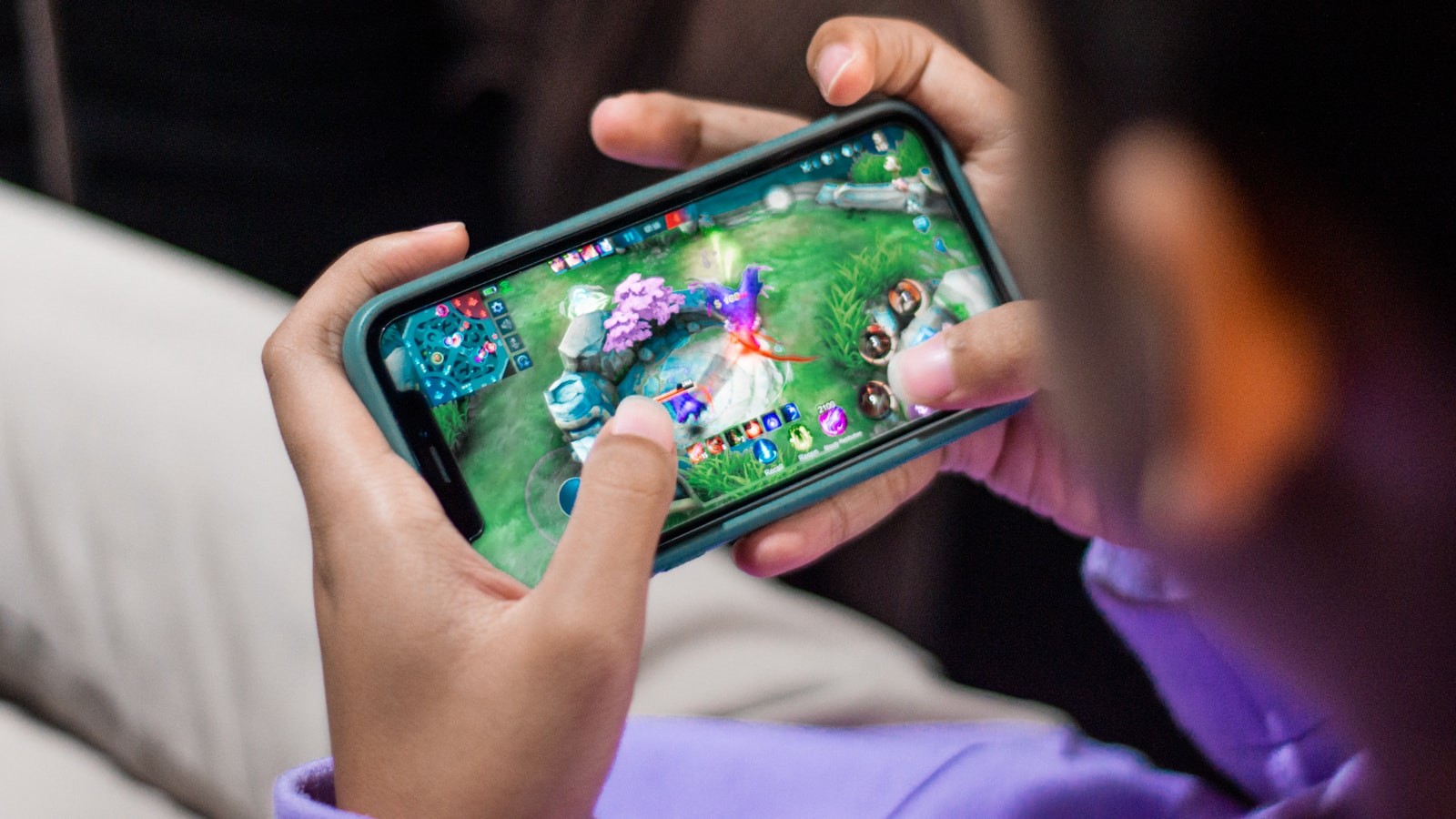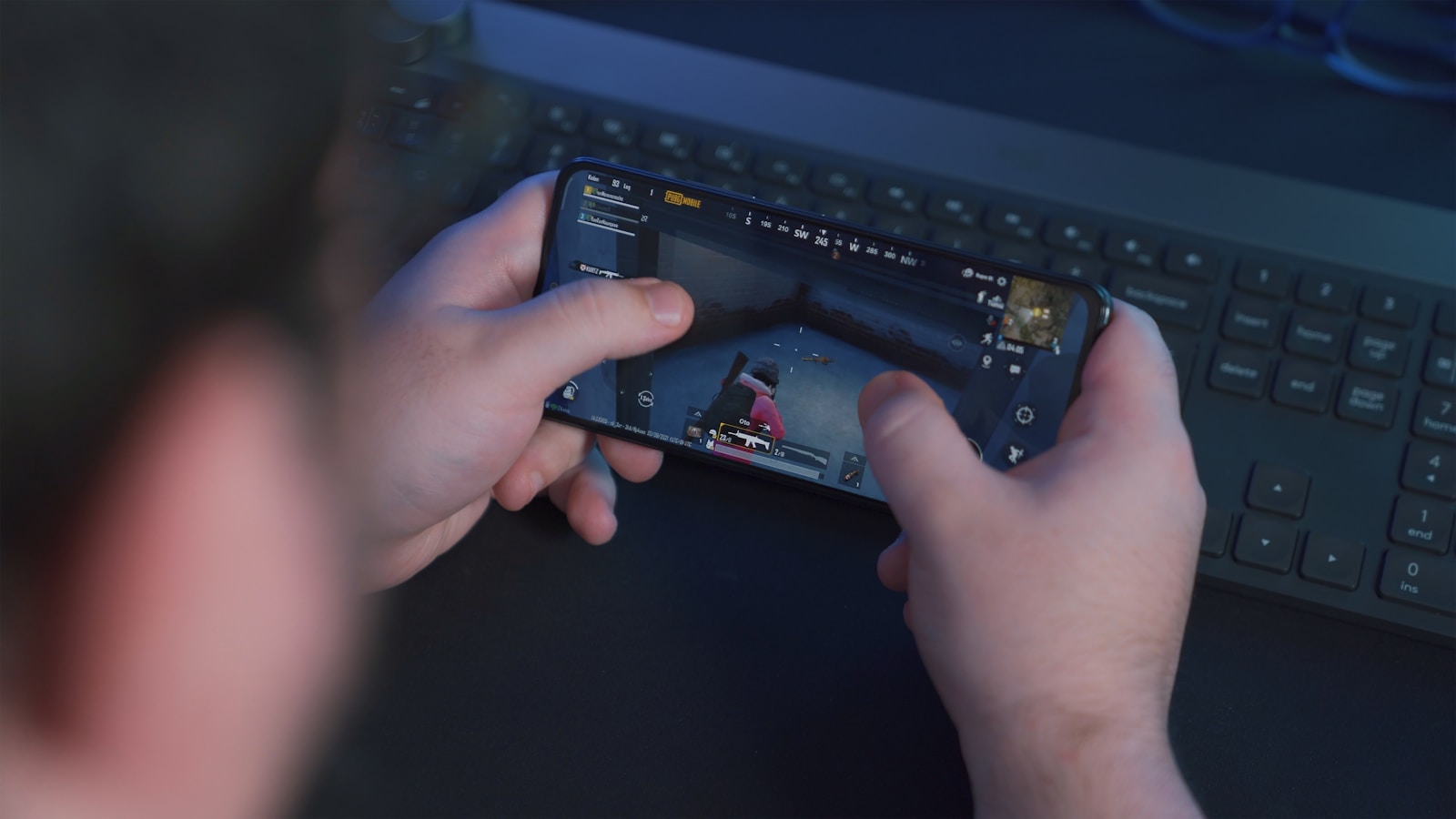


SMS alerts for gaming are useful when a player needs a timely, non-promotional update with a clear reason to pay attention. A game event start, server maintenance notice, or important account reminder may justify a direct message when waiting for an in-product visit would make the information less useful. The decision is not whether SMS is universally better; it is whether this message has enough urgency, relevance, and channel fit to interrupt the player.
This article focuses on operational and time-sensitive notifications. It separates alerts from promotional campaigns, rewards, and complete OTP flows, even when those topics share a calendar or delivery infrastructure. The planning path runs from message purpose to event and server updates, player experience, channel choice, regional operations, and a practical review checklist.
What SMS Alerts for Gaming Should Communicate
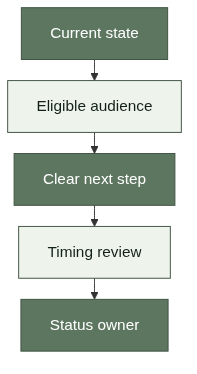
SMS alerts for gaming should communicate one current fact and one useful next step. The player should be able to identify what changed, why it matters now, and where to get fuller context if the message cannot explain everything. A notification that contains several unrelated actions may be technically short but operationally unclear.
Start with the trigger, not the copy. A team should record the event or system state that creates the alert, the eligible audience, the information owner, and the moment after which the message loses value. This helps distinguish an operational alert from a campaign scheduled because an audience is available. A promotion can mention an event, but an alert exists to communicate a time-sensitive state or update rather than persuade someone to buy, return, or claim a reward.
Channel fit is the next decision. SMS can be a direct prompt, but it cannot replace an in-product status page, detailed support explanation, or a rich event guide. General A2P SMS documentation describes use-case categories, sender identity, interaction patterns, and delivery-filter context [1]. Those mechanisms help a team plan the channel, but they do not prove that every alert will arrive in time or that a player will act on it.
Keep verification flows outside this article. An account reminder can tell a player that an account action needs attention, but it should not become a complete code or identity workflow here. For broader context on sending, routing, tracking, and reply handling, teams can review the configured SMS platform overview. The goal is a clear notification system with ownership and fallback, not a generic SMS definition or an all-purpose messaging promise.
Game Event Starts and Time-Sensitive Player Updates
For SMS alerts for gaming, game event starts and time-sensitive player updates deserve an alert when the player can do something useful with the information. The message should name the event context, identify the intended audience, and point to the game or product surface where details are available. It should not promise participation, availability, or a player outcome that the team cannot establish.
An event reminder is most appropriate when timing changes the player’s opportunity to respond. A start notice may be relevant to an eligible player who has opted into the appropriate communication, while a broad announcement may belong in an in-product calendar or community channel. The same event can therefore produce different messages for different audiences. Eligibility should be reviewed before a send so players who cannot participate do not receive an irrelevant interruption.
Destination readiness matters as much as the alert text. If the event page, game mode, or status screen is unavailable when the SMS arrives, the player experiences the alert as a broken promise even if delivery succeeded. The event owner should confirm the destination, action path, and support handoff before approving the notification. Teams with limited tooling can use a manual readiness check; teams with more automation can connect event state, audience state, and suppression state.
Player updates should remain factual and bounded. A useful message can communicate that an event is starting, a previously stated condition has changed, or an in-product update is ready to review. It should not quietly become a promotion by adding reward language, scarcity pressure, or a sales objective. If the primary intent is persuasion, route it to a campaign brief and apply campaign rules instead.
Server and Maintenance Updates
Server teams should treat SMS alerts for gaming as operational messages only when they describe system availability or a change in access conditions. The player needs a concise status, an expected next step, and a place to find current information. A maintenance notice is valuable before or during a known interruption; an old notice sent after service has resumed can create unnecessary concern.
The source of truth must be named internally before a message is scheduled. Someone should own the status decision, the wording, the audience, and the instruction to suppress or replace the alert when conditions change. A scheduled message should never outrank a newer status update. If the team cannot reliably cancel stale notifications, it should reduce the audience or use a channel where the current state can be updated more easily.
Server alerts also need a clear boundary between known status and uncertain diagnosis. It is reasonable to say that maintenance is planned or that access is temporarily affected when the responsible team has established that condition. It is not reasonable to state an unconfirmed cause, restoration outcome, or universal impact as fact. The alert should guide the player to the current status surface rather than making a short SMS carry an evolving incident report.
A current operational update is different from a campaign message even when both use the same SMS API or sender identity. Campaigns ask a player to take a promotional action; server notifications explain a service condition. Combining them can make operational messages harder to recognize and can cause the player to treat important updates as marketing noise. The configured Notification SMS content is the appropriate internal path for related account and notification context.
Important Account Reminders Without Turning Them Into OTP Flows
In an SMS alerts for gaming workflow, important account reminders should explain an account condition or pending action without expanding into a complete OTP or verification flow. Examples may include a notice that account information needs attention, that a product-side setting has changed, or that the player should return to an authenticated product surface to review details. The message should avoid including unnecessary sensitive information.
Sender recognition is central to this type of reminder. The player should understand which service is speaking and why the message is plausible in the context of a recent account action. A reminder that arrives without a recognizable sender or destination can look suspicious, while an overly detailed message can expose information that belongs behind an authenticated screen.
Keep the next step narrow. The SMS might direct the player to open the product, view an account area, or contact a defined support path. It should not ask the player to disclose sensitive information by reply or imply that the reminder itself completes an account-security process. Account-specific verification is outside this article’s scope; the relevant planning question is how to notify the player clearly and route them to the correct product or support experience.
Permission and list governance still matter for account communication. The configured best-practices source covers sender identity, timing, permission, opt-out, and list-management considerations for messaging [4]. These general considerations do not replace the team’s own policy or compliance review, and they do not turn a configured sender into proof of a particular account outcome.
Why Timely SMS Delivery Shapes Player Experience
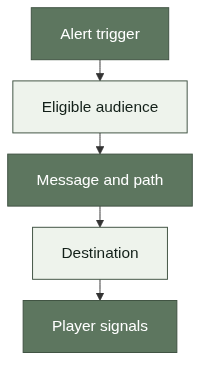
Timely SMS delivery shapes player experience because the value of an alert can decline while the message is traveling. An event start, maintenance state, or account reminder has a useful context that may change. A delivery record alone cannot tell the team whether the player saw the message in time, understood it, or completed the intended action.
Separate application state from player state. The application may create a notification, submit a send request, receive a delivery status, and record a product action as different events. General SMS documentation describes a path from an application through messaging and carrier infrastructure to a device, with delivery receipts providing a transport signal rather than proof of reading or response [2]. This distinction helps teams investigate delays without assigning an unsupported cause.
A notification plan should define what happens when timing is uncertain. The team might choose in-product status as the authoritative surface, send an SMS only for a narrow audience, or provide a support path for players who arrive after the useful moment. SMS alerts for gaming should be measured against the message’s purpose and internal baseline, not against a universal delivery promise. If the alert fails, inspect trigger state, sender identity, route, destination readiness, and player context in that order.
Delay, Delivery Status, and Player Expectations
A delayed alert needs a controlled response. First ask whether the trigger was created correctly, whether the send request left the application, and what delivery status was returned. Then inspect sender identity, route quality, filtering risk, regional conditions, and monitoring records. The configured SMS deliverability guidance provides relevant internal context for these questions without claiming that a particular alert was delivered.
Player expectations should match the available evidence. If a team cannot establish that a message arrived before an event changed, the interface should not imply that the player was informed in time. A follow-up can direct players to the current status surface or support path, but it should not repeat an obsolete update merely to fill a communication gap.
Repeat Notifications and Stale Updates
Repeat notifications need an ownership rule. The event or operations owner should decide whether a changed state replaces the earlier message, whether a correction is necessary, and when the original alert should be suppressed. Without that rule, the player may receive a sequence of messages that are individually accurate but collectively confusing.
Stale updates are especially risky for maintenance and availability notices. A scheduled alert should be cancelled when the underlying condition no longer applies, and a corrected alert should identify the current action rather than restating the old one. The team should track notification state separately from campaign frequency so an operational update is not treated as a promotional quota decision.
When SMS Is More Appropriate Than Other Channels
The choice of channel determines whether SMS alerts for gaming are more appropriate than other channels when the message needs direct attention, the audience is eligible, the content can stay concise, and the player has a clear next step. In-product notices provide richer context and are usually better for detailed state. Push can work when the player has enabled it and the device relationship is reliable. Email supports longer explanations, while community channels are useful for broad discussion rather than account-specific urgency.
The choice depends on the failure mode. If the player must understand a complex maintenance explanation, use SMS as a prompt to a current status surface instead of forcing the full explanation into a text. If the player is already in the product, an in-product banner may be more immediate and contextual. If a player needs a direct operational reminder and the product surface may not be open, SMS may be a reasonable additional path, subject to sender, timing, and delivery conditions.
Do not use SMS simply because it is available. The message needs a legitimate reason to interrupt the player and a way to resolve confusion if the alert arrives late. A channel comparison should record urgency, reach, context, interaction, fallback, and ownership. That creates a decision trail and helps teams reduce duplicate notices across push, email, in-product, and SMS.
Promotional campaigns and rewards remain separate from alerts even when both mention a game event. A campaign tries to influence a choice; an alert communicates a current or imminent condition. If the copy contains an offer, reward, or persuasion objective, route it to campaign planning rather than labelling it an operational notification. This boundary also avoids expanding the article into a generic campaign guide.
Regional and Operational Planning for Gaming SMS Alerts
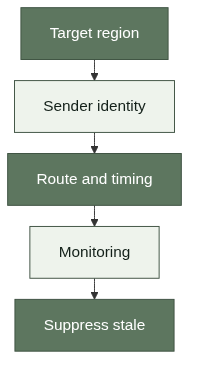
Regional planning should account for sender identity, route selection, timing, filtering risk, and interaction needs. Sender ID, long code, short code, and one-way or two-way capability can differ by destination [3]. A gaming team should document the intended configuration for each relevant region instead of assuming that one sender setup behaves identically everywhere.
Permission and opt-out boundaries should be stated before the alert workflow is activated. Account or operational communication may have different handling from promotional messaging, but the team still needs sender recognition, appropriate audience governance, and a support path for preference questions. The general best-practices source supports these planning questions, not a universal regional rule.
Routing quality and monitoring are operational inputs. The configured SMS routing guidance provides context for route quality, delay, filtering risk, and delivery conditions. Teams should record what was configured, which status was observed, and what fallback was used. They should not claim live verification, guaranteed reach, or a specific player response.
Regional timing can also change the usefulness of an alert. A maintenance notice sent at an unsuitable local hour may still be technically delivered but may not help the player make a timely decision. Where local context is incomplete, narrow the audience, choose a richer or less interruptive channel, or hold the alert until the missing condition is resolved.
A Practical SMS Alert Planning Checklist for Gaming Teams
Before approving an alert, review these questions in order:
- Trigger: What current event or system state creates the notification?
- Urgency: What loses value if the player receives it late?
- Audience: Which players are eligible, affected, or intentionally excluded?
- Message status: Is the information current, owned, and ready to replace or cancel?
- Destination: Where does the player find details, complete the action, or request support?
- Channel choice: Why is SMS more suitable than in-product, push, email, community, or support alone?
- Timing: Is the delivery window appropriate for the relevant player context and region?
- Fallback: What should happen if delivery is delayed, the player is offline, or the state changes?
- Monitoring: Which application, delivery, and player signals will be reviewed separately?
- Ownership: Who updates the source of truth and suppresses stale or duplicate alerts?
Start with the trigger, audience, destination, and ownership because those decisions prevent most ambiguity. Add route monitoring, webhooks, reporting, and templates as the workflow matures. SMSBoosting’s configured capabilities include SMS API integration, transactional messaging, sender identity, routing, webhooks, reporting, and message templates, but this article does not claim a specific gaming result or real-time guarantee.
For the next step, teams can review the configured Notification SMS content or discuss a business messaging consultation. The invitation is to evaluate the notification workflow, channel fit, and regional delivery questions, not to treat the article as a campaign or OTP guide.
FAQ
References
Twilio SMS Foundations: general A2P use-case categories, sender identity, one-way and two-way interaction, and filtering context. https://www.twilio.com/docs/messaging/onboarding/sms-foundations
AWS What is SMS?: general application-to-recipient delivery path and delivery-receipt context. https://docs.aws.amazon.com/sms-voice/latest/userguide/what-is-sms.html
AWS Phone Number Types: general regional sender ID, long code, short code, and one-way or two-way capability considerations. https://docs.aws.amazon.com/sms-voice/latest/userguide/phone-number-types.html
AWS SMS Best Practices: general sender identity, timing, permission, opt-out, list-governance, and delivery-planning considerations. https://docs.aws.amazon.com/sms-voice/latest/userguide/best-practices.html