
Many companies do not set out to send spam SMS. But legitimate SMS messages can still be filtered, blocked, delayed, or marked as suspicious when carriers, SMS platforms, phone systems, or anti-fraud systems detect certain risk signals.
That is why spam filtering is not only a content issue. A message can look risky because of weak consent, unclear sender identity, suspicious links, aggressive wording, abnormal sending patterns, user complaints, or route and market compliance issues.
For businesses, the goal is not to “beat” spam filters. The goal is to understand why messages may look suspicious, reduce preventable risk, and build a sending setup that supports better deliverability over time.
What Does It Mean When SMS Gets Flagged as Spam SMS?
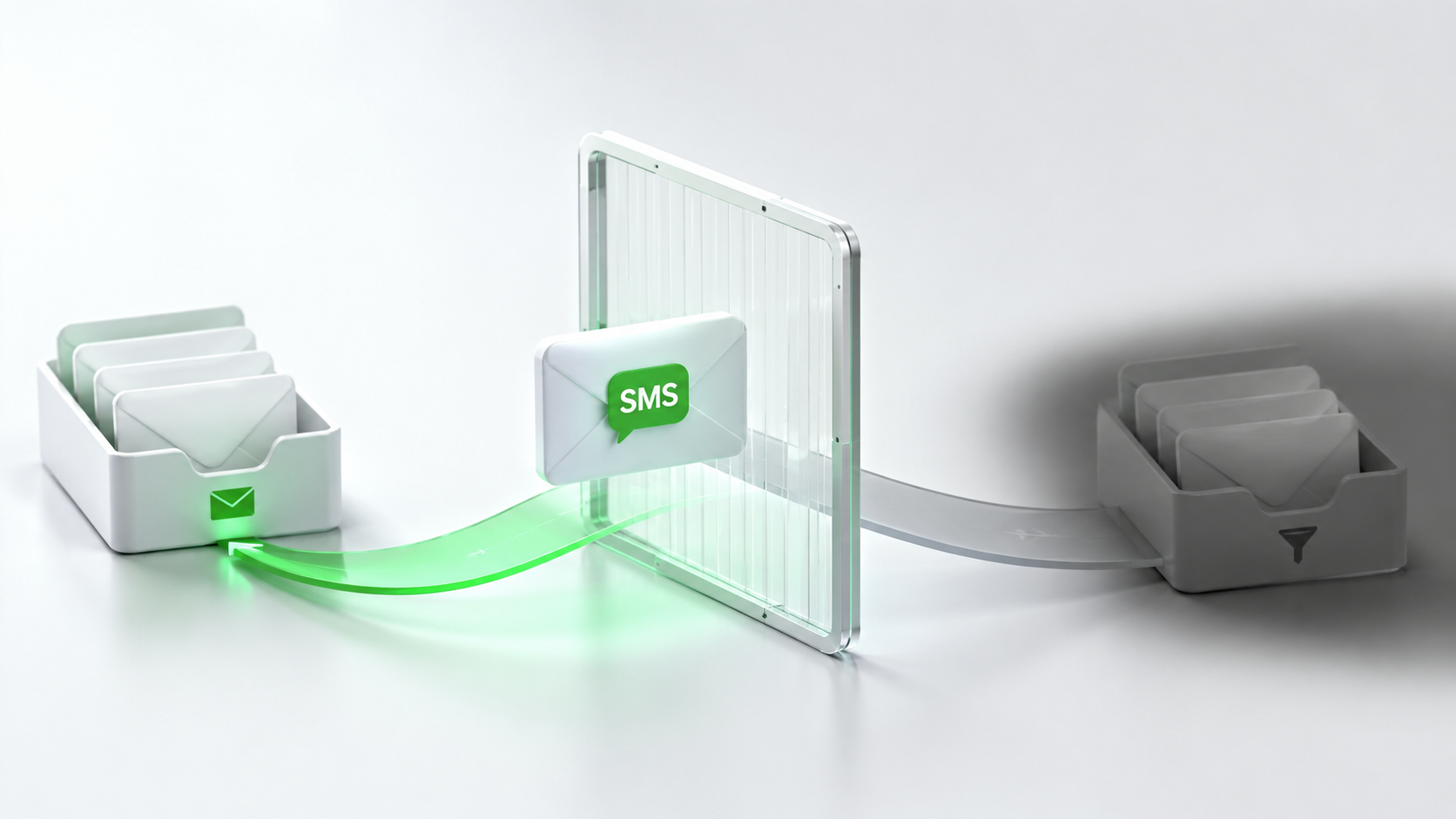
When SMS gets flagged as spam SMS, it means one or more systems have treated the message as unwanted, suspicious, risky, or potentially harmful. The message may still be technically sent, but it may not reach the user’s main inbox in the way the business expects.
This can happen in several ways. A message may be rejected before it leaves the sending platform. It may be filtered by a carrier or destination network. It may arrive on the device but be moved into a spam, unknown sender, or filtered message folder. In some cases, users may report or block the sender, which can affect future message performance.
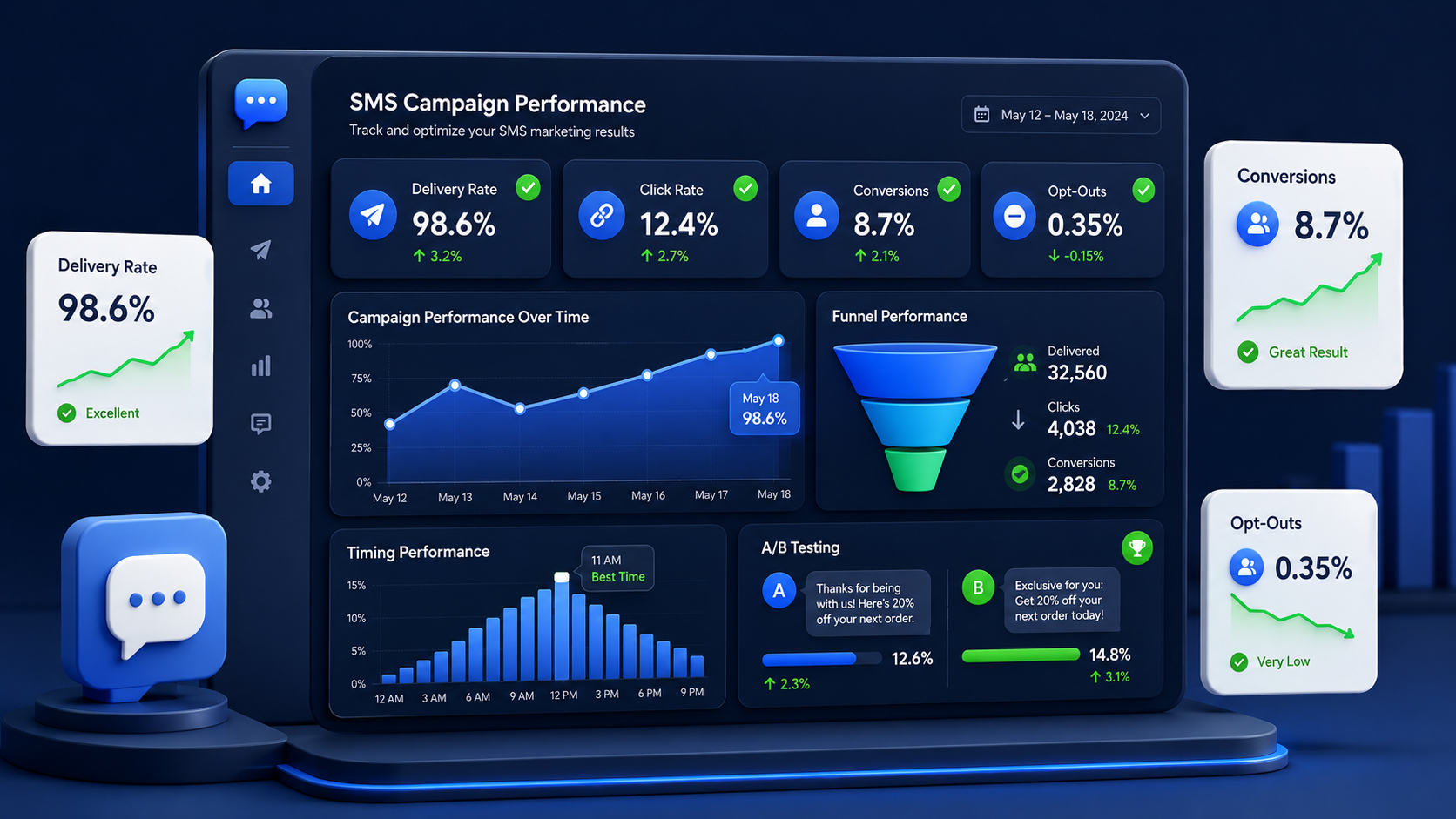
This distinction matters because “sent” is not the same as “seen.” A campaign report may show that messages were submitted or delivered, while users still say they never noticed them. For SMS teams, that gap is often where spam risk, filtering, routing quality, and user trust all overlap.
Why Legitimate SMS Messages Can Be Treated Like Spam
Legitimate SMS messages can be treated like spam when the message creates the same signals that spam, scam, or unwanted messages often create. Filtering systems do not always know the sender’s intent. They evaluate signals.
A business may have a real promotion, a real verification flow, or a real customer update. But if the sender name is unclear, the audience did not expect the message, the link looks suspicious, or the campaign volume suddenly spikes, the message can still appear risky.
This is especially important for A2P SMS, where businesses send messages from applications, platforms, or automated systems. A2P traffic is evaluated not only as individual messages, but also as patterns: who sends, how often, to which market, through which route, with what content, and how users respond.
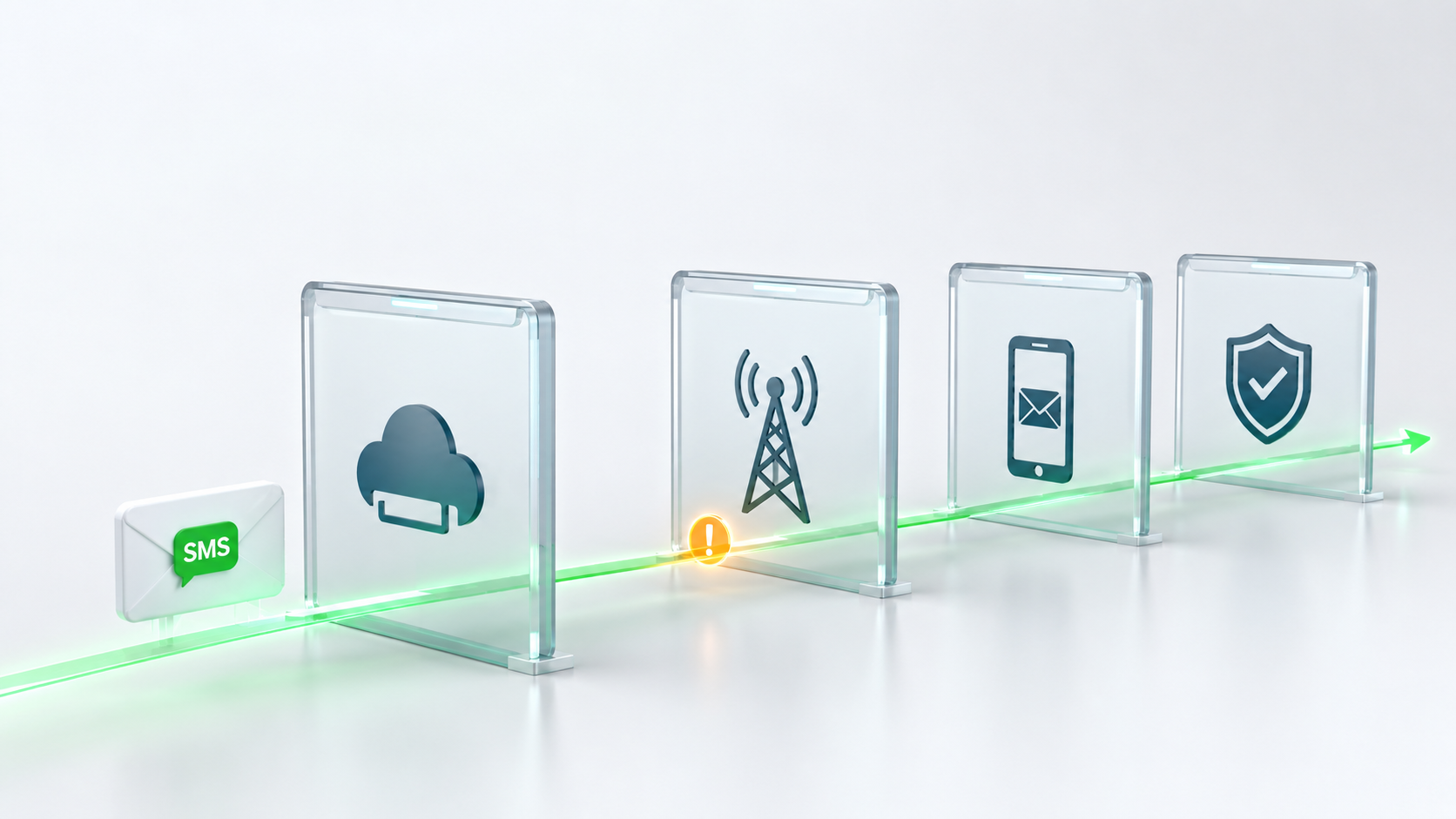
A useful way to think about spam SMS risk is to separate four layers: the SMS platform, the carrier or destination network, the phone operating system or messaging app, and anti-fraud systems. Each layer may see different signals.
Who Can Flag, Filter, or Block SMS Messages?
Several different layers can affect whether a business SMS is accepted, filtered, delayed, or displayed normally. The same message may pass one layer and still face friction at another.
SMS Platforms
SMS platforms may filter or reject messages before they are handed off to downstream networks. This can happen when the platform detects content that violates policy, abnormal sending behavior, sender setup problems, or obvious abuse patterns.
For example, a platform may review whether the sender is properly configured, whether the campaign type matches the traffic being sent, and whether the content appears to include prohibited or high-risk material. These checks are not the same across every provider, but the goal is similar: reduce unwanted, abusive, or non-compliant messaging before it reaches the network.
Businesses should not treat this layer as an obstacle. It is often the first quality control point in the sending chain. If messages are being stopped at the platform level, the issue may be related to account setup, campaign registration, sender identity, content policy, or traffic behavior.
Carriers and Destination Networks
Carriers and destination networks may filter SMS based on sender reputation, traffic pattern, route quality, user complaints, destination market rules, and message characteristics. Their role is different from the sending platform because they see traffic at the network level.
This is where regional variation becomes important. A sending pattern that performs normally in one market may create more friction in another. Some markets have stricter sender registration requirements, different rules for promotional traffic, or stronger controls around financial, political, healthcare, or other sensitive content.
Carrier filtering can also be affected by sudden changes. If a sender that usually sends low-volume transactional updates suddenly sends a large promotional blast, that traffic pattern may look unusual. If a route has poor quality or inconsistent handling, the same message content may perform differently across destinations.
Phone Operating Systems and Messaging Apps
Phone operating systems and messaging apps can affect whether users see a message in the main inbox. Some devices and messaging apps include filtering, spam protection, unknown sender screening, or user reporting features.
This means a message may pass through the network but still be separated from normal conversations on the user’s device. From the business side, this can be confusing because the message may not appear “failed” in the same way a rejected message does. The user simply may not see it, may see it later, or may find it in a filtered folder.
This layer is especially relevant when messages come from unfamiliar senders, include risky-looking links, or generate user reports. Businesses should therefore think beyond basic delivery status and consider the full user experience: sender recognition, message relevance, timing, and trust.
Anti-Fraud and Scam Detection Systems
Anti-fraud and scam detection systems focus on patterns commonly associated with phishing, impersonation, social engineering, and financial harm. These systems may treat certain signals as high-risk even when the business did not intend harm.
Messages that appear to impersonate a bank, delivery company, government service, marketplace, or account security team can create more scrutiny. So can messages that push users toward urgent action, payment, credential entry, or unknown links.
For legitimate businesses, the lesson is not to hide these signals. The safer approach is to make the sender identity clear, keep the message specific, use trusted domains, avoid manipulative urgency, and align the message with what the user actually signed up to receive.
7 Risk Signals That Make Your SMS Look Like Spam SMS
1. Weak or Missing Consent
Weak consent is one of the most important spam SMS risk signals because it affects user expectation. If users did not clearly agree to receive messages, or if the list source is unclear, the message is more likely to feel unwanted.
This risk can appear in several business situations. A team may import old contacts from a previous campaign. A partner list may not have clear opt-in records. A user may have agreed to receive order updates but not promotional messages. A customer may have opted out, but the opt-out request was not synced across systems.
The problem is not only regulatory. It is also behavioral. When users do not expect a message, they are more likely to ignore it, block it, report it, or unsubscribe. Those user actions can create negative signals for future sending.
Businesses should check where each audience came from, what type of messages the audience agreed to receive, how opt-outs are processed, and whether consent records are available. Consent should be treated as part of deliverability, not just as a legal checkbox. If the issue starts with list quality, this guide on permission-based ways to grow your SMS list is a useful companion read.
2. Unclear Sender Identity
Unclear sender identity makes SMS look suspicious because users need to know who is contacting them. If the sender name, number, brand name, and message content do not match, the message can feel untrusted.
This is common when brands use different sender IDs across markets, switch between long codes and short codes without explanation, or send messages from generic numbers with no clear brand reference. It can also happen when a landing page uses a different domain from the brand the user recognizes.
Sender identity is especially important for transactional and OTP messages. If a user receives a login code or account alert but does not recognize the sender, the message may look like a scam. Even if the content is legitimate, poor identity consistency can reduce trust.
A better setup makes the sender, brand, message purpose, and landing page feel connected. The user should be able to answer three questions quickly: Who is this from? Why am I receiving it? What action, if any, should I take?
3. Misleading or Over-Aggressive Content
Misleading content can make business SMS look like spam because it creates pressure without enough clarity. This includes vague offers, exaggerated claims, hidden conditions, fake urgency, and messages that push users to act before they understand the context.
Marketing teams often use urgency to improve response. That is not automatically a problem. The risk increases when the urgency feels manipulative or disconnected from the user’s relationship with the brand. A message that says an offer is ending soon should match a real campaign. A discount should be clear about eligibility. A security alert should be specific enough to be trusted.
Over-aggressive content can also increase user complaints. Even users who know the brand may report a message if it feels irrelevant, too frequent, or misleading. That makes content quality part of reputation management.
A practical review is to ask whether the message is accurate, specific, and expected. If the message relies on panic, confusion, or pressure to drive action, it is more likely to resemble spam SMS behavior.
4. Suspicious Links or Landing Pages
Links can increase SMS filtering risk because they connect the message to a destination outside the inbox. A short message with a risky-looking link may not give users or systems enough context to trust the destination.
Several link-related issues can create problems. The link may use a generic shortener. It may redirect through multiple domains. The destination may not match the sender’s brand. The page may ask for sensitive information without clear context. The domain may be new, unfamiliar, or inconsistent with previous campaigns.
This does not mean businesses should never include links. Many legitimate SMS campaigns depend on links for order tracking, payment reminders, appointment management, or promotions. The issue is whether the link looks trustworthy in context.
Before sending at scale, businesses should review the domain, redirect path, landing page content, brand consistency, and mobile experience. If the SMS says one thing and the landing page looks like another brand or another purpose, users may hesitate and systems may treat the message more cautiously.

5. Abnormal Sending Patterns
Abnormal sending patterns can make SMS look suspicious even when the message content is acceptable. Filtering does not only look at words. It can also consider how traffic behaves.
Examples of risky patterns include sudden volume spikes, repeated templates sent to large lists, unusual sending hours, high retry behavior, inconsistent sender usage, and traffic that does not match the normal campaign profile. A sender that usually sends account alerts may look different if it suddenly sends large promotional traffic.
This is where campaign planning affects deliverability. High-volume SMS should be managed with attention to pacing, destination market behavior, sender setup, and monitoring. Sending everything at once may be operationally simple, but it can create avoidable risk.
Teams should compare current sending behavior with historical patterns. If performance drops after a volume increase, new market launch, new sender setup, or routing change, the issue may not be the message text alone.
6. User Complaints and Spam Reports
User complaints are a strong signal because they come directly from recipients. If users block a sender, report messages as spam, or unsubscribe at a high rate, future messages may face more scrutiny.
Complaints can happen for many reasons. The message may be irrelevant. The user may not remember opting in. The sender may be unclear. The campaign may be too frequent. The content may feel misleading. Sometimes the message may be legitimate, but the timing or context is wrong.
This is why user response data should be part of SMS quality review. Delivery rate alone is not enough. Businesses should also watch opt-out rate, complaint patterns, market-level differences, campaign timing, and the relationship between content type and user reaction.
A low complaint environment is usually built before the message is sent. Clear consent, relevant segmentation, recognizable sender identity, and useful content all reduce the chance that users treat the message as unwanted.
7. Route, Sender, or Market Compliance Issues
Route quality, sender setup, and destination market rules can affect whether SMS is handled smoothly. Even strong content can perform poorly if the sending path is unstable or the sender configuration does not match local expectations.
This issue often appears in cross-border SMS. A campaign may perform well in one country but poorly in another. OTP messages may arrive quickly in some regions but face delays elsewhere. Promotional messages may require different sender registration, content controls, or opt-out handling depending on the destination.
Businesses should avoid assuming that one global setup will behave the same everywhere. SMS is local at the delivery layer, even when campaigns are managed globally.
This is where routing, monitoring, and market-specific review become important. If a team sees inconsistent delivery performance, sudden drops, or repeated issues in specific destinations, the sending setup should be reviewed alongside content and consent.
Why “Sent” Does Not Always Mean “Seen”
“Sent” does not always mean “seen” because SMS delivery involves multiple stages. A message may be submitted by the business, accepted by the SMS platform, passed to a carrier, delivered to a device, and then displayed in a main inbox, filtered folder, or notification view.
Each stage answers a different question. Submitted means the sending system attempted delivery. Delivered may mean the message reached a network or device, depending on reporting conditions. Seen means the user actually noticed and read it. These are related, but they are not the same.
For business teams, this matters because performance problems can be misdiagnosed. A campaign may look successful at the sending layer but underperform because users do not recognize the sender, messages arrive at poor times, links look suspicious, or device-level filtering reduces visibility.
A better review connects delivery data with user behavior. If clicks, conversions, OTP completion, or customer feedback drop while submitted volume stays stable, the issue may be downstream of basic sending. For a broader foundation, read this guide to SMS deliverability and how delivery-path conditions affect business outcomes.
How Businesses Can Reduce Spam SMS Risk
Businesses can reduce spam SMS risk by improving the signals that users, platforms, carriers, and filtering systems see before and after a message is sent.

Review Consent and Opt-Out Flows
The first step is to confirm that each audience has a clear permission basis for the message type being sent. Promotional, transactional, and verification messages do not always carry the same user expectation.
Teams should review opt-in sources, consent language, list imports, preference centers, and opt-out handling. If a user unsubscribes from marketing SMS, that preference should be respected across the relevant sending systems.
This review is especially important when teams use multiple tools. A CRM, e-commerce platform, marketing automation system, and SMS provider may not always sync preferences correctly unless the process is designed carefully.
Make Sender Identity Clear
A clear sender identity helps users recognize the message quickly. The sender, brand name, message purpose, and landing page should work together.
This can be simple. Use consistent brand wording. Avoid generic or confusing sender names where possible. Make the reason for the message clear in the first line. Use landing pages that match the brand and campaign.
For OTP and transactional messages, clarity is even more important because users are often acting quickly. If the message supports login, payment, delivery, or account security, the user should not have to guess who sent it.
Keep Message Content Accurate and Specific
Accurate content reduces spam risk because it lowers confusion and complaint pressure. The message should say what is happening, why the user is receiving it, and what action is expected.
For promotional SMS, this means clear offers, real deadlines, and visible conditions. For notifications, it means specific context. For OTP, it means short, clear instructions without extra promotional clutter.
A useful test is whether the message still makes sense without hype. If the value depends entirely on pressure, fear, or vague urgency, the message may need to be rewritten.
Check Links Before Large-Scale Sending
Links should be reviewed before high-volume campaigns. This includes the visible domain, redirects, landing page content, SSL status, brand consistency, and the type of information requested on the page.
The landing page should match the promise of the SMS. If the message is about order tracking, the page should clearly support that purpose. If the message is promotional, the offer should be easy to verify. If the message asks users to log in, the brand and security context should be unmistakable.
Teams should also avoid unnecessary redirects. Each extra jump can reduce trust and complicate troubleshooting.
Monitor Delivery Patterns and Complaints
Monitoring helps businesses detect risk before it becomes a larger deliverability issue. Teams should watch delivery performance, opt-outs, complaints, click behavior, market-level differences, and campaign-level changes over time.
The most useful view is comparative. Compare one destination market with another. Compare one sender with another. Compare promotional traffic with transactional traffic. Compare performance before and after a routing, content, or volume change.
This helps teams avoid blaming the wrong factor. A drop in performance may come from content, but it may also come from routing, sender configuration, consent quality, market rules, or user complaints.
Work With Reliable SMS Routing and Delivery Monitoring
Reliable routing and delivery monitoring are important because SMS performance depends on more than message copy. Route quality, destination network behavior, sender setup, and traffic monitoring can all affect outcomes.
For teams sending cross-border A2P SMS, this is especially important. A campaign may need different handling across markets. A sender may require market-specific setup. A sudden issue may need to be diagnosed by route, destination, traffic type, and time period.
SMSBoosting focuses on A2P SMS delivery, routing optimization, and delivery performance monitoring for businesses that send SMS at scale. If your team is reviewing why messages are filtered, delayed, or marked as spam SMS, a practical next step is to evaluate the sending setup, not only the message content.
When to Investigate Your SMS Sending Setup
You should investigate your SMS sending setup when message performance changes in a way that content alone does not explain. This is especially true when the issue appears suddenly, affects one market more than others, or impacts important transactional flows.
Common warning signs include:
- Delivery rate drops without a clear campaign change
- Users say they did not see messages that appear to be sent
- OTP or transactional messages are delayed
- One destination market performs worse than similar markets
- Opt-outs, complaints, or spam reports increase
- Messages with links perform worse than messages without links
- A new sender, route, or campaign type performs inconsistently
When these signs appear, review the full chain: consent, sender identity, message content, links, sending pattern, user feedback, route quality, and market requirements. Looking at only one factor can lead to the wrong fix.
FAQ
Is spam SMS the same as scam SMS?
No. Spam SMS usually refers to unwanted or unsolicited text messages. Scam SMS is a more harmful category that tries to deceive users, steal information, impersonate a trusted brand, or push fraudulent action. Some scam messages are spam, but not every spam message is a scam.
For businesses, the distinction matters because different systems may treat different risks differently. A promotional message with weak consent may be treated as unwanted. A message that imitates a bank login alert may be treated as a fraud risk.
Can legitimate business SMS be flagged as spam SMS?
Yes. Legitimate business SMS can be flagged as spam SMS when it triggers risk signals. Common causes include weak consent, unclear sender identity, suspicious links, aggressive content, abnormal traffic patterns, user complaints, or route and market compliance issues.
This does not always mean the business intended to send spam. It means the message or sending setup looked risky to one or more systems involved in delivery and display.
Why do some SMS messages get delivered but not seen by users?
Some SMS messages may be accepted by the network but still not appear in the user’s main attention flow. They may be filtered by the device, grouped under unknown senders, ignored because the sender is unfamiliar, or missed because the content does not feel relevant.
That is why businesses should not rely only on submitted or delivered status. User behavior, inbox visibility, sender recognition, and message relevance also affect campaign results.
Do links make SMS more likely to be filtered?
Links can increase risk when they look suspicious, use unfamiliar domains, redirect through multiple pages, or do not match the sender’s brand. A link is not automatically bad, but it needs to be trustworthy in context.
Businesses should use clear domains, align the landing page with the message, avoid unnecessary redirects, and make sure the destination page supports the user’s expected action.
How can businesses reduce spam SMS risk without hurting campaign performance?
Businesses can reduce spam SMS risk by improving message quality, not by making messages vague. Clear consent, recognizable sender identity, accurate content, trusted links, controlled sending patterns, and active monitoring all support better performance.
The goal is to send messages that users expect, recognize, and find useful. That usually improves both trust and campaign outcomes.
Conclusion
Your SMS messages can get flagged as spam SMS for more than one reason. Content matters, but it is only one part of the picture. Consent, sender identity, links, traffic patterns, user complaints, route quality, and destination market rules can all affect how messages are handled.
For legitimate businesses, the best response is not to search for shortcuts around filtering. It is to build a cleaner sending setup: better audience permission, clearer identity, more accurate content, safer links, smarter pacing, and stronger monitoring.
If your team is seeing filtered, delayed, or inconsistent SMS delivery across markets, SMSBoosting can help evaluate A2P SMS routing quality, delivery performance, and sending setup so you can identify where the risk may be coming from.
Need help diagnosing spam SMS risk?
If your business SMS messages are being filtered, delayed, or marked as suspicious, SMSBoosting can help review routing quality, sender setup, delivery monitoring, and market-specific risk signals before you scale traffic.
Talk to an SMS expert