
Learning how to get more SMS subscribers is not about collecting as many phone numbers as possible. It is about earning clear permission from people who actually want to receive useful, timely, and relevant text messages from your business.
That difference matters. A large SMS list built on weak consent, vague expectations, or one-time discount hunters can create more problems than value. A smaller list of people who understand what they signed up for is often more useful for long-term marketing, customer engagement, and retention.
For growth teams, ecommerce brands, SaaS companies, and customer lifecycle teams, SMS subscriber growth should be treated as a permission-based growth system. The goal is to make subscription easy, explain the value clearly, and support the list with a sending strategy that keeps people subscribed after they join.
What Counts as an SMS Subscriber?
An SMS subscriber is someone who has actively agreed to receive text messages from your business. A phone number in your customer database is not automatically an SMS subscriber.
That distinction is important for marketing teams. A customer may provide a phone number for delivery updates, account verification, support, or billing, but that does not always mean they have agreed to receive promotional SMS campaigns. The safer approach is to treat SMS marketing permission as something that needs to be clearly requested, recorded, and respected.
SMS Subscribers Are Not Just Phone Numbers
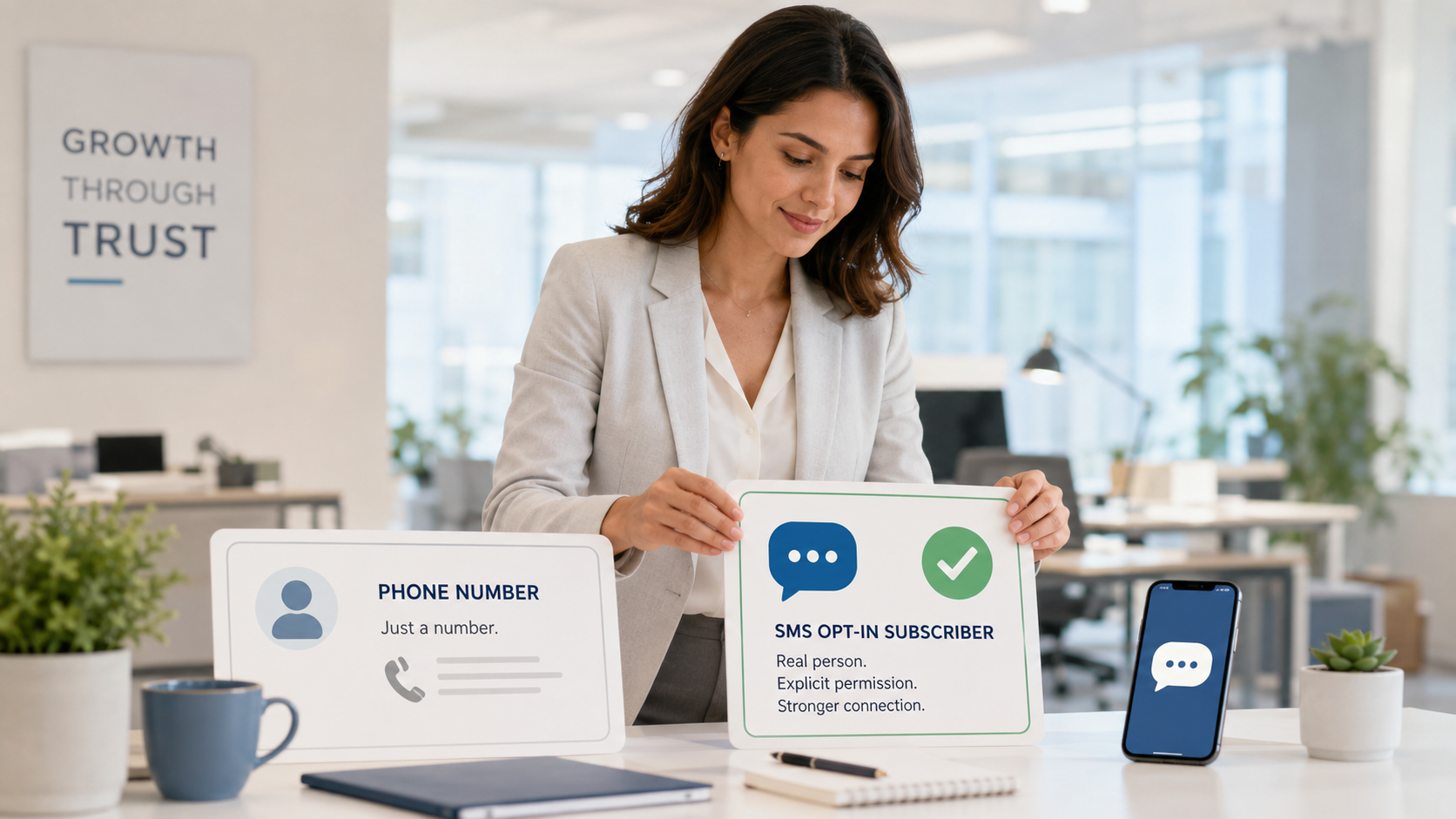
A phone number is contact information. An SMS subscriber is a permission-based audience member.
That means your SMS list should not be built from purchased databases, scraped numbers, or unclear customer records. It should be built through opt-in moments where the user understands what they are signing up for and why it may be useful.
This is also better for business performance. People who willingly subscribe are more likely to recognize your sender, understand your message context, and engage with future campaigns.
Permission Is the Foundation of SMS List Growth
Permission should sit at the center of every SMS growth tactic. In the U.S., the FCC has strengthened rules around consumers’ ability to revoke consent for robocalls and robotexts, including making clear that revocation can be made in any reasonable manner and must be honored within a defined timeframe.
Industry guidance also points in the same direction. CTIA’s messaging best practices emphasize documenting opt-in consent, including details such as when consent was captured, where it was captured, and what experience or language was used to secure it.
For a practical marketing team, the lesson is simple: make the opt-in clear, store the consent evidence, and make opt-out easy.
Why People Join an SMS List
People usually subscribe to SMS for one of four reasons: value, convenience, urgency, or trust.
They may want early access to a sale. They may want order updates. They may want back-in-stock alerts. They may want appointment reminders, loyalty rewards, or product drops. But they rarely join an SMS list just because a brand wants another channel to message them.
For a broader view of why SMS can work as a direct customer channel, see this guide to the benefits of SMS marketing.
A Clear Value Exchange Makes Opt-In Easier
A strong SMS signup offer answers one question immediately: “What do I get if I give you my phone number?”
That value does not always have to be a discount. It can be early access, faster updates, delivery alerts, VIP-only messages, event reminders, or personalized product availability. For SaaS and digital platforms, it may be account alerts, onboarding reminders, usage nudges, or important customer updates.
The value exchange should be specific. “Sign up for updates” is weak. “Get restock alerts and early access to limited drops by SMS” gives the user a clearer reason to join.
Trust, Timing, and Relevance Affect Subscriber Growth
Users are more willing to subscribe when the request appears at the right moment. A first-time visitor may ignore an SMS popup. A returning customer, loyalty member, checkout user, or event attendee may be more receptive because the relationship is already stronger.
Relevance also matters. Asking everyone to join the same generic SMS list is less effective than matching the opt-in to the user’s context. A shopper viewing a product can be invited to receive restock alerts. A loyalty member can be invited to receive member-only benefits. A SaaS user can be invited to receive critical account or onboarding updates.
12 Permission-Based Ways to Get More SMS Subscribers

The best way to grow SMS subscribers is to create multiple visible, permission-based entry points across the customer journey. Each entry point should make the value clear and avoid pressuring users into a vague commitment.
1. Add SMS Opt-In Forms to High-Intent Website Pages
Your website is usually the easiest place to start. Add SMS opt-in forms to pages where visitors already show interest, such as product pages, pricing pages, landing pages, promotion pages, resource pages, or account signup flows.
The mistake is placing the same generic popup everywhere. A better approach is to match the signup message to the page.
For example, a product page can offer restock alerts or price-drop updates. A sale page can offer early access to the next promotion. A SaaS pricing page can offer implementation reminders, demo follow-up, or onboarding updates.
The opt-in language should explain what type of messages the person may receive. If the user cannot understand the purpose of the list, the signup is less trustworthy.
2. Use Checkout Opt-Ins With Clear Consent Language
Checkout is a strong opt-in moment because the customer is already sharing information and completing a transaction. But it also requires care.
A checkout phone number used for delivery updates should not be treated as automatic permission for promotional SMS. If you want to invite users to receive marketing messages, create a separate opt-in checkbox or clear consent step.
Do not hide the SMS signup inside broad terms. Do not pre-check boxes in a way that creates confusion. The goal is not just to increase the number of subscribers; it is to build a list that users understand and trust.
3. Offer a First-Order Incentive Without Overusing Discounts
A first-order incentive can help convert hesitant visitors into SMS subscribers. This may be a percentage discount, free shipping, a welcome offer, or early access to a limited promotion.
The risk is training customers to subscribe only for discounts. If every SMS signup depends on a coupon, the list may grow but the long-term relationship may stay weak.
Use incentives as an entry point, not the whole strategy. After the first message, your SMS program should continue offering value through relevant updates, useful reminders, product availability, loyalty benefits, or personalized communication.
4. Promote SMS Signup to Your Email Audience
Your email audience is one of the most natural places to promote SMS signup. These users already have some relationship with your brand, but they may prefer SMS for urgent or time-sensitive updates.
A good email-to-SMS invitation should explain the difference between the two channels. Do not just say “Join our SMS list.” Say what SMS subscribers will receive that email subscribers may not.
For example: “Get early SMS alerts for limited drops before they appear in our weekly email.” This gives people a reason to add SMS instead of seeing it as a duplicate channel.
5. Use Social Media to Invite SMS Subscribers
Social media can create awareness, but it is not always reliable for direct customer reach. Algorithms, feed speed, and platform behavior can limit how often followers actually see your posts.
That makes social media useful for inviting followers into a more direct communication channel. Use posts, stories, profile links, pinned content, or campaign-specific landing pages to explain why people should subscribe by SMS.
The message should be concrete. “Text us for updates” is not enough. “Join our SMS list for launch alerts, restock notices, and subscriber-only reminders” gives the user a clearer reason.
6. Add QR Codes to Packaging, Stores, Events, and Receipts
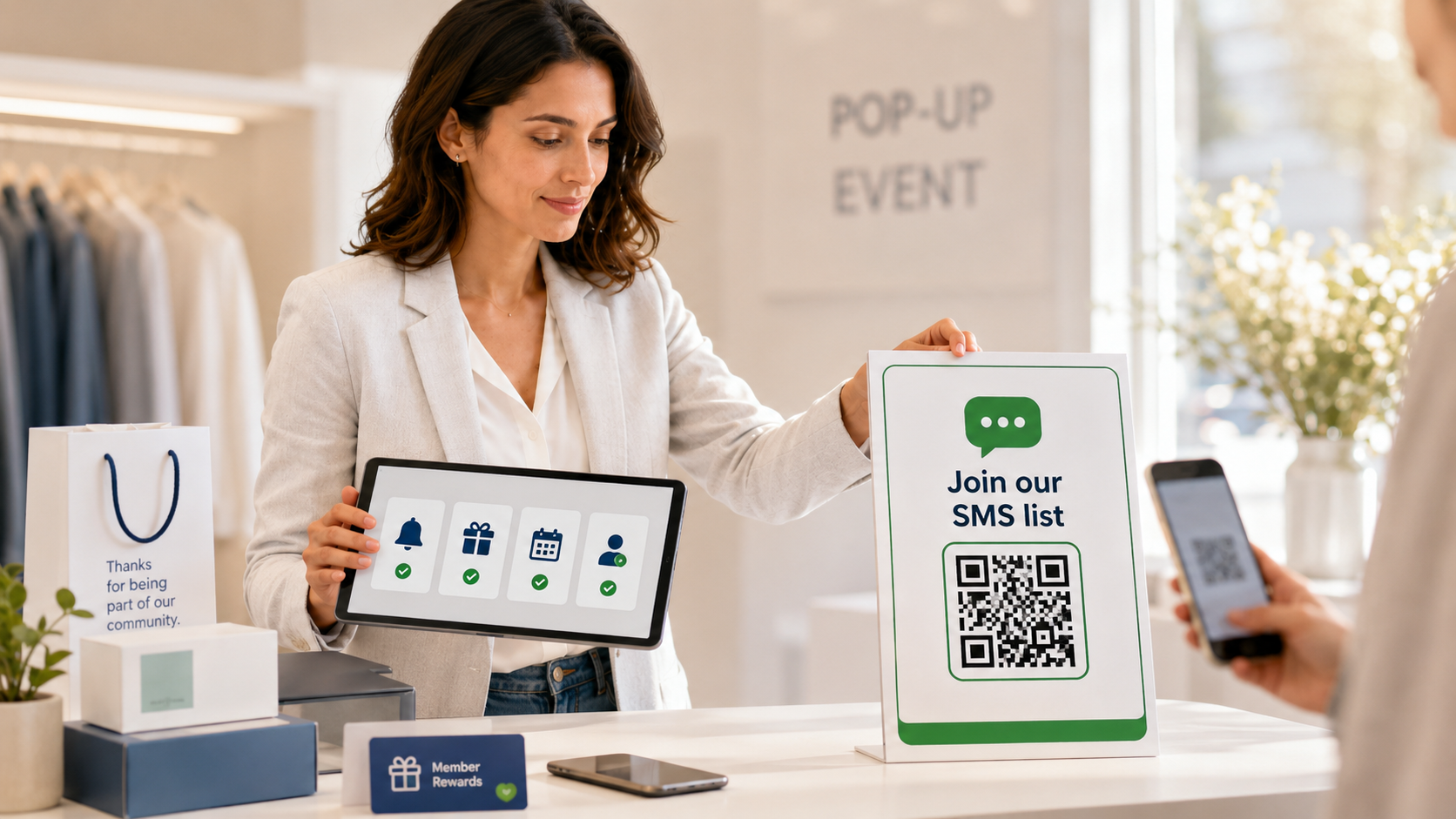
QR codes can connect offline attention to SMS subscription. They work well on packaging, product inserts, store displays, event booths, receipts, flyers, table cards, and printed campaign materials.
The QR code should not send people to a confusing page. It should lead to a simple signup experience that explains what the user will receive and how they can opt out.
This is especially useful for brands that interact with customers offline but want to continue the relationship digitally. The key is to connect the moment of interest to a clear next step.
7. Run Keyword-to-Join Campaigns
Keyword-to-join campaigns allow users to text a keyword to a number in order to subscribe. This can work well for events, physical stores, influencer campaigns, print materials, podcasts, webinars, or live promotions.
For example, a brand might ask users to text a keyword to receive event updates, product launch alerts, or member-only offers.
The keyword should be easy to remember, and the call to action should explain the value. After the user joins, the first response should confirm the subscription and set expectations for future messages.
8. Invite Loyalty Members to Receive SMS-Only Benefits
Loyalty members are often more receptive to SMS because they already have a reason to stay connected with the brand. Use this relationship to invite them into a more immediate communication channel.
The offer can include points reminders, reward expiration alerts, member-only launches, early sale access, birthday rewards, or personalized restock notifications.
This works best when SMS is positioned as a service layer, not just a sales channel. If loyalty members feel that SMS helps them use their benefits better, they are more likely to stay subscribed.
9. Let Customers Choose the Type of SMS Updates They Want
Not every subscriber wants the same messages. Some want discounts. Some want order updates. Some want product alerts. Some want event reminders. Some want only important account notifications.
A preference-based signup flow can increase trust by giving users more control. Instead of asking people to join one broad list, let them choose message categories where possible.
This also helps your team send better campaigns later. If someone joins for restock alerts, they may not respond well to frequent general promotions. If someone joins for loyalty updates, they may care more about rewards than new product announcements.
10. Use Referral Campaigns Carefully
Referral campaigns can help grow SMS subscribers when existing customers invite friends to join. But this tactic needs clear boundaries.
Do not encourage users to submit other people’s phone numbers without permission. That creates trust problems and may create compliance risk. A safer approach is to give existing customers a referral link that friends can use to opt in themselves.
This keeps consent in the hands of the new subscriber. It also creates a cleaner record of how the person joined the SMS list.
11. Add SMS Signup to Customer Support and Account Flows
Customer support and account flows can be useful opt-in moments because users are already interacting with your business for a specific reason.
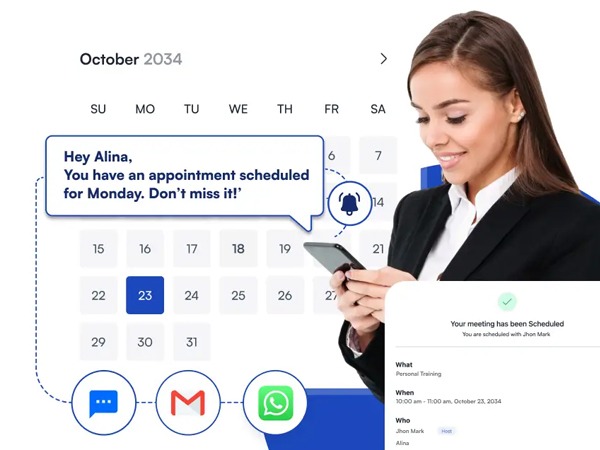
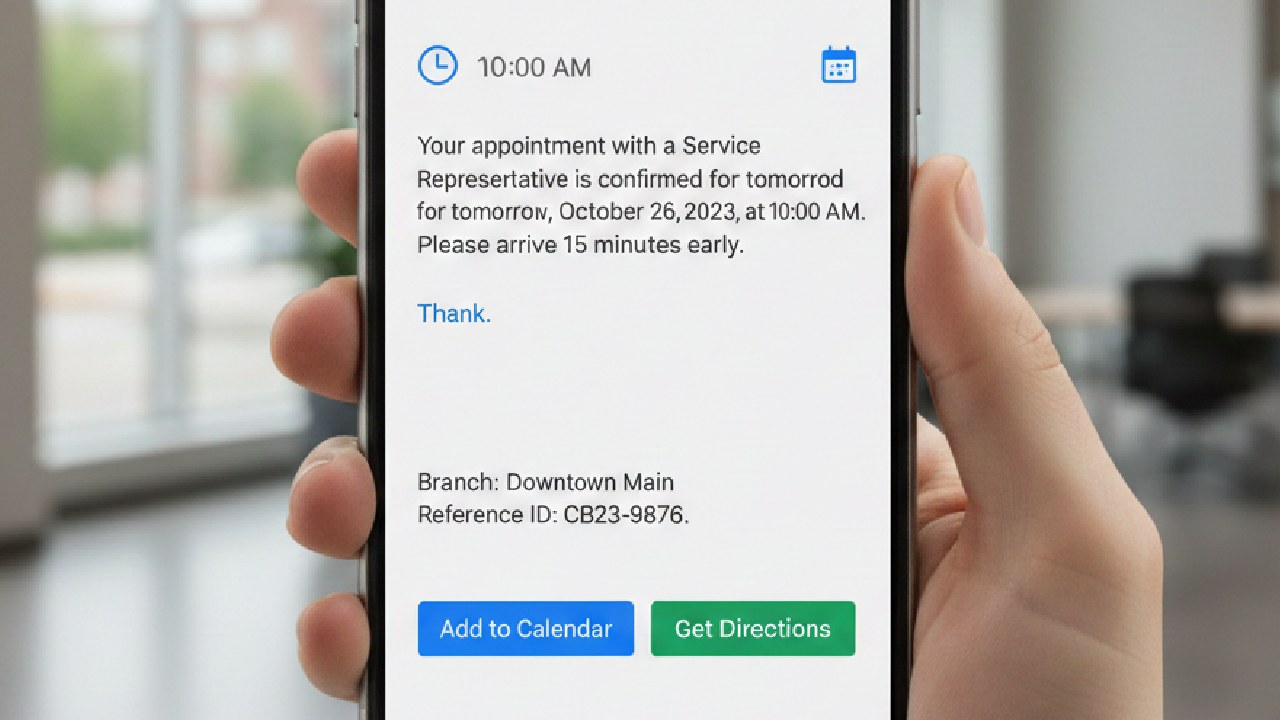
For example, a support flow can invite customers to receive case updates by SMS. An account dashboard can invite users to receive security alerts, billing reminders, product updates, or onboarding nudges. A booking flow can invite users to receive appointment reminders.
The important point is context. A customer asking for support may welcome SMS updates about that support case, but not necessarily broad promotional messages. Keep the opt-in connected to the user’s immediate need.
12. Use Post-Purchase Moments to Invite Future Updates
Post-purchase moments are useful because the customer has just completed an action. They may be interested in delivery updates, care instructions, reorder reminders, loyalty rewards, or future product alerts.
The invitation should not feel like an interruption. Place it on the order confirmation page, in the post-purchase email, or in the account area.
For ecommerce brands, this can help turn one-time buyers into repeat customers. For SaaS or platforms, it can help users receive onboarding reminders, renewal notices, or important usage updates.
How to Make SMS Opt-In More Trustworthy
Getting more SMS subscribers is only valuable if people trust the signup process. Trust is created through clarity, choice, and consistency.
Explain What Subscribers Will Receive
Your opt-in copy should name the message types clearly. For example:
- Product launch alerts
- Restock notifications
- Limited-time offers
- Order updates
- Appointment reminders
- Loyalty rewards
- Account or service alerts
This helps subscribers understand the value before they join. It also helps reduce confusion later when messages start arriving.
Make Frequency Expectations Clear
Frequency expectations help users decide whether SMS is right for them. A person may be willing to receive one or two messages per month but not several per week.
You do not need to promise an exact schedule in every case, but you should avoid vague or unlimited wording. If your campaign is promotional, say so. If the messages are occasional, say so. If the program includes recurring messages, make that clear.
Keep Opt-Out Simple and Visible
An SMS list becomes more trustworthy when leaving is easy. The FCC’s current consumer guidance and rules emphasize consumers’ ability to stop unwanted robocalls and robotexts, and the FTC advises consumers to report unwanted text messages through carrier reporting, device reporting, or ReportFraud channels.
For marketers, this means opt-out should not be hidden, confusing, or ignored. A clear unsubscribe path may reduce the size of your list in the short term, but it helps protect the quality of your audience.
Avoid Bought Lists, Forced Opt-Ins, and Vague Consent
Bought lists may look like a shortcut, but they are usually a poor foundation for SMS marketing. People who never asked to hear from your brand are more likely to ignore the message, report it, unsubscribe immediately, or associate your brand with spam.
Forced opt-ins create a similar problem. If people feel they had to provide a phone number to complete an unrelated action, they may not trust future messages.
A healthy SMS list should grow from visible, voluntary, and understandable signup moments.
How to Keep SMS Subscribers After They Join
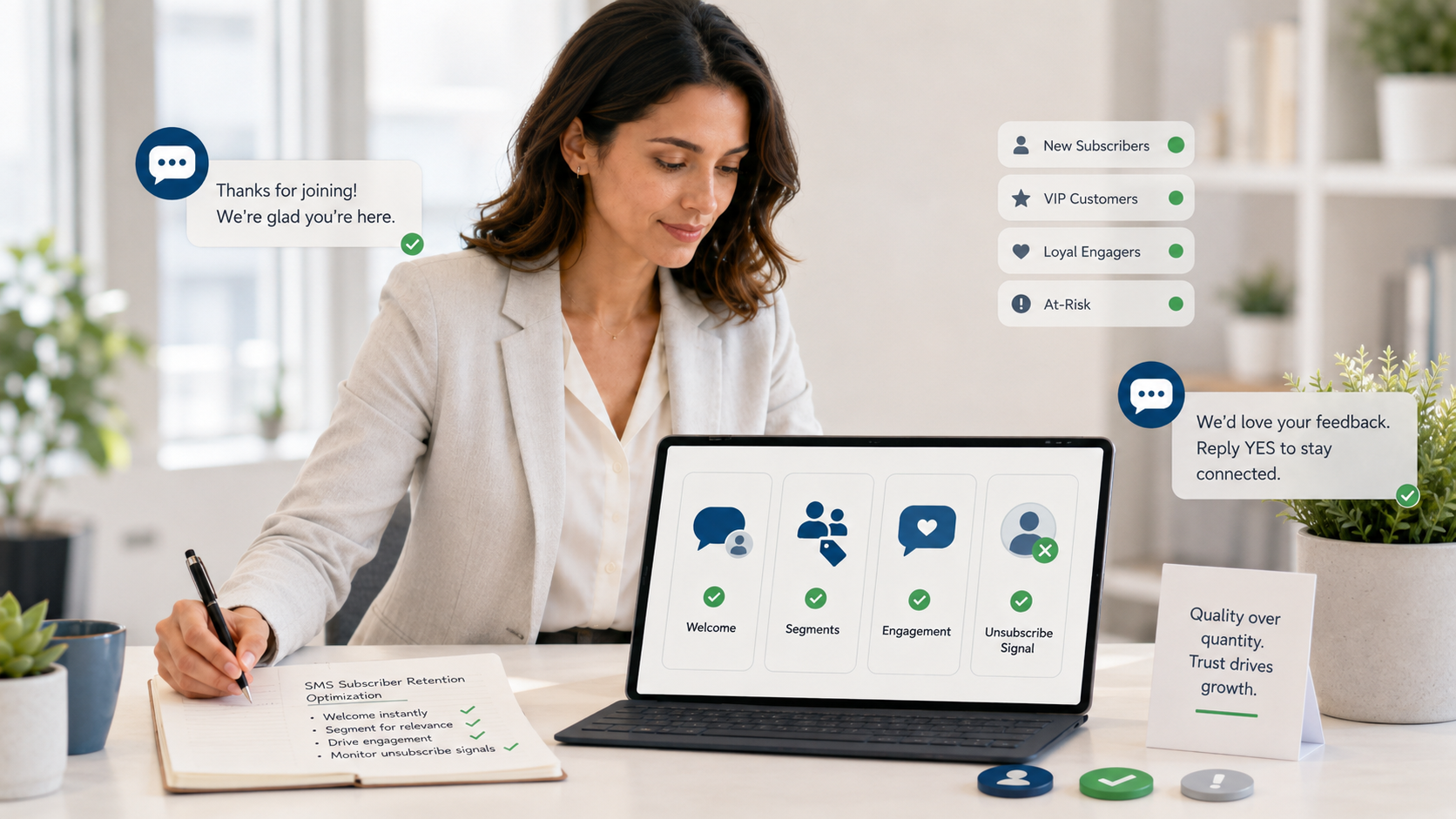
Subscriber growth does not end at opt-in. If your first few messages are irrelevant, too frequent, or unclear, people may leave quickly.
Send a Useful Welcome Message
The welcome message should confirm the subscription and reinforce the value. It can include a first offer, a link to preferences, a reminder of what the subscriber will receive, or a simple next step.
Avoid using the first message only to sell. A welcome SMS is also a trust-building moment. It should make the subscriber feel that joining was a good decision.
Segment Subscribers by Interest or Journey Stage
Segmentation helps keep SMS relevant. A new subscriber, repeat buyer, loyalty member, inactive customer, and high-value customer should not always receive the same message.
Use the signup source, stated preferences, purchase history, engagement behavior, or lifecycle stage to guide message selection. Even simple segmentation can improve message fit and reduce fatigue.
For teams still building their operating workflow, this guide on how to use SMS marketing software explains the basics of contact organization, simple automation, reporting, and opt-out tracking.
Watch Unsubscribes, Complaints, and Engagement Signals
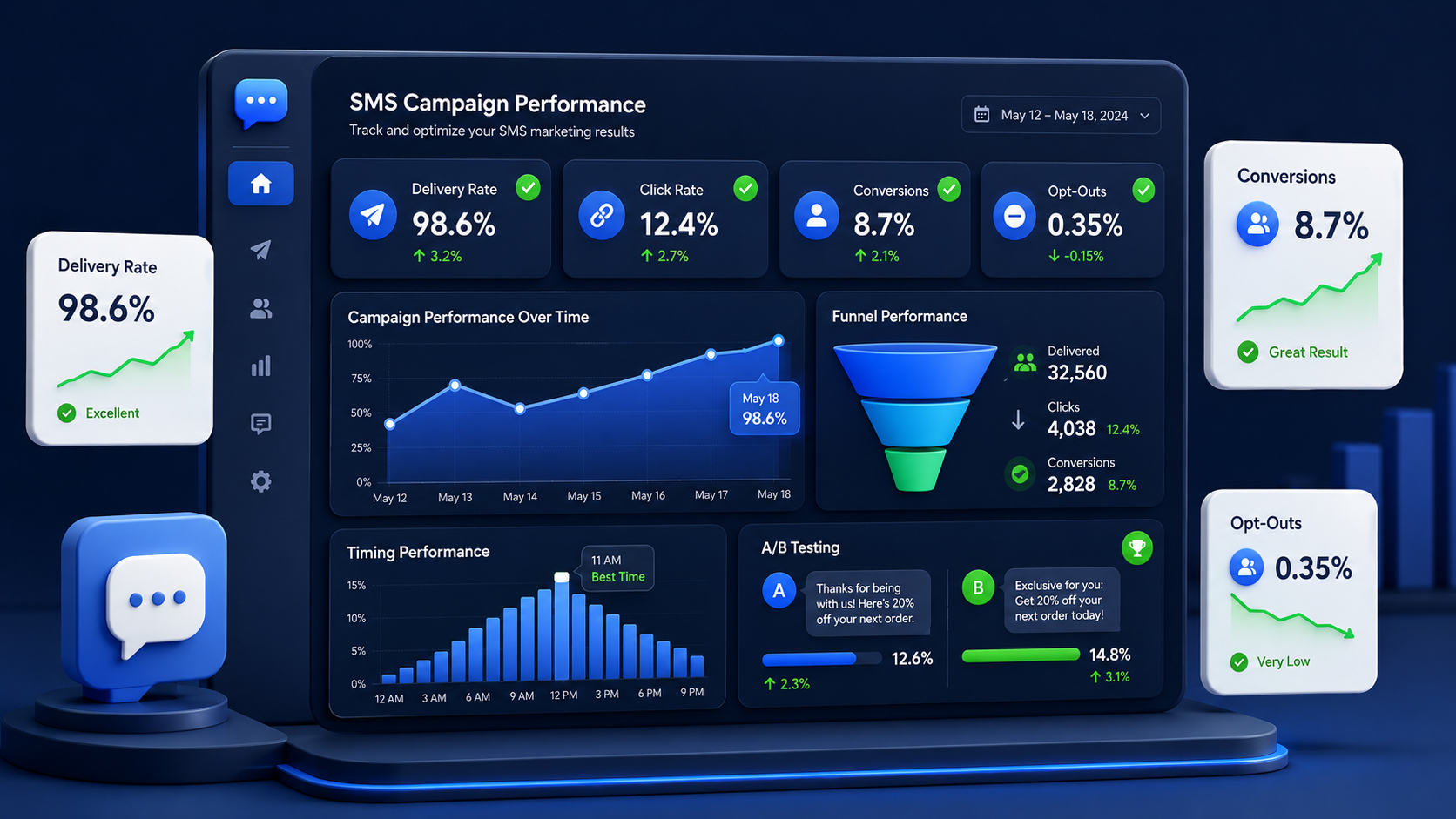
SMS teams should monitor list quality, not just list size. Useful signals include opt-in source, unsubscribe patterns, complaint signals, click behavior, conversion behavior, and response patterns.
If unsubscribes rise after a specific campaign type, the issue may be message quality, timing, frequency, or audience fit. Increasing send volume before understanding those signals can make the problem worse.
Improve Campaign Quality Before Increasing Send Volume
A larger SMS list does not automatically create better performance. The value of the list depends on message relevance, delivery reliability, timing, and the user’s trust in your brand.
Before scaling send volume, review your campaign calendar, segmentation, message content, opt-out behavior, and delivery evidence. Growth without quality control can turn a valuable channel into a source of customer irritation.
What Businesses Need Before Scaling SMS Subscriber Growth
Once your SMS subscriber list starts growing, the operational side becomes more important. A campaign that works for a small list may face new challenges when it reaches larger volumes, multiple regions, or time-sensitive campaigns.
Reliable SMS Routing and Regional Reach
If your business sends messages across markets, routing quality matters. Different countries, carriers, sender rules, filtering environments, and traffic patterns can affect message performance.
This is where SMS infrastructure becomes part of the growth strategy. Subscriber acquisition brings people into the list; routing and delivery operations help the business reach them reliably after they join.
Delivery Visibility and Campaign Monitoring
Teams need visibility into what happens after messages are sent. Delivery reports, callback status, error patterns, carrier behavior, and campaign-level monitoring help teams understand whether a campaign is performing as expected.
Without delivery visibility, teams may misread poor campaign results. A low response rate could come from weak content, poor timing, limited audience interest, or delivery issues. Monitoring helps separate those possibilities.
Cost-Efficient Sending at Scale
As the list grows, cost control becomes more important. High-volume SMS campaigns can become expensive if routing, market mix, frequency, and message design are not managed carefully.
Cost efficiency does not mean choosing the cheapest route in every case. It means balancing reach, stability, delivery evidence, and budget so campaigns can scale without losing control.
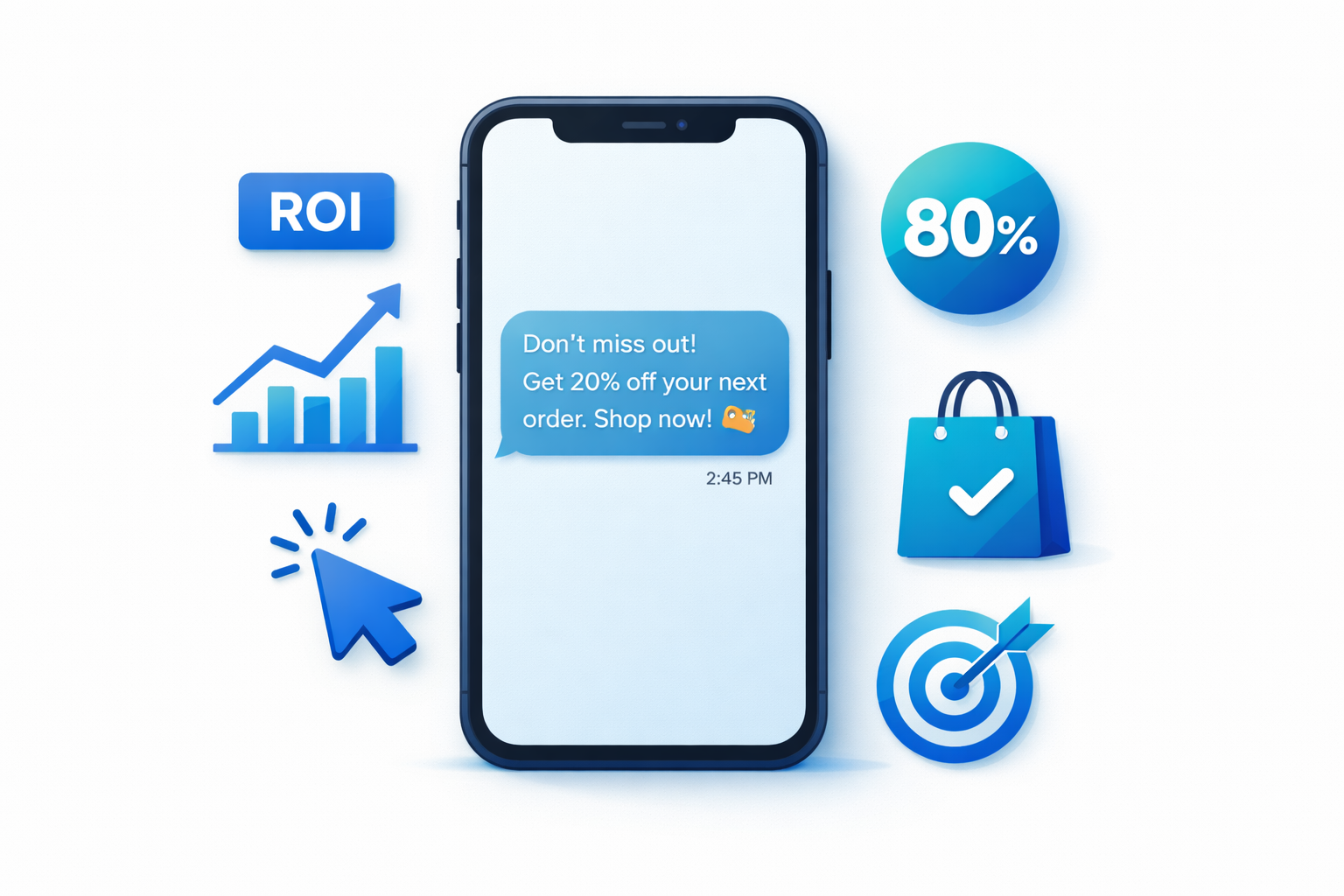
When your team starts connecting SMS list growth to business results, this guide on how to measure SMS marketing ROI can help you connect sends, clicks, conversions, opt-outs, and campaign costs.
A Provider Setup That Supports Long-Term List Value
For teams growing SMS subscribers across markets, the provider setup should support long-term list value. That includes routing experience, campaign monitoring, regional delivery understanding, and the ability to support marketing, transactional, and OTP-related messaging where needed.
SMSBoosting is positioned as a global A2P SMS delivery specialist focused on reliable routing, high deliverability, and cost-efficient enterprise messaging, with core use cases including high-volume cross-border promotional SMS, brand-driven SMS communication, and cost-efficient A2P messaging at global scale.
If your team is reviewing how to grow an SMS subscriber list across markets, a practical next step is to review your opt-in flow, sending strategy, routing setup, and monitoring process before scaling campaigns.
Need help scaling SMS subscriber growth responsibly?
SMSBoosting can help your team review opt-in flows, routing readiness, delivery visibility, and high-volume SMS campaign setup before you scale across markets.
Talk to SMSBoostingFAQ
How can I get more SMS subscribers without annoying customers?
Make the opt-in useful, visible, and voluntary. Ask at moments when the user already has interest, such as checkout, product pages, loyalty signup, events, post-purchase flows, or support interactions. Explain what they will receive and avoid sending too frequently after they join.
Should I offer discounts to grow my SMS list?
Discounts can work, especially for ecommerce brands, but they should not be your only reason for subscription. Use discounts as one entry point, then keep subscribers through relevant updates, early access, loyalty benefits, reminders, and useful customer communication.
Can I add existing customer phone numbers to my SMS list?
Do not assume that an existing phone number equals permission for marketing SMS. A customer may have provided a number for shipping, billing, account security, or support. If you want to send promotional SMS, use a clear opt-in process and review the rules that apply to your market and business case.
Where should I place SMS opt-in forms?
Start with high-intent locations: product pages, checkout, account signup, loyalty enrollment, post-purchase pages, email campaigns, social media profile links, QR codes, and event landing pages. The best placement depends on when the user has a clear reason to receive SMS from your business.
What should I send after someone subscribes to SMS?
Send a welcome message that confirms the subscription and explains the next value. Depending on the business, this may include a welcome offer, restock alert setup, loyalty reminder, preference link, onboarding step, or important account update. The first message should build trust, not just push a sale.
Conclusion
The best way to get more SMS subscribers is to make subscription valuable, clear, and permission-based. More opt-in boxes may help, but they are not enough on their own.
A stronger SMS list growth strategy starts with a clear value exchange, visible signup points, trustworthy consent language, simple opt-out, and useful messages after subscription. Once the list grows, businesses also need routing, monitoring, and cost control to protect the long-term value of the audience.
For marketing and growth teams, the goal is not just a bigger SMS list. The goal is a list of subscribers who understand why they joined, recognize your messages, and continue to find value in staying connected.
References
FCC. Strengthening the Ability of Consumers To Stop Robocalls. Rules and guidance on consumer revocation rights for robocalls and robotexts.
CTIA. Messaging Principles and Best Practices. Industry guidance on opt-in consent documentation and responsible messaging practices.
FTC Consumer Advice. How to Recognize and Report Spam Text Messages. Consumer guidance on recognizing and reporting unwanted or suspicious text messages.