If you want to start SMS marketing, keep it simple: choose one goal, use a compliant platform, get a texting-enabled number, collect clear opt-ins, and launch one small campaign first. SMS works well for short, timely messages, but it is more regulated than email, so your setup matters from day one.
In this guide, we’ll show you how to build the right foundation, send your first texts, and improve results without making the common beginner mistakes.
What Do You Need Before You Start SMS Marketing?
Before you start SMS marketing, you need one clear goal, one clear audience, and a use case that actually fits text messaging.

A lot of beginners jump straight to copy, discounts, and automation. That is usually the wrong place to start. If you do not know what your first text is supposed to achieve, the rest of the setup gets messy fast.
What should your first goal be?
Your first goal should be narrow and measurable. You are not trying to “do better marketing.” You are trying to drive one action and learn whether SMS works for your audience.
Good first goals include:
- Recover a small number of abandoned carts
- Fill open appointment slots
- Drive repeat purchases from recent buyers
- Promote one limited-time offer
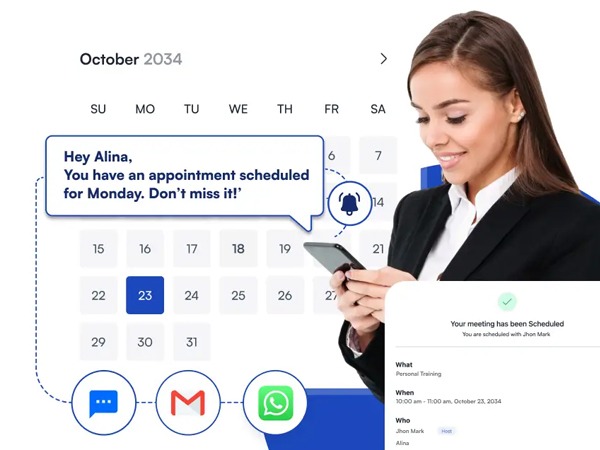
- Reduce no-shows for booked customers
If you cannot answer this question yet, stop there: what single action should this text drive? Once that part is clear, platform choice, audience targeting, and message writing all get easier.
How Do You Collect SMS Opt-Ins Legally?
To collect SMS opt-ins legally, you need clear consent, compliant signup language, visible opt-in points, and records that show when and how each subscriber agreed.
This is the part a lot of beginners want to rush through. It is also the part that causes the most trouble when they do. If your consent process is weak, you can end up with complaints, blocked messages, poor performance, and a channel your audience stops trusting.
Why does consent matter so much in SMS?
SMS is a permission-based channel. People treat text messages as more personal than email, so the standard is higher from the start.
That means you should not text people just because they bought from you once, joined your email list, or gave you a phone number during checkout. Marketing texts need their own clear permission.
This is one of the most common beginner mistakes. A business already has a customer list, so texting it feels fast and efficient. In practice, it creates risk immediately if those people never agreed to receive marketing SMS.
What should compliant opt-in language include?
Your opt-in language should tell people exactly what they are signing up for. Keep it direct. Do not hide the important details in vague wording.
Your SMS opt-in language should usually include:
- What the person is signing up for
- Your brand name
- Expected message frequency
- A note that message and data rates may apply
- How to opt out, usually by replying STOP
That may sound basic, but it matters. Clear expectations reduce complaints later, and they also help you attract people who actually want to hear from you.
Here is a simple example for a website pop-up:
Sign up for SMS offers from Oak & Pine. Get 10% off your first order. Up to 4 msgs/month. Msg & data rates may apply. Reply STOP to opt out.
And here is a clean example for a checkout checkbox:
By checking this box, you agree to receive recurring marketing text messages from Oak & Pine at the phone number provided. Consent is not a condition of purchase. Msg & data rates may apply. Reply STOP to cancel.
Where should you collect SMS signups first?
Start with the signup points you already control. You do not need seven different opt-in sources in month one. In fact, that usually makes it harder to tell what is working.
Strong beginner opt-in points include:
- Website pop-ups with a clear offer
- Checkout consent boxes that are not pre-checked
- Embedded forms on landing pages
- QR codes in store, on packaging, or at the counter
- POS prompts for in-store buyers
- Appointment or booking forms
A useful beginner rule is to start with two or three signup sources, not everything at once. That gives you cleaner data and makes it easier to see which source brings subscribers who actually click, buy, or book.
Different businesses will lean on different sources. Ecommerce brands often do best with pop-ups and checkout capture. Local service businesses usually get better results from website forms, front-desk prompts, and QR codes. Retail stores and restaurants often rely on POS capture and in-store signage.
What records should your platform store?
Your SMS platform should store more than a phone number. It should keep the proof behind the signup.
Look for a platform that stores:
- Signup timestamp
- Signup source
- Subscriber history
- The opt-in language shown at signup
That record matters more than it seems. If a subscriber asks why they received your text, you should be able to see when they opted in, where they signed up, and what they agreed to. If you cannot see that, your setup is weak.
What Setup Do You Need Before Sending Your First Text?
Before sending your first SMS campaign, you need a platform, a texting-enabled sender number, any required registration, and a realistic starter budget.
This is where many launches slow down. Writing the first message usually feels easy. The real friction often comes from sender setup, approval steps, and choosing tools that fit your business.
What setup items do most businesses need?
Most businesses need four things:
- An SMS platform
- A texting-enabled sender number
- Registration if required
- Integrations with ecommerce, CRM, booking, or POS tools
That list is simple, but the order matters. Get your sender and registration moving early. A lot of beginners wait too long on that step, then wonder why their launch drags out.
Should you choose 10DLC, toll-free, or short code?
Choose your sender number based on your business size, reply needs, and expected message volume.

For many small to mid-size businesses, 10DLC is a practical starting point. It feels familiar, costs less than a short code, and works well for many normal marketing programs.
A toll-free number can make sense when you want more flexibility, especially for support or two-way texting.
A short code usually fits larger brands that need high throughput, strong memorability, and a bigger monthly budget.
For beginners, the important point is not memorizing every number type. It is understanding that sender choice affects launch speed, approval steps, and how your program works later. In the United States, registration may be required before some marketing traffic can scale reliably, so number setup is not a tiny detail buried in the back of the process. It is one of the first practical steps.
What should you compare when choosing a platform?
Do not choose a platform just because it looks powerful. Choose one that fits your business model and makes the basics easier, not harder.
Compare platforms based on:
- Compliance support
- Consent record storage
- Integrations
- Automation tools
- Reporting
- Two-way texting if you need replies
- Onboarding speed
- Support quality
Ask practical questions before you commit:
- Does it store consent records automatically?
- Can it suppress unsubscribed contacts across all sends?
- Are checkout, pop-up, and CRM integrations included?
- How long does registration usually take?
- Will this reporting be easy for our team to use?
The best beginner platform is not always the most advanced one. It is usually the one that helps you become compliant, launch quickly, and measure early results without extra development work.
What Should You Send First in SMS Marketing?
Your first SMS messages should be simple, high-intent, easy to act on, and sent to a warm segment instead of your full list.
What message types work best first?
The best first SMS messages are the ones customers already expect to receive by text.
Good starting points include:
- Welcome messages
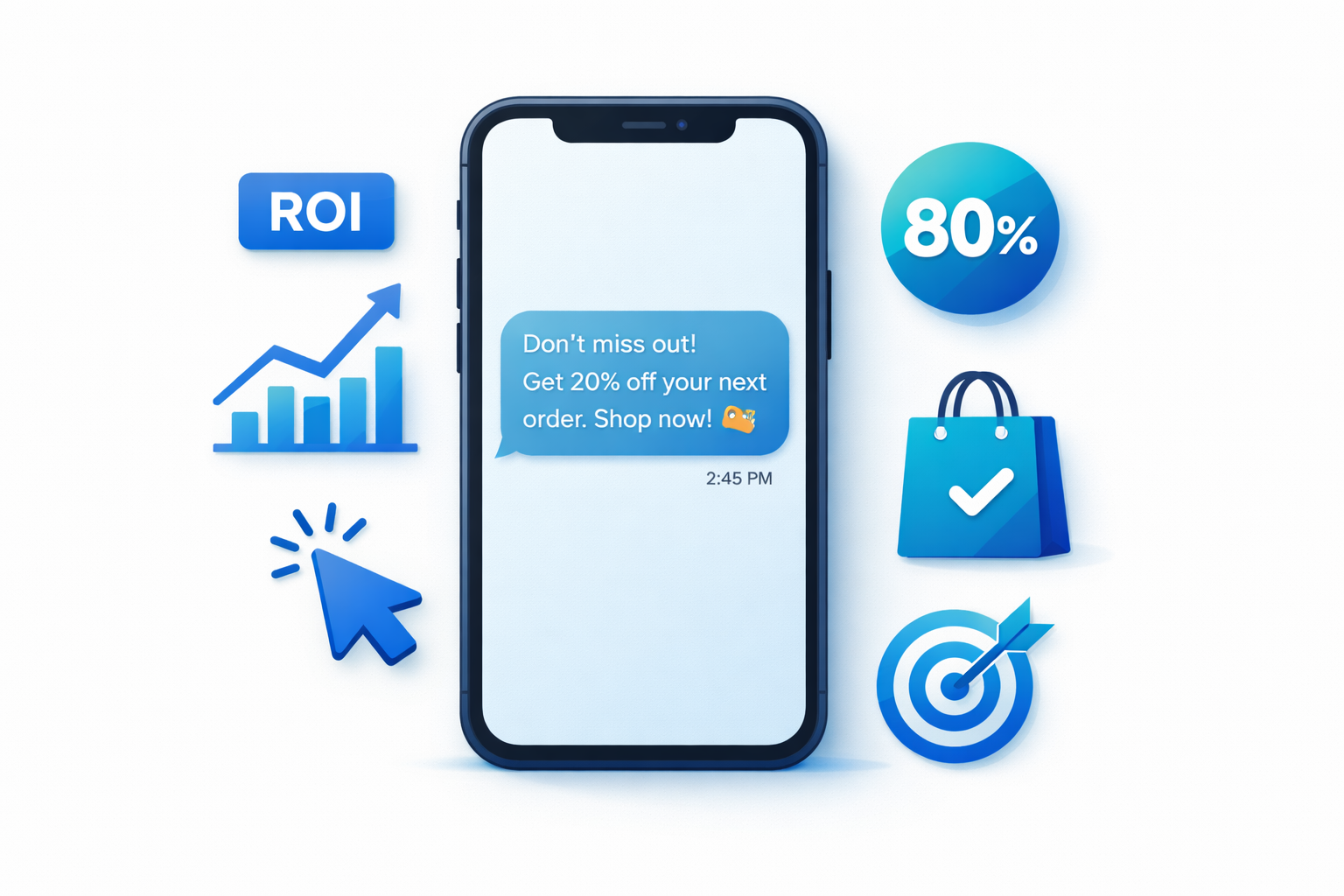
- Limited-time offers
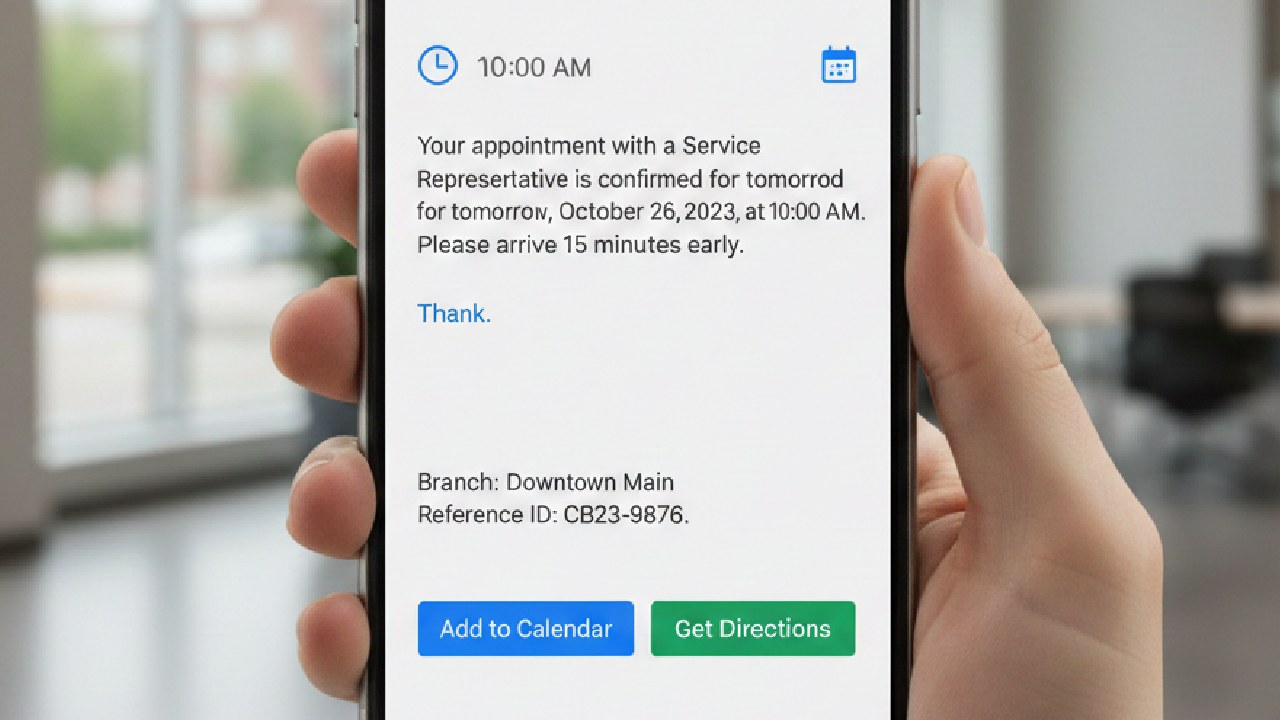
- Appointment reminders
- Back-in-stock alerts
- Event updates
- Rebooking prompts
- Short follow-ups after a purchase or visit
A good beginner principle is simple: one message should do one job. Once a text tries to promote too many things at once, performance usually gets worse.
What should your first welcome text look like?
Your first welcome text should be clear, branded, and easy to act on. It should tell the subscriber who you are, why you are texting, and what to do next.
A strong welcome text usually includes:
- Brand name
- Reason for the text
- Offer or confirmation
- One CTA
- Opt-out reminder when needed
Here is a simple example:
Thanks for joining Oak & Pine texts. Here’s 10% off: WELCOME10. Shop now: example.com. Up to 4 msgs/month. Reply STOP to opt out.
That works because it does not wander. It gives the subscriber one reward, one next step, and one clean expectation.
What automation should you add first?
Start with one welcome flow first. After that, add one high-intent automation based on your business type.
For many ecommerce brands, the next best step is an abandoned cart flow. The shopper already showed buying intent, so the timing makes sense.
For local service businesses, a reminder flow usually comes first. That is often where SMS proves its value fastest because it helps reduce missed appointments.
For repeat-purchase businesses, a rebooking prompt or a simple post-purchase follow-up may come next.
The point is not to build every automation in month one. The point is to start with the flow that matches the closest buyer intent.
How should different businesses start?
Different businesses should not launch SMS in exactly the same way, but the first setup still stays pretty lean.
E-commerce
- Pop-up and checkout opt-in
- Welcome flow
- Abandoned cart follow-up
Local service business
- Website form and QR code
- Reminder messages
- Rebooking prompts
Clinic, or appointment-based business
- Confirmations
- Reminders
- Attendance and retention focus
Retail store or restaurant
- POS capture
- In-store QR codes
- Specials or loyalty offers
That is enough to get started. You do not need a full industry playbook before your first launch.
How Do You Improve Results Without Over-Texting People?
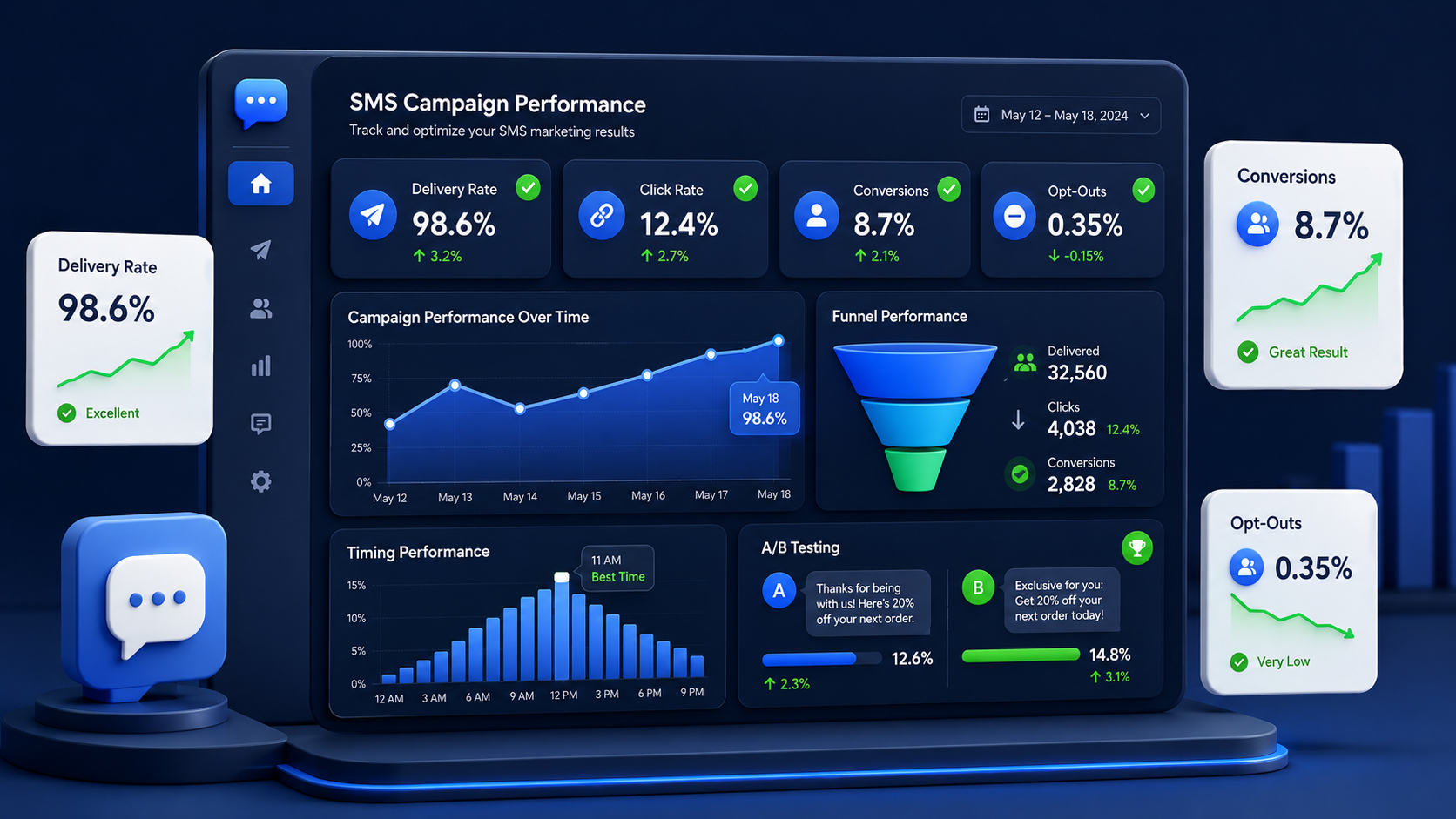
To improve SMS results, keep your copy clear, send at sensible times, control frequency, segment by behavior, and watch a small set of core metrics.
This is where SMS gets easier over time. Once the channel is live, your job is not to send more texts. Your job is to send better ones.

How often should you send SMS marketing?
For many small businesses, 1 to 4 marketing texts per month is a safe starting range.
That does not mean every business should push toward four. It means most beginners should start lower, watch the response, and earn the right to text more often.
If unsubscribe rates rise, complaints increase, or engagement drops, frequency may be the problem. In other cases, the real issue is weak targeting. Either way, more sending is rarely the first fix.
For some local retailers and restaurants, even 1 to 2 texts per month can be the better starting cadence. That keeps the channel useful instead of repetitive.
What makes beginner SMS copy work better?
Strong beginner SMS copy sounds like a person, not a banner ad. It gets to the point fast and gives the reader one clear next step.
Good SMS copy should:
- Identify the brand clearly
- Explain the reason for the message fast
- Focus on one CTA
- Avoid vague hype
- Sound natural
Here is a simple comparison.
Weak:
Big sale now!!! Click here for amazing items you will love!!!
Better:
Oak & Pine: 15% off outdoor sets today only. Shop here: example.com. Reply STOP to opt out.
The second version works because it is clearer, more trustworthy, and easier to act on.
How do you protect deliverability and brand trust?
Protecting deliverability is not just about the technical side. It is also about whether subscribers feel your texts are relevant and expected.
To protect sender trust, stick to these habits:
- Only text clearly opted-in contacts
- Identify your brand right away
- Avoid misleading links or vague offers
- Honor STOP requests immediately
- Do not send irrelevant content
- Start with warmer segments, not your full list
A good trust rule is this: if a recent subscriber would be confused by the message, rewrite it before you send it.
What Should Your First 30 Days of SMS Marketing Look Like?
Your first 30 days of SMS marketing should focus on building a clean foundation, sending one small campaign, and learning what works before you scale.
A practical first-month launch usually looks like this:
- Choose one goal and one audience
- Pick a platform and sender number
- Complete registration if needed
- Add one to two signup points
- Build one welcome flow
- Send one small campaign to a warm segment
- Review results and adjust before scaling
That is the right pace for most beginners. It keeps costs under control, reduces risk, and gives you clearer feedback.
In month one, success is not building a huge list. It is proving four things:
- People will opt in
- Your messages are getting delivered
- At least one message gets clicks
- Unsubscribes stay manageable
Once you know those four things, month two gets much easier. You are not guessing anymore. You are building on real signal.
Conclusion
SMS marketing works best when you build it in the right order. Start with one goal, collect compliant opt-ins, set up the right sender and platform, and launch one small campaign to a warm segment first. That approach gives you a cleaner launch, lower risk, and much better feedback than trying to do everything at once.
You do not need a huge list or a complicated system to get started. You need a clear use case, a trustworthy signup process, and one message that gives people a good reason to act. Your next step is simple: choose your sender number, write your opt-in language, and launch your first SMS campaign on a small, controlled scale.
If you want to launch faster and avoid common setup mistakes, SMS Boosting can help you build a cleaner SMS foundation from day one. You can also explore SMS Boosting to improve opt-ins, automate your first high-intent flows, and grow your SMS channel with more confidence.