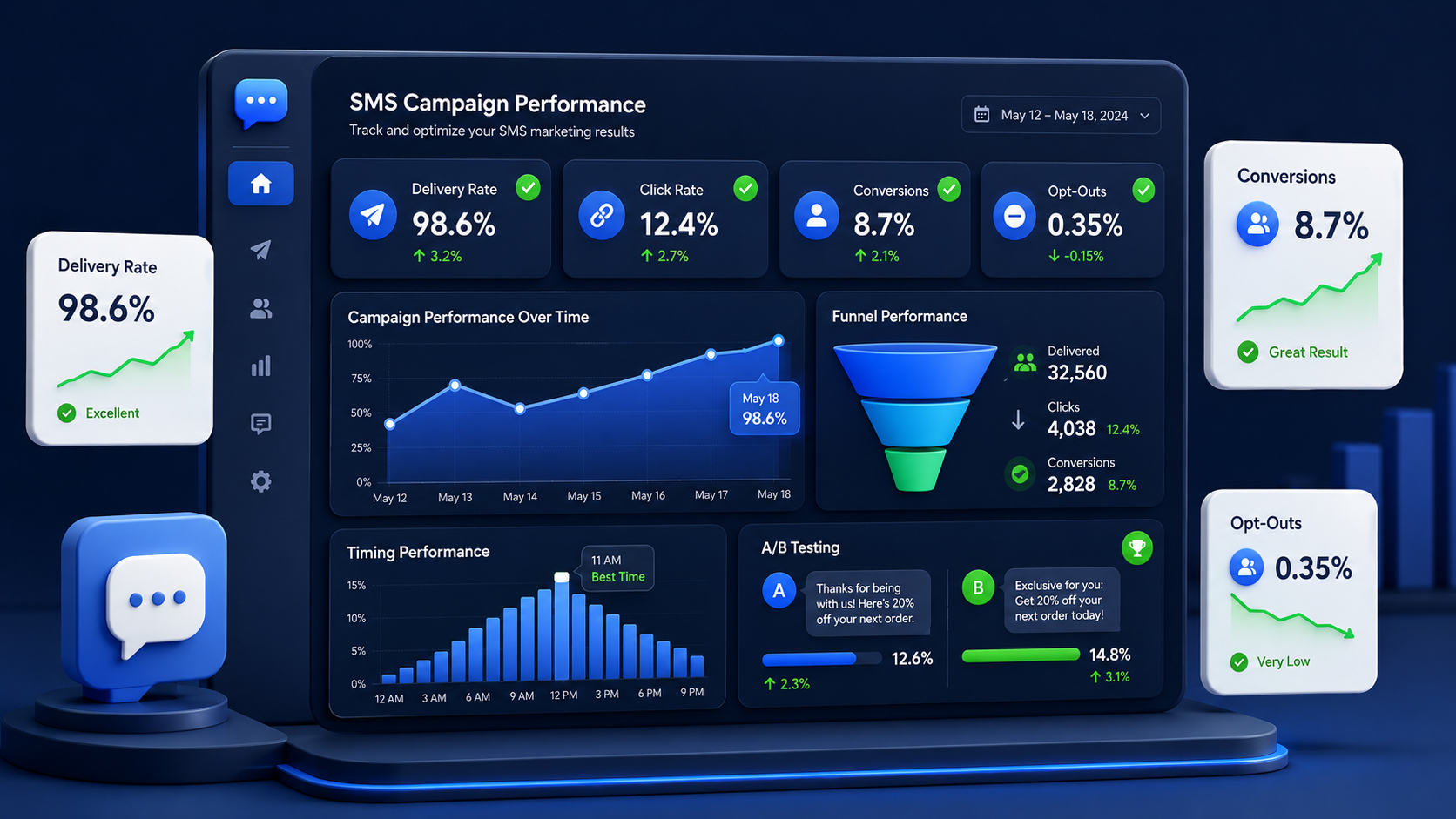
Yes, SMS marketing still works when you have clear opt-ins, relevant offers, and clean tracking. It remains one of the fastest ways to drive clicks, replies, and short-window conversions, but poor targeting and weak consent can push opt-outs up quickly.
In this guide, we’ll break down the metrics that matter, the ROI math you can show to a boss, and the practices that help you grow results without losing trust.
What Metrics Prove SMS Marketing Works?
The best way to judge SMS marketing is not by hype. It is by measurable outcomes.
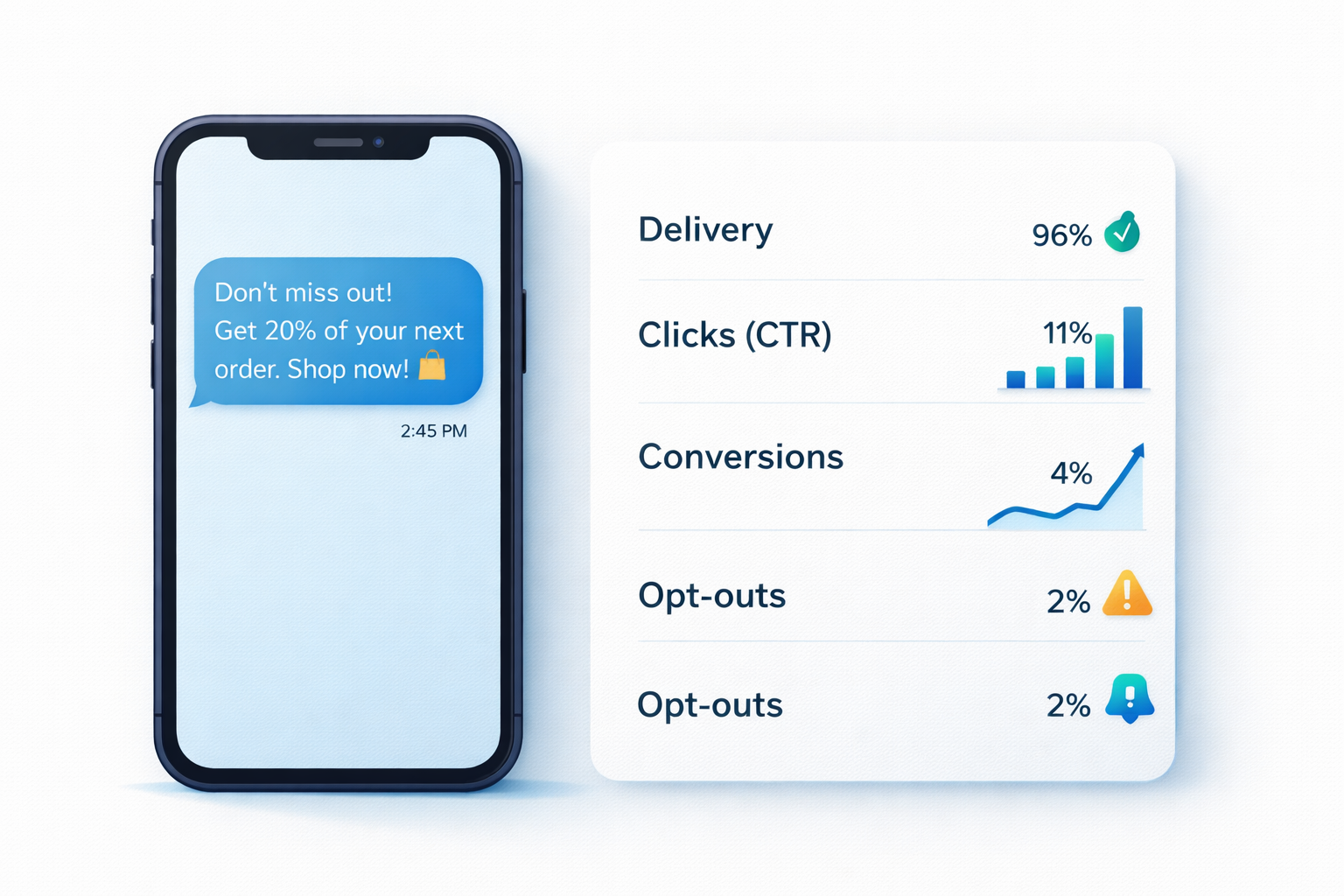
The core SMS marketing metrics to watch are:
- Delivery Rate
- Click-Through Rate
- Conversion Rate
- Revenue Per Message
- Opt-Out Rate
These numbers tell you whether your messages are reaching people, getting attention, generating action, and keeping subscriber trust.
Delivery Rate
Delivery rate answers a simple question: did the message actually make it through? If delivery is weak, the problem usually starts before the offer even matters. Poor list quality, bad formatting, or carrier filtering can all hurt results.
A strong delivery rate does not guarantee revenue, but a weak one almost always points to wasted spend.
Click-Through Rate
Click-through rate shows whether your message made people care enough to tap. This is where copy, timing, and offer quality start to matter.
If your delivery is strong but clicks are weak, the issue is often one of these:
- The offer is not compelling
- The CTA is too vague
- The audience is too broad
- The timing is off
Conversion Rate
Conversion rate tells you whether the traffic from SMS turned into the outcome you wanted. That could be a purchase, an appointment confirmation, a form fill, or a reply.
This is where SMS stops being a “visibility” channel and becomes a business channel.
Revenue Per Message
Revenue per message is one of the clearest metrics for reporting upward. It helps you compare campaigns without getting lost in vanity numbers. A campaign with fewer clicks can still be more valuable if the audience is warmer and the revenue per message is higher.
Opt-Out Rate
Opt-out rate is your trust signal. It tells you how much pressure your program is putting on the list. If opt-outs rise after certain campaigns, that usually points to a problem with message relevance, cadence, or expectation setting.
A quick note on open rates: SMS is often described as a high-visibility channel, but open-rate claims are not the strongest proof of performance. For reporting, clicks, conversions, revenue, and opt-outs are much more useful than broad “people read texts quickly” talking points.
How Do You Calculate SMS Marketing ROI?
SMS marketing can produce strong ROI because sending costs are usually low and response can be fast. But the math only holds up when you count the full cost.
The simple formula is:
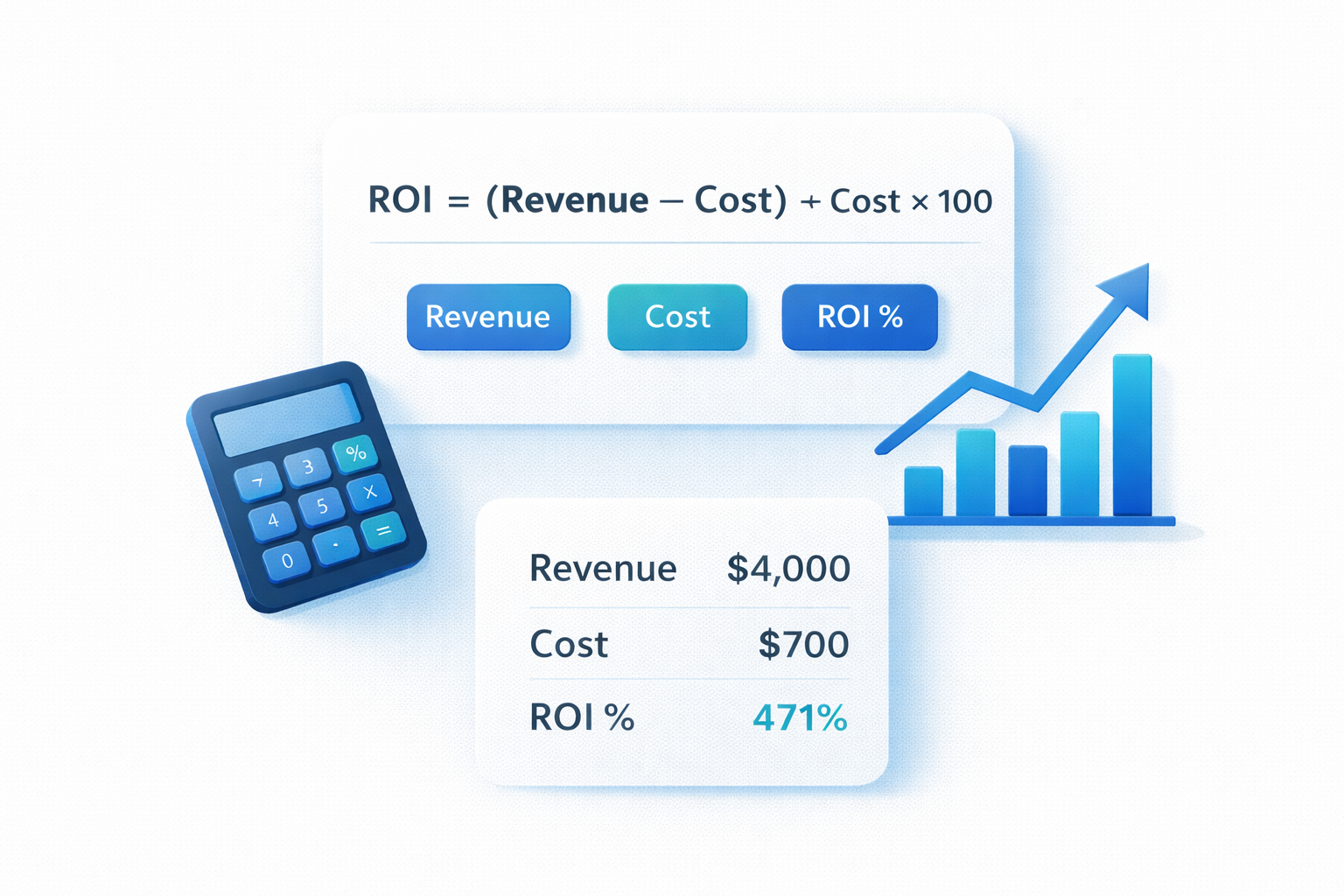
ROI = (Revenue − Cost) ÷ Cost × 100
You can use that formula for one campaign, one flow, or a full month of activity.
What Counts as Cost?
Costs usually include:
- Platform or software fees
- Message send fees (often per segment)
- Creative time (copy, landing page updates)
- Discounts given in SMS-only offers
- Support time for replies (if you run two-way SMS)
Leaving out discounts is the most common reason ROI looks “too good.”
A Clear ROI Example
Let’s say a weekend SMS campaign generated $4,000 in tracked revenue.
TYour costs were:
- Sends and platform fees: $250
- Discount impact: $300
- Labor estimate: $150
That brings total cost to $700.
Now apply the formula:
ROI = ($4,000 − $700) ÷ $700 × 100 = 471%
That does not mean every SMS campaign will return 471%. It means SMS becomes much easier to defend when you calculate it honestly.
Why Does SMS Marketing Still Work?
SMS still works because texting is already part of daily behavior. You are not asking people to download a new app, check a quiet inbox folder, or remember to come back later. You are reaching them in a channel they already use. CTIA’s 2024 Annual Survey Highlights says Americans exchanged over 2.1 trillion SMS and MMS messages in 2023, which shows how deeply texting remains built into everyday communication.
That does not mean every brand message gets welcomed. It means the channel itself is still normal, familiar, and easy to act on.
The speed advantage (and what it is good for)
SMS is especially strong when the next step is simple and time-sensitive. That is why it performs well for:
- Limited-time offers
- Back-in-stock alerts
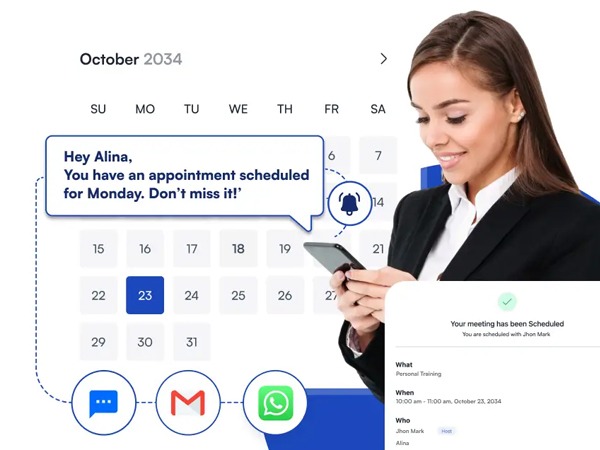
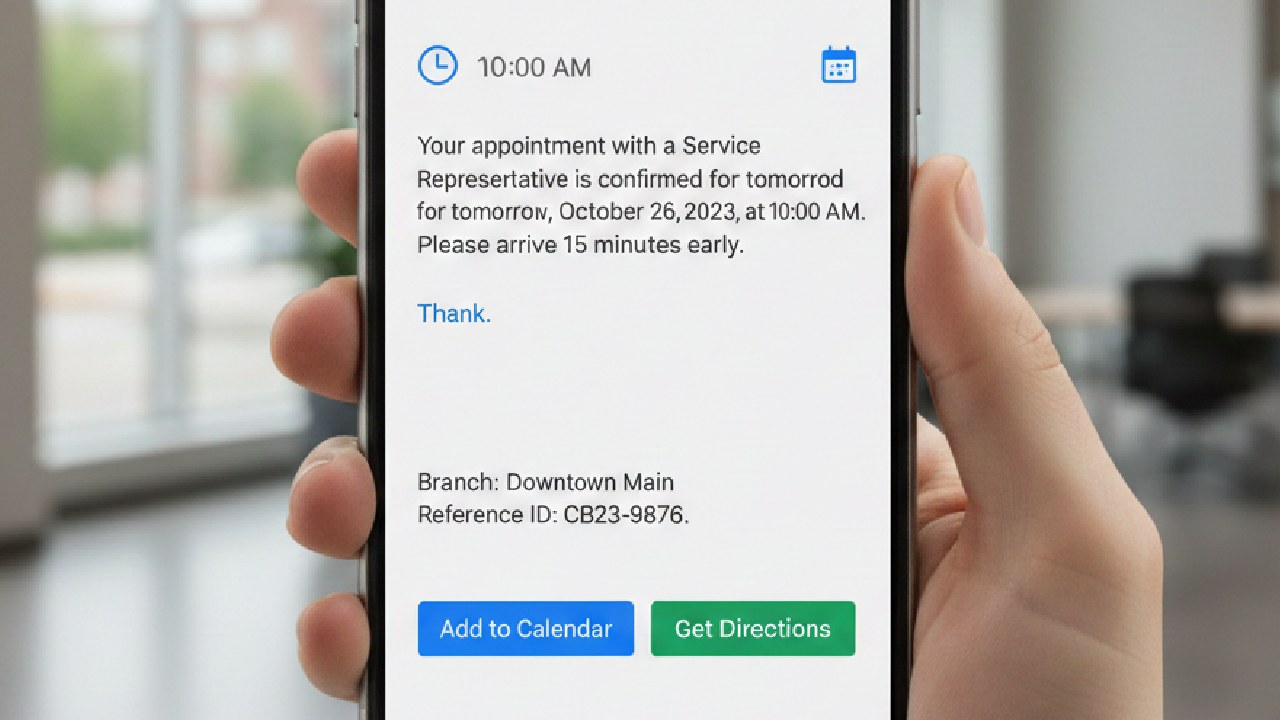
- Appointment reminders
- Delivery updates
- Quick service follow-ups
People do not open a text because it is magical. They open it because it feels immediate.
Trust Now Matters More Than Ever
This is the part many brands get wrong. SMS works best when the subscriber recognizes you, understands why you are texting, and knows they can leave whenever they want.
That matters even more now because people are more alert to suspicious texts and links. Consumer Reports has repeatedly warned about rising text-message scams and fake delivery texts, which means brands have to look clear, expected, and legitimate from the first message onward.
So yes, SMS marketing works. But in practice, it works because of trust as much as technology.
What Makes SMS Work Without Driving Opt-Outs?
You need clear consent, clear identity, and an easy opt-out. In the U.S., regulators have clarified that consumers can revoke consent using reasonable methods.
Consent and opt-in
People should know what they are signing up for. That means who is texting, what kind of messages they will receive, and roughly how often they can expect them.
The fastest way to damage an SMS list is to blur that line.
Clear Brand Identity
Your first message should remove doubt, not create it. Use the brand name early. Make the purpose obvious. Keep the message plain.
A good first text sets expectations in one shot: brand, reason, next step, opt-out.
Easy Opt-Out
SMS is not a channel where brands should try to trap people. In 2024, the FCC clarified that consumers can revoke consent through any reasonable method, and requests must be honored within a reasonable time, not to exceed 10 business days. The FCC also emphasized that common reply words such as stop, quit, end, cancel, unsubscribe, and opt out count as reasonable ways to revoke consent.
In real life, the safer standard is even simpler: if someone wants out, make it easy and stop fast.
Reasonable Frequency
A steady, predictable cadence usually beats random bursts. If you send too often, even good offers start to feel like pressure.
A simple rule works well here:
- Send less when opt-outs rise
- Tighten targeting before adding volume
- Save extra sends for real events like launches, reminders, or restocks
Which SMS Flows and Use Cases Usually Perform Best?
Automations work because they hit the moment a customer is ready. Revenue flows usually come from welcome, cart, and post-purchase sequences.
Welcome flow
A welcome text is simple, but it does important work. It confirms the subscription, delivers the promised value, and tells the subscriber what to do next.
A strong welcome text does three jobs:
- confirms the subscription
- delivers the promised value
- gives one clear next step
Example:
“Thanks for joining [Brand]. Here’s your 10% code: WELCOME10. Shop here: [link]. Reply STOP to opt out.”
Cart recovery flow
Cart recovery works because the customer already showed interest. Your job is not to start the conversation from zero. It is to reduce friction and bring them back.
Good cart texts usually do one of these:
- remind them the cart exists
- link back to the cart
- offer help
- use a light incentive only when needed
Example:
“Your cart is still saved. Checkout here: [link]. Need help picking a size? Reply and we’ll help.”
Post-purchase and replenishment
Post-purchase messages are underrated because brands often focus too much on discount-driven campaigns. But this is where SMS can build repeat buying and reduce support friction.
Useful post-purchase texts include:
- shipping updates
- delivery confirmation
- product care tips
- review requests
- replenishment reminders
These messages build repeat buying without constant discounts.
Post-purchase and replenishment
For local service teams, some of the best SMS use cases are not promotional at all. Reminders, rescheduling, estimate approvals, and missed-call text back flows can all create real business value.
Example:
“Reminder: your appointment is tomorrow at 3 PM. Reply C to confirm or R to reschedule.”
That kind of text works because it respects the moment. It is useful, not forced.
What Best Practices Improve SMS Results Over Time?
Once the basics are working, better SMS performance usually comes from better relevance, not more volume.
Timing that fits real life
Most promotional messages perform better during reasonable local hours. Your audience may react differently on weekends vs weekdays, so testing matters.
Late-night promotional texts often increase opt-outs, even when the offer is good.
Frequency control that protects list health
A steady schedule feels safer than random bursts. Many brands do well with a low cadence and add extra sends only for real events, like a launch or restock.
A simple frequency guardrail:
- reduce sends when opt-outs rise
- stop broad blasts when clicks fall
- tighten targeting before adding more volume
Copy rules for SMS campaigns
SMS copy works when it is:
- short
- specific
- easy to understand without context
- built around one action
Avoid stuffing multiple offers into one message.
Trust is harder now because scams are rising
Consumer Reports has reported a rise in texting and messaging scams, and many people now treat unexpected links with suspicion. Clean branding and clear opt-out help your message look legitimate.
Conclusion
SMS marketing still works because it is direct, familiar, and built for action. But it only stays effective when the program is permission-based, measurable, and relevant. The numbers that matter most are delivery, click-through rate, conversion rate, revenue per message, and opt-outs. Those tell you whether SMS is helping your business or quietly wearing down your list.
If you want the fastest path to better results, start with a few high-intent flows: welcome SMS, cart recovery, post-purchase updates, and reminders. Keep the offer clear. Keep the CTA simple. Keep the frequency under control. And if you are reviewing tools or tightening your workflow, use SMS Boosting’s marketing SMS resources as a practical next step. The goal is not to send more texts. It is to send better ones.