Bulk SMS marketing lets businesses send promotional or informational text messages to large groups of customers at the same time. Unlike email or social media, SMS reaches people directly on their phones, which is why it often produces much higher engagement rates.
Studies consistently show that text messages achieve open rates above 90%, and most recipients read them within a few minutes. That speed makes SMS one of the fastest ways to share promotions, announce product launches, send reminders, or deliver time-sensitive updates.
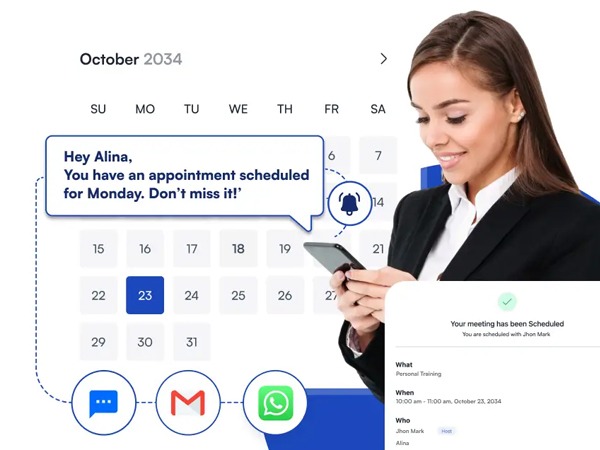
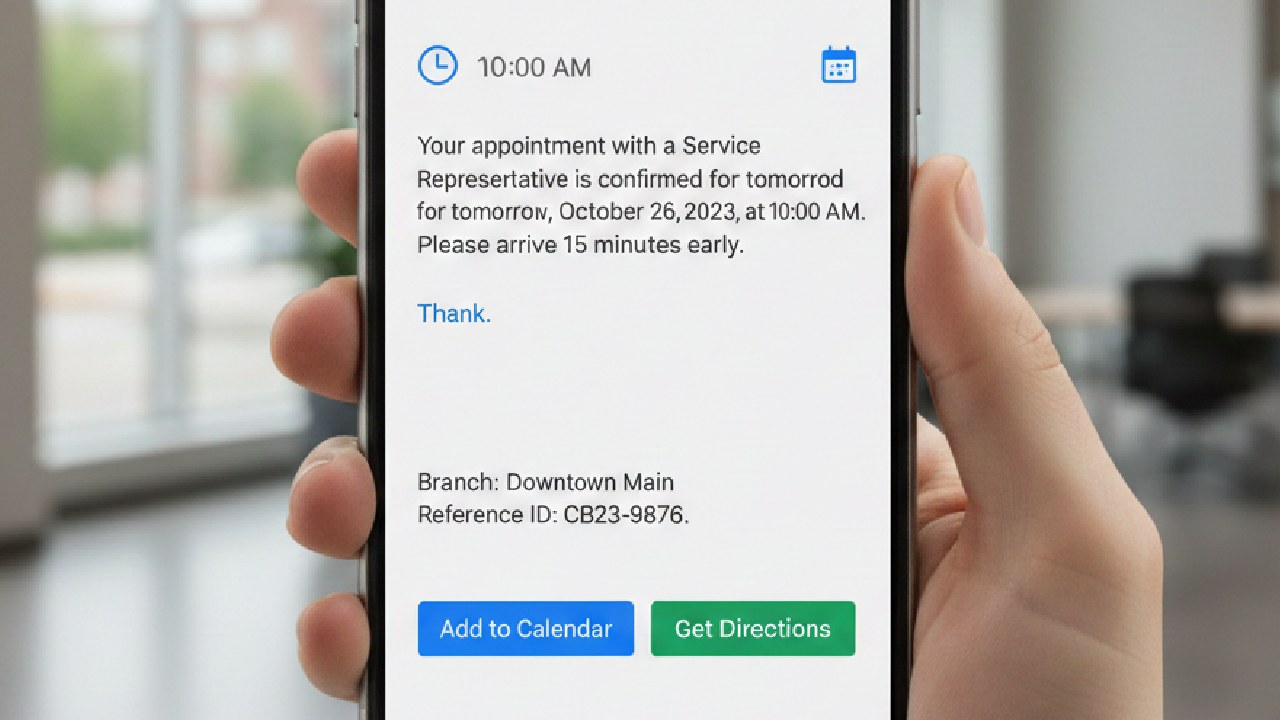
Businesses across industries use SMS campaigns to stay connected with customers. Retail stores promote limited-time discounts. Service companies send appointment reminders. Online brands notify subscribers about new products or restocks.
In this guide, you will learn how to send bulk SMS for marketing step by step, from building a permission-based contact list to writing effective messages and measuring campaign results.
What Is Bulk SMS Marketing and Why Do Businesses Use It?
Bulk SMS marketing means sending text messages to a large list of subscribers at the same time to promote products, share updates, or communicate with customers. Businesses often use this channel because text messages reach people quickly and generate strong engagement.

For a deeper explanation of the technology behind SMS campaigns, read our bulk text messaging guide.
Several factors explain why SMS· marketing performs so well.
Extremely High Open Rates
SMS messages reach customers instantly and appear directly in their messaging app. Industry data shows open rates often exceed 90–98%, far higher than typical email campaigns.
Direct and Immediate Communication
Text messages arrive on devices people check dozens of times per day. A customer might ignore a marketing email for hours, but they usually see a text message within minutes.
Higher Engagement Compared to Email
SMS campaigns often achieve click-through rates between 15% and 35%, depending on the industry and offer. That level of engagement makes SMS ideal for promotions, reminders, and time-sensitive announcements.
Works Well with Other Marketing Channels
Businesses often combine SMS with email, social media, and paid ads. For example, a brand might send an email about a new product launch and follow up with a short SMS reminder later in the day.
How to Send Bulk SMS for Marketing (Step-by-Step Guide)?
Sending bulk SMS campaigns requires more than just uploading phone numbers and pressing send. Successful campaigns follow a structured process that protects customer trust and improves engagement.
Step 1: Build an Opt-In Contact List
Start by collecting phone numbers from customers who have clearly agreed to receive marketing messages. This permission-based approach protects your brand reputation and helps you comply with messaging regulations.
Common opt-in sources include website signup forms, checkout pages, loyalty programs, and promotional events. Always explain what type of messages subscribers will receive.
Step 2: Segment Your Audience
Segmenting your contact list helps you send more relevant messages to each group of customers. Instead of sending one generic campaign, you can target different audiences based on behavior or preferences.
Businesses often segment subscribers by purchase history, location, engagement level, or interests. For example, an online store might send different promotions to first-time buyers and returning customers.
Step 3: Choose a Bulk SMS Marketing Platform
Most businesses use specialized platforms to manage SMS campaigns. These tools help you upload contact lists, schedule messages, track delivery status, and monitor engagement metrics.
A good SMS platform should support audience segmentation, campaign scheduling, analytics dashboards, and international messaging if your customers live in multiple regions.
Step 4: Write Your SMS Marketing Message
SMS messages must be short, clear, and focused. Most marketing texts stay under 160 characters, which forces marketers to communicate the core offer quickly.
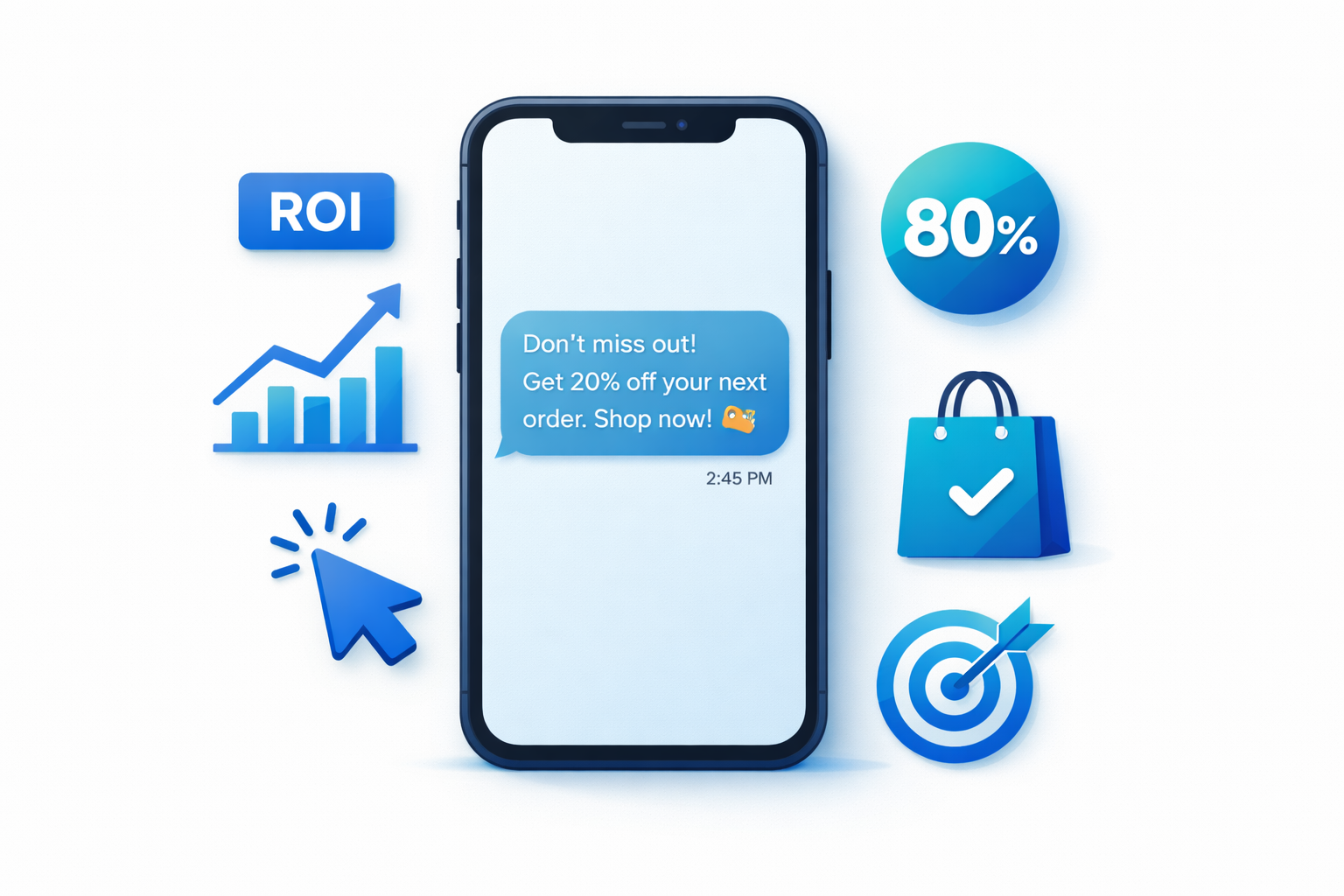
Effective messages usually include three elements: a clear benefit, a sense of urgency, and a simple call to action. For example, a retail promotion might highlight a discount and provide a short link to the product page.
Step 5: Test the Message Before Sending
Always test your campaign before launching it. Send the message to internal team members or a small test group to verify formatting, links, and personalization fields.
Testing helps you catch small mistakes that could otherwise affect thousands of recipients.
Step 6: Schedule and Launch the Campaign
After testing the message, schedule the campaign for the most appropriate time. Some promotions perform best during lunchtime, while others work better in the evening when people finish work.
Scheduling tools inside SMS platforms allow businesses to launch campaigns automatically.
Step 7: Monitor Campaign Results
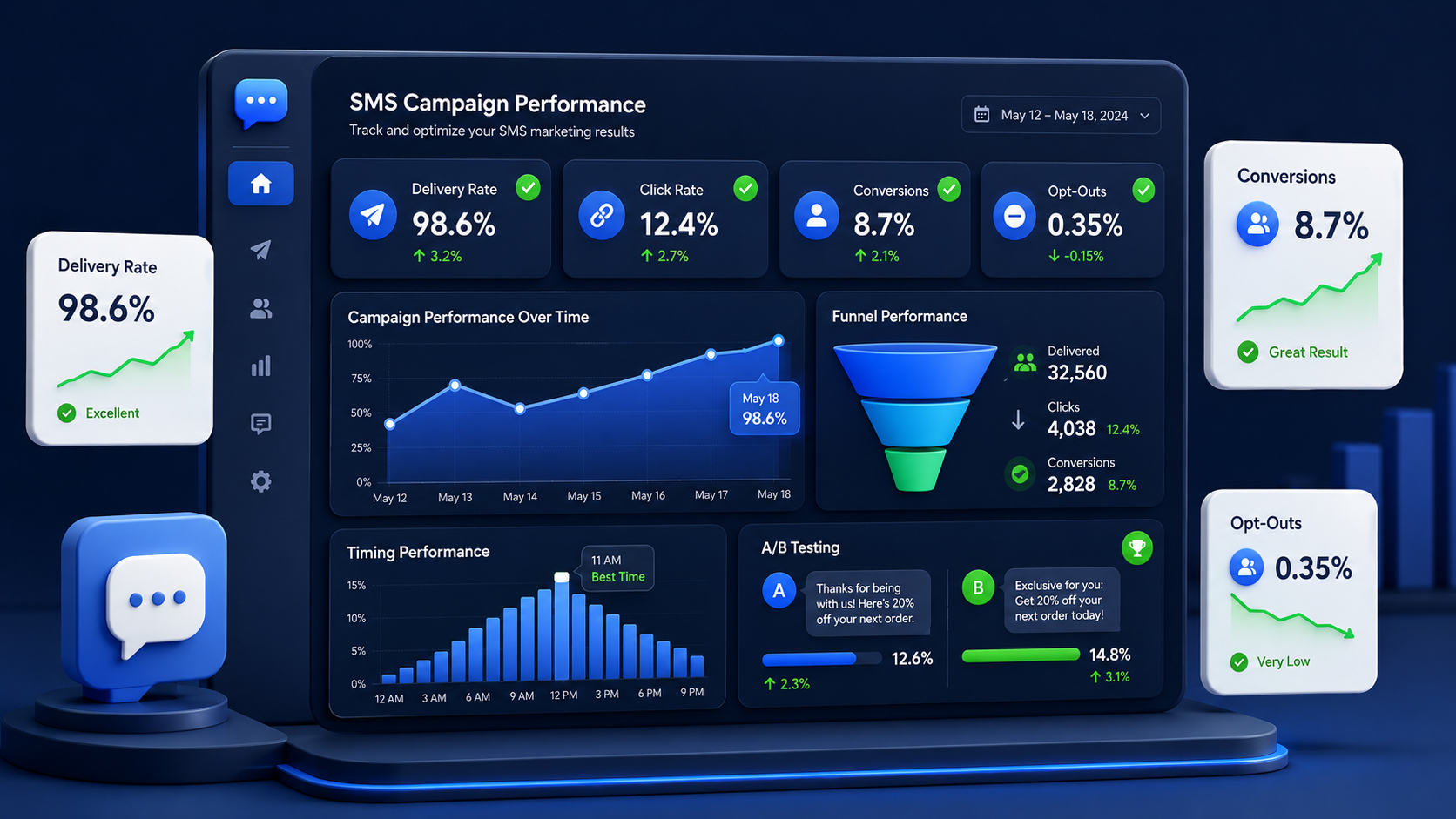
After sending the campaign, track performance metrics to understand how customers responded. Key indicators include delivery rate, open rate, click-through rate, and unsubscribe rate.
Analyzing these results helps you improve future campaigns and identify which offers generate the strongest response.
How to Build a Permission-Based SMS Contact List?
Building a permission-based contact list is one of the most important parts of successful SMS marketing. A high-quality subscriber list improves engagement while protecting your business from compliance risks.

Businesses typically collect SMS subscribers through several methods.
Website Sign-Up Forms
Many companies add SMS signup forms to landing pages, popups, or checkout pages. These forms clearly explain what type of messages customers will receive and how often they will arrive.
In-Store or Offline Collection
Retail stores and service businesses often collect phone numbers during in-store purchases or appointments. Staff members may ask customers if they want to receive promotions, reminders, or loyalty rewards by text.
Offer Incentives for Opt-Ins
Incentives encourage customers to join SMS marketing lists. Common examples include welcome discounts, early access to sales, or exclusive product announcements.
The goal is to build a list of subscribers who genuinely want to hear from your brand. These customers are far more likely to engage with your messages.
SMS Marketing Compliance: Rules Businesses Must Follow
SMS marketing regulations exist to protect consumers from spam messages. Businesses must follow these rules carefully to avoid penalties and maintain customer trust.
Obtain Customer Consent
Always collect explicit consent before sending marketing messages. Customers should actively agree to receive SMS promotions rather than being added automatically.
Provide an Opt-Out Option
Every SMS campaign must include a clear way for subscribers to unsubscribe. Many businesses add a simple instruction such as “Reply STOP to opt out.”
Follow Local Messaging Regulations
Different countries enforce different messaging laws. For example, businesses operating in the United States must follow the Telephone Consumer Protection Act (TCPA), which regulates automated marketing messages.
Avoid Spam-Like Messaging
Sending too many messages or using misleading language can damage your brand reputation. Respect subscriber preferences and keep campaigns relevant.
How to Write an Effective Bulk SMS Marketing Message
Effective SMS marketing messages communicate value quickly. Since text messages have strict character limits, every word must serve a purpose.
Keep the Message Short and Clear
SMS messages work best when they stay concise. A short message improves readability and increases the chance that recipients read the entire text.
Focus on One Main Offer
Each message should highlight a single promotion or announcement. Trying to include multiple offers can confuse readers and reduce response rates.
Use Personalization
Personalization increases engagement by making the message feel more relevant. Many SMS platforms allow you to insert subscriber names or location data into campaigns.
Include a Strong Call to Action
Every SMS campaign should guide the reader toward a clear next step. Common calls to action include visiting a website, claiming a discount code, or confirming an appointment.
When Is the Best Time to Send Bulk SMS Campaigns?
The best time to send SMS campaigns depends on your audience and industry, but certain patterns appear consistently across marketing studies.
Many businesses achieve strong engagement during midday hours, typically between 11 AM and 2 PM, when people check their phones during lunch breaks. Early evening, between 5 PM and 8 PM, can also produce strong results.
Weekdays usually perform better than weekends for promotional campaigns, especially in business-to-business markets.
Testing different sending times helps identify the patterns that work best for your audience.
Common Bulk SMS Marketing Mistakes to Avoid
Even well-planned campaigns can perform poorly if marketers overlook common mistakes.
Sending Messages Without Permission
Adding customers to SMS lists without consent can damage trust and violate messaging regulations.
Sending Too Many Messages
Excessive messaging often leads to higher unsubscribe rates. Businesses should maintain a balanced sending frequency that keeps subscribers engaged without overwhelming them.
Writing Long or Confusing Messages
SMS works best when messages stay short and easy to understand. Complex messages reduce readability and weaken the call to action.
Ignoring Campaign Analytics
Campaign analytics reveal which messages generate engagement and which ones do not. Businesses that regularly review campaign data can continuously improve their marketing strategy.
What to Look for in a Bulk SMS Marketing Platform?
Choosing the right SMS marketing platform makes it much easier to manage campaigns and track results.
A reliable platform should provide several essential features.
Contact management tools help organize subscriber lists and segment audiences based on behavior or demographics.
Campaign scheduling tools allow businesses to plan messages in advance and automate sending times.
Analytics dashboards track delivery rates, clicks, and engagement metrics so marketers can evaluate campaign performance.
International messaging support is also important for companies with global audiences, since it allows campaigns to reach customers in different countries.
Conclusion
Bulk SMS marketing remains one of the fastest ways to reach customers and promote time-sensitive offers. Businesses that build permission-based contact lists, send relevant messages, and track campaign results often achieve strong engagement.
The key is following a structured process. Start by collecting opt-in subscribers, segment your audience carefully, write clear messages, and monitor performance after each campaign.
With the right platform and strategy, SMS marketing can become a powerful channel for promotions, reminders, and customer communication.
If you’re ready to launch your first SMS campaign, platforms like SMS Boosting can help you manage contacts, schedule campaigns, and track results in one place.
FAQs
Can you send bulk SMS internationally?
Yes. Many SMS marketing platforms support international messaging, allowing businesses to send campaigns to subscribers in multiple countries.
How much does bulk SMS marketing cost?
SMS pricing usually depends on the destination country and message volume. Many platforms charge per message, while others offer monthly plans with bundled credits.
What is the best SMS platform for bulk marketing campaigns?
The best platform depends on your business needs, but most companies look for features like audience segmentation, campaign scheduling, analytics, and international messaging support.
How do you prevent SMS marketing messages from being blocked?
To prevent message blocking, businesses should collect clear subscriber consent, avoid spam-like language, maintain reasonable sending frequency, and follow local messaging regulations.