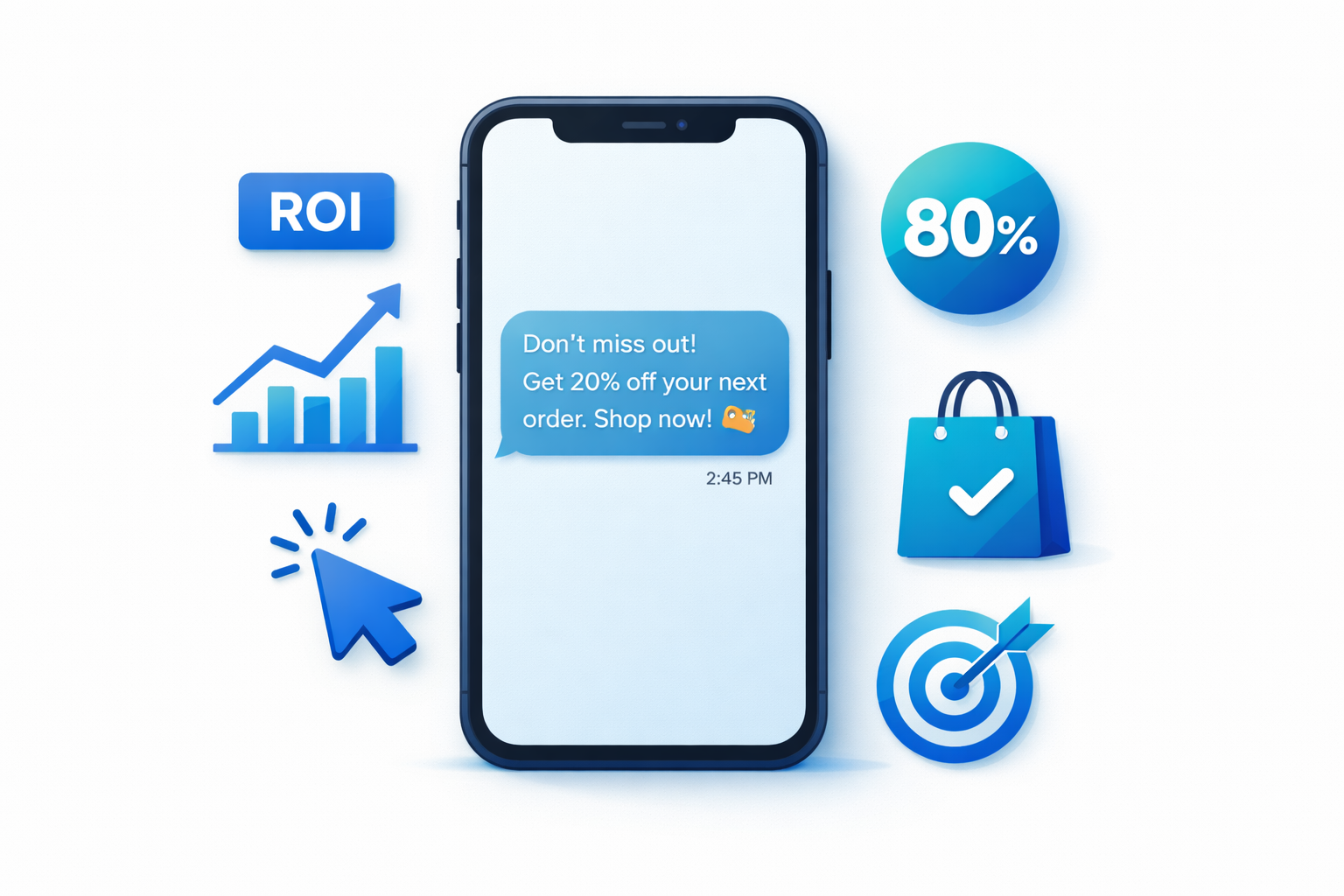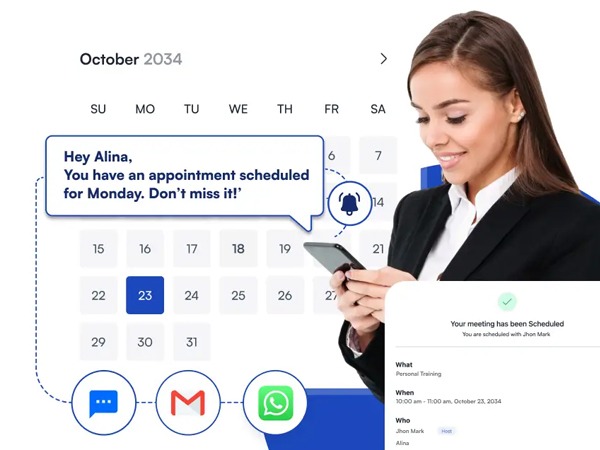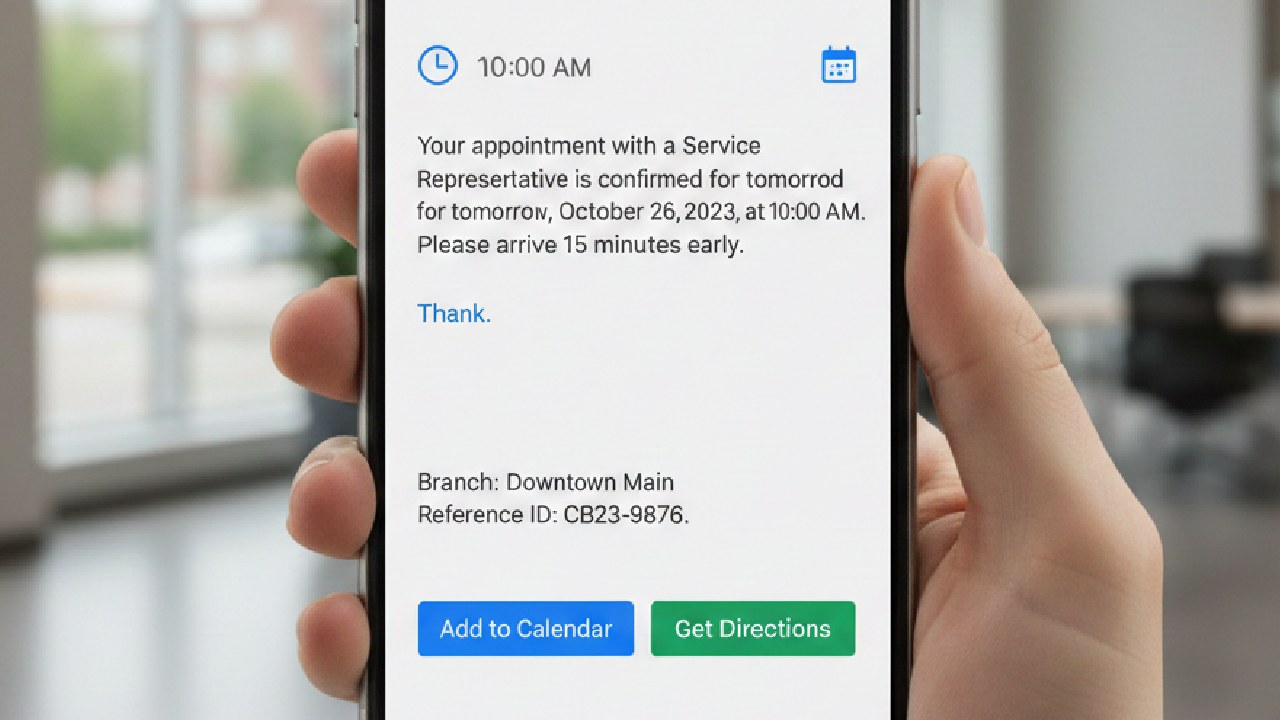
Telegram cannot fully replace SMS for business messaging.
It can support SMS in certain situations, but only when your audience already uses Telegram and the message does not involve authentication, security, or time-critical alerts.
On the surface, the comparison feels tempting. Telegram is free, supports rich media, handles large groups, and looks far more modern than plain text messages. It’s easy to ask why businesses still pay per message for SMS when Telegram seems to offer more for less.
The problem is reach and reliability. SMS and Telegram serve very different roles. They run on different infrastructure, depend on different user behavior, and fail in very different ways. Using the wrong channel for the wrong message doesn’t just reduce engagement—it can break login flows, delay critical alerts, or expose you to compliance issues.
In this guide, we’ll explain when Telegram can work as a messaging channel for businesses, when it absolutely cannot replace SMS, how the two compare in real-world use, and why many companies end up using both instead of choosing just one.
Can Telegram Be Used as SMS? (Short Answer)
No. Telegram cannot be used as SMS. They run on different networks, require different user setups, and do not connect to each other in any way.

Source: FreePik
Telegram Is Not SMS
Telegram is an internet-based app that users must install, sign into, and keep online. SMS is built into every mobile phone and works through carrier networks, even without internet access.
Because of this separation, Telegram messages cannot be delivered as SMS, and SMS messages cannot appear in Telegram. Each channel requires its own sending method, its own recipient setup, and its own infrastructure.
When People Say “Use Telegram as SMS,” What They Really Mean
When businesses talk about replacing SMS with Telegram, they’re usually not asking about technology. They’re asking whether Telegram can cover the same business use cases—notifications, alerts, promotions, or updates—without paying per message.
In other words, the real question is: “Can we reach our customers on Telegram and avoid SMS costs?”
For some businesses, the answer is yes—but only in a narrow context. They aren’t messaging random phone numbers. They’re messaging people who already use Telegram and have actively joined a channel or group. That works for existing Telegram users, but it does not replace SMS’s ability to reach any phone number by default.
How Telegram Messaging Is Fundamentally Different From SMS?
The difference between Telegram and SMS isn’t about features. It’s about who you can reach, when messages arrive, and what happens when something goes wrong.
Network and delivery mechanism
SMS runs on carrier networks designed specifically for text delivery. Messages arrive even when users don’t have internet access, smartphones, or apps installed. That reliability is why SMS still works during outages or network disruptions.
Telegram depends entirely on internet access and platform availability. Messages fail when users lose connectivity, disable the app, or when the service is blocked or unavailable in certain regions. When Telegram stops working, there is no fallback.
User reach and accessibility
SMS can reach any active mobile phone number worldwide. If a device can receive calls, it can receive SMS. That includes basic phones, older users, and regions with limited smartphone adoption.
Telegram only reaches users who have installed the app and created an account. If someone never joined Telegram—or stopped using it—you cannot reach them, even if you have their phone number.
User dependency and message control
SMS requires nothing from the recipient beyond owning a phone. Messages arrive by default, and delivery does not depend on user behavior.
Telegram depends heavily on user choices. Users can mute notifications, log out, uninstall the app, or ignore messages entirely. From a business perspective, that means delivery is never guaranteed, even for users who once opted in.
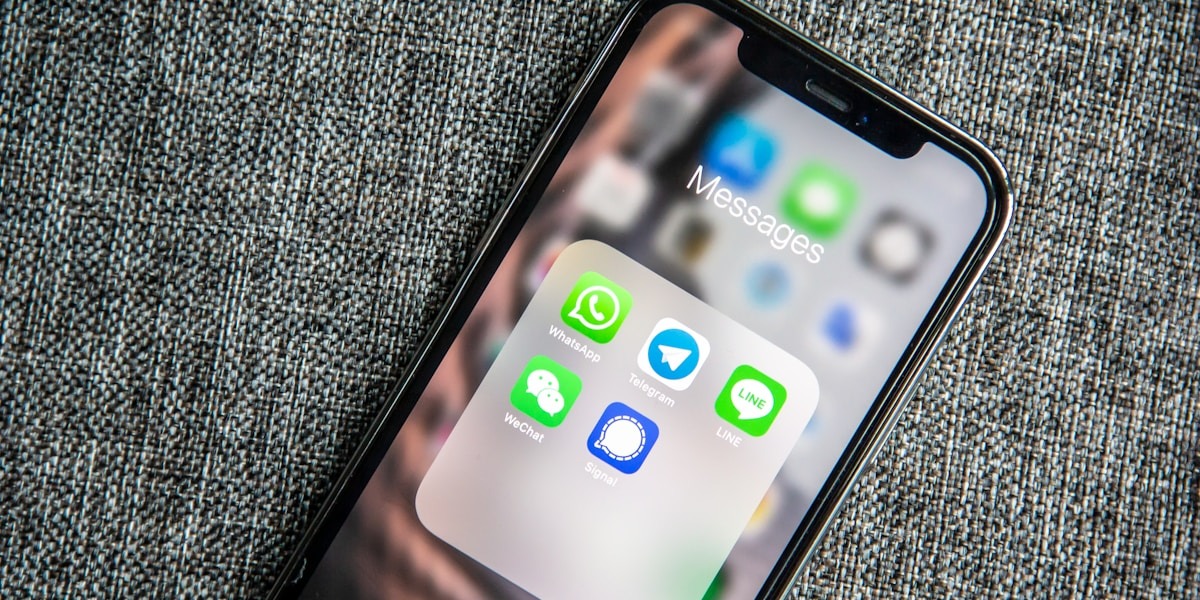
Source: Unsplash
When Telegram Can Work Like SMS (Practical Use Cases)
Telegram can work like SMS in a limited set of situations—but only when audience access is already solved and message delivery is not mission-critical.
Messaging existing users who already use Telegram
Telegram works well when your customers already use the app as part of their daily routine. This is common in tech-focused communities and regions where Telegram is a primary messaging platform.
Cryptocurrency projects, developer tools, and early-stage tech companies use Telegram effectively because their audiences are already there. In these cases, Telegram isn’t replacing SMS—it’s simply the channel customers expect.
Community announcements and group notifications
Telegram channels make it easy to send updates to large groups at no cost. Communities, event organizers, and membership-based businesses use them to share announcements, content drops, or schedule changes.
The tradeoff is reach. Users must choose to join your channel, and you can’t message people who haven’t opted in. That limits scale, but it also means your audience is self-selected and engaged.
Internal or closed user communication
Telegram works reliably inside closed systems where participation requires installing the app. Teams, private communities, and beta programs often use Telegram for coordination because everyone involved is already onboarded.
When you control access—and no one depends on Telegram for first-time access or critical alerts—the platform functions smoothly for day-to-day communication.
When Telegram Cannot Replace SMS
Telegram fails as a substitute for SMS in scenarios where delivery must work for everyone, every time. These are not edge cases—they are core business functions.
OTP, Verification Codes, and Authentication
Telegram cannot support login codes or verification messages typically delivered via OTP SMS, because new users don’t have Telegram installed yet and existing users may not be able to access the app until verification is complete.
This creates a circular failure: users must authenticate to access Telegram, but they need Telegram to authenticate. SMS avoids this problem entirely because it reaches the phone number being verified, without requiring prior access.
Emergency or Critical Notifications
Critical messages cannot depend on app usage or internet availability. Telegram messages fail when notifications are muted, the app hasn’t been opened recently, or connectivity drops.
Appointment reminders, delivery alerts, payment confirmations, and safety notices all require guaranteed delivery, which is why many businesses rely on an SMS notification service instead of app-based messaging for critical communication. In these cases, missing a message costs more than sending it—and SMS remains the safer option.
Reaching Users Who Are Not on Telegram
Most businesses cannot reliably know which customers use Telegram. If a customer never installed the app, stopped using it, or deleted their account, Telegram messages simply never arrive.
SMS avoids this uncertainty. If you have a valid phone number, the message reaches the device. That universality is why SMS remains essential for transactional and operational communication.
Can Telegram Be Connected to SMS?
Yes—but connecting Telegram and SMS usually adds complexity instead of removing it. These setups work in narrow cases, but they are rarely simpler or cheaper than using SMS directly.
SMS forwarding and notification bridges
Automation tools can forward Telegram messages to SMS, creating a one-way bridge for urgent notifications. This is common for internal teams that prefer Telegram but still need guaranteed delivery for high-priority messages.
For example, a sales or operations team may post urgent updates in a Telegram channel and automatically forward only tagged messages to SMS. This keeps most communication inside Telegram while ensuring critical alerts reach everyone.
Automation tools and integrations
Some businesses connect Telegram bots to SMS gateways using automation platforms or custom integrations. Teams coordinate internally on Telegram, then trigger SMS messages only when customer-facing delivery is required.
This approach preserves Telegram’s speed for internal communication while relying on SMS for messages that must be received, such as escalations or status updates.
Why these integrations rarely scale cleanly
Bridging Telegram and SMS increases cost, latency, and operational overhead. Messages may be delayed by automation steps, integrations can break without warning, and teams must maintain two systems instead of one.
In practice, most companies find that integrations make sense only as a fallback or escalation layer—not as a replacement for SMS.

Source: Unsplash
Telegram vs SMS for Business Messaging
Direct comparison reveals why each channel suits different business needs.
| Decision Factor | SMS | Telegram |
| Audience Reach | Reaches any active phone number worldwide | Limited to users who installed and use Telegram |
| Delivery Reliability | High and predictable across carriers | Depends on app usage, internet, and platform availability |
| Setup Requirements | Phone number only | App install, account setup, and connectivity |
| Cost Structure | Pay per message | Free for messages sent inside the platform |
| Critical Notifications | Designed for OTPs, alerts, confirmations | Not suitable for authentication or time-critical alerts |
| Rich Media & Groups | Limited (MMS, higher cost) | Native support for media, channels, and large groups |
| Compliance & Consent | Strong regulatory framework (opt-in, opt-out) | Platform rules + general data protection laws |
| Long-Term Control | Stable, carrier-based infrastructure | Centralized platform, subject to policy or regional blocks |
Reach and delivery
SMS delivers messages to any valid phone number with predictable reliability. Telegram only reaches users who actively use the app. If delivery must work by default, SMS is the safer choice.
Cost vs. actual coverage
Telegram looks free, but only messages sent to active users have value. SMS costs money, but it guarantees delivery. The real comparison isn’t cost per message—it’s cost per message successfully received.
Compliance and risk
SMS requires strict opt-in and opt-out handling, but those rules also provide clarity and legal protection. Telegram relies on platform enforcement, which can result in sudden bans or message restrictions without recourse.
Platform control
SMS infrastructure is distributed across carriers, making it resilient over time. Telegram is a single platform. Policy changes, account bans, or regional blocks can instantly remove your ability to reach users.
Compliance, Privacy, and Risk Considerations
Choosing the wrong messaging channel doesn’t just affect delivery. It changes your legal exposure, operational risk, and long-term control over customer communication.
SMS Compliance and Regulatory Clarity
SMS operates under strict and well-defined rules around consent, opt-outs, and acceptable use. While these requirements add overhead, they also create predictability. Businesses know what is allowed, how to comply, and how violations are judged.
This structure makes SMS safer for regulated, transactional, and customer-critical messaging. When issues arise, there are clear standards, audit trails, and established dispute processes.
Telegram Platform Rules and Account Risks
Telegram enforces its own platform policies against spam and commercial abuse. These rules are broader, less transparent, and enforced at the platform’s discretion.
Account restrictions or bans can happen suddenly, often triggered by user reports or automated detection. When that happens, businesses lose access to channels, message history, and audiences with little warning or recourse.
Data Ownership and Message Control
With SMS, businesses retain access to delivery records, message logs, and compliance data through their providers. This supports audits, customer disputes, and long-term record keeping.
Telegram controls message data within its platform. Access depends on account status and API permissions, and exporting history or contacts is limited. From a risk perspective, this means less control and fewer recovery options if the platform relationship ends.
Should Businesses Use Telegram, SMS, or Both?
The right choice isn’t about features or cost. It comes down to who you’re messaging and what happens if the message is missed.
Use Telegram when engagement matters more than reach
Telegram works best for audiences that already live on the platform. It’s a strong option for community updates, product announcements, and ongoing conversations where users choose to stay connected.
If your messages are informational, non-urgent, and aimed at engaged users, Telegram can be an effective primary channel.
Use SMS when delivery is non-negotiable
SMS remains essential for authentication, verification codes, critical alerts, appointment reminders, and transactional updates. These messages must arrive regardless of apps, settings, or internet access.
When a missed message creates support tickets, lost revenue, or security issues, SMS is the safer choice.
Use both when your messaging needs are mixed
Many businesses combine both channels. SMS handles authentication and critical notifications, while Telegram supports marketing, community engagement, and rich content for users who opt in.
This approach gives customers choice without putting core operations at risk. Telegram becomes an enhancement, not a replacement.
Closing Thoughts
Telegram is not a replacement for SMS, but it can be a useful addition when your audience is already engaged on the platform. SMS remains essential for authentication, critical alerts, and any message that must be delivered reliably to every customer.
The businesses that run into trouble are the ones that treat Telegram like a universal channel. The ones that succeed assign each channel a clear role: SMS for reliability and reach, Telegram for engagement and community.
If SMS is part of your critical messaging stack, choosing the right infrastructure matters. Platforms like SMS Boosting are built specifically for OTP delivery, alerts, and transactional messages where failure isn’t an option.