Sending spam-like text messages is the fastest way for a business to get blocked by carriers. One wrong message can shut down your sender number, kill delivery rates, and waste an entire campaign before it even starts.
Carriers don’t guess. They actively blacklist sending patterns that look deceptive, aggressive, or non-compliant—even when businesses believe their messages are legitimate. The result is blocked messages, rising opt-outs, damaged brand trust, and potential TCPA penalties.
In this guide, we break down 15 real spam text message examples that carriers and filters flag every day. You’ll see exactly why each one gets blocked and how to rewrite your messages so they reach customers without triggering spam filters.

Source: Designed by Freepik
How Do Carriers and Filters Identify Spam Text Messages?
Carriers use pattern recognition, not just keyword blocking, to identify spam text messages in real-time.
Message patterns trigger the first layer of detection. Filters analyze sending frequency, message similarity across recipients, and response rates. Identical messages blasted to thousands of recipients within minutes raise immediate red flags, especially from new or unverified sender numbers.
Behavioral signals provide the second detection layer. Carriers track how recipients interact with your messages. High delete rates without reading, frequent opt-out requests, and spam reports all signal problematic content. Numbers that consistently generate these negative signals get filtered or blocked.
Risk indicators in message content activate additional scrutiny. Certain industries (financial services, health products, debt collection), specific phrases (free, act now, limited time), and formatting choices (all caps, excessive punctuation) trigger enhanced review. Combined with poor engagement metrics, these elements fast-track messages into spam folders.
Volume spikes from previously inactive numbers alert fraud detection systems. A number that suddenly sends thousands of messages after months of silence looks like a compromised or purchased sender ID, both common spam tactics.
The key insight: carriers don’t just scan for “bad words.” They evaluate your entire sending pattern, recipient engagement, and message structure to determine spam probability before delivery.
What Do Common Spam Text Messages Look Like?
Each example below demonstrates a specific pattern that triggers spam filters and how it appears to recipients.
Urgent “Account Suspension” Messages Without Verification

Messages claiming immediate account problems without authentication create panic and distrust.
Spam example:
“Your bank account has been suspended. Verify immediately: [link]”
Mimics phishing behavior. Legitimate businesses don’t demand urgent verification via unsolicited texts.
Better alternative:
“Riverside Bank Alert: We noticed unusual login activity on your account. Please sign in through our official app to review.”
“Click Now” Messages Using Generic Short Links
Spam example:
“Limited-time offer! Click now to save 40%: bit.ly/deal”
Generic short links hide destinations and are common in scam campaigns. Carriers can’t verify where these links lead, so they treat them as security risks.
Better alternative:
“ACME Tools: Take 40% off select power tools this week. View details at acmetools.com/sale”
Messages Without Clear Brand Identification
Spam example:
“Amazing deals inside! Don’t miss out!”
It fails because recipients can’t identify the sender. Compliance requirements and spam filters both demand clear business identification in every message. Start with your business name to pass carrier authentication and build recipient trust.
Better alternative:
“GreenLeaf Spa: Your loyalty members get 15% off massages this Friday.”
Overly Promotional Discount Messages With No Context
Blasting “50% OFF EVERYTHING!!!” to your entire list without segmentation or relevance triggers spam flags. Recipients who didn’t opt in for promotional content report these as unwanted messages. Target offers to engaged segments who actually want promotional updates.
Messages Using ALL CAPS or Excessive Symbols
“BUY NOW!!!” formatting mirrors known spam patterns that filters actively block. Excessive punctuation and emoji stacking reduce message professionalism while triggering automated filtering systems. Professional formatting maintains deliverability and brand credibility simultaneously.
Repetitive Messages Sent Too Frequently
Sending the same promotion three times in one day annoys recipients and alerts carriers to aggressive marketing tactics. High-frequency sending from a single number generates opt-outs and spam reports that permanently damage sender reputation. Space messages appropriately based on content value and recipient engagement history.
“Reply YES to Claim” Messages Without Prior Context
Spam example:
“Reply YES to claim your free gift!”
It confuses recipients who never requested anything from your business. This tactic mimics confirmation phishing where criminals trick people into subscribing to premium services. Carriers block these patterns to protect consumers from fraud.
Better alternative:
“You’re receiving this because you booked with BrightSmile Dental. Reply YES if you’d like us to send your free whitening guide.”
Generic Prize or Reward Notifications
Spam example:
“Congratulations! You’ve won a $500 gift card!”
It triggers spam filters because prize scams use identical language. Even legitimate contests suffer from this association. Reference specific contest entries or promotions to distinguish your message from fraudulent notifications.
Better alternative:
“You entered our Black Friday giveaway at FitZone Gym. Winners will be announced on Nov 30 by email.”
Messages Requesting Sensitive or Personal Information
Asking for social security numbers, account passwords, or credit card details via text violates security best practices. Carriers automatically flag messages requesting sensitive data as potential identity theft attempts. Legitimate businesses never collect sensitive information through text messaging.
Messages Sent Without Clear Prior Opt-In
Texting purchased lists or scraped phone numbers violates TCPA regulations and generates immediate spam complaints. Carriers track consent history through opt-in databases, flagging senders who contact unsubscribed recipients. Build your list organically with explicit consent to maintain legal compliance and deliverability.
Poorly Localized or Auto-Translated Messages
Machine-translated texts with awkward phrasing signal low-quality spam operations to recipients. “Hello friend! Special offering for you product discount!” reads like international scam attempts that carriers actively filter. Invest in proper localization for each market you serve.
High-Volume Sends From Standard P2P Numbers
Blasting thousands of messages from a regular 10-digit number that should handle personal communication triggers fraud alerts. Carriers designed P2P numbers for individual use, not mass marketing. Register dedicated short codes or toll-free numbers for business messaging to avoid blocks.
Messages With Misleading Intent or Framing
“Final notice: Your package is delayed” from a business that never shipped anything to the recipient constitutes deceptive marketing. This framing mimics delivery scams that trick people into clicking malicious links. Honest subject lines and sender identification prevent filtering and legal issues.
Late-Night or Off-Hour Promotional Texts
Sending promotional messages at 2 AM suggests automated spam operations that don’t respect recipient preferences. Poor timing generates complaints and opt-outs that damage your sender reputation. Schedule messages during business hours when recipients actually want to engage with marketing content.
Regulated or Restricted Content Sent Without Approval
Cannabis products, financial services, and healthcare promotions require special carrier approval before sending. Blasting these messages without pre-registration triggers immediate blocks as carriers enforce industry regulations. Complete carrier vetting before messaging in regulated industries.
Misleading Free Trial or Gift Messages
“Claim your free trial, just pay shipping!” without clear terms constitutes deceptive marketing that carriers filter aggressively. Recipients who discover hidden charges report these as scams, destroying your sender reputation. Disclose all costs and terms clearly in initial messages.
Messages Impersonating Government Agencies
“IRS: You owe back taxes. Pay now to avoid arrest” represents illegal impersonation that carriers block instantly. Government impersonation constitutes federal fraud, so filters prioritize blocking these patterns. Legitimate government communications come through official channels, never unsolicited texts.
Vague “You’ve Been Selected” Messages
“You’ve been chosen for exclusive access!” without explaining why or by whom mirrors sweepstakes scams. Recipients can’t verify legitimacy when messages lack specific context about previous interactions. Reference actual customer history to establish authenticity.
Messages With Multiple Shortened URLs
Including three or four links in a single text suggests phishing attempts where scammers test which URLs recipients click. Carriers flag multi-link messages as high-risk because legitimate businesses focus on single, clear calls to action. Limit yourself to one branded link per message.
Fake Delivery Notifications
Spam example:
“Your package couldn’t be delivered. Update address now: [link]”
These are common delivery scams. Carriers trained filters specifically to catch these patterns after waves of package notification fraud. Only send delivery updates for actual orders.
Better alternative:
“ACME Store Order #48392 is out for delivery today. Track it at acmestore.com/orders”
Messages Offering Financial Services or Loans
Spam example:
“Pre-approved for a $10,000 loan. Fast cash, no credit check!”
It requires special SHAFT compliance (Short code, High-risk, Age-gated, Financial, TCPA-sensitive) that most businesses lack. Carriers heavily restrict financial service messaging. Even transactional content like SMS payment notifications must follow strict sender registration and audit requirements.
Better alternative:
“FinEdge Credit Union: Your loan application status is available in your secure member portal.”
Health Claims or Medical Product Promotions
“Lose 30 pounds in 30 days with our miracle pill!” violates FDA regulations and triggers immediate carrier filtering. Health claims require substantiation and regulatory approval that text marketing can’t accommodate. Restrict health product messaging to factual descriptions without claims.
Messages With Typos Designed to Evade Filters
“F.r.e.e V!agra” style spacing attempts to bypass keyword filters, but modern AI-powered spam detection identifies these evasion tactics instantly. Deliberate misspellings signal spam operations trying to hide their content. Professional spelling improves deliverability and brand perception.
Unsolicited Job or Investment Opportunities
“Make $5,000 weekly from home!” represents work-from-home scams that carriers actively block. Even legitimate job offers sent unsolicited get filtered because scammers heavily exploited this channel. Recruit through proper channels where candidates opt in to receive opportunities.
Messages Pressuring Immediate Action With Fear Tactics
Spam example:
“Account will close in 24 hours unless you verify now!”
It uses urgency and fear to manipulate recipients into clicking malicious links. This psychological manipulation technique defines phishing attempts that carriers prioritize blocking. Communicate urgency through facts, not manufactured threats.
Better alternative:
“We couldn’t complete your recent payment for your BrightNet subscription. Please update your billing info before your next renewal date.”
How Can Businesses Identify Spam Risk Before Sending?
Test your messages against carrier guidelines before launching campaigns to avoid costly filtering mistakes.
Run compliance checks using your SMS platform’s built-in tools. Quality platforms flag regulated keywords, missing opt-out language, and formatting issues that trigger spam filters. Address these warnings before sending to prevent blocks.
Review recipient engagement history for your sender number. Low open rates, high opt-outs, and spam reports indicate your messaging strategy needs adjustment before expanding campaigns. Carriers penalize senders who ignore poor engagement signals.
Compare your message against known spam examples like those listed above. If your text resembles any common spam pattern, even unintentionally—rewrite it with clearer identification, honest framing, and specific value propositions.
Test sends to small segments before full campaigns. Monitor delivery rates and recipient responses to identify filtering issues early. A 20% delivery failure rate on test sends predicts widespread filtering on larger campaigns.
Verify sender registration meets carrier requirements for your industry and message volume. Unregistered high-volume senders get blocked regardless of content quality.
How to Write Business Text Messages That Don’t Look Like Spam?

Source: Designed by Freepik
Lead with clear identification and specific value to distinguish legitimate business messages from spam. Business text messages avoid spam filtering when they look and feel like real customer communication—not mass marketing blasts.
State your business name immediately.
Always lead with your business name so recipients instantly know who’s texting them.
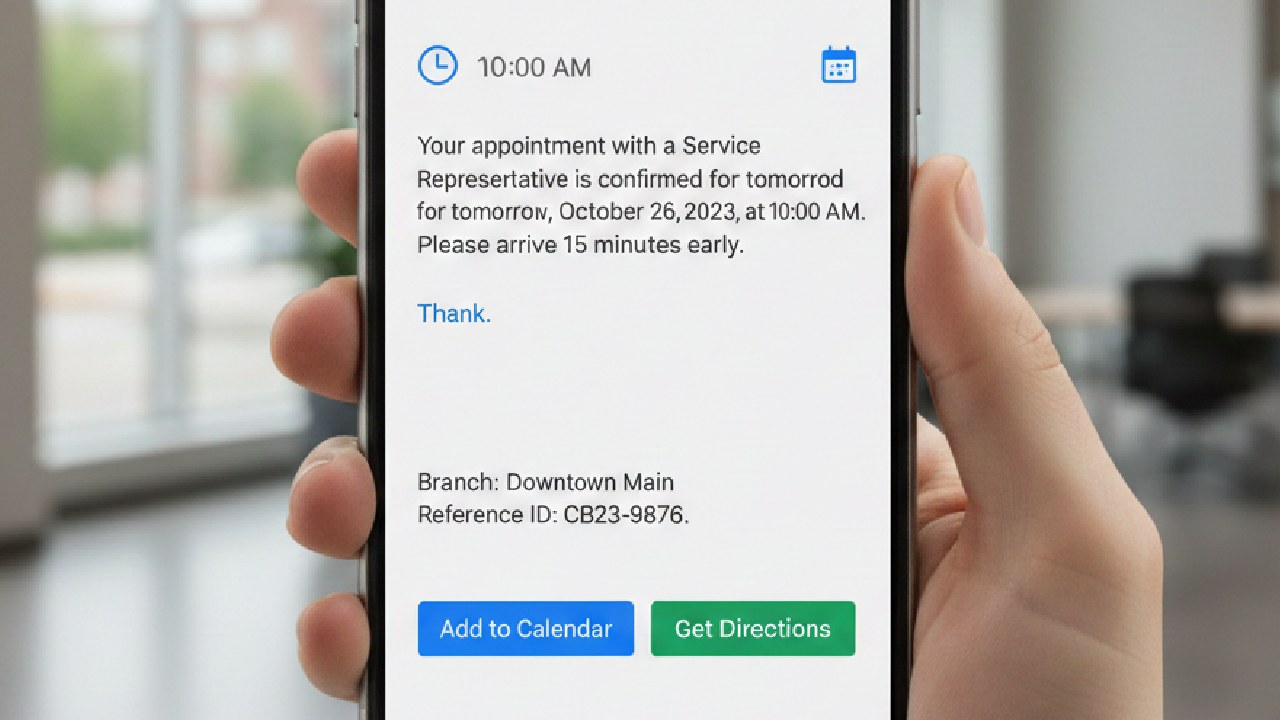
“Sarah from Riverside Dental: Your appointment is confirmed for Tuesday at 10 AM.”
Anonymous messages raise red flags for both carriers and recipients. If people can’t identify the sender within the first few words, they’re more likely to ignore, delete, or report the message.
Provide specific, relevant context.
Legitimate messages explain why the recipient is getting the text. Reference a real interaction—an appointment, purchase, signup, or request—so the message feels expected instead of intrusive.
“Following up on your kitchen consultation last Thursday…”
Vague language like “exclusive offer” or “important update” without context often resembles scam traffic and gets filtered.
Use a conversational, professional tone.
Write like a person, not a marketing engine. Messages that sound exaggerated, aggressive, or overly promotional trigger spam filters and reduce trust at the same time.
“We have your sofa ready for pickup” works far better than “AMAZING FURNITURE DEALS INSIDE!!!”
If it wouldn’t sound normal in a one-to-one conversation, don’t send it in bulk.
Include clear opt-out instructions.
Every promotional message should make opting out easy.
“Reply STOP to opt out.”
Carriers favor senders who respect user choice. Messages without opt-out instructions often generate complaints, even from users who originally opted in.
Limit URLs to one branded link.
Use a single, branded URL that clearly matches your business domain.
“Schedule at RiversideDental.com/book”
Multiple links or generic short URLs create security concerns and are frequently flagged as phishing behavior.
Send at Reasonable Times.
Send messages during business hours when recipients actually want to engage. Respect time zones for national campaigns.
Segment messages by recipient interest.
Don’t blast promotional content to your entire list. Target specific offers to customers who’ve shown interest in those products or services.
How Do Professional SMS Platforms Reduce Spam and Filtering Risk?
If you’ve ever had a campaign fail without knowing why, this is usually where the problem lives. Quality SMS platforms build compliance and deliverability protection directly into their infrastructure.
Content Review, Compliance Tools, and Sending Controls
Professional platforms scan messages pre-send for spam triggers, compliance violations, and regulatory issues. Automated content review flags problematic phrases, missing disclosures, and formatting errors before they damage your sender reputation. Built-in compliance libraries keep pace with changing carrier requirements and TCPA regulations without requiring you to become a legal expert.
Sending controls prevent the volume spikes and frequency errors that alert spam detection systems. Rate limiting spreads messages across appropriate timeframes rather than blasting thousands simultaneously. Sender reputation monitoring tracks your metrics across carriers and alerts you to emerging deliverability problems before they become catastrophic.
Managing Opt-Ins, Opt-Outs, and Frequency Automatically
Consent management systems verify explicit opt-in for every recipient before allowing sends. Double opt-in workflows, timestamp documentation, and audit trails prove compliance if you face regulatory scrutiny. These systems automatically suppress opted-out numbers across all your campaigns, preventing the accidental re-contact that generates spam complaints.
Frequency capping limits how often individual recipients receive messages regardless of how many campaigns you run simultaneously. This prevents the message bombardment that annoys customers and triggers carrier filtering.
Monitoring Deliverability and Carrier Feedback
Real-time delivery monitoring identifies filtering issues as they emerge. If your delivery rate drops suddenly, platforms alert you before you waste budget on messages that never arrive. Carrier feedback loops provide direct intelligence about what’s causing blocks so you can address issues immediately.
Final Thoughts
Spam filtering isn’t about avoiding a few bad words. It’s about how carriers evaluate trust.
The examples in this guide show a clear pattern: unclear sender identity, misleading framing, poor timing, and aggressive tactics all damage deliverability fast—and repairing a blocked sender number can take months.
Better results come from doing the basics right every time. Clear identification, honest context, proper consent, and professional formatting separate real business messages from the spam carriers are trained to stop.
If SMS is a core channel for your business, deliverability can’t be an afterthought. Working with a platform that actively monitors carrier feedback, enforces compliance, and protects sender reputation makes a real difference. SMS Boosting is built around long-term message delivery—not just sending volume—so your texts reach customers instead of getting filtered out.
Before your next campaign, audit your messages against the examples above. Fix the risky patterns now, and your delivery rates—and customer trust—will improve immediately.