SMS marketing in Malaysia works best when it is treated as a regulated messaging channel, not just a cheap broadcast tool. Businesses in Kuala Lumpur, Selangor, Penang, Johor, and Sabah use SMS for promotions, OTP verification, delivery notices, payment reminders, and loyalty campaigns across networks such as CelcomDigi, Maxis, U Mobile, unifi Mobile, and Yes.
This guide explains how to choose a Malaysia bulk SMS gateway, how sender ID approval usually works, what pricing factors affect a quote, and how to set up an SMS API for Malaysian mobile numbers.
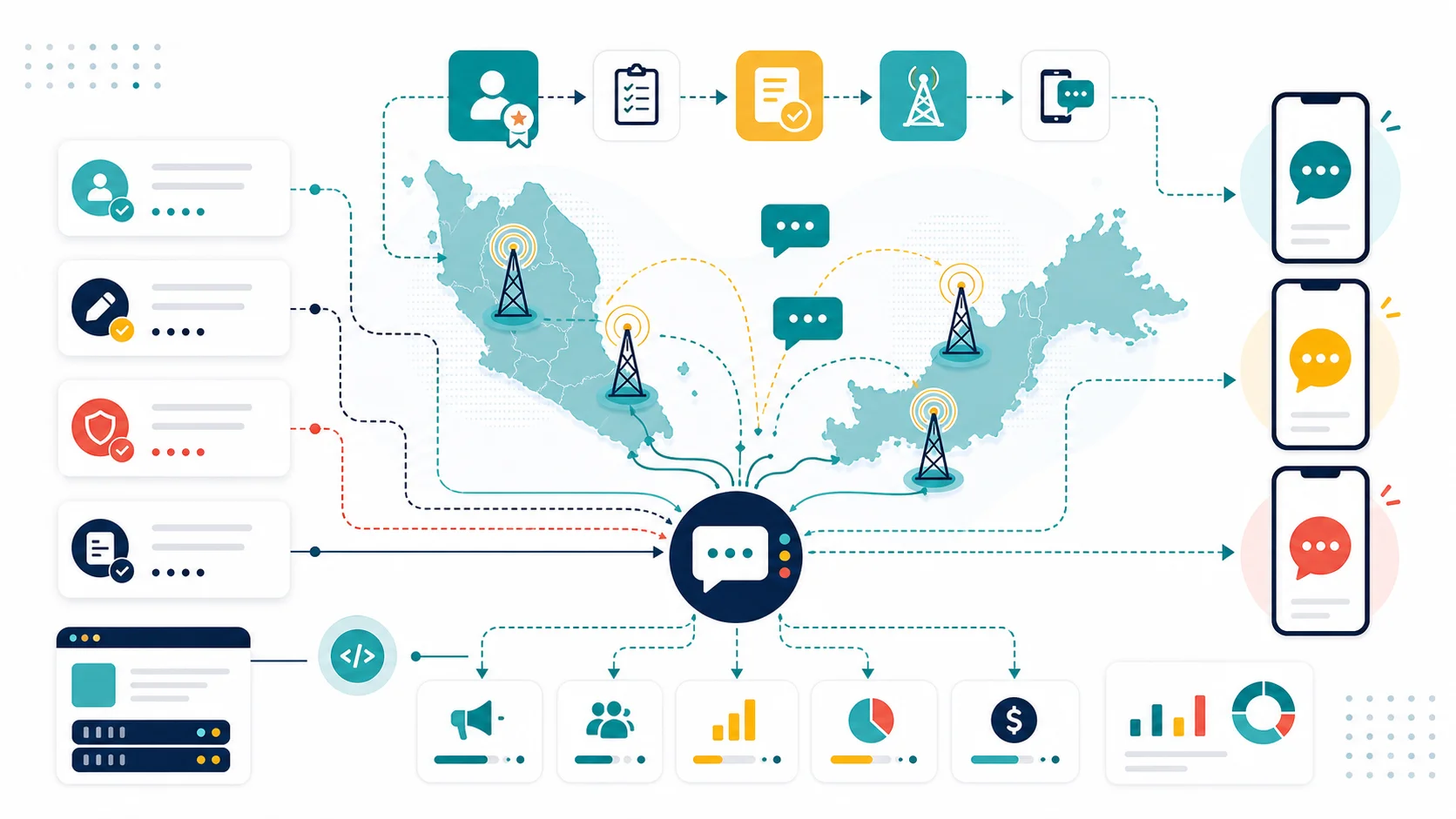
Quick answer: A reliable SMS marketing setup in Malaysia needs opt-in contact lists, an approved sender ID, routes that can reach CelcomDigi, Maxis, U Mobile, unifi Mobile, and Yes, and an API that returns delivery reports by campaign. Pricing should be compared by route quality, message type, operator coverage, Unicode usage, and monthly volume rather than by the lowest headline rate.
Malaysia Mobile Market and Regulatory Context
Malaysia has a mobile-first customer base, with prepaid and postpaid users spread across major urban areas such as Klang Valley and regional markets such as Penang, Johor Bahru, Kuching, and Kota Kinabalu. SMS still has a role because banks, e-commerce platforms, clinics, logistics firms, and retail chains need messages that can reach users without app notifications.
The main mobile brands to test are CelcomDigi, Maxis, U Mobile, unifi Mobile, and Yes from YTL Communications. CelcomDigi changed the routing picture after the Celcom-Digi merger, while U Mobile and Malaysia’s second 5G network plan keep the operator environment active. For SMS, the practical question is simpler: can your provider deliver to each network and report failures clearly?
The Malaysian Communications and Multimedia Commission (MCMC) regulates the communications sector. Marketing teams also need to respect Malaysia’s Personal Data Protection Act 2010 (PDPA) when they use customer phone numbers for direct marketing. In practice, this means SMS campaigns should use lawful contact sources, clear brand identification, and a working opt-out process.
| Local Network Brand | Why It Matters for SMS |
|---|---|
| CelcomDigi | Large merged mobile base; important for national OTP and retail campaigns |
| Maxis | Strong postpaid and enterprise presence; common in urban customer segments |
| U Mobile | Important for price-sensitive and urban mobile users |
| unifi Mobile | Telekom Malaysia’s mobile brand with domestic roaming arrangements |
| Yes | YTL Communications’ mobile brand, often discussed in Malaysia’s 4G/5G context |
What SMS Marketing Can Be Used For in Malaysia

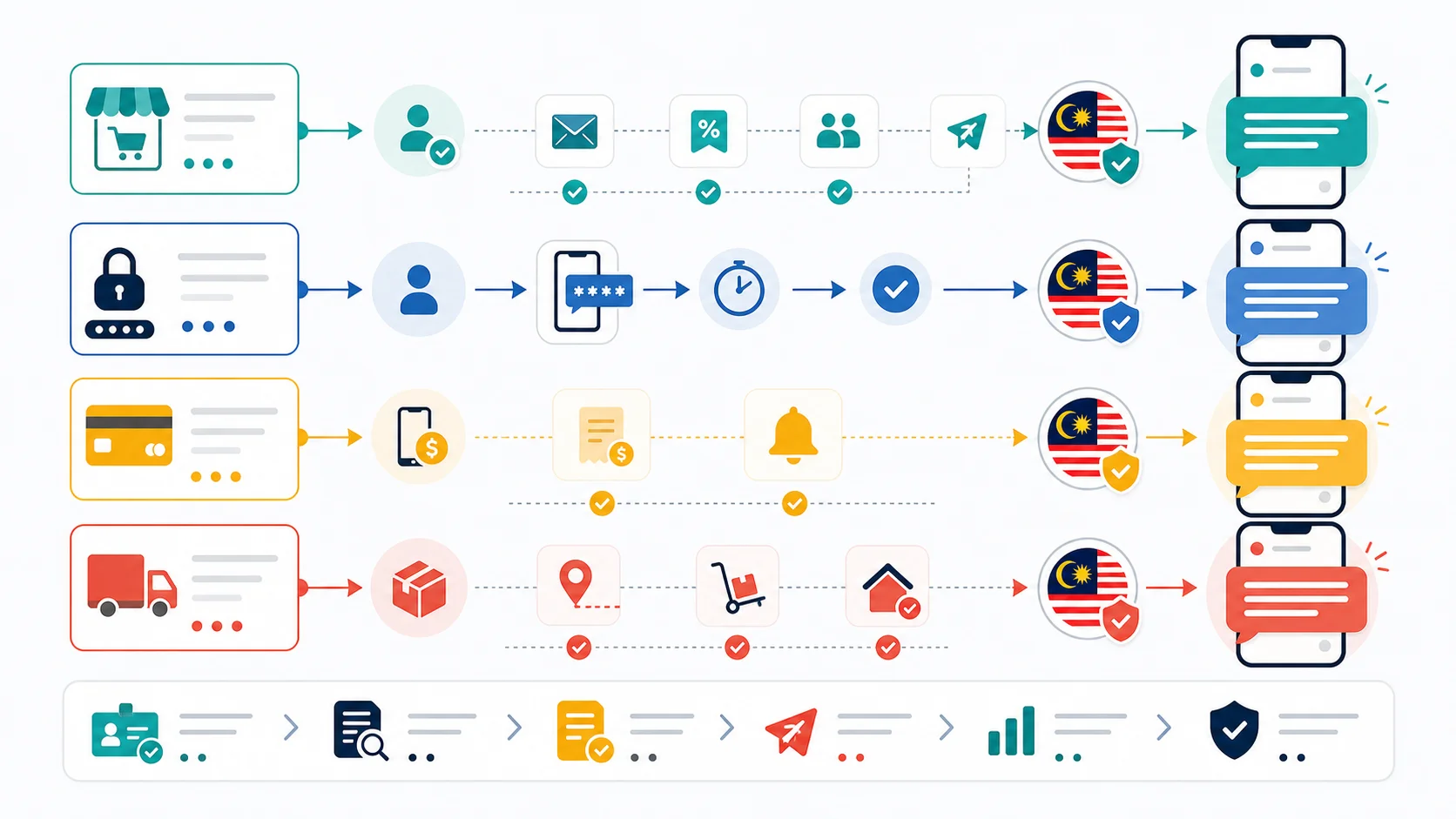
SMS marketing in Malaysia covers more than coupon blasts. A good campaign plan separates promotional messages from OTP and transactional messages because Malaysian carriers and recipients treat those use cases differently.
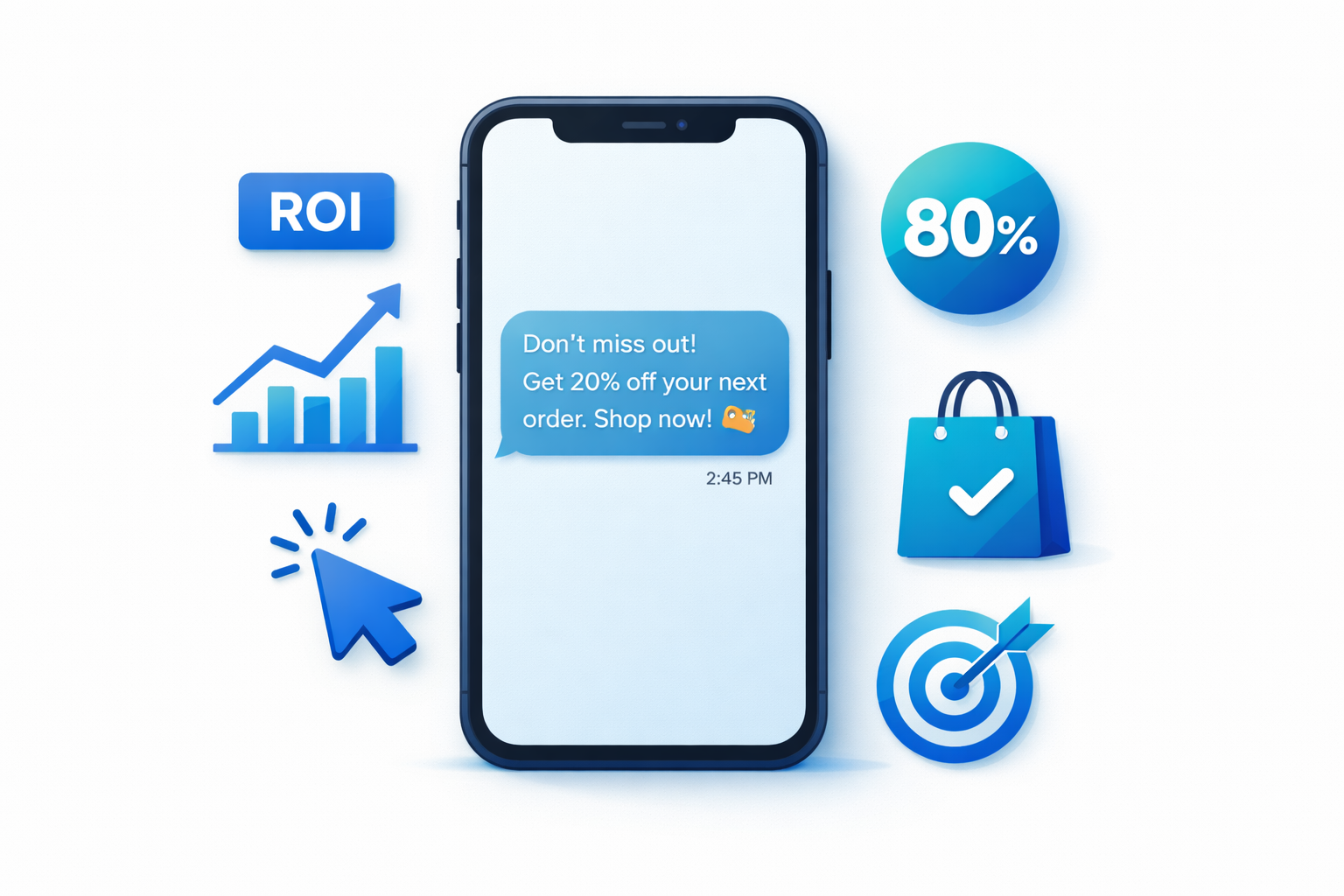
Retail Promotions: Shopping malls, pharmacies, fashion brands, and F&B chains use SMS for Raya offers, Merdeka campaigns, 11.11 sales, and member-only discounts. These campaigns should use consent-based contact lists and a registered sender ID that matches the brand.
E-commerce and Marketplace Alerts: Malaysian sellers on Shopify, WooCommerce, Shopee, Lazada, and TikTok Shop often use marketing SMS for abandoned carts, COD reminders, flash-sale alerts, and delivery nudges. Promotional copy should stay clear and avoid misleading urgency.
OTP and Account Security: Banks, payment apps, wallet providers, and SaaS platforms use OTP SMS for logins, password resets, account changes, and payment confirmation. OTP traffic should not share the same route plan as low-priority marketing traffic.
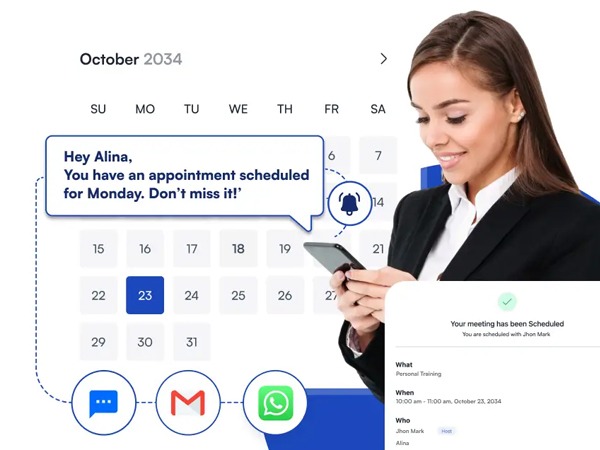
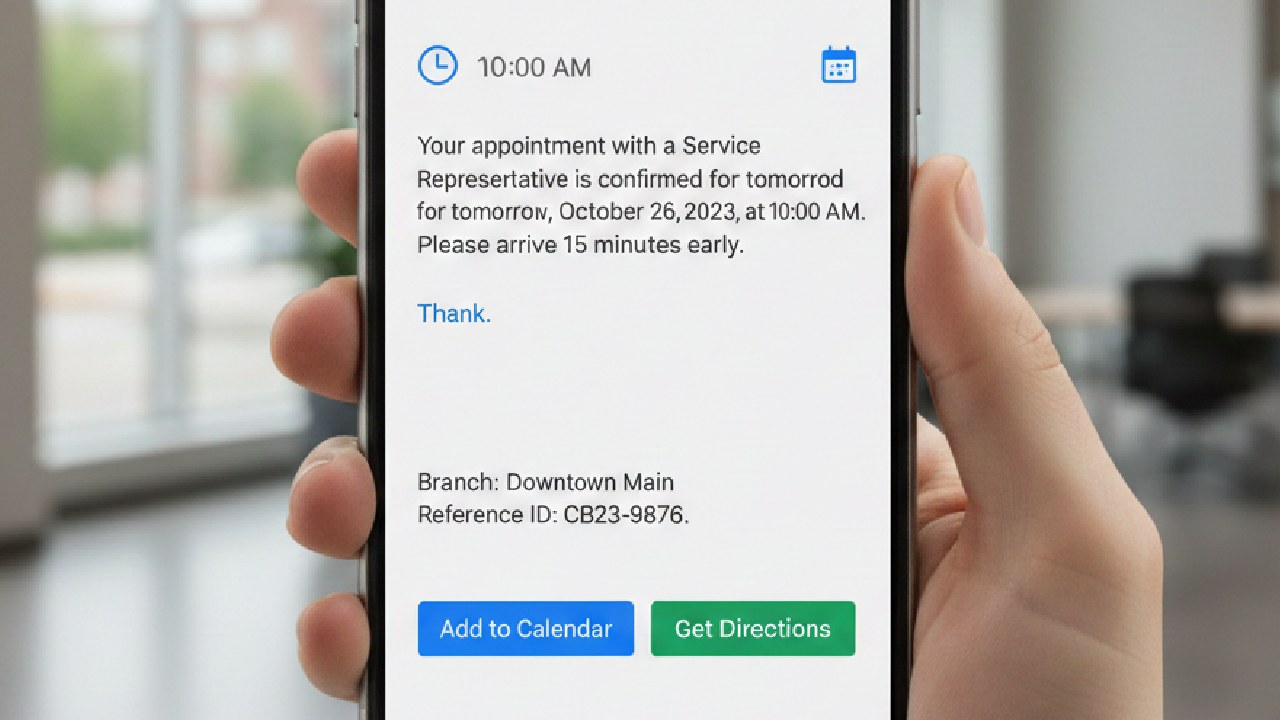
Service Notifications: Clinics, schools, logistics firms, and insurance teams use SMS notification messages for appointments, claim updates, delivery slots, and account reminders. These messages need strong deliverability, but they usually do not need promotional wording.
Keep these categories separate in your SMS gateway account. A Malaysian carrier filter may treat a message differently when a payment alert includes a discount code or when a marketing blast looks like an authentication message.
Sender ID Approval in Malaysia
A sender ID is the name or number that appears as the sender on the recipient’s phone. In Malaysia, branded sender IDs are common for banks, ecommerce brands, schools, insurers, clinics, and retail chains, but approval usually depends on the gateway provider and the operator route.
Alphanumeric Sender ID: Brand names such as YOURBRAND are common for marketing, OTP, and transactional SMS. The requested name should match the company name, trademark, or brand authorization documents.
Numeric Sender: Numeric long codes or shared numbers may be used for some campaigns, but they provide less brand trust than an approved alphanumeric ID.
Short Code: Short codes can support two-way campaigns, polls, keyword replies, and enterprise programs. They often require more setup time and a higher commitment than a standard sender ID.
A practical sender ID flow usually looks like this:
- Prepare company documents such as business registration, brand authorization, and a campaign use-case description.
- Choose a sender ID that clearly matches the Malaysian business or brand.
- Submit the request through your SMS gateway provider for operator review.
- Confirm whether approval applies across CelcomDigi, Maxis, U Mobile, unifi Mobile, and Yes.
- Test a small batch before sending to the full Malaysian contact list.
Avoid generic sender IDs such as “INFO,” “PROMO,” or “VERIFY” when you can use a brand name. Malaysian recipients are used to bank and wallet alerts from recognizable sender IDs, so a vague label can reduce trust even when the message is delivered.
Compliance Checks for SMS Marketing in Malaysia
Malaysia SMS marketing should be built around consent, identification, and suppression-list control. This is partly a legal issue and partly a deliverability issue because complaints can affect filtering.
Use this checklist before sending a Malaysian campaign:
- Consent Source: Keep a record of how each Malaysian contact joined the list, such as checkout opt-in, account registration, event signup, or loyalty membership.
- Brand Identification: Make sure the sender ID and message body identify the business clearly. This is especially important for financial services, ecommerce, and healthcare reminders.
- Opt-Out Handling: Include a practical opt-out method for promotional campaigns and keep suppression lists updated before each send.
- Content Separation: Keep OTP, payment alerts, and order updates free of promotional language. Malaysian filters may treat mixed-purpose templates as higher risk.
- Language Review: Check Malay, English, Chinese, and Tamil message variants for meaning, length, and Unicode segmentation before launch.
This is operational guidance, not legal advice. Before sending regulated content in Malaysia (financial products, lending, healthcare, insurance, political content, or gambling-related material), confirm the exact rule with counsel and your SMS gateway provider.
Malaysia SMS Pricing Factors
Malaysia SMS pricing depends on route quality, destination network, sender ID setup, message category, encoding, and monthly volume.
Route Quality: Direct or high-quality A2P routes generally cost more than grey routes, but they provide better delivery reports and fewer OTP delays. For Malaysian banks, wallet apps, and ecommerce checkout flows, route quality is usually more important than shaving a small amount from each SMS.
Operator Coverage: Ask whether one rate covers all Malaysian networks or whether CelcomDigi, Maxis, U Mobile, unifi Mobile, and Yes traffic is priced separately. Operator-level reporting helps you see whether one network is causing a campaign issue.
Sender ID Fees: Some gateways charge sender ID registration, renewal, or brand-name setup fees. Ask whether those costs are included in the quoted SMS rate or listed separately.
Encoding and Length: English SMS can fit up to 160 GSM-7 characters per part. Malay usually fits GSM-7 when it avoids special characters, while Chinese and Tamil require Unicode and fit 70 characters per SMS part.
Volume Commitments: Larger monthly volumes can reduce the per-SMS rate. Compare quotes only after you know the committed volume, route type, delivery report support, sender ID cost, and support response time.
For budget planning, request a Malaysia quote that separates promotional SMS, OTP SMS, transactional SMS, sender ID costs, API access, delivery reports, and support terms.
If Malaysia is part of a wider messaging rollout, our international bulk SMS service guide explains how to compare coverage, sender ID support, and delivery quality across countries.
SMS API Setup for Malaysia
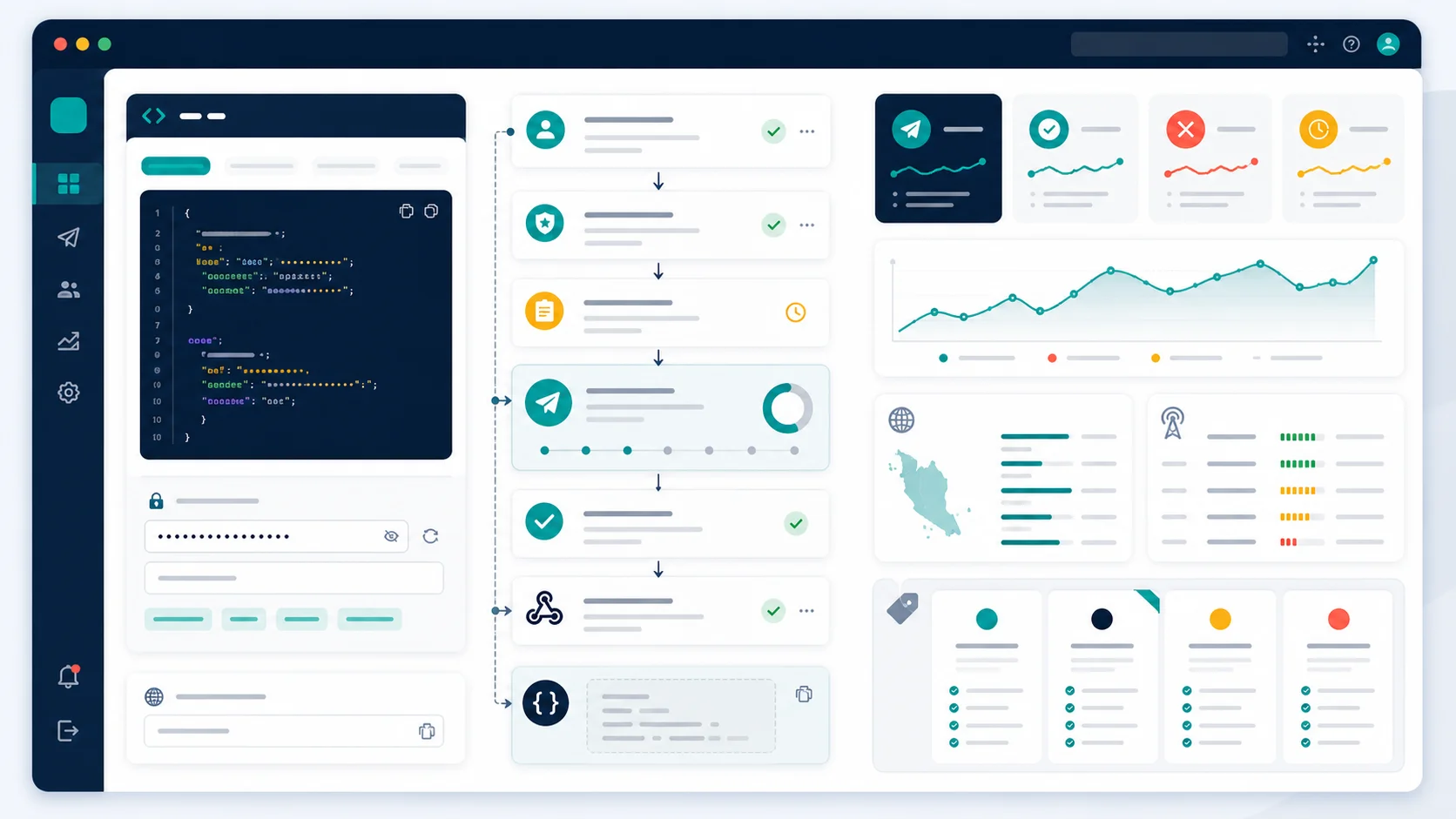
A Malaysia SMS API lets your system send messages automatically when a user signs in, places an order, abandons a cart, or needs a reminder. The API should accept Malaysian numbers in international format, return a message ID, and support delivery reports or webhooks.
Use an SMS API when messages must be tied to user events. Use a dashboard when a marketing team needs to upload Malaysian customer segments, schedule campaigns, and review results without developer help.
Here is a basic cURL example for a Malaysian destination number. Replace the endpoint, credentials, sender ID, and message content with your provider’s values.
curl -X POST “https://api.smsprovider.com/send” \
-H “Content-Type: application/json” \
-d ‘{
“account”: “your_account”,
“password”: “your_password_or_md5_hash”,
“numbers”: “60123456789”,
“content”: “Your verification code is 123456.”,
“sender”: “YOURBRAND”,
“smstype”: 0
}’
Use the international format 60 followed by the mobile number without the leading zero. For example, send to 60123456789 instead of 0123456789. Test number formatting across Malaysian prefixes because mobile number portability means the prefix alone does not always reveal the current network.
Delivery Quality and Common Failures
Delivery quality in Malaysia depends on routing, sender ID status, content, number formatting, and campaign timing. A campaign that works well for Maxis users may still show delays or lower delivery on another Malaysian network if the gateway’s route mix is weak.
Watch these failure patterns before you scale:
- Domestic Number Format: Sending 0123456789 instead of 60123456789 can create rejects or inconsistent normalization.
- Unapproved Sender ID: A sender ID that has not been approved for the right route may be replaced, blocked, or shown as a generic number.
- Unicode Segmentation: Chinese and Tamil messages can be split into more SMS parts than expected, which affects cost and reporting.
- Promotion Inside OTP: A Malaysian OTP template that includes a voucher or sales message can be filtered or moved to a lower-trust category.
- Peak Campaign Timing: Raya, Merdeka, 11.11, 12.12, payday weekends, and major mall promotions can increase congestion.
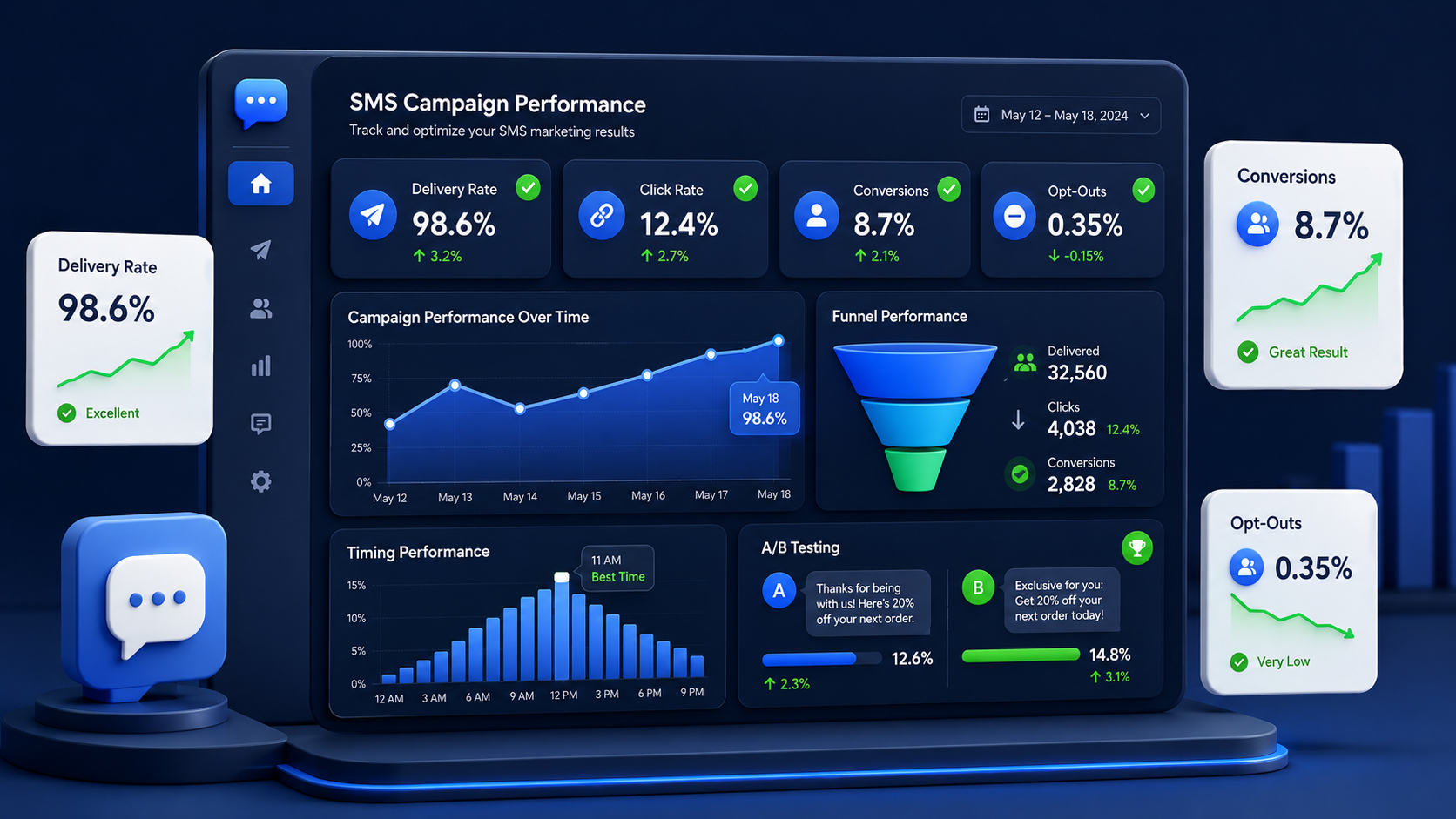
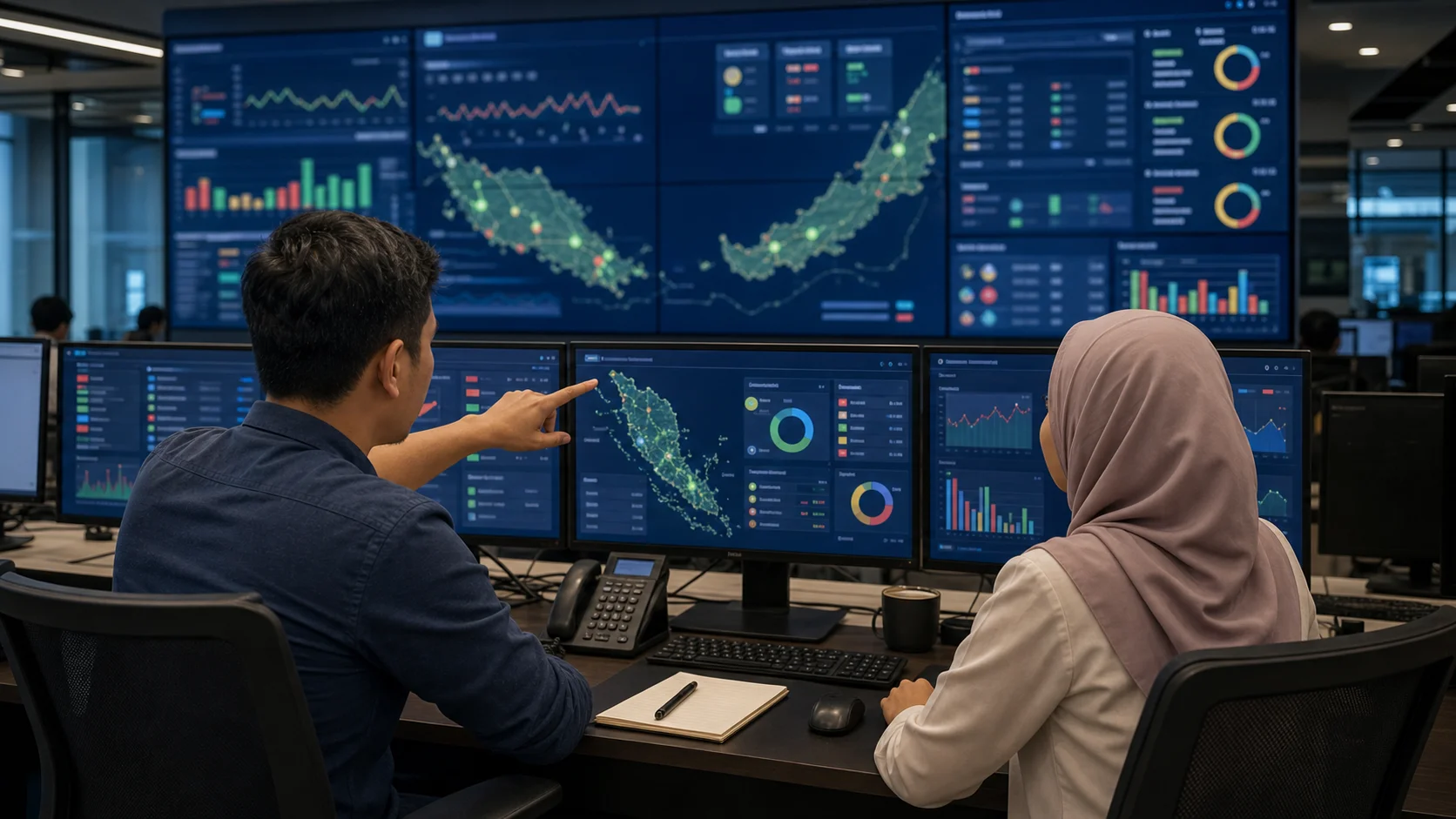
When delivery drops, review delivery failure logs by operator, route, sender ID, content, and number format. A small test list across CelcomDigi, Maxis, U Mobile, unifi Mobile, and Yes can identify the issue faster than sending another full campaign.
Conclusion
SMS marketing in Malaysia works when the setup respects local realities: multi-operator routing, PDPA-aware consent practices, branded sender IDs, multilingual content, and clean delivery reporting. The best provider is not always the cheapest one; it is the one that can show how messages perform across CelcomDigi, Maxis, U Mobile, unifi Mobile, and Yes.
Before launching, test your sender ID, verify Malaysian number formatting, compare route quality, and review opt-out handling. If you are evaluating Malaysia SMS delivery for marketing or OTP use cases, start with a free trial or request a tailored quote based on your monthly volume and route requirements.
FAQ
Do I need a Malaysian company to send SMS marketing in Malaysia?
No. International businesses can send SMS to Malaysia through a gateway provider, but sender ID approval may require business documents, brand authorization, and a campaign use-case description.
Is sender ID registration required in Malaysia?
It depends on the route and message type, but branded sender ID approval is strongly recommended for Malaysian marketing, OTP, and transactional messages. Unapproved or generic sender IDs reduce trust and may face filtering.
Can I send SMS in Malay, Chinese, or Tamil?
Yes. Malay and English may fit GSM-7 when special characters are avoided. Chinese and Tamil require Unicode, which limits each SMS part to 70 characters and can increase cost for longer messages.
What number format should I use for Malaysia?
Use international format starting with 60, such as 60123456789. Do not rely on the domestic leading-zero format in API requests.
How should I compare Malaysia’s bulk SMS pricing?
Compare route quality, operator coverage, sender ID fees, delivery report support, Unicode handling, volume tiers, and support terms. The lowest per-SMS rate is not useful if it delays OTPs or hides failed deliveries.