SMS marketing in Colombia is used by e-commerce stores, fintech apps, marketplaces, retailers, delivery companies, clinics, and local service brands to reach customers in Bogota, Medellin, Cali, Barranquilla, Cartagena, and Bucaramanga. The keyword may say “marketing,” but buyers usually need the full gateway picture: routes, API setup, OTP support, consent, pricing, and delivery reports.
This guide explains how bulk SMS in Colombia works, how to compare providers, how to set up an SMS API for +57 mobile numbers, and what to check before sending promotional or transactional campaigns.
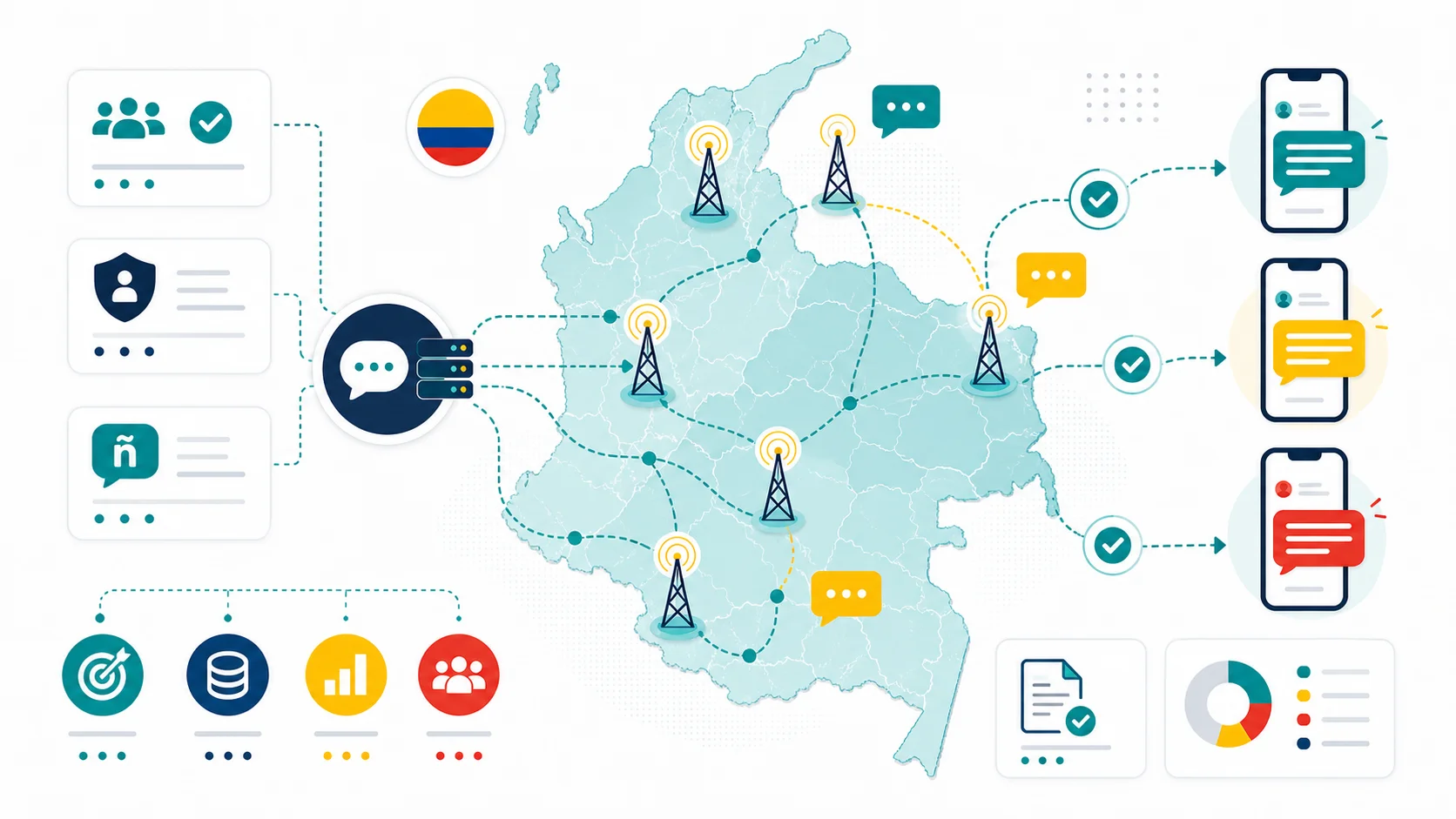
Quick answer: A reliable Colombia SMS marketing setup needs route testing across major operator groups such as Claro, Tigo, Movistar, WOM, and MVNO segments, clean +57 number formatting, Spanish template review, consent controls, delivery reports, and separate handling for OTP, notification, and promotional traffic. Pricing should be compared by route quality, operator reach, sender identity, list hygiene, message length, API limits, and monthly volume.
Colombia Mobile Market and Regulatory Context
Colombia’s mobile market includes Claro, Tigo, Movistar, WOM, and several virtual or wholesale-dependent brands. Market structure has been changing, including Tigo-Movistar consolidation discussions and approvals, so SMS buyers should verify current operator mapping with the provider before a national campaign.
The telecom regulator is the Comisión de Regulación de Comunicaciones (CRC). CRC publishes regulatory projects, market updates, and user-related communications guidance. For SMS buyers, CRC context matters because Colombia messaging quality depends on provider compliance, consumer protection, fraud controls, and clear complaint handling.
Colombia also has privacy and consumer-protection expectations tied to data authorization, commonly discussed under Habeas Data principles and overseen in part by the Superintendencia de Industria y Comercio (SIC). Marketing SMS should use opted-in lists, clear brand identity, and a working opt-out process.
| Colombia Route Area | Why It Matters for SMS |
|---|---|
| Claro | Major mobile network and essential route test group |
| Tigo / Movistar | Important operator traffic, with consolidation context to verify |
| WOM | Challenger network that should be included in delivery testing |
| MVNO segments | Useful for testing prepaid, youth, and budget-plan audiences |
| Bogotá / Medellín / Cali | Dense ecommerce, fintech, retail, and logistics SMS audiences |
What SMS Marketing Is Used For in Colombia
Colombia SMS campaigns often combine customer acquisition, payment reminders, and operational notices. Keep each stream separate so reports and compliance checks stay clear.
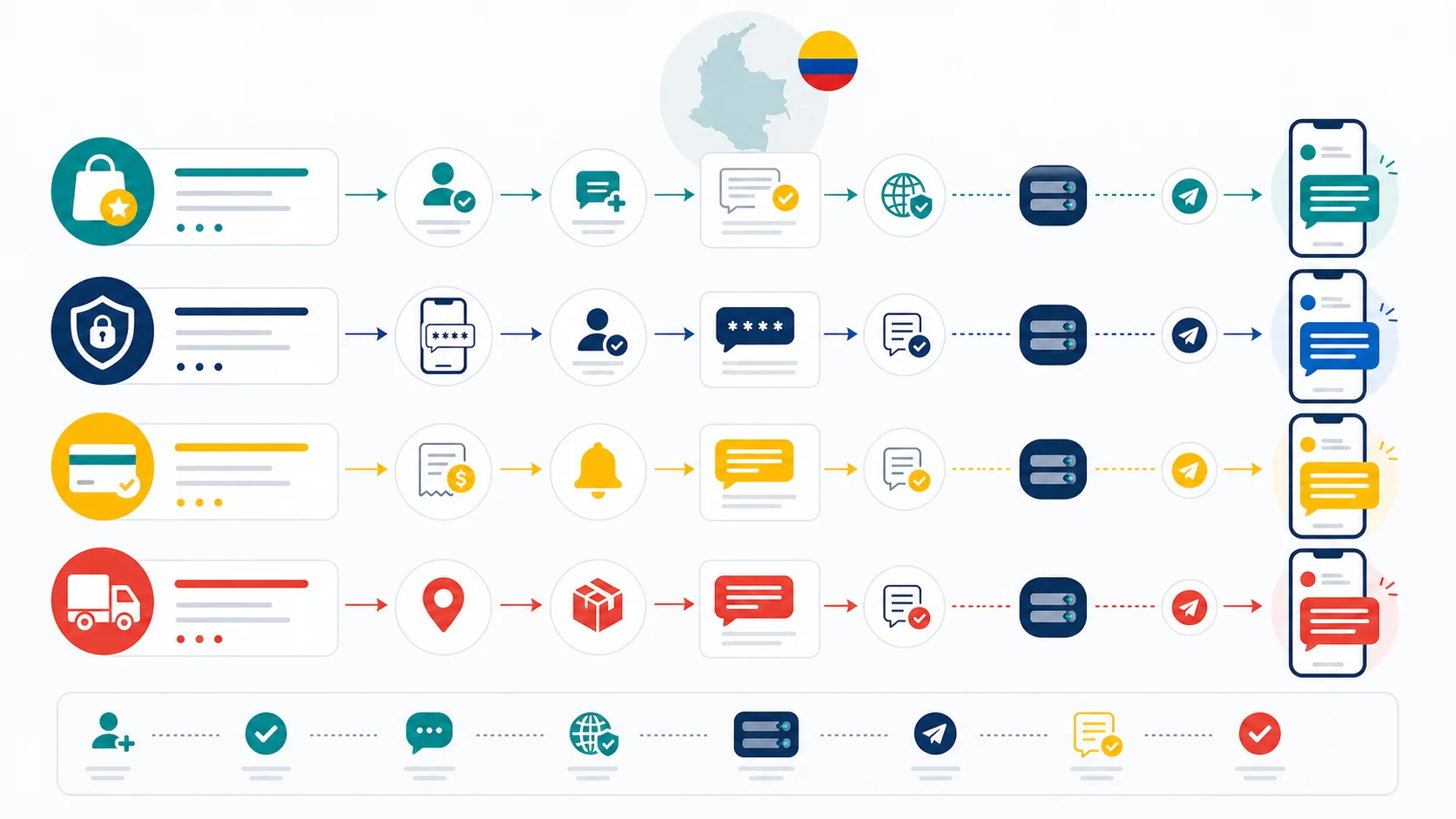
Retail and Ecommerce Promotions: Colombian retailers, marketplaces, pharmacies, restaurants, and fashion brands use marketing SMS for coupon codes, seasonal offers, loyalty reminders, cart recovery, and in-store event notices.
Fintech and Wallet Verification: Digital wallets, lending apps, payment gateways, banks, and insurance platforms use OTP SMS for login, password reset, account changes, and transaction confirmation. Colombia OTP traffic needs faster routes than promotional traffic because users abandon flows when codes arrive late.
Logistics and Delivery Updates: Courier networks, food delivery apps, ecommerce sellers, and marketplace merchants use SMS notification messages for shipping status, pickup codes, failed-delivery notices, and cash-on-delivery coordination.
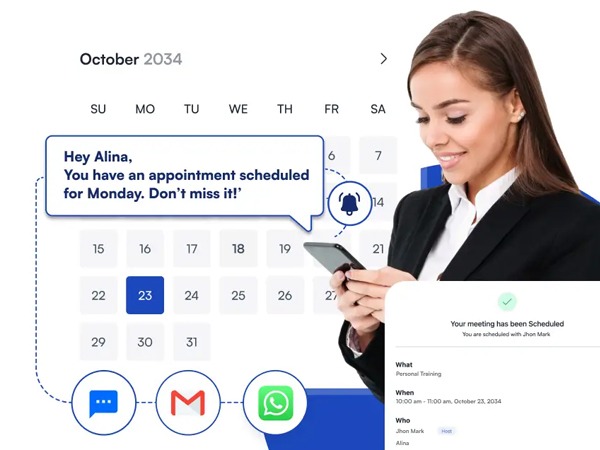
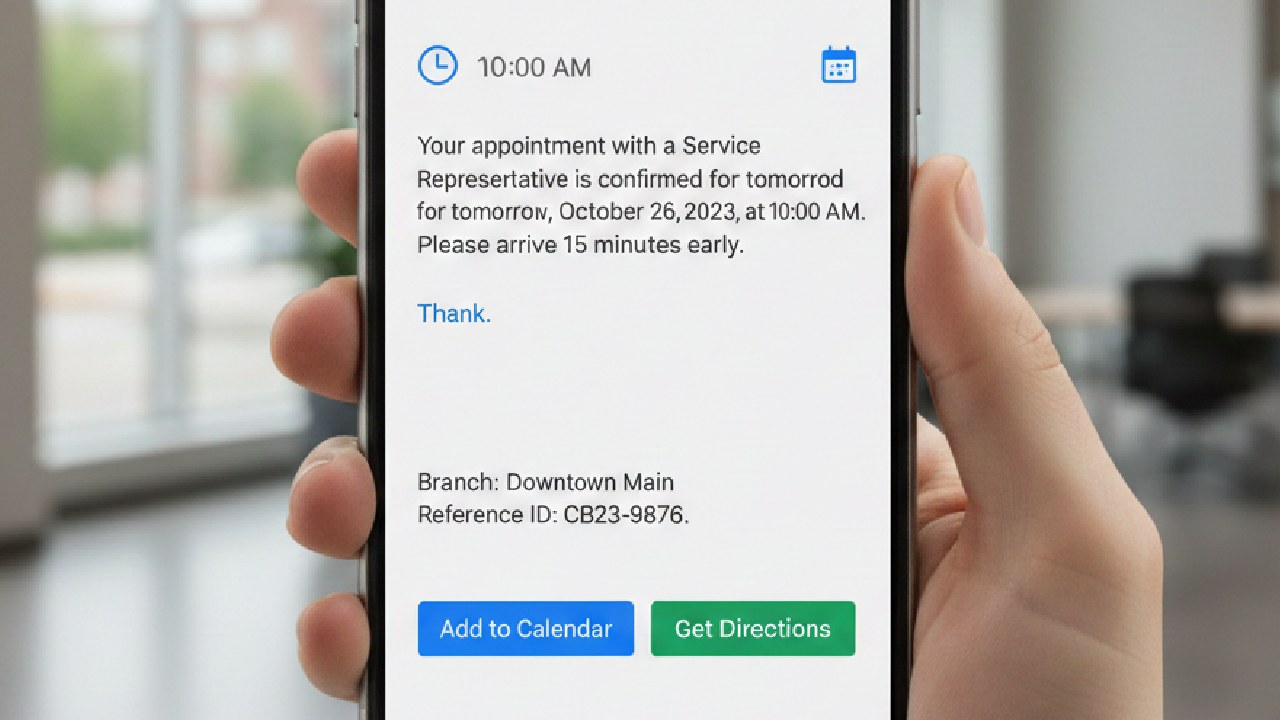
Education and Healthcare Reminders: Universities, training centers, clinics, labs, and dental offices in Colombia use SMS for appointment reminders, document requests, payment notices, and schedule changes.
Do not let a Colombian marketing campaign borrow an OTP route without telling the provider. Traffic category mismatches can make troubleshooting harder and may affect route quality.
Consent, Sender Identity, and Spanish Template Checks
Colombia SMS marketing should start with consent and brand clarity. If the recipient does not recognize the sender or remember the opt-in, the campaign can create complaints even when the technical route works.
Consent Records: Keep proof that each Colombian recipient opted in through a checkout form, customer account, lead form, loyalty program, branch visit, or written agreement.
Opt-Out Handling: Promotional SMS should include a practical opt-out path and a suppression list. Colombia’s opted-out numbers should be removed before every campaign.
Brand in the Message: If the sender field is numeric or not fully branded, put the brand name near the start of the message. This is useful for fintech, delivery, retail, and healthcare campaigns.
Spanish Template Review: Review Colombian Spanish wording, accents, currency symbols, URLs, and call-to-action phrases. A message for Bogota customers should feel local enough to trust.
Message Category Separation: Keep OTP, order updates, and promotions in separate templates. A verification code that includes a discount or link can look suspicious to users and filters.
This guide is not legal advice. For Colombia finance, health, insurance, lending, education, and high-volume marketing, confirm current privacy, consumer, and telecom requirements with counsel and your messaging provider.
Colombia SMS Pricing Factors
Colombia SMS pricing depends on route quality, operator destination, message type, sender display, number-list quality, encoding, support response, and monthly volume.
Route Quality: Higher-quality A2P routes usually cost more than low-grade routes, but they reduce delay and improve reporting. Colombia OTP and payment traffic should not be priced like low-risk promotional reminders.
Operator Mix: Ask whether Claro, Tigo, Movistar, WOM, and MVNO segments are handled differently. Operator-level reports help diagnose national campaigns.
Sender Display: Some routes show numeric senders, while others may support brand identity. Confirm what the recipient sees before judging quote value.
List Hygiene: Colombian lists may include inactive prepaid numbers, old customer records, mistyped +57 numbers, and landline entries. Cleaning the list can reduce wasted spend.
Message Length: Spanish templates can be longer than English drafts. Accents and special characters may affect encoding, so test message parts before scaling.
Ask for a Colombia quote that separates marketing SMS, OTP SMS, transactional notifications, sender identity setup, API access, delivery reports, monthly minimums, and support response time.
If Colombia is part of a regional rollout, our cross-border SMS coverage guide can help compare routing, compliance, and delivery requirements across markets.
SMS API Setup for Colombian Numbers
A Colombian SMS API should support single sends, batch sends, delivery reports, webhooks, and useful error codes. For OTP workflows, route speed and retry behavior are more important than a dashboard screenshot.
Use an SMS API for login codes, order updates, delivery alerts, payment reminders, appointment notices, and automated CRM flows. Use a dashboard when Colombia marketing teams need contact uploads, segmentation, scheduling, and campaign reporting.
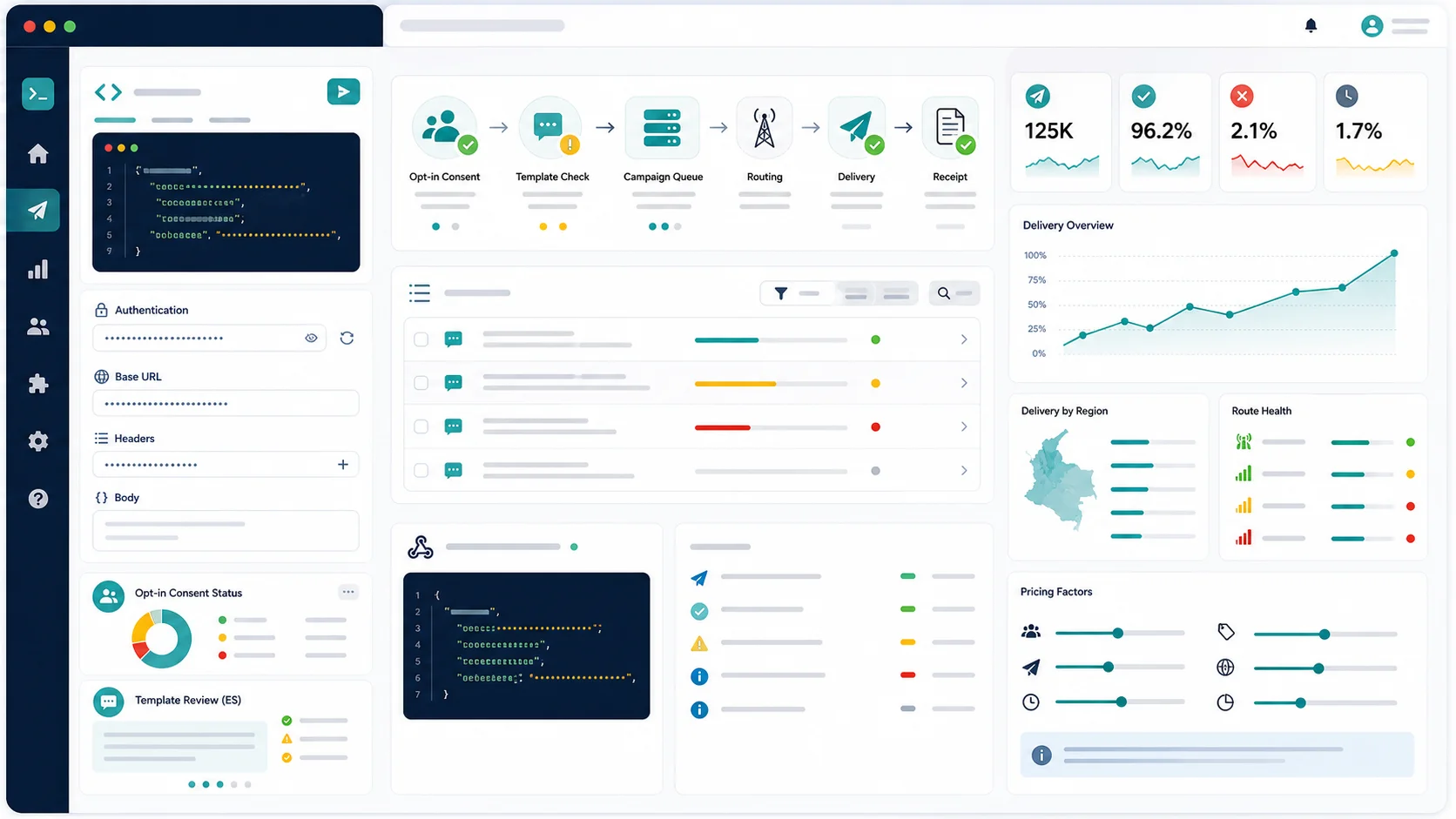
Here is a basic cURL example for a Colombia destination number. Replace the endpoint, credentials, sender ID, and content with your provider’s values.
curl -X POST “https://api.smsprovider.com/send” \
-H “Content-Type: application/json” \
-d ‘{
“account”: “your_account”,
“password”: “your_password_or_md5_hash”,
“numbers”: “573001234567”,
“content”: “Tu código de verificación es 123456.”,
“sender”: “YOURBRAND”,
“smstype”: 0
}’
Use country code 57 followed by the Colombian mobile number. Mobile numbers commonly start with 3 after the country code, such as 573001234567. Confirm exact formatting with your API provider before launch.
Delivery Reports and Common Failures
Colombia SMS delivery quality depends on route class, operator coverage, sender identity, list hygiene, Spanish wording, and number formatting. A campaign that performs well in Bogota may still need testing in Medellin, Cali, Barranquilla, and smaller cities.
Watch for these Colombia-specific issues:
- Wrong +57 Formatting: Local Colombian numbers should be normalized into +57 or numeric 57 format before API submission.
- Operator Mapping Changes: Tigo, Movistar, WOM, and MVNO traffic can shift depending on network agreements and market consolidation.
- Weak Sender Identity: Numeric or unclear senders can reduce trust for fintech, payment, and delivery messages.
- Consent Gaps: Colombia promotional SMS sent to weak or purchased lists can create complaints and route-quality issues.
- Spanish Template Risk: Literal translations, suspicious links, and vague payment wording can reduce trust.
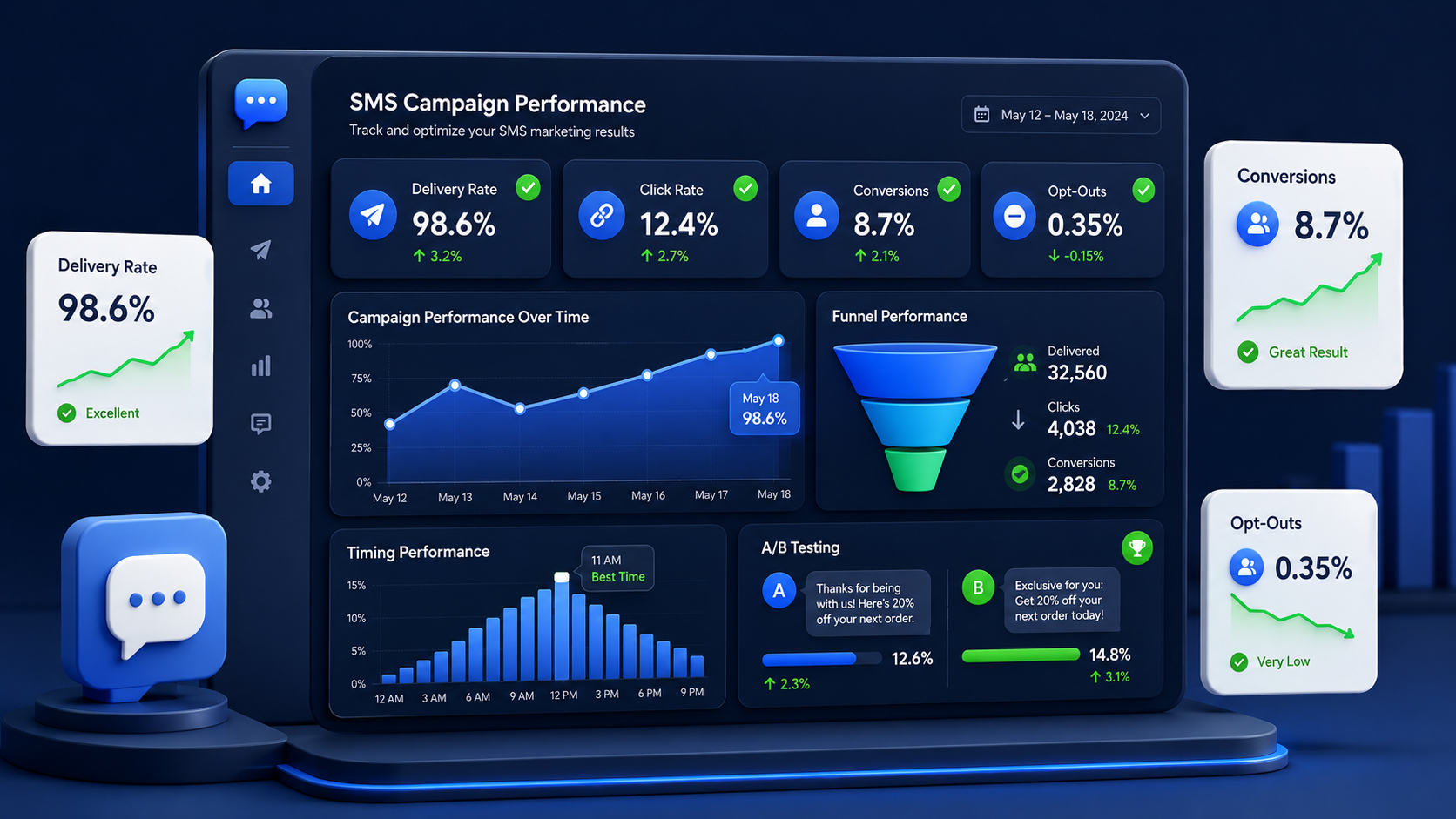
When Colombia delivery drops, review delivery failure logs by operator, route, sender display, number format, template, and opt-out status. If the provider cannot separate accepted from delivered, ask for stronger reporting before scaling.

Conclusion
SMS marketing in Colombia works best when the campaign is built around consent, local Spanish copy, clean +57 formatting, and tested routes across the major mobile networks. A provider should help you separate promotional, OTP, and notification traffic rather than treat every message as the same product.
Before choosing a Colombia SMS gateway, test multiple operators, clean the number list, review sender display, and compare quotes by route quality and reporting depth. If you are evaluating Colombia SMS delivery, start with a free trial or request a tailored quote based on campaign type, volume, and route needs.
FAQ
Is SMS marketing useful in Colombia?
Yes. Colombia SMS marketing is useful for retail, ecommerce, fintech, logistics, healthcare, education, and local services when campaigns use opted-in lists and clear Spanish copy.
Can I send OTP SMS to Colombia?
Yes. Colombia OTP SMS is common for fintech, ecommerce, SaaS, wallets, and account-security flows. Use fast routes and separate OTP templates from promotions.
Which operators should I test for Colombia SMS?
Test Claro, Tigo, Movistar, WOM, and relevant MVNO segments. Ask your provider how current consolidation or wholesale routes affect delivery reports.
What number format should I use for Colombia SMS?
Use country code 57 followed by the mobile number, such as 573001234567. Confirm whether your API requires a plus sign or numeric-only format.
Does Colombia SMS marketing need consent?
Yes. Use opt-in lists, clear brand identity, and opt-out handling. Regulated sectors should confirm current privacy and consumer-protection requirements before sending.