An SMS gateway in the Netherlands helps businesses send OTP codes, delivery updates, appointment reminders, payment alerts, and opt-in marketing campaigns to Dutch mobile numbers. Teams serving Amsterdam, Rotterdam, The Hague, Utrecht, Eindhoven, Groningen, and cross-border Benelux customers need more than a generic European route.
This guide explains how a Netherlands SMS gateway works, what to ask about sender ID display, how GDPR and ePrivacy-style rules affect campaigns, how to compare pricing, and how to set up an SMS API for +31 mobile numbers.
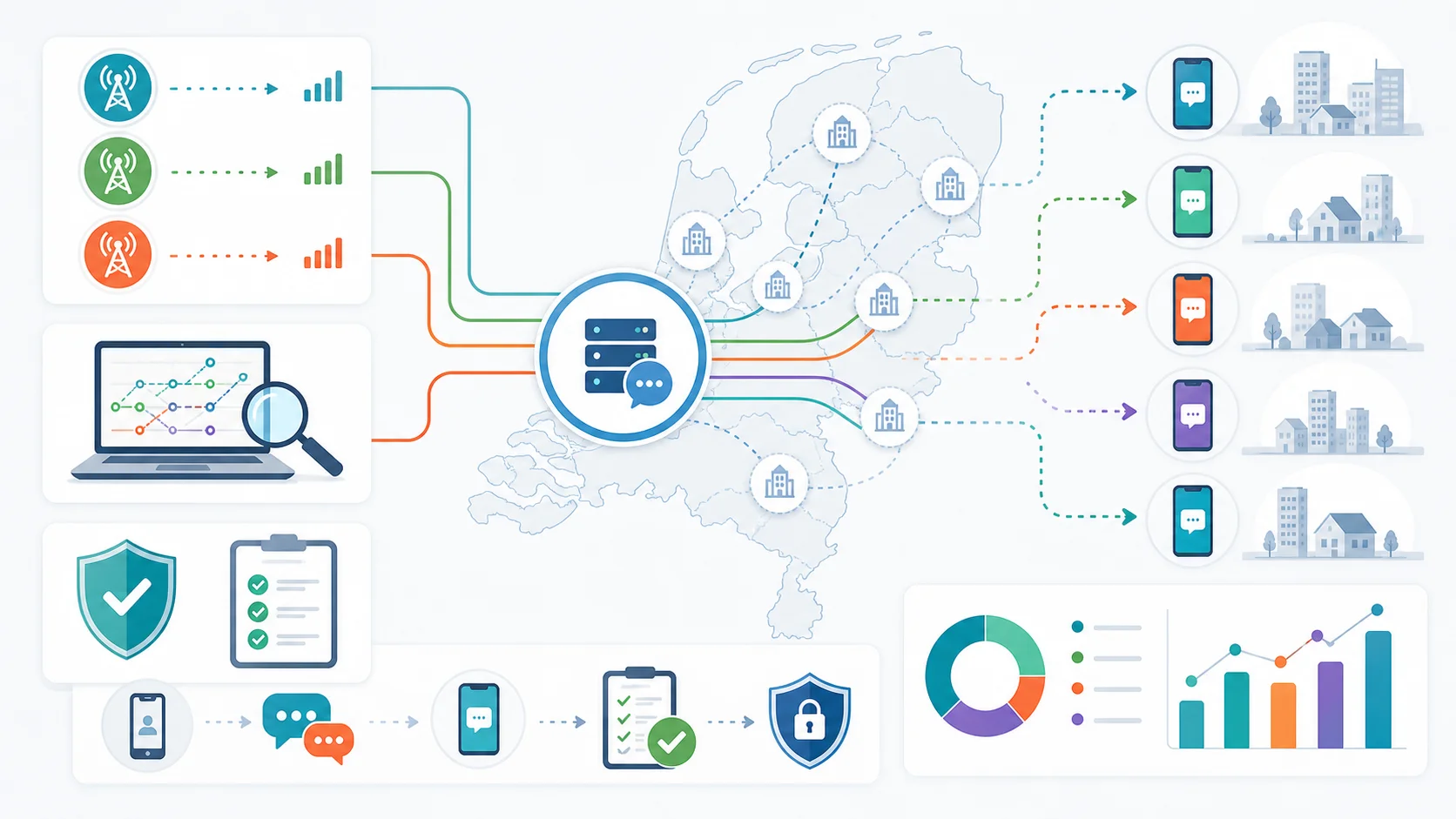
Quick answer: A reliable Netherlands SMS gateway needs route testing across KPN, Odido, Vodafone Netherlands, and MVNO users, clear sender display, consent-aware marketing lists, delivery reports, Dutch-English template review, and clean +31 number formatting. Pricing should be compared by route quality, sender display, message type, API limits, delivery reporting, support response, and monthly volume. This guide does not publish a fixed per-SMS rate; request a current quote based on route type, message class, sender setup, and volume.
Netherlands Mobile Market and Compliance Context
Netherlands SMS delivery should be tested across KPN, Odido (formerly T-Mobile Netherlands), Vodafone Netherlands, and MVNO users. The Dutch market includes many virtual and budget brands, so a single operator test does not prove national delivery.
For compliance, the Netherlands sits within the EU GDPR and the ePrivacy Directive electronic-communications framework. SMS marketing should use a clear consent basis or a properly reviewed existing customer context, and every promotional program should provide a practical opt-out path. Dutch regulators and consumer authorities take spam and misleading marketing seriously, so list quality and sender identity are not minor details.
Many Dutch campaigns also operate in English and Dutch. A fintech OTP may be English for expat users, while a healthcare reminder, retail offer, or public-service notice may need Dutch. Test both language versions before launch.
| Netherlands Route Area | Why It Matters for SMS |
|---|---|
| KPN | Major national operator and main route test group |
| Odido | Major operator with large consumer and business base |
| Vodafone Netherlands | Major network and Benelux enterprise test group |
| MVNO users | Useful for budget, prepaid, youth, and migrant community segments |
| Dutch-English templates | Language choice affects trust, message length, and support volume |
Sender ID and Consent Checks

Sender display is one of the main buying questions for a Netherlands SMS gateway. Some routes support alphanumeric sender IDs, while others may show numeric senders or route-dependent display behavior. A provider should explain what the recipient sees before you launch.
Use this Netherlands campaign checklist before sending:
- Consent Records: Keep proof of opt-in for promotional SMS, including source, date, consent wording, and campaign purpose.
- Opt-Out Handling: Give recipients a simple way to stop marketing SMS and update suppression lists before every send.
- Sender Display Test: Test sender names on KPN, Odido, Vodafone, and MVNO users before scaling.
- Template Separation: Keep OTP, service notifications, and marketing messages in separate templates.
- Language Review: Check Dutch and English templates for clarity, links, price wording, and support instructions.
This guide is not legal advice. For the Netherlands finance, healthcare, insurance, lending, employment, education, or high-volume consumer marketing, confirm GDPR, ePrivacy, and sector-specific requirements with counsel and your provider.
What SMS Is Used For in the Netherlands
Netherlands SMS programs usually combine authentication, operations, and customer engagement. Each stream should be configured and measured separately.
OTP and Account Security: Banks, payment apps, SaaS platforms, ecommerce stores, and marketplaces use OTP SMS for login, password reset, account changes, and payment approval. OTP messages need fast routes and clear delivery reports.
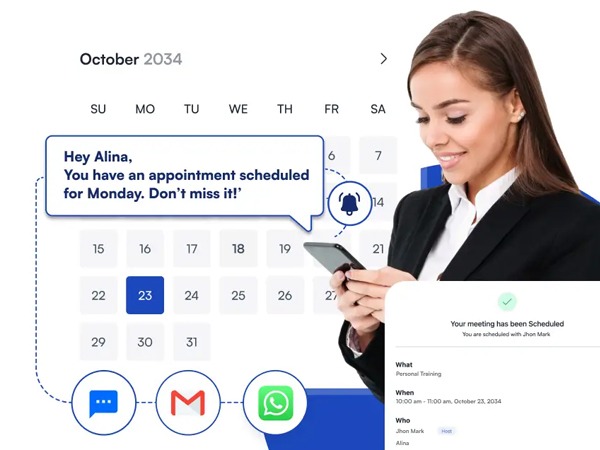
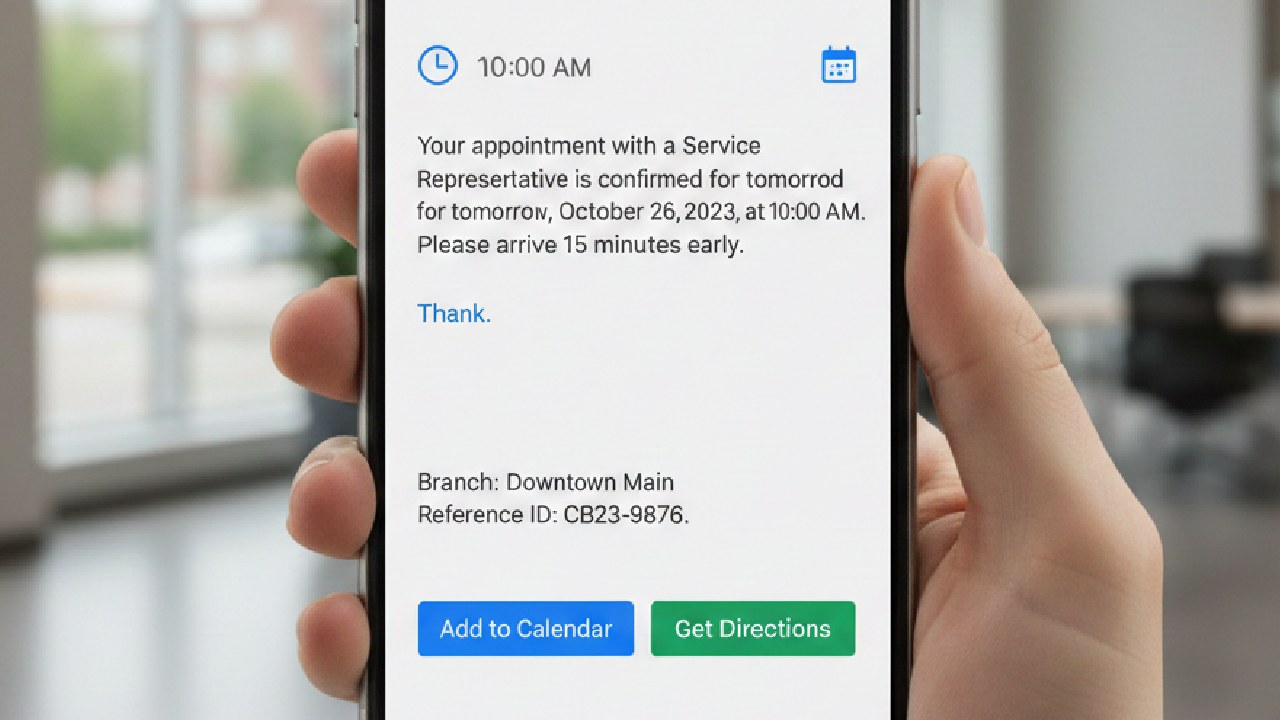
Transactional Notifications: Logistics firms, clinics, travel companies, universities, subscription services, and public-facing platforms use SMS notification messages for delivery status, appointments, payment notices, and service updates.
Marketing SMS: Retailers, e-commerce brands, events, restaurants, gyms, and local services use marketing SMS for opt-in offers, loyalty reminders, restock alerts, and appointment reactivation.
Two-Way Service Flows: Some Dutch programs need replies for appointment confirmation, STOP handling, surveys, or support triage. Two-way setup may require a long number or a provider-managed inbound route.
Do not mix a promotional offer into a Netherlands OTP message. It can weaken trust and make compliance review harder.
Netherlands SMS Pricing Factors
Netherlands SMS pricing depends on route quality, sender display, message type, inbound reply handling, delivery reports, encoding, support speed, and monthly volume. This guide does not publish a concrete per-SMS rate; request a current quote that reflects route type, message class, sender setup, and volume.
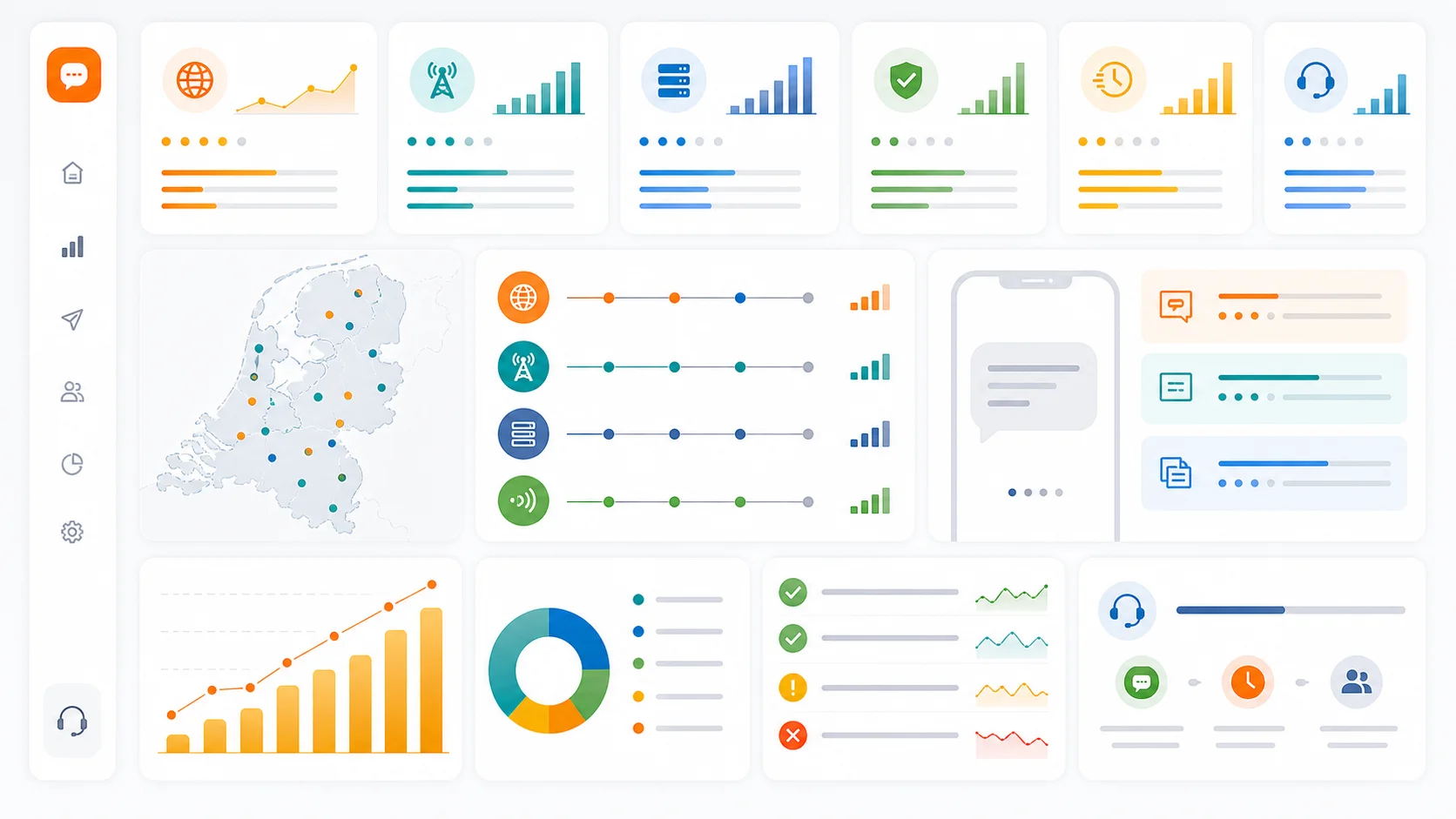
Route Quality: OTP, banking, healthcare, and delivery messages should use stronger routes than low-risk reminders.
Sender Display: Alphanumeric sender support, dedicated numbers, inbound reply handling, and sender setup may change pricing.
Operator Coverage: Ask whether KPN, Odido, Vodafone, and MVNO traffic are reported separately. MVNO coverage can matter for consumer campaigns.
Message Length: Dutch and English templates usually fit GSM-7, but special punctuation, symbols, or unusual characters can affect message parts.
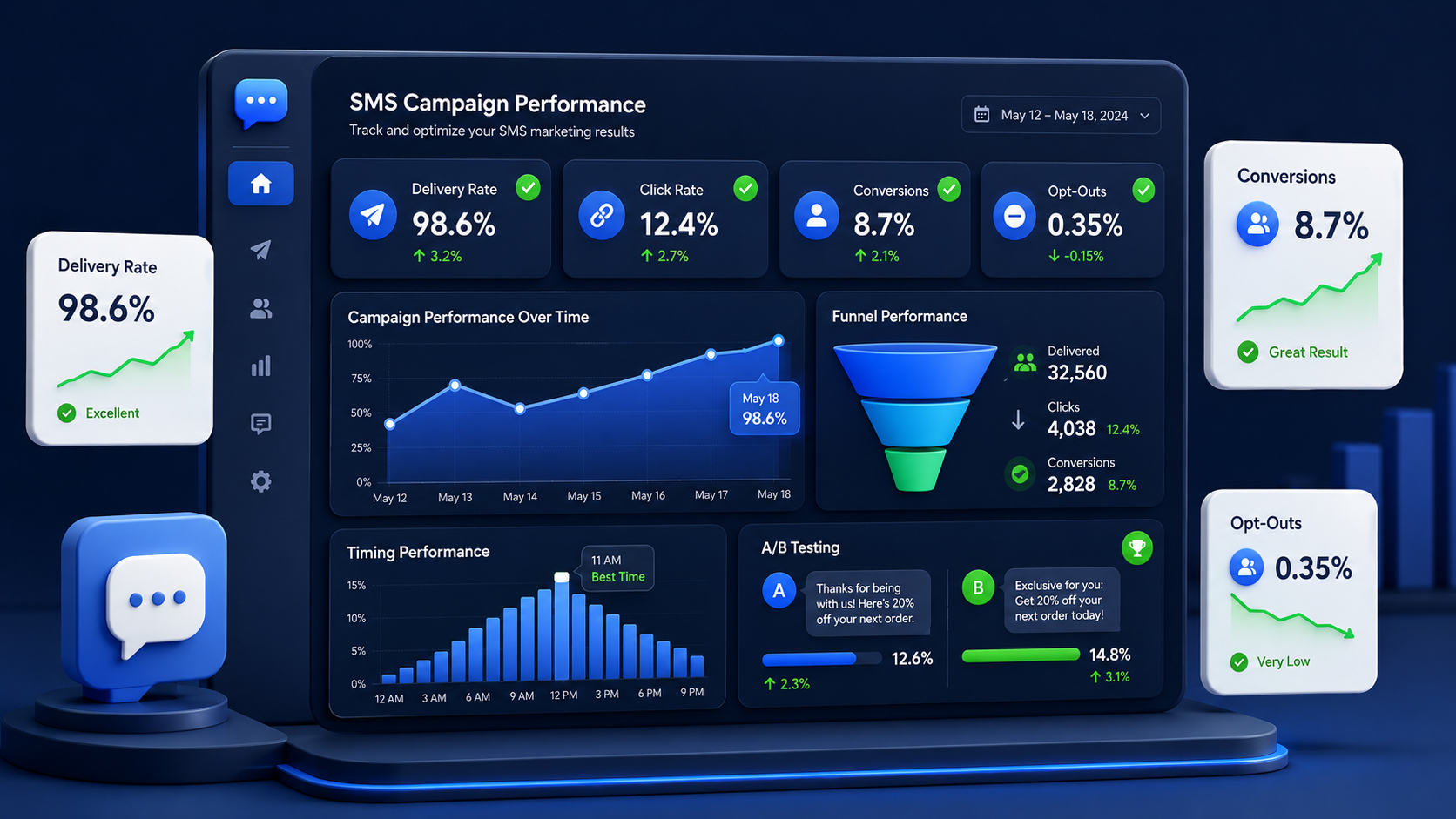
Reporting Depth: A lower rate is less useful if reports do not show delivered, expired, invalid, filtered, or opted-out statuses.
Ask providers for a Netherlands quote that separates OTP SMS, notification SMS, marketing SMS, sender display options, inbound replies, delivery reports, API access, monthly minimums, and support response time.
If the Netherlands is one market in a global messaging plan, our global SMS gateway coverage guide can help compare routing, sender requirements, and delivery expectations across countries.
SMS API Setup for Netherlands Numbers
A Netherlands SMS API should support single sends, batch sends, delivery reports, webhooks, inbound replies, and useful error codes. For OTP flows, engineers should also check retry timing and fallback logic.
Use an SMS API for login codes, order updates, payment reminders, appointment notices, and automated CRM messages. Use a dashboard when the Netherlands marketing teams need opt-in lists, segmentation, scheduling, and campaign reports.

Here is a basic cURL example for a Netherlands destination number. Replace the endpoint, credentials, sender ID, and content with your provider’s values.
curl -X POST “https://api.smsprovider.com/send” \
-H “Content-Type: application/json” \
-d ‘{
“account”: “your_account”,
“password”: “your_password_or_md5_hash”,
“numbers”: “31612345678”,
“content”: “Your verification code is 123456.”,
“sender”: “YOURBRAND”,
“smstype”: 0
}’
Use country code 31 and remove the domestic leading zero. For example, 06 12345678 becomes 31612345678 in numeric international format. Confirm plus-sign handling with your provider.
Delivery Reports and Common Failures
Netherlands delivery quality depends on route class, sender display, consent hygiene, number formatting, language, and operator coverage. A provider should help teams diagnose results by route and network group.
Watch for these Netherlands-specific issues:
- Sender Display Mismatch: The recipient may see a numeric sender or an unexpected display if the route does not support the requested sender ID.
- Wrong +31 Formatting: Domestic Dutch numbers with a leading zero should be normalized before API submission.
- MVNO Route Gaps: MVNO users may behave differently from direct KPN, Odido, or Vodafone test phones.
- Weak Consent Source: Promotional SMS sent to old or unclear lists can create complaints and suppression-list issues.
- Language Mismatch: English-only campaigns may underperform when the audience expects Dutch.
When Netherlands delivery drops, review SMS deliverability data by operator, route, sender display, number format, template, language, and opt-out status.
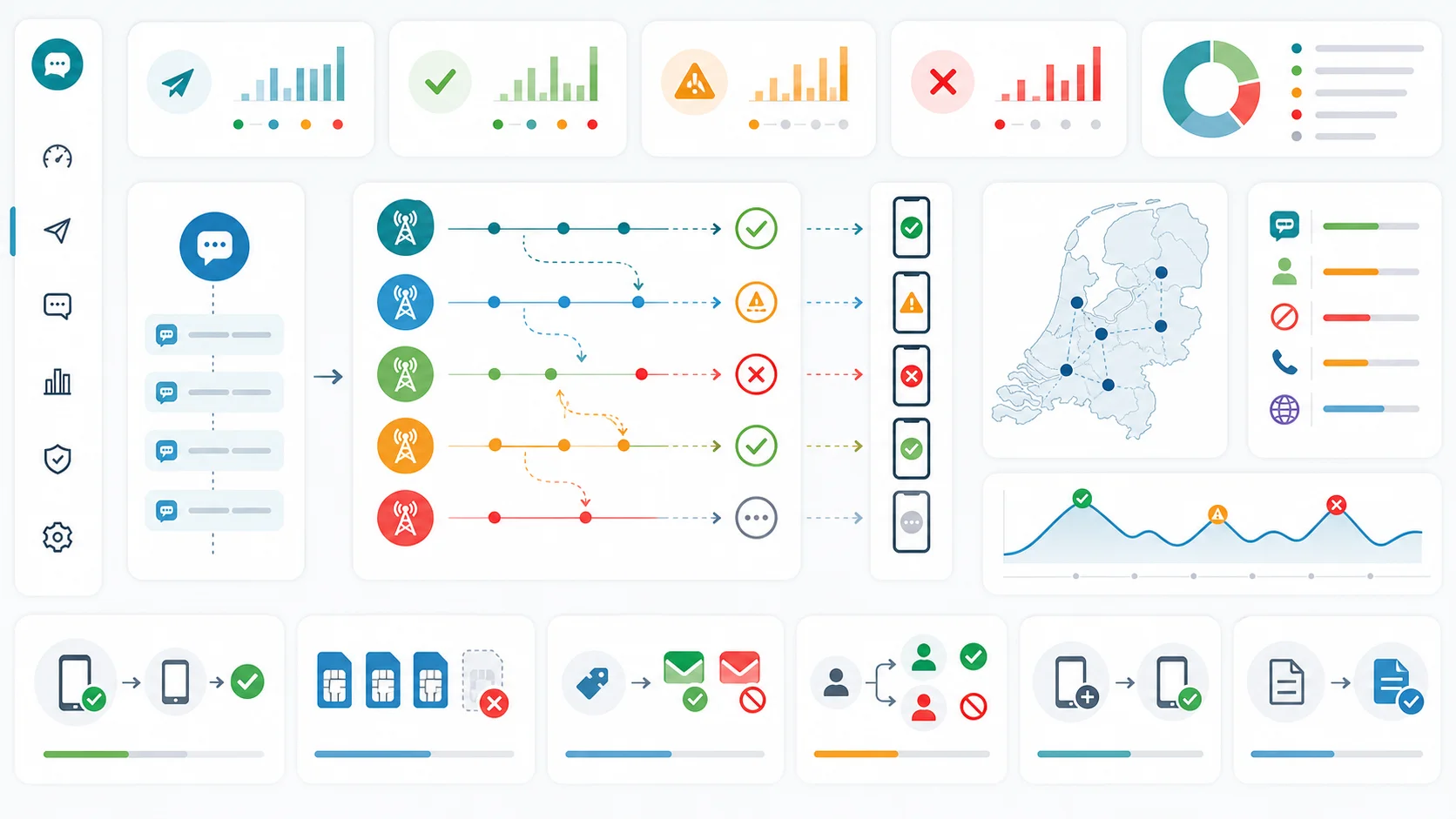
Netherlands Provider Evaluation Questions
Before choosing a provider, ask for evidence from live Netherlands testing rather than relying on a generic EU rate card. A useful provider should be able to explain how OTP, notification, and marketing traffic are routed, what sender text will display, how delivery receipts are returned, and which error states trigger retries or suppression.
For a first pilot, send a small group of approved templates to KPN, Odido, Vodafone Netherlands, and MVNO test numbers. Track delivered, expired, rejected, filtered, invalid, and opted-out results separately. If possible, test daytime and evening sends, Dutch and English copy, GSM-7 and Unicode variants, and links with and without branded domains.
For cross-border teams, confirm whether the same API account can handle Belgium, Germany, France, and UK traffic with country-specific sender and consent settings. A Benelux or European setup is useful only if each market can keep its own templates, suppression rules, reporting labels, and billing view.
Conclusion
A Netherlands SMS gateway should be evaluated by route quality, sender display, consent handling, +31 number formatting, Dutch-English template quality, and delivery reporting across KPN, Odido, Vodafone, and MVNO users.
Before choosing a provider, test sender display, clean the number list, review compliance and opt-out handling, and compare quote details beyond the per-message price. If you are evaluating Netherlands SMS delivery, start with a free trial or request a tailored quote based on campaign type, route needs, and monthly volume.
FAQ
Can I send OTP SMS to the Netherlands?
Yes. Netherlands OTP SMS is common for fintech, ecommerce, SaaS, marketplaces, and account-security flows. Use fast routes and keep OTP templates separate from promotions.
What number format should I use for Netherlands SMS?
Use country code 31 and remove the domestic leading zero. For example, 06 12345678 becomes 31612345678.
Which Dutch networks should I test?
Test KPN, Odido, Vodafone Netherlands, and MVNO users. MVNO testing gives a better view of the national list performance.
Does the Netherlands SMS marketing need consent?
Promotional SMS should use a consent-aware setup and a practical opt-out process. Regulated sectors should review GDPR and ePrivacy requirements before sending.
How should I compare the Netherlands SMS gateway pricing?
Compare route quality, sender display, inbound replies, MVNO coverage, delivery reports, API limits, monthly minimums, and support response time.