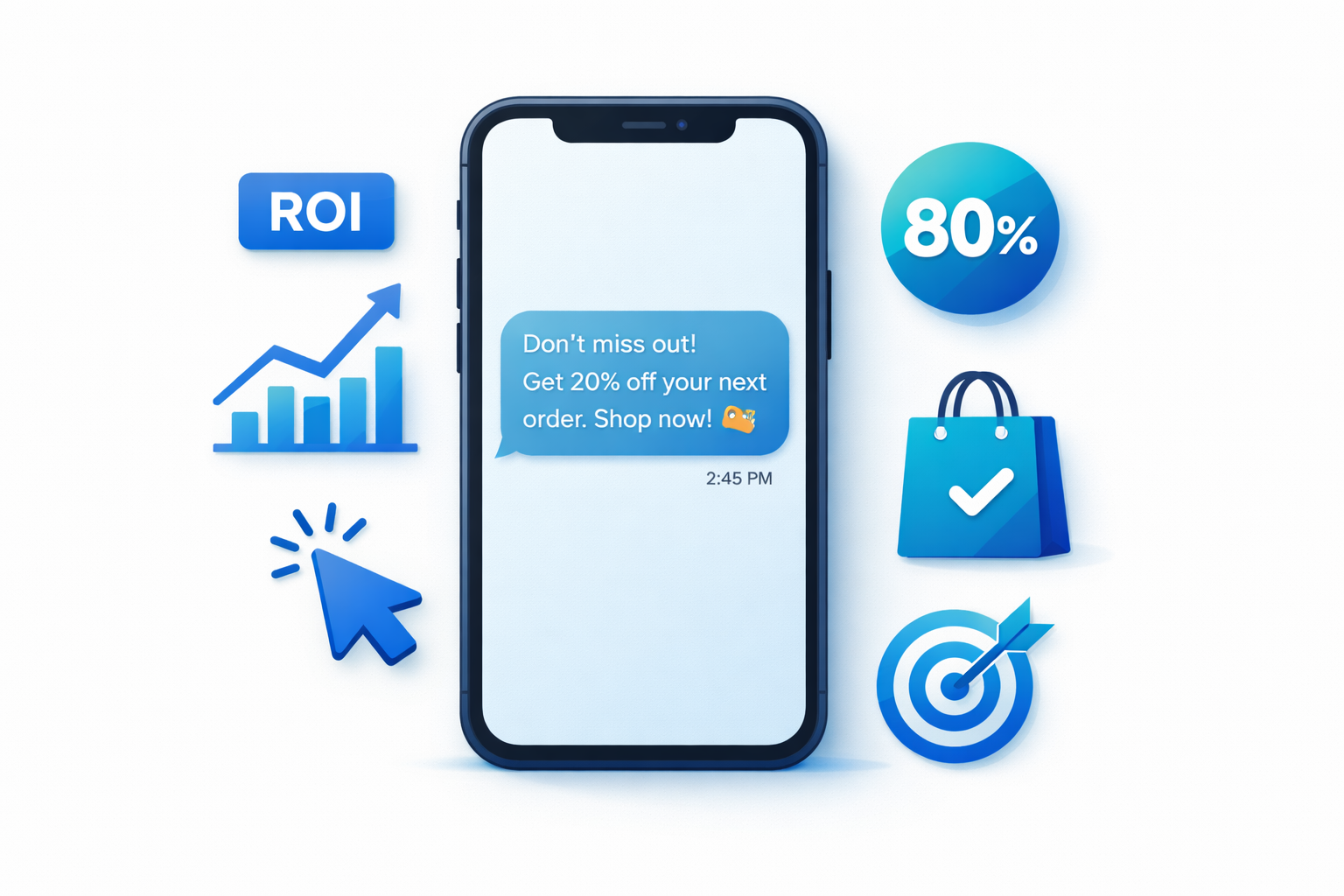
An SMS marketing campaign drives results when it gives one audience one clear reason to act. For B2B brands, that usually means following up with leads, reminding prospects about a demo or webinar, activating trial users, or bringing inactive accounts back into the funnel.
In this guide, we’ll show you how to set the goal, choose the right segment, write a message people will answer, pick the send time, and measure whether the campaign led to clicks, replies, bookings, or real sales progress.

What Should You Decide Before Creating an SMS Campaign?
You should decide 3 things before creating an SMS marketing campaign: the goal, the audience, and the CTA. Get those right first, and the rest of the campaign becomes much easier to write, send, and measure.
- Pick One Goal: Choose one result, such as more demo bookings, higher webinar attendance, better trial activation, or re-engagement from inactive leads. One goal keeps the message tight.
- Pick One Audience: Choose one group for the campaign. You’ll refine the segment in the next step.
- Pick One CTA: Ask for one next step only. Book a demo, confirm a seat, finish setup, or reply to sales all work. Mixing several asks into one SMS usually lowers response quality.
How Should You Segment Your Audience for Better Results?
Segment your audience by buying stage, recent action, and account status if you want better SMS results. In B2B, tighter segments usually get better replies because the message feels specific, not random.
Why Broad Blasts Usually Underperform
Broad SMS blasts usually underperform because they flatten very different contacts into one list. A new lead, a no-show demo registrant, an active trial user, and a quiet customer are not waiting for the same message.
Send them all the same text, and at least part of the list will feel like the message showed up at the wrong time. That is when clicks drop, replies slow down, and opt-outs start creeping up.
4 Useful B2B Segments to Start With
You can improve most B2B SMS campaigns with 4 practical segments:
- New Leads: Send a short follow-up that helps them take the first real step, like booking a demo or viewing key information.
- No-Show Or No-Reply Prospects: Send a reminder or re-open the conversation with one simple CTA.
- Active Trial Users: Send setup help, feature prompts, or a next-step message that moves them closer to activation.
- Inactive Customers Or Quiet Accounts: Send a re-engagement text built around one useful reason to come back.
You can also layer in industry, product interest, or webinar/demo status later. Start simple first. That usually gives you cleaner tests and better campaign control.
Match the Message to the Segment
Match the SMS message to the segment before you write the first line. A good way to do that is to ask 2 quick questions:
- What did this contact do most recently?
- What is the next logical action?
For example:
- Webinar Registrant: Send the event time, join link, and one reminder to show up.
- Lead Who Asked For Info But Did Not Book: Send a short demo follow-up with one booking link.
- Inactive Customer: Send one useful reason to return, like a feature they have not used or an action they left unfinished.
When the message fits the segment, the text feels timely. That is usually when response quality gets better.
What Should an Effective SMS Marketing Message Include?
An effective SMS marketing message should include 4 things: a clear sender name, one reason for the text, one visible value point, and one CTA. If one of those parts is missing, the message gets harder to trust or act on.

The 4 Parts of a Strong B2B SMS Message
A strong B2B SMS message usually includes the following parts:
- Sender Name: Put your brand name near the front so the text feels familiar right away.
- Reason For The Text: Tell the reader why you are reaching out now.
- Value Point: Give them one useful reason to care, such as saving a seat, finishing setup, or getting a quick walkthrough.
- CTA: Ask for one next step only.
What Good SMS Copy Usually Avoids
Good SMS copy usually avoids 2 common problems:
- Too Many Ideas: One text should do one job.
- Weak Value: Give the reader one clear reason to care.
If your message starts reading like a mini email, it is already getting too crowded.
A Simple Message Formula
A simple B2B SMS formula is:
[Brand] + [Reason For The Text] + [Value] + [CTA]
That structure keeps the message focused and easier to adapt for different segments.
Quick Examples
Demo Follow-Up:
[Brand]: Thanks for your interest. Want a 15-minute walkthrough for your team? Book a demo here: [link]
Trial Activation:
[Brand]: Your trial is live. Finish setup now so your team can start testing the core features: [link]
Webinar Reminder:
[Brand]: Your webinar starts soon. Join here and save your seat before the session begins: [link]
Bad Vs Better
Too Vague:
[Brand]: Just checking in. Let us know if you want to learn more.
Better:
[Brand]: You asked about our platform last week. Book a 15-minute demo here if you want to see the setup in action: [link]
The better version gives the reader context, value, and one next step. That is usually enough.
When Is the Best Time to Send an SMS Campaign?
The best time to send an SMS campaign depends on the action you want next, but B2B messages usually perform better during working hours. That is when your contact is most likely to see the text in a business context and do something with it.
Start With Working Hours
Start with working hours unless the message is tied to something time-sensitive. Most B2B contacts do not want business texts landing at night when they are off the clock, half-reading messages, or trying to ignore work for one hour.
You can refine timing later, but working hours are the safest starting point for most campaigns.
Match Timing to Campaign Type
Different SMS campaigns call for different timing:
- Lead Follow-Up: Send while interest is still fresh, not days after the form fill or inquiry.
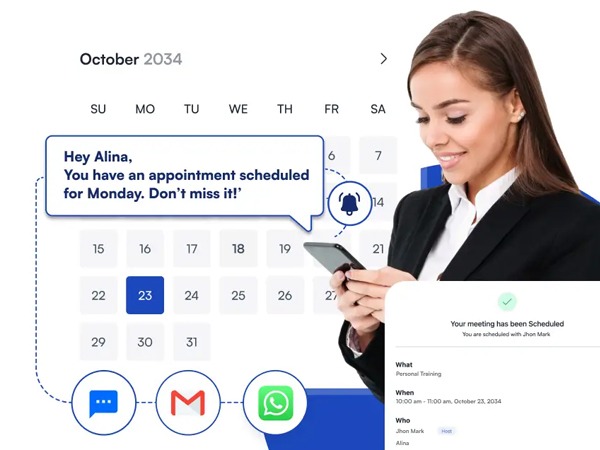
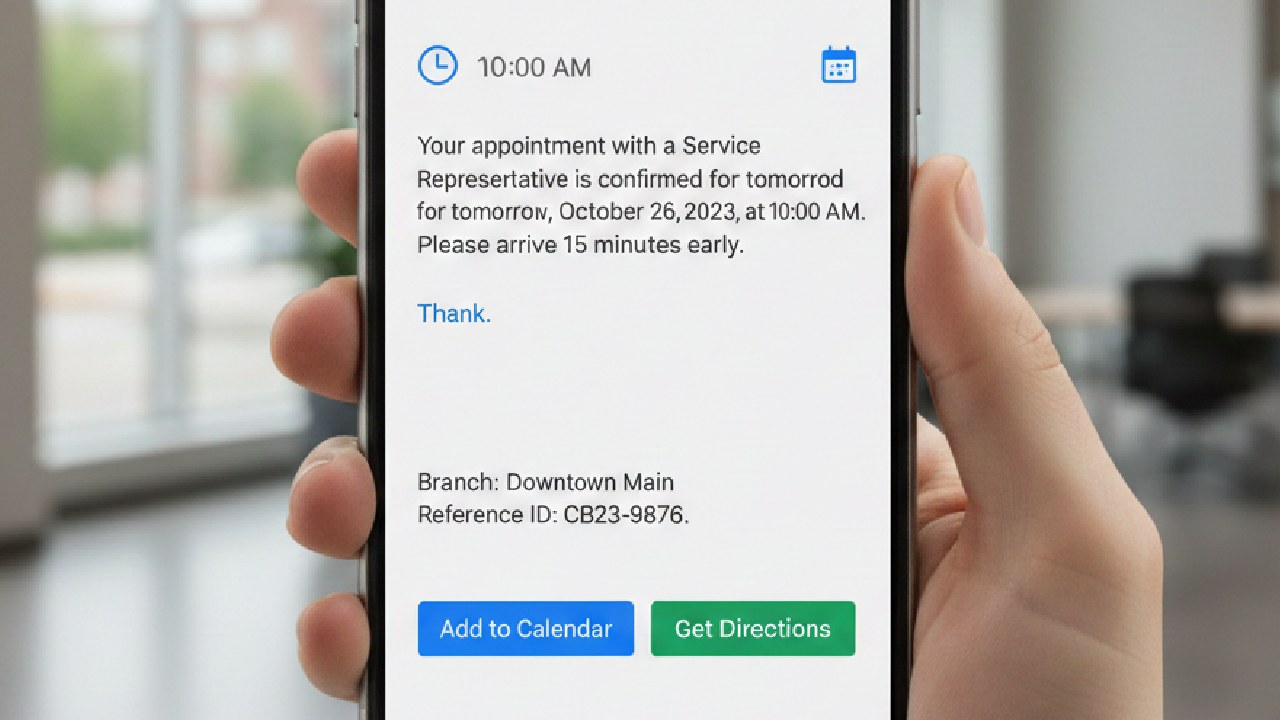
- Demo Reminder: Send close enough to the meeting to reduce no-shows, but early enough that the contact can still act on it.
- Webinar Reminder: Send near the event, with enough room for the reader to join on time.
- Trial Activation: Send soon after signup, when setup intent is still high.
- Re-Engagement: Send during normal business hours, when the reader has a real chance to click or reply.
Do not look for one magic send time that applies to every campaign. The better question is simpler: when is this contact most likely to take the next step?
Keep Frequency Under Control
Frequency can hurt a campaign even when the copy is good. If people hear from you too often, the text stops feeling useful and starts feeling easy to ignore.
A simple rule works well here: send fewer messages, but make each one more relevant. One useful text will usually do more for you than three forgettable ones.
How Do You Launch an SMS Campaign Step by Step?
You can launch an SMS campaign in 8 steps: set the goal, choose the audience, confirm permission, write the message, add the CTA, pick the send time, test the full send, and measure the result. Follow that order, and the campaign is much easier to control.
- Define The Goal:
Choose one outcome first, such as demo bookings, webinar attendance, trial activation, or re-engagement. One goal keeps the campaign focused. - Select The Right Audience:
Choose the segment that best matches the goal. New leads, active trial users, no-show registrants, and quiet accounts should not get the same text. - Confirm Permission And Clean The List:
Make sure the contacts agreed to receive SMS messages. Remove outdated numbers, wrong-fit contacts, and anyone who should not be in this send. - Write One Focused Message:
Write one text with one reason for reaching out. Keep the wording tight and make the value easy to spot. - Add One CTA And The Correct Link:
Give the reader one next step only. Then double-check that the link goes to the right page and matches the CTA in the text. - Choose The Send Time:
Pick a send time that fits the campaign type and the contact’s context. For most B2B sends, working hours are the best place to begin. - Test Before Launch:
Check the sender name, personalization fields, link, opt-out wording, and mobile display. One broken link can waste the whole send. Painful, but true. - Send And Measure What Happened:
Launch the campaign, then review what happened. The next section covers which metrics matter most and how to read them.
How Do You Measure Whether an SMS Campaign Worked?
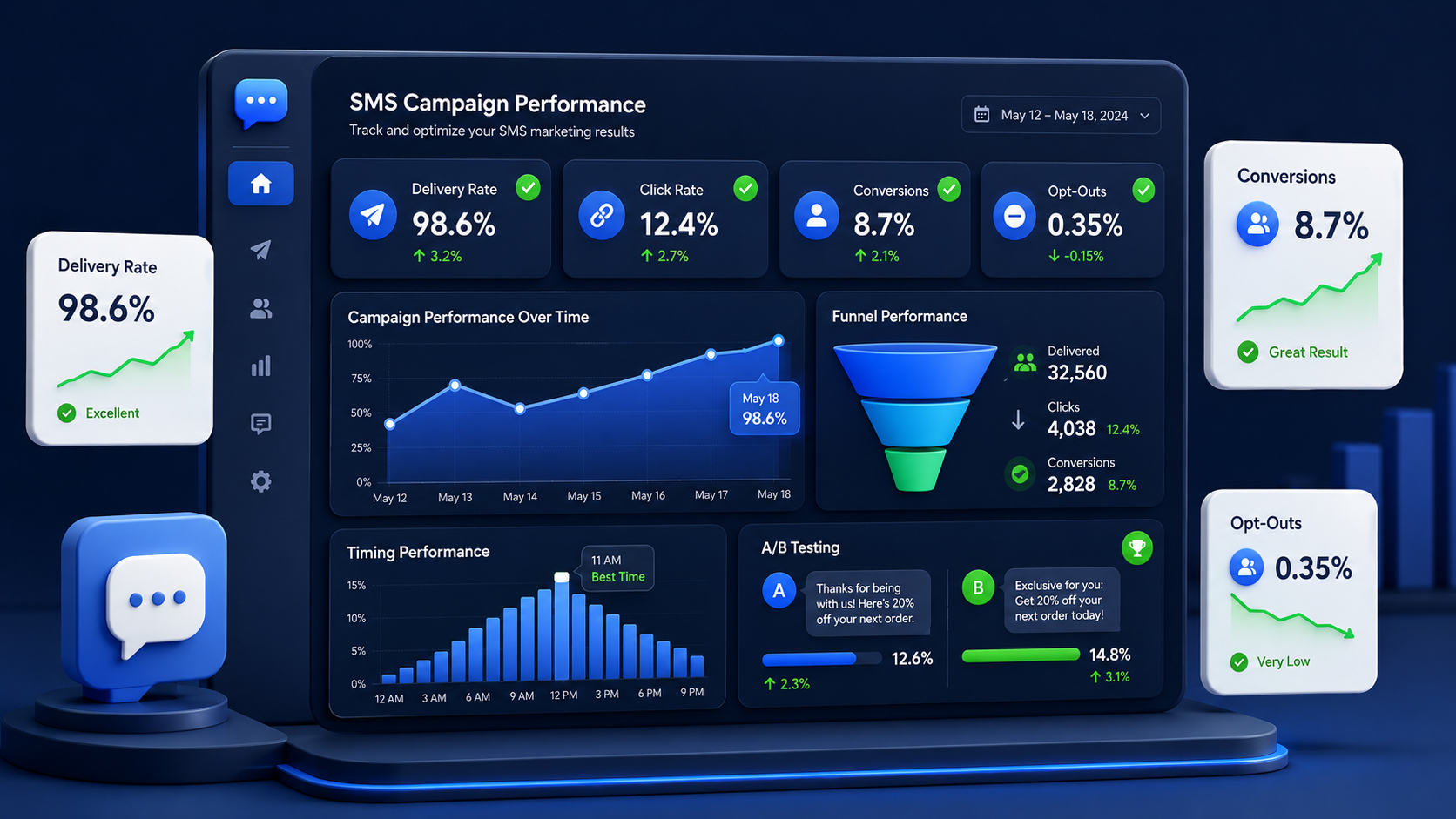
Measure an SMS marketing campaign by tracking one main business outcome and a small set of support metrics. The real question is not “Did people click?” It is “Did this text move the contact closer to revenue?”
Start With the Goal, Then Match the Metric
The easiest way to measure SMS performance is to match the metric to the campaign goal:
- Demo Booking Campaign: Track booked meetings, click rate, and reply rate.
- Webinar Reminder Campaign: Track attendance, join-link clicks, and no-show reduction.
- Trial Activation Campaign: Track setup completion, product usage after the click, and qualified replies.
- Re-Engagement Campaign: Track return visits, booked calls, and unsubscribe rate.
This gives you a cleaner read on performance. Otherwise, it is easy to stare at clicks and still miss the bigger problem.
Use Message Metrics to Diagnose What Happened
Message metrics help you figure out where the campaign broke:
- Low Click Rate: The offer or CTA probably was not clear enough.
- Good Clicks, Weak Conversion: The landing page, audience fit, or next step likely did not match the promise in the text.
- High Reply Rate, Weak Pipeline Movement: The message got attention, but not from the right people.
- Rising Unsubscribes: The timing, targeting, or send frequency likely missed the mark.
That is why one number never tells the full story.
Look for Business Movement, Not Just Attention
Business outcomes matter more than message activity alone. For a B2B SMS campaign, the strongest result is usually movement into the next sales step, not just a tap on a link.
A campaign that gets decent clicks but weak bookings still needs work. It caught attention, but it did not create enough action.
What Mistakes Can Hurt an SMS Marketing Campaign?
The most common SMS marketing campaign mistakes are weak planning, vague copy, poor targeting, bad timing, and too many sends. Most campaigns do not fail because SMS stopped working. They fail because the setup was shaky before the text ever went out.
5 Common SMS Campaign Mistakes
- No Clear Goal: A campaign with no single goal usually sounds scattered from the first line.
- One Message for Everyone: Broad sends often feel off-topic because new leads, trial users, and quiet accounts are not in the same place.
- Weak Value: “Checking in” is easy to ignore. A concrete reason gets more attention.
- Crowded CTA: When a text asks people to click, reply, book, and read more at once, many do nothing.
- Too Many Sends: Even useful texts lose strength when they show up too often.
A Simple Fix Before You Send
Check 3 things before launch:
- Who is this for?
- Why now?
- What is the one next step?
If the text cannot answer those 3 questions clearly, it usually is not ready yet.
Conclusion
An SMS marketing campaign performs best when the goal is narrow, the audience is well matched, and the next step is easy to follow.
Start small if you need to. One campaign, one segment, and one CTA is usually enough to show you what is working and what needs fixing. That is a much better place to begin than blasting one generic message to the whole list and hoping something lands.If your team wants better replies, more bookings, and clearer pipeline movement from SMS, SMS Boosting can help you plan stronger campaigns and improve message performance across the funnel. You can also continue with our guide on writing business text messages if you want help with the copy itself.