
Father’s Day SMS marketing helps brands reach customers during a short, emotional, and time-sensitive buying window. For ecommerce, retail, restaurants, local services, subscription brands, and cross-border teams, the opportunity is not just to send a discount. It is to use SMS at the moments when customers need a reminder, a practical next step, or a useful update.
In the United States, Father’s Day 2026 falls on Sunday, June 21, and it is celebrated on the third Sunday of June. Canada also observes Father’s Day on Sunday, June 21, 2026. For brands selling across regions, that timing matters because campaign calendars, local time zones, delivery cutoffs, and customer behavior should be checked market by market rather than copied from one country to another.
Father’s Day SMS works best when the message feels relevant to the customer’s situation. A thoughtful reminder, a last-minute pickup message, a timely offer, or a post-purchase thank-you can support the customer journey. A generic blast, sent too often or without clear permission, can create the opposite effect.
What Is Father’s Day SMS Marketing?
Father’s Day SMS marketing is the use of permission-based text messages to support customer communication before, during, and after Father’s Day.
For brands, this can include promotional SMS, order updates, delivery notifications, reservation reminders, loyalty messages, and simple two-way responses. The campaign does not need to be complicated. It needs to be timely, relevant, easy to act on, and appropriate for the customer relationship.
A strong Father’s Day SMS campaign usually answers three questions:
- What customer moment are we supporting?
- Why is SMS the right channel for this message?
- What should the customer do next?
If the message cannot answer those questions, it may be better suited for email, social media, or no message at all.
How Father’s Day Creates Time-Sensitive Customer Moments
Father’s Day creates several moments where timing matters. Customers may need to choose a gift, confirm shipping availability, book a table, schedule an experience, pick up an order, or respond to a limited-time offer.
SMS is especially useful when the message is connected to an immediate action. For example, a customer who browsed gifts last week may appreciate a reminder before shipping deadlines close. A restaurant customer may need a reservation confirmation. A local service provider may want to remind customers about Father’s Day appointment availability.
The value is not in sending more messages. The value is in sending the right message when the customer still has time to act.
Why SMS Works Better for Urgent Reminders Than Passive Channels
SMS is more direct than many passive channels. That makes it useful for reminders, deadlines, confirmations, and short calls to action.
However, that same directness also raises the standard for relevance. A Father’s Day SMS should not repeat a long email campaign in a shorter format. It should focus on one clear message: a deadline, an offer, an update, a booking, or a practical next step.
A useful test is simple: would the customer benefit from seeing this message quickly? If the answer is yes, SMS may be appropriate. If the answer is no, the message may feel intrusive.
Which Brands Can Use Father’s Day SMS Campaigns?
Father’s Day SMS campaigns are not only for gift retailers. Many brands can use Father’s Day as a customer moment if the message connects naturally to what they sell or support. Teams that already use SMS marketing for retail can adapt the same consent, timing, and repeat-visit principles to a seasonal holiday campaign.
Ecommerce and Gift-Focused Brands
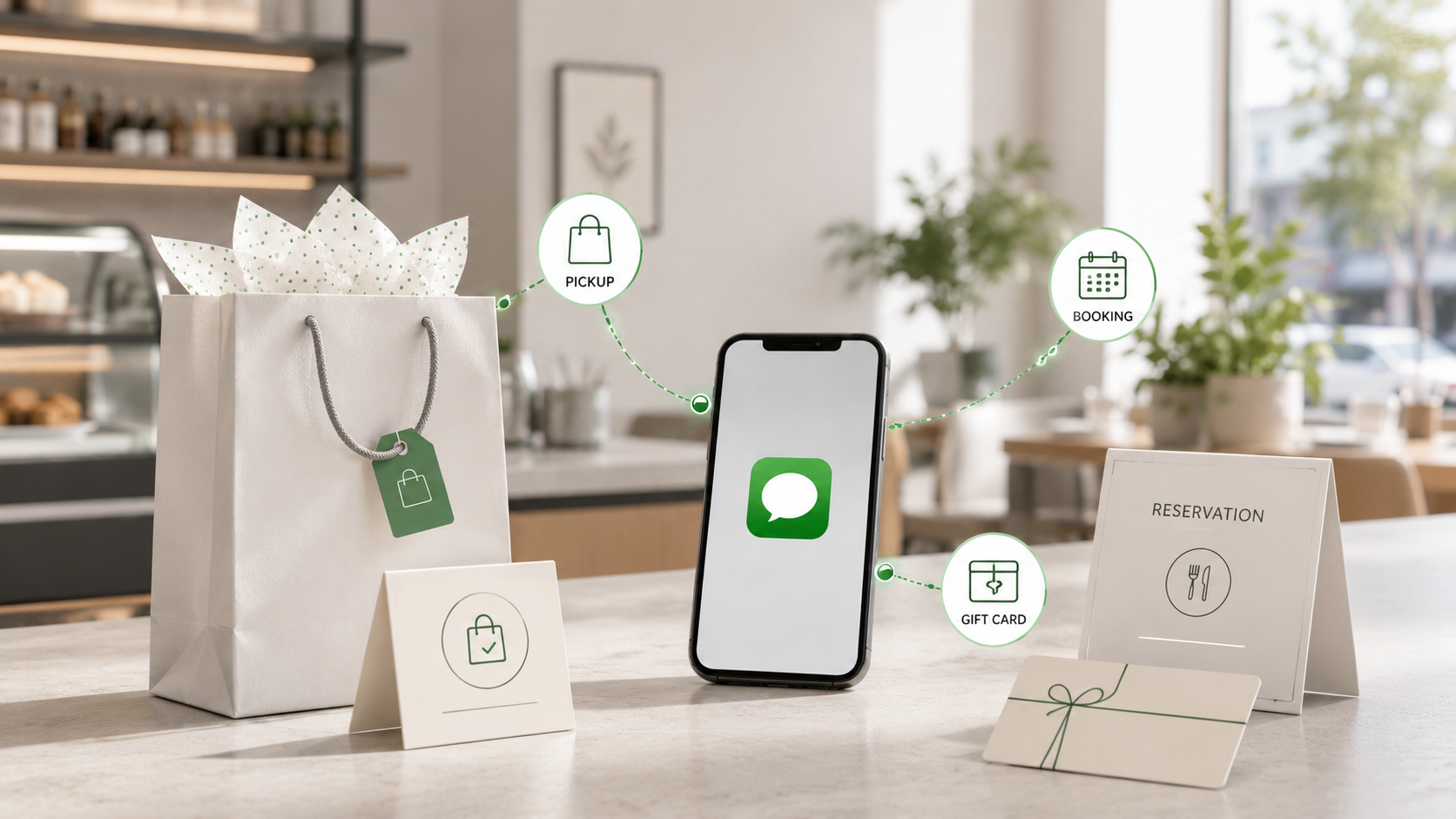
Ecommerce brands can use Father’s Day SMS for gift reminders, limited-time offers, shipping deadline alerts, pickup messages, and post-purchase updates.
This works best when the message reduces decision friction. Instead of saying “Shop now” with no context, a stronger SMS might remind customers that Father’s Day delivery windows are closing, that certain items are still available for pickup, or that a curated gift category is ready to browse.
The risk is overusing urgency. If every message says “last chance,” customers may stop trusting the timing. Reserve urgency for real deadlines such as shipping cutoff, store pickup availability, or offer expiration.
Restaurants, Local Services, and Experience-Based Businesses
Restaurants, salons, spas, fitness studios, local attractions, and experience-based businesses can use SMS for bookings, reminders, and last-minute availability.
A restaurant might send a Father’s Day brunch reservation reminder. A local service provider might promote gift cards or appointment slots. An experience brand might remind customers about family activities, weekend packages, or limited-capacity events.
For these brands, SMS should focus less on heavy promotion and more on convenience. The customer should immediately understand what is available, when it is available, and how to act.
Subscription, Membership, and Loyalty-Based Brands
Subscription and loyalty brands can use Father’s Day SMS to support retention and relationship-building.
This could include member-only offers, gift subscription reminders, loyalty point prompts, or a thank-you message after a Father’s Day purchase. The campaign should feel connected to the customer’s existing relationship with the brand, not like a random seasonal blast.
A loyalty audience may also respond better to segmentation. For example, recent buyers, high-value customers, gift shoppers, and inactive members should not always receive the same message.
Cross-Border Brands Planning Across Different Markets
Cross-border brands need a more careful Father’s Day SMS plan. Even when two markets share the same holiday date, local timing, language, fulfillment capacity, and customer expectations may differ.
Brands should check:
- local Father’s Day dates;
- time zones and preferred sending windows;
- language and currency;
- shipping and pickup cutoffs;
- local consent and opt-out requirements;
- route readiness for expected SMS volume.
For global teams, Father’s Day SMS is not one campaign copied into every market. It is a set of local customer moments managed under one broader campaign plan.
Father’s Day SMS Marketing Ideas by Customer Moment
The strongest Father’s Day SMS ideas are built around customer moments, not just creative themes. Each message should support a specific stage in the buying or service journey.
Early Gift Reminder Messages
Early reminders work well for customers who may need time to decide. These messages are useful one to three weeks before Father’s Day, depending on product type, delivery timelines, and purchase complexity. Similar seasonal SMS campaign planning principles also apply to other occasion-based campaigns, such as an International Children’s Day SMS marketing campaign, where timing, audience expectations, and message relevance all matter.
Example framework:
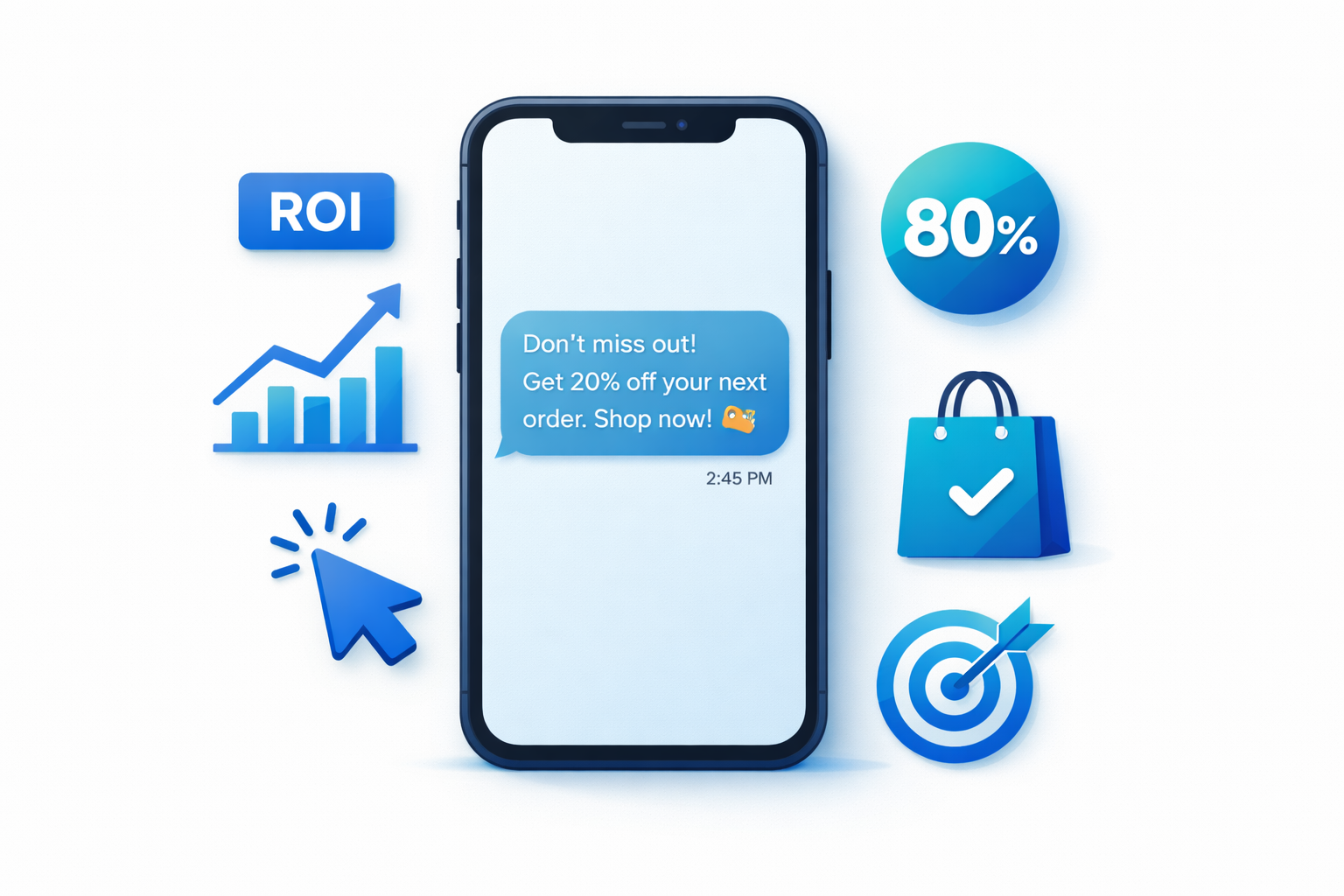
Father’s Day is coming up. Explore gift ideas that can still arrive in time, including customer favorites and easy pickup options.
This type of message works best for gift categories, curated collections, subscription gifts, and higher-consideration purchases. It should not pressure the customer too early. Instead, it should help them start planning.
Segmented Father’s Day Offer Messages
Segmented offers can make Father’s Day SMS more relevant. A first-time shopper, a repeat buyer, and a VIP customer may need different messages.
For example:
- recent browsers may receive a reminder about viewed categories;
- past gift buyers may receive a similar product prompt;
- loyalty members may receive early access;
- local customers may receive pickup or reservation options.
The main advantage is relevance. The main risk is sending messages based on weak or outdated data. Segmentation should be simple enough to trust and clear enough for the customer to understand.
Last-Minute Purchase or Pickup Reminders
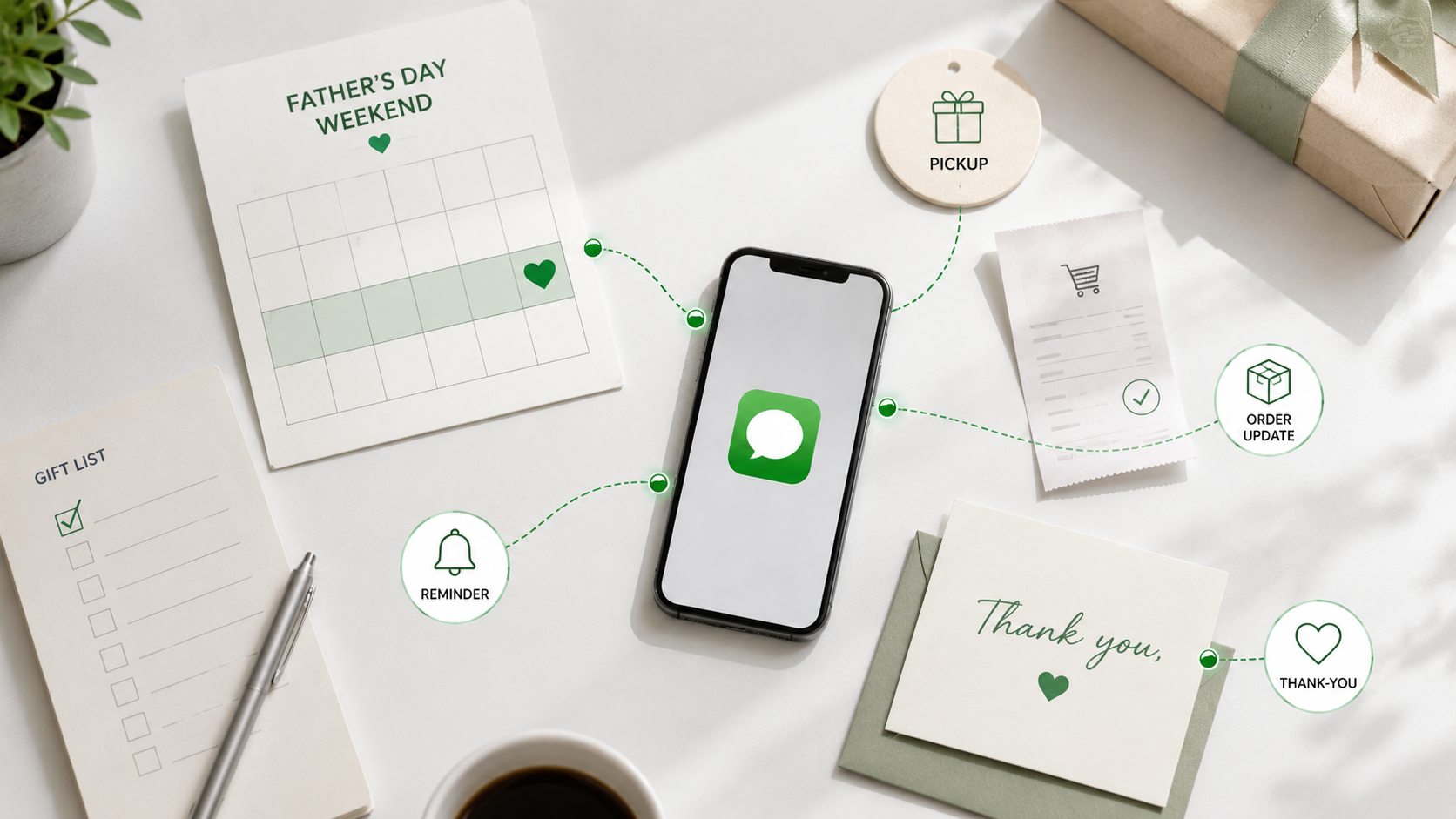
Last-minute reminders are one of the most natural uses of Father’s Day SMS. Customers often delay gift decisions, and SMS can help them act before it is too late.
This type of message should focus on practical details:
- order by a certain time;
- choose store pickup;
- buy a digital gift card;
- reserve a table;
- book an appointment;
- check local availability.
Avoid vague urgency. “Last chance” is weaker than “Order by 3 PM for local pickup.”
Order Updates, Delivery Notifications, and Appointment Reminders
Father’s Day campaigns are not only promotional. Transactional and operational messages also matter.
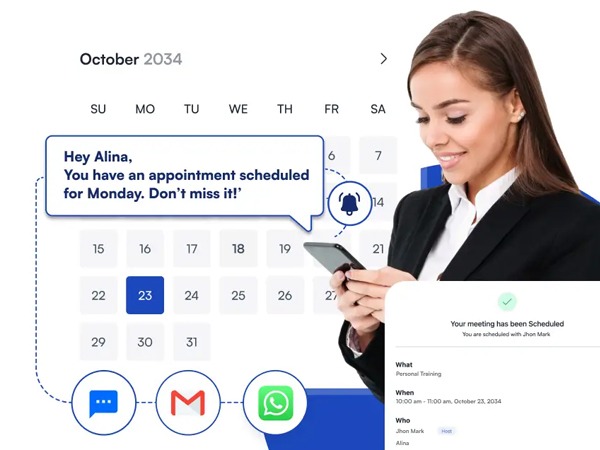
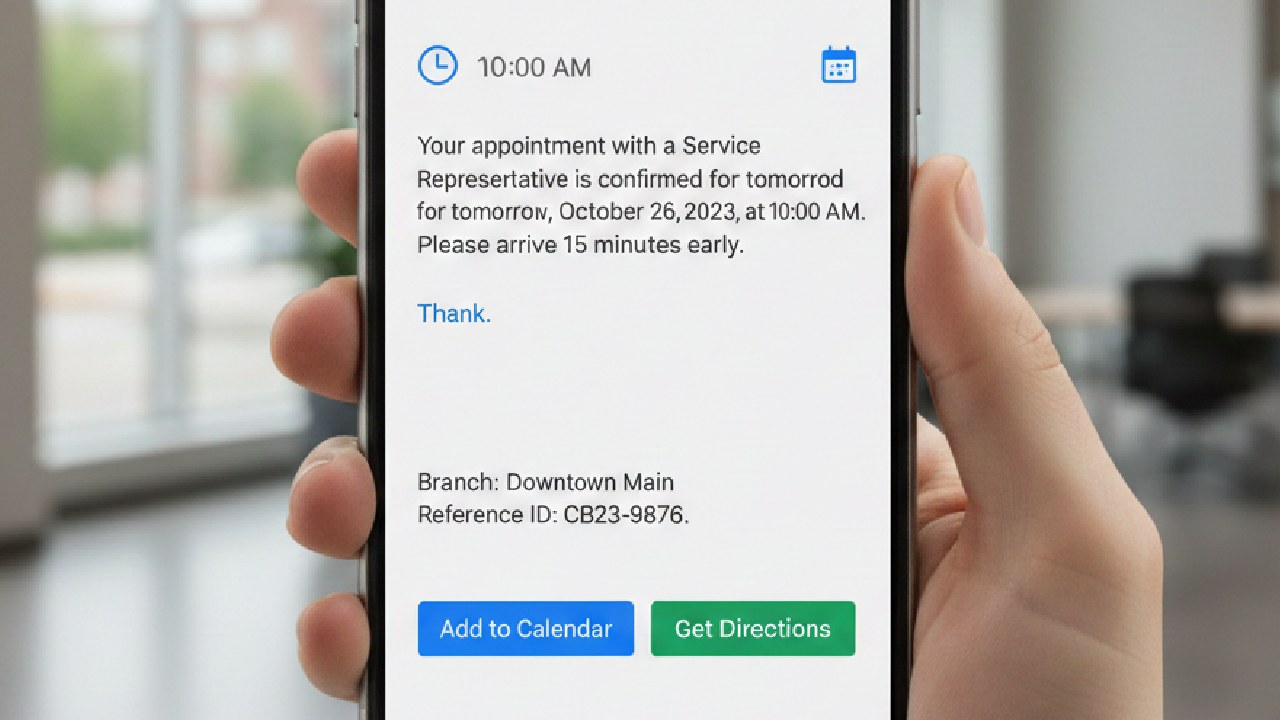
Order confirmations, delivery updates, pickup notifications, appointment reminders, and reservation confirmations can reduce customer uncertainty during a busy seasonal period. These messages should be clear, short, and directly tied to the customer’s action.
For example:
Your Father’s Day order is ready for pickup at our downtown store. Please bring your confirmation number when you arrive.
This is not a marketing push. It is a useful customer experience moment.
Two-Way SMS for Reservations, RSVPs, or Simple Replies
Two-way SMS can support simple interactions such as confirming a reservation, replying yes or no, requesting a callback, or asking for store availability.
This works best when the response path is limited and easy to manage. A small restaurant might use two-way SMS to confirm Father’s Day bookings. A local service provider might ask customers to reply if they want to keep or reschedule an appointment.
The risk is operational overload. If a brand invites replies but cannot respond quickly, the campaign may frustrate customers. Two-way SMS should only be used when the team has a clear response process.
Post-Father’s Day Thank-You or Retention Messages
The campaign should not always end on Father’s Day. A post-purchase thank-you, review request, loyalty prompt, or next-step reminder can help extend the relationship.
A good post-Father’s Day SMS is low pressure. It might thank customers for shopping, invite them to save a preference, or offer a useful follow-up. It should not feel like another urgent promotion immediately after the holiday.
For many brands, the post-holiday message is less about immediate sales and more about keeping the customer relationship warm.
How to Plan the Timing of a Father’s Day SMS Campaign
Timing is one of the most important parts of a Father’s Day SMS campaign. A good message sent too early may be ignored. A good message sent too late may be useless.
Before Father’s Day: Build Awareness and Help Customers Decide
Before Father’s Day, SMS should help customers start thinking. This stage is useful for gift guides, booking reminders, early access, and category prompts.
The message should be helpful, not aggressive. Customers may still be comparing options, so the CTA should reduce effort: browse gifts, save a date, check availability, or view local pickup options.
For products with shipping requirements, earlier planning matters more. For restaurants or local experiences, the timing may depend on reservation capacity and weekend demand.
During the Final Week: Focus on Urgency, Availability, and Convenience
The final week is the strongest window for deadline-based SMS. Customers are closer to making a decision, and the campaign can focus on practical action.
Good final-week messages include:
- shipping cutoff reminders;
- store pickup availability;
- digital gift card options;
- last appointment slots;
- reservation confirmations;
- limited-time offers with a clear end time.
The CTA should be specific. “Shop now” is acceptable, but “Order by Friday for pickup” is stronger.
On Father’s Day: Use SMS Carefully and Only When the Message Is Useful
Father’s Day itself is not always the best time for promotional SMS. Customers may already be celebrating, traveling, or spending time with family.
On-day SMS should be used carefully. It may work for reservation reminders, event updates, digital gift cards, same-day pickup, or a thoughtful brand message. It is less suitable for repeated discount pushes.
A simple rule: if the message helps the customer today, it may belong in SMS. If it only helps the brand push another promotion, reconsider the timing.
After Father’s Day: Follow Up Without Turning the Campaign Into Noise
After Father’s Day, brands can use SMS for thank-you messages, review requests, loyalty reminders, or customer service follow-ups.
This stage should be slower and softer. The customer has already acted or ignored the campaign. A post-holiday message should not pretend the urgency still exists.
A good follow-up might say:
Thanks for choosing us for Father’s Day. We hope your gift arrived smoothly. Reply HELP if you need support with your order.
This keeps the relationship open without forcing another sale.
What to Check Before Sending Father’s Day Text Messages
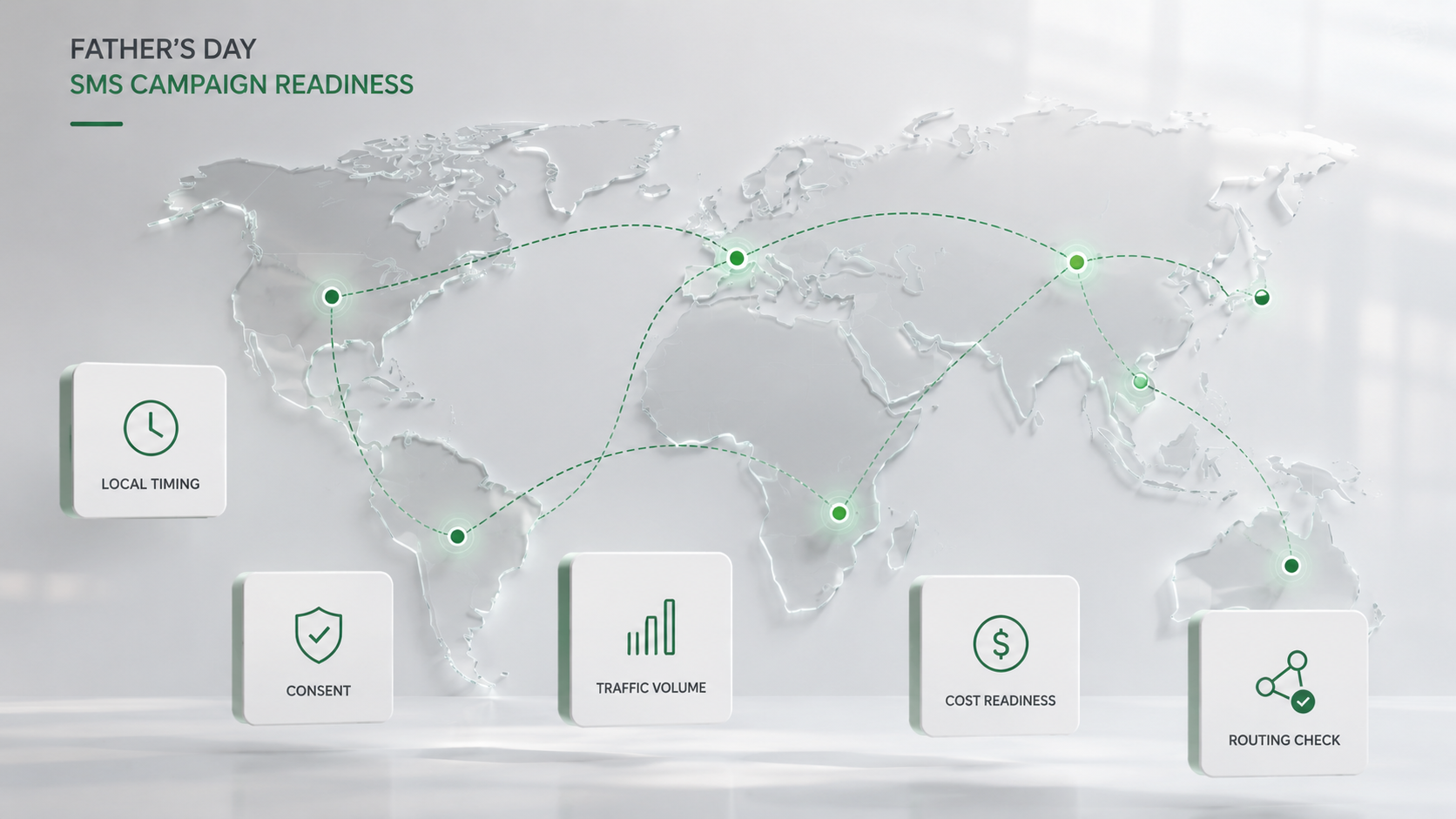
Before sending Father’s Day SMS, brands should check more than the message copy. The campaign also depends on consent, frequency, segmentation, local timing, routing, and volume readiness.
Consent, Opt-Out, and Message Relevance
Marketing SMS should be sent only to customers who have provided appropriate consent. In the United States, FCC guidance states that advertising robotexts generally require prior express written consent when sent using autodialed texts, and senders must stop sending text advertisements after an opt-out request.
Brands should also make opt-out simple. FCC rules and guidance around robocalls and robotexts emphasize the consumer’s ability to revoke consent by reasonable means, and recent FCC materials state that revocation requests must be honored within a defined time window.
This article is not legal advice. Rules vary by market, message type, sender type, and campaign setup. Teams should review applicable requirements before sending promotional SMS.
Audience Segmentation and Frequency Control
Frequency control is especially important during holidays. Customers may already receive many seasonal messages from different brands.
A Father’s Day SMS plan should define:
- who receives each message;
- why they are receiving it;
- how many messages they may receive;
- when the campaign stops;
- which audiences should be excluded.
Exclusion logic matters. For example, a customer who already bought a Father’s Day gift may not need another gift reminder. A customer who opted out of promotions should not receive promotional SMS.
Local Timing, Language, and Market Differences
Cross-market brands should not send Father’s Day SMS based only on headquarters time. The message should match the customer’s local time zone, language, fulfillment conditions, and holiday calendar.
Even when two countries observe Father’s Day on the same date, the best sending time may differ. Retail hours, restaurant demand, delivery networks, and customer behavior can vary by city or market.
A practical approach is to create a market-by-market sending calendar. This reduces the risk of sending too early, too late, or in the wrong context.
Routing, Traffic, and Cost Readiness
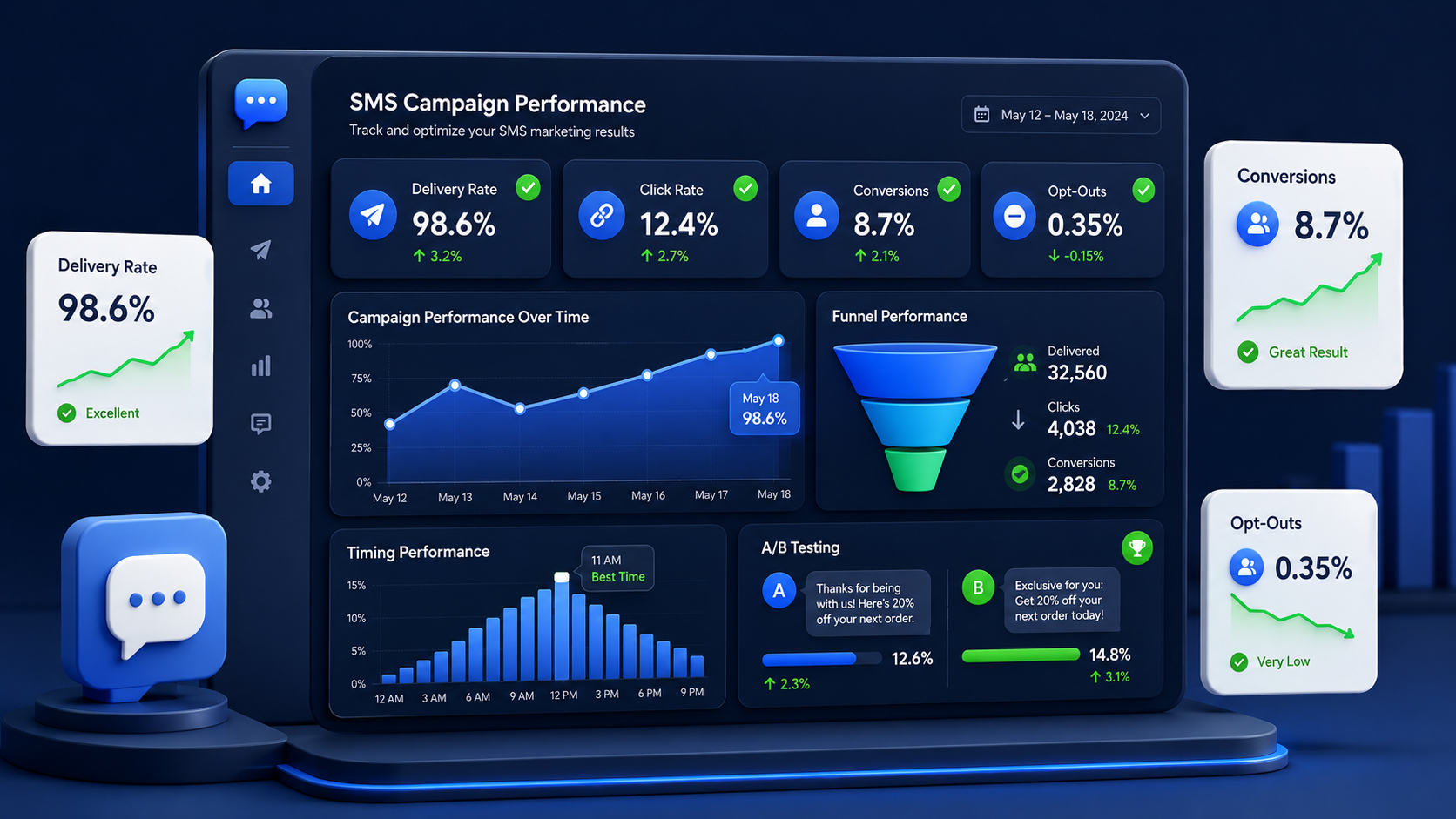
Seasonal campaigns can increase SMS volume in a short period. Brands should check whether their SMS setup can handle expected traffic, especially if they are sending across several countries.
Routing readiness includes route quality, sending capacity, monitoring, fallback planning, and cost visibility. Cost readiness matters because high-volume promotional campaigns can become expensive if teams do not understand destination pricing and routing choices. For a broader operational view, review the main factors that affect A2P SMS deliverability before seasonal volume rises.
This is where SMS planning becomes more than copywriting. The message matters, but the sending setup determines whether the campaign can run smoothly at scale.
If your team is planning Father’s Day SMS across multiple markets, a practical next step is to review sending volume, destination coverage, local timing, and routing readiness before campaign traffic rises.
Father’s Day SMS Message Frameworks Brands Can Adapt
Message frameworks are safer than generic templates because they help teams adapt the structure to their own brand, audience, and campaign rules.
Reminder Message Framework
Use this when customers still have time to decide.
Structure: Occasion + useful reminder + specific action
Example:
Father’s Day is coming soon. Browse gift ideas that can still arrive in time, or choose pickup where available.
Best for ecommerce, gift brands, subscription boxes, and local retailers.
Limited-Time Offer Message Framework
Use this when the offer is real and time-bound.
Structure: Offer + deadline + action
Example:
Father’s Day offer: Save on selected gifts until Friday. Order today for pickup options in selected stores.
Best for brands with clear inventory, real deadlines, and segmented audiences.
Pickup or Delivery Update Framework
Use this for operational clarity.
Structure: Order status + location or timing + next step
Example:
Your Father’s Day order is ready for pickup. Visit our Main Street store before 6 PM and bring your order confirmation.
Best for retail, restaurants, florists, bakeries, and local services.
Thank-You or Follow-Up Message Framework
Use this after the campaign to support retention or service.
Structure: Thank you + support option + soft next step
Example:
Thanks for choosing us for Father’s Day. We hope everything arrived smoothly. Reply HELP if you need support.
Best for post-purchase care, loyalty campaigns, and customer service follow-up.
How SMSBoosting Supports Father’s Day SMS Campaign Readiness
SMSBoosting supports brands that need reliable, cost-efficient A2P SMS messaging for seasonal and cross-border customer communication. Its core positioning is focused on SMS routing, delivery performance, and cost-efficient messaging for enterprises, with use cases including high-volume promotional SMS, transactional SMS, two-way SMS, and selected OTP/2FA support.
For Father’s Day campaigns, that support can matter in three practical areas.
Global A2P SMS Reach for Cross-Market Campaigns
Cross-market brands may need to send Father’s Day reminders, offers, order updates, or loyalty messages across different destinations. A global A2P SMS setup helps teams plan destination coverage, market timing, and message flows before the holiday window becomes urgent.
The goal is not to send the same message everywhere. The goal is to make localized SMS execution easier to manage.
Routing and Delivery Visibility for Campaign Planning
Father’s Day campaigns often concentrate message volume into a few days. Teams need visibility into campaign status, routing conditions, and sending performance so they can monitor what is happening during the campaign.
Routing and delivery visibility do not replace good consent, good segmentation, or good copy. They support the operational layer behind the campaign.
Cost-Efficient Messaging at Seasonal Volume
Seasonal SMS campaigns can involve higher-than-normal volume. Cost-efficient messaging helps teams plan campaign scale without treating SMS costs as an afterthought.
For growth, CRM, and ecommerce teams, cost planning should happen before launch. That includes destination mix, expected volume, message type, and whether the campaign includes promotional, transactional, or two-way SMS.
FAQ
When should brands start sending Father’s Day SMS campaigns?
Brands can start Father’s Day SMS planning two to three weeks before the holiday, but the first customer-facing SMS depends on product type and buying cycle. Gift brands with shipping deadlines may start earlier. Local services or restaurants may focus on the final one to two weeks.
How many Father’s Day SMS messages should a brand send?
There is no universal number. Many brands should keep the campaign simple: one early reminder, one deadline-based message, and one useful follow-up may be enough. The right frequency depends on consent, audience expectations, purchase cycle, and whether the customer has already acted.
What should a Father’s Day text message include?
A Father’s Day text message should include a clear reason for sending, one main offer or update, a specific action, and an easy way to opt out where required. The message should be short enough to understand quickly and useful enough to justify the direct channel.
Can brands send Father’s Day SMS campaigns in multiple countries?
Yes, but they should check local dates, time zones, language, consent rules, sender requirements, and delivery conditions. Even when markets share the same Father’s Day date, the campaign should be localized for timing, relevance, and execution.
Is Father’s Day SMS marketing only for ecommerce brands?
No. Ecommerce brands are a natural fit, but restaurants, local services, experience brands, subscription companies, membership programs, and loyalty teams can also use Father’s Day SMS when the message supports a real customer moment.
Conclusion
Father’s Day SMS marketing works best when it is useful, timely, and connected to a real customer need. The strongest campaigns do not rely only on discounts. They help customers remember the occasion, choose a gift, act before a deadline, confirm a booking, pick up an order, or receive support after purchase.
For brands, the practical question is not “What Father’s Day text should we send?” It is “Which customer moment deserves SMS, and what needs to be ready before we send it?”
That means checking consent, opt-out handling, segmentation, timing, local market differences, routing readiness, and cost expectations before the campaign begins. When those pieces are in place, SMS can become a clear and helpful part of the Father’s Day customer experience.
Preparing Father’s Day SMS Campaigns Across Markets?
If your team is preparing Father’s Day SMS campaigns across markets, SMSBoosting can help review A2P SMS routing readiness, sending volume, destination coverage, and cost-efficient messaging setup before seasonal traffic rises.
Talk to SMSBoostingReferences
Time and Date. Father’s Day in the United States.
Time and Date. Father’s Day in Canada.