The best SMS marketing platform is the one that reliably delivers your messages, supports the countries you serve, and fits how your team actually works. It is not always the cheapest option, and it is definitely not always the most popular one.
That is where many businesses get stuck. They compare feature lists, look at price tables, and assume every platform will perform about the same. Then the real problems show up later: weak delivery in key markets, compliance gaps, clunky integrations, or a workflow your team hates using.
In this guide, we will show you how to compare SMS platforms the right way. You will see which platform types exist, which features matter first, how to test providers in real-world scenarios, and how to choose a solution that can scale with your business instead of slowing it down.
What Makes an SMS Marketing Platform the Best for Your Business?
The best SMS marketing platform is the one that fits your business goals, target markets, and internal workflow. It is not simply the platform with the most features or the lowest price.

Start with your primary use case. Some businesses mainly need promotional campaigns and automations, while others depend on time-sensitive messages like OTPs, alerts, or service updates. A platform that works well for one type of messaging may not be the best fit for the other.
Your customer markets matter too. Delivery quality, routing strength, and compliance requirements can vary a lot by country. A provider that performs well in one region may not perform the same way in another, so your actual sending geography should shape your shortlist.
Finally, think about how your team works. Marketing teams may need segmentation and automation, while operations or product teams may care more about reliability, visibility, and API flexibility. The best platform should support your workflow today and still fit as your messaging needs grow.
Which Type of SMS Marketing Platform Fits Your Business Best?
Most SMS platforms fall into a few clear categories. Choosing the right type early helps you avoid comparing tools that were never built for your use case.
E-commerce-first platforms
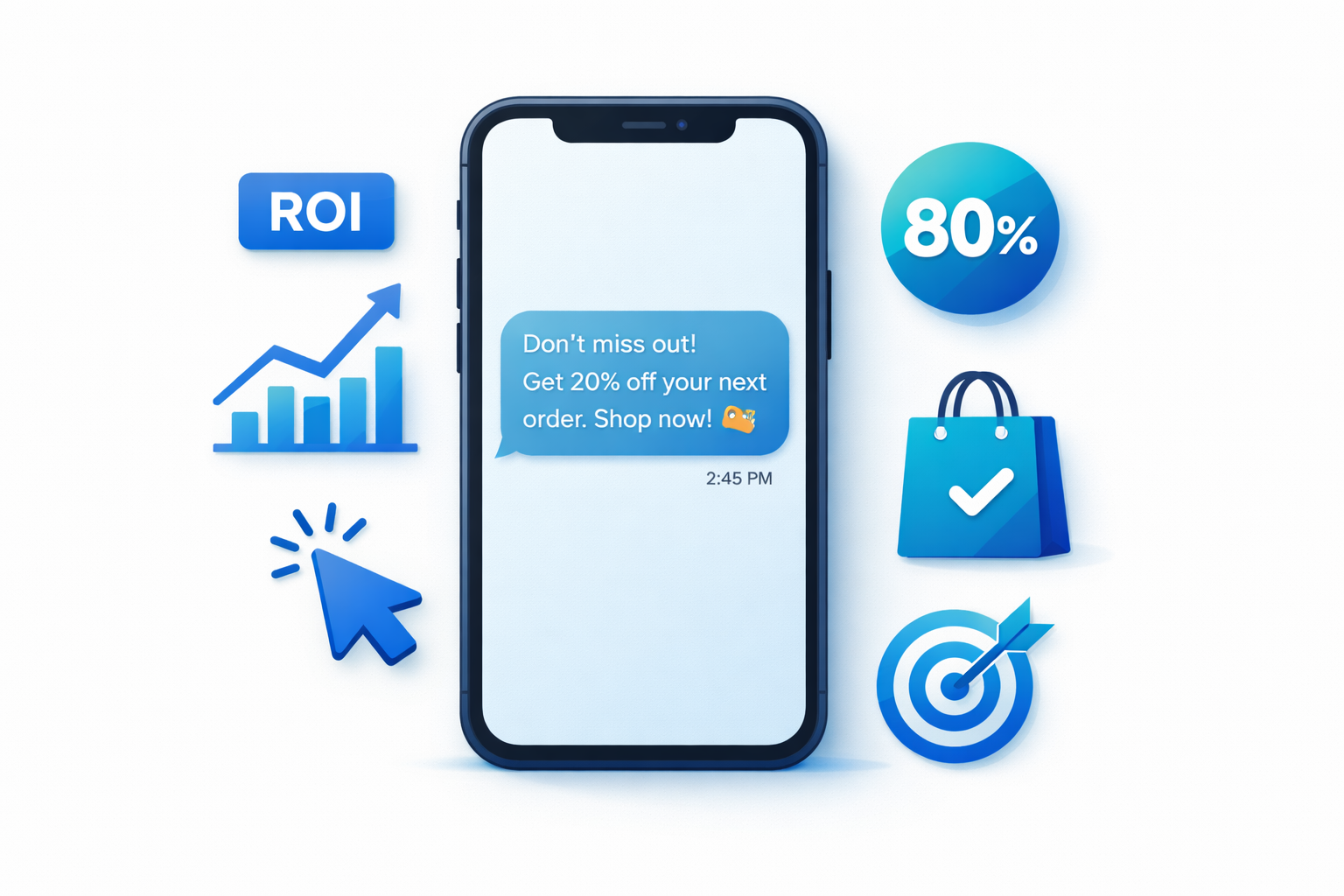
These platforms focus on campaigns, automations, and revenue tracking, and are widely used for SMS marketing for e-commerce, where flows like abandoned cart reminders, promotions, and customer journeys directly drive revenue.
They work best for brands that rely on SMS as a core marketing channel, but may feel limited if you need strong API control or more complex operational messaging.
Simple business texting tools
These tools prioritize speed and ease of use. They are often a good fit for small teams that need basic messaging without setup complexity.
They are less suitable once you need automation, multi-region delivery, or deeper integrations.
Enterprise customer engagement platforms
These platforms combine SMS with email, push, and other channels to manage full customer journeys.
They fit larger teams with multi-channel strategies, but can add unnecessary complexity if your main need is reliable SMS delivery.
Infrastructure-oriented SMS platforms
These platforms focus on delivery, routing, and API flexibility. They are designed for scale and integration with internal systems.
They are a strong fit for businesses that need reliability and control, but may require more technical setup.
How Should You Compare SMS Marketing Platforms Side by Side?
You should compare SMS marketing platforms with a weighted scorecard, not a generic feature checklist. In most cases, delivery, compliance, and market coverage should come before automation features or low headline pricing.

Start with your must-have requirements.
Before you compare providers in detail, remove any platform that cannot support your core needs. That usually means checking:
- Local vs. international delivery needs
- Marketing, transactional, or mixed messaging
- No-code tools, API access, or both
- Required integrations with your store, CRM, or internal systems
If a platform fails on those basics, it should not stay on your shortlist.
Score delivery, compliance, and coverage first.
These three areas usually deserve the highest weight because they determine whether your messages can actually reach the right users in the right markets without creating avoidable risk.
- Deliverability affects message success and timing
- Compliance reduces legal and carrier risk
- Coverage shows whether the provider is strong where you actually send
Once those fundamentals are clear, you can compare workflow fit, automation, support, and pricing.
Review pricing in context, not in isolation.
A lower per-message rate does not always mean a lower real cost. Weak delivery, poor support, or extra manual work can make a cheaper platform more expensive over time.
Different businesses should also score platforms differently. An e-commerce brand may give more weight to automation and integrations, while a B2B or multi-market team may care more about reliability, API flexibility, and regional strength.
| Comparison Area | Why It Matters | Questions to Ask |
| Deliverability | Affects whether messages actually land | What delivery visibility do you provide by country or carrier? |
| Compliance | Reduces legal and carrier risk | How do you support opt-in records and local rules? |
| Coverage | Matters for expansion and multi-region sending | Which countries and routes are strongest? |
| Integrations | Improves workflow efficiency | Which CRM, ecommerce, or API options are available? |
| Support | Reduces launch and sending risk | What help is available during onboarding and live sending? |
| Pricing | Affects total cost of ownership | What costs exist beyond per-message pricing? |
Which Features Should You Compare First When Choosing an SMS Marketing Platform?
You should compare the features that directly affect delivery, compliance, and day-to-day execution first. A long feature list may look impressive, but it does not mean much if the platform cannot perform well in your real sending environment.
Delivery performance and routing quality
Delivery is the foundation. Look for consistent performance in your target regions, not just broad global claims. A stronger platform should give you useful visibility into message status, timing, and regional performance.
Compliance and opt-in management
SMS compliance varies by country, so this feature becomes more important as your business expands. The platform should help you manage consent, support local requirements, and reduce filtering or carrier-related risk.
Segmentation and automation
If SMS is part of your marketing engine, segmentation and automation matter a lot. Make sure you can build targeted audiences, trigger messages based on customer behavior, and create flows that match your campaigns or lifecycle goals.
API access and integration flexibility
This becomes more important as your messaging setup gets more complex. The platform should connect with your CRM, store, or internal systems and support the workflows you need without adding unnecessary friction.
Reporting and performance visibility
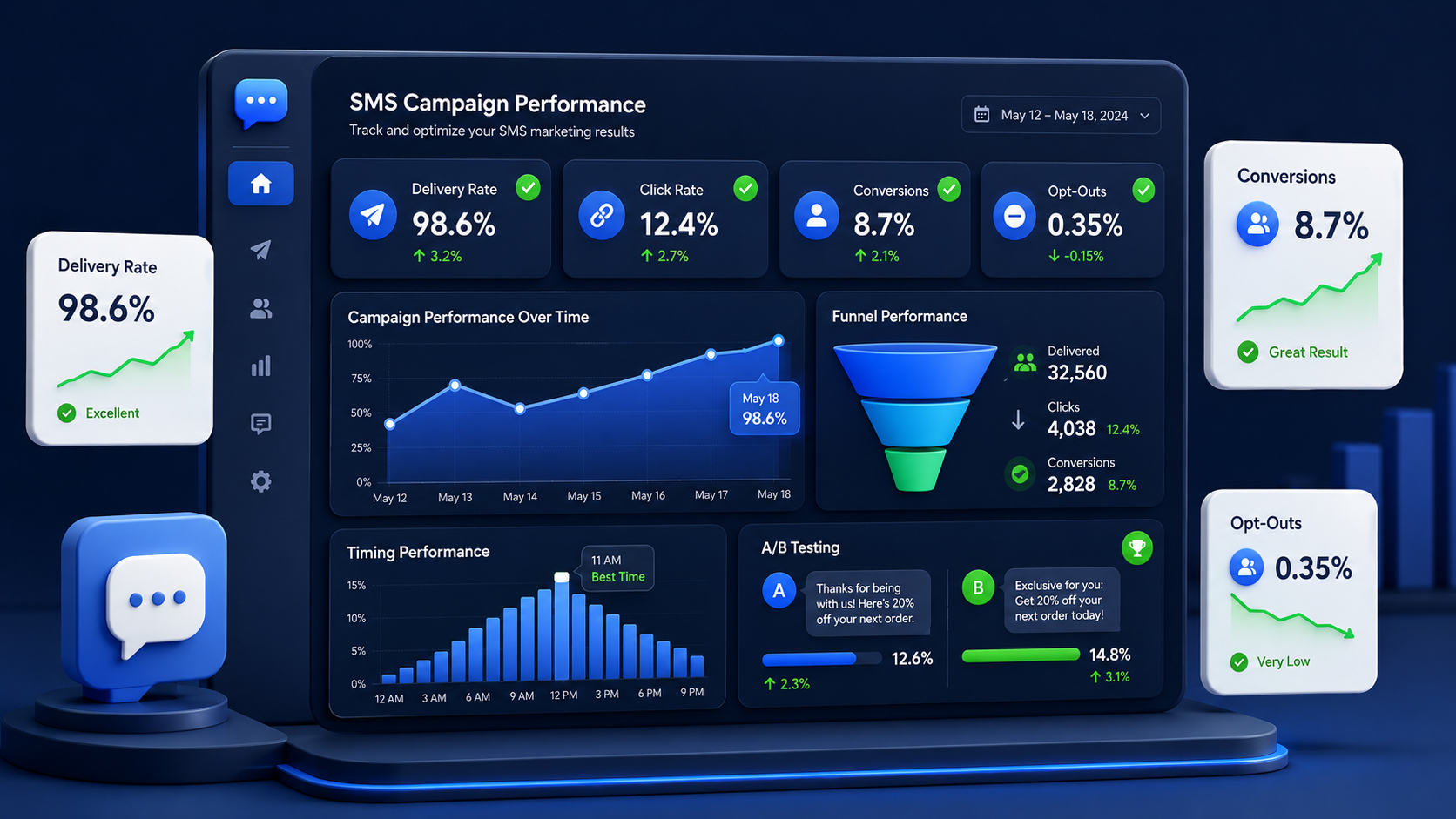
Good reporting helps you improve over time. Look for visibility into delivery outcomes, engagement trends, and regional differences so your team can make better decisions instead of guessing.
Support and onboarding quality
Support often gets ignored until something goes wrong. Strong onboarding and responsive support can reduce launch risk, speed up troubleshooting, and make a big difference for international or time-sensitive messaging.
Not every business needs these features at the same depth. The key is to prioritize the ones that match your primary use case rather than trying to maximize every category at once.
Why Should Deliverability and Global Reach Be Priority Factors?
Deliverability and global reach matter more than most businesses expect because they determine whether your messages arrive where they need to, when they need to, and with enough consistency to support real business outcomes. If that foundation is weak, strong automation, attractive pricing, and a polished dashboard will not make up for it.
A cheap platform is not a good deal if messages do not land
Low pricing looks attractive at the buying stage, but poor delivery quickly becomes expensive in practice. Late messages can hurt campaign timing, failed messages can waste spend, and inconsistent routing can damage customer trust. If your platform cannot deliver reliably in your main markets, the savings on paper usually disappear fast.
International messaging is not the same as domestic sending
Many teams underestimate how different international SMS can be. Coverage is not just about whether a provider says it supports a country. What matters is how well it performs there. Carrier filtering, sender requirements, routing quality, and local compliance can vary widely from one market to another. A platform that works well in one country may still perform poorly in another.
For B2B and operational messaging, timing matters even more
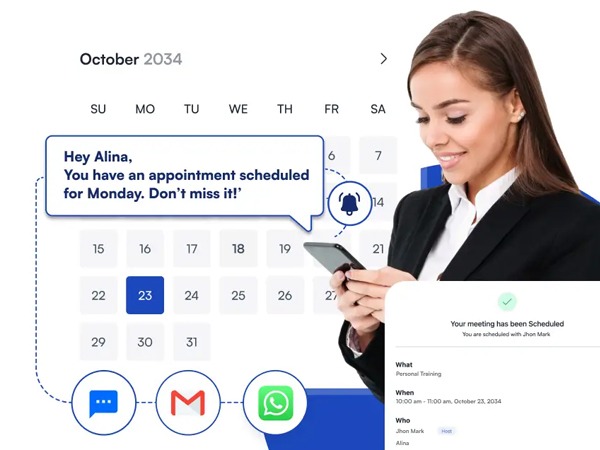
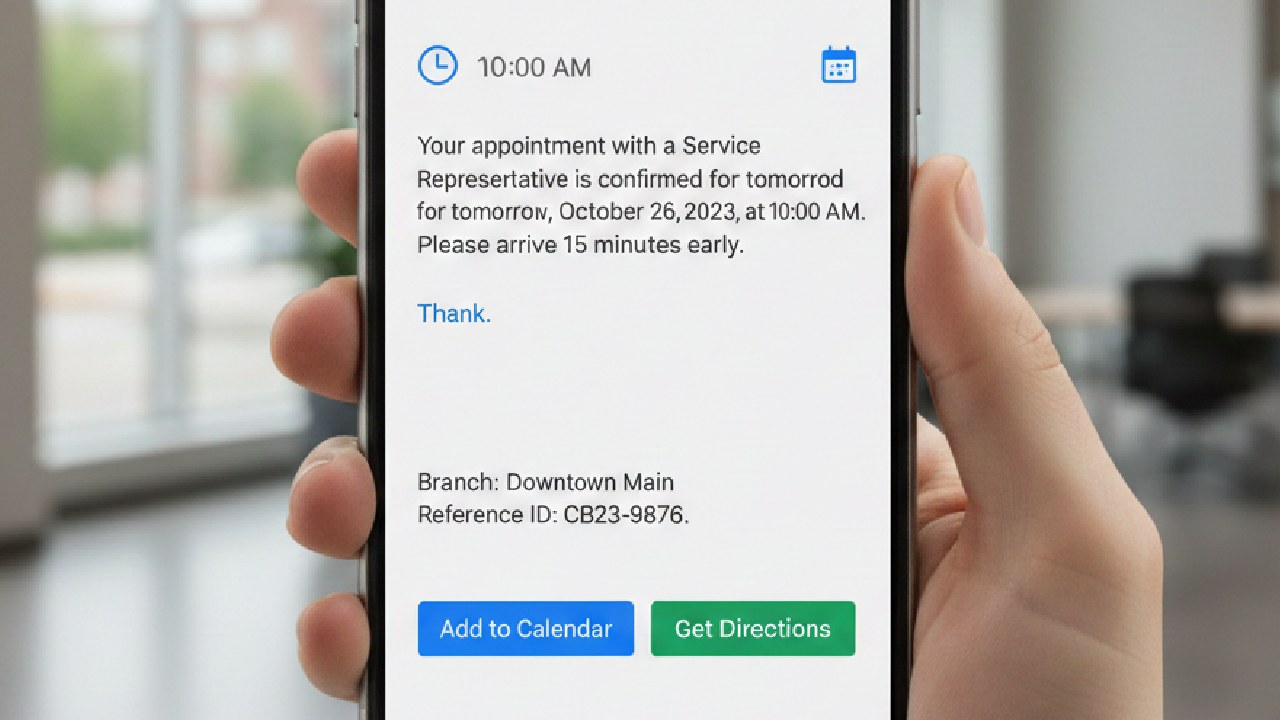
In B2B environments, SMS is often tied to reminders, account updates, alerts, approvals, or service workflows. In those cases, message timing and consistency can matter more than marketing-style engagement features. A delay of a few minutes may not matter for a promotion, but it can matter a lot for an operational message.
Global support becomes more important as you scale
As your business grows across markets, you usually need more than message volume. You need regional coverage, better compliance guidance, and support that can help your team troubleshoot issues in real sending conditions. This is where weaker platforms often start to show their limits.
Can One SMS Platform Handle Both Campaigns and Time-Sensitive Messages?
Yes, one SMS platform can handle both campaigns and time-sensitive messages, but not every platform does both well. That is the key difference.
Campaign messaging and time-sensitive messaging solve different problems
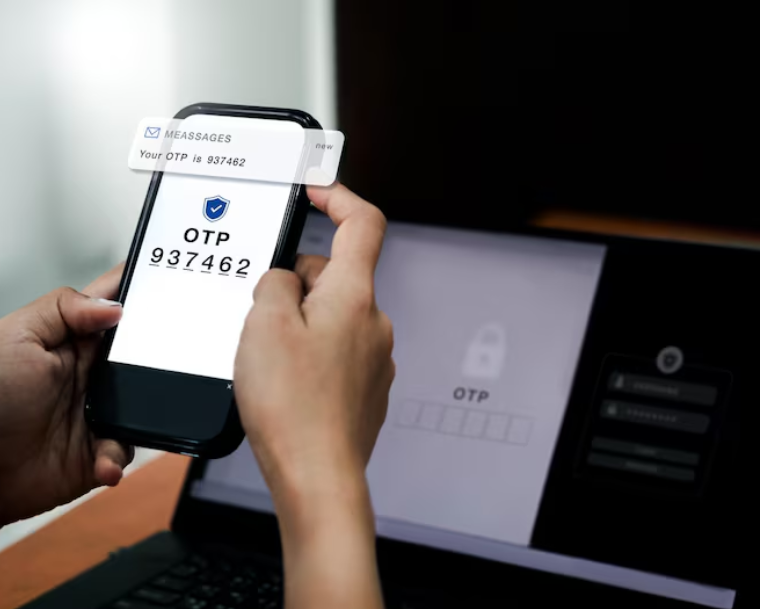
Promotional campaigns usually focus on reach, engagement, audience targeting, and automation. Time-sensitive messages such as OTP SMS, alerts, reminders, or system notifications depend much more on delivery speed, consistency, and real-time performance.
Some businesses need both in one system
Many growing teams do not want separate tools for marketing and operational messaging. Using one provider can simplify reporting, reduce integration work, and make internal workflows easier to manage.
The real question is whether the platform is balanced enough for your use case
This is where businesses need to look carefully. A platform may say it supports both, but that does not automatically mean it performs equally well for both. If your business depends on urgent notifications as well as campaign revenue, you need a provider with reliable delivery, flexible workflows, and enough control to support both message types without compromise.
This matters even more for B2B and multi-market teams
For B2B, SaaS, and cross-border teams, the need for both is often more practical than optional. These businesses may run marketing campaigns, account updates, service alerts, and customer notifications across different markets. In that kind of setup, choosing the wrong platform creates friction that only gets worse as messaging volume and complexity increase.
How Should You Test an SMS Marketing Platform Before You Commit?
You should test an SMS marketing platform with real workflows, real target regions, and clear success criteria. A polished demo is useful, but it does not tell you how the platform will perform once your team starts sending actual messages.
Start with one or two real use cases
Begin with the message types that matter most to your business. That could be a campaign send, an OTP, an alert, or a customer reminder. The goal is to test the workflows you will actually rely on, not a simplified example built just for a sales presentation.
Test in your real target regions
Do not rely only on broad coverage claims. Send messages to your key countries, across different carriers if possible, and use real numbers or close test equivalents. A provider may say it supports a market, but what matters is how consistently it performs there.
Measure the metrics that actually matter
Clicks are only part of the picture. You should also look at:
- Delivery success rate
- Delivery speed
- Message consistency
- Regional performance differences
These numbers will usually tell you much more than a demo dashboard.
Review setup effort and workflow fit
A platform can look strong on paper and still create friction for your team. Pay attention to how long setup takes, how easy the interface is to use, and whether your team can build the workflows they need without unnecessary workarounds.
Compare a small shortlist before you commit
In most cases, it is smarter to test two or three serious options side by side instead of committing too early. That gives you a more realistic view of performance, usability, and long-term fit.
How Should Most Businesses Make the Final Choice?
The best SMS marketing platform for most businesses is not a universal winner. It is the platform that best fits what you send, where you send it, and how your team needs to work. In most cases, best fit matters far more than brand popularity or a long feature list.
For e-commerce brands, the best choice is usually a platform with strong automation, customer segmentation, and store integrations. For local service businesses, a simpler tool may be enough if it is easy to use and supports fast everyday communication.
For B2B, SaaS, and multi-market teams, the answer is often different. These businesses usually need stronger delivery reliability, better international coverage, and more API flexibility because their messaging often supports both customer communication and operational workflows.
Growth also matters. A platform that works for your business today may become limiting once you expand into more regions, add more message types, or involve more teams. That is why the best choice is often the platform that can support your next stage, not just your current setup.
So for most businesses, the smartest approach is not to ask which platform is best in general. It is to ask which platform best matches your use case, your markets, and your growth plans.
Conclusion
The best SMS marketing platform is not the one with the longest feature list or the lowest starting price. It is the one that reliably delivers your messages, supports the markets you serve, and fits the way your team actually works.
For most businesses, the smartest way to choose is to focus on four things first: your primary use case, delivery reliability, compliance support, and workflow fit. That matters much more than brand popularity alone.
It also helps to think beyond your current setup. A platform that works for a small local campaign may not be the right fit once you add more regions, more message types, or more internal teams.
If you are comparing providers now, build a shortlist, test them in your real target markets, and choose the one that best matches your business goals today and your growth plans for the next stage. If you need a platform that prioritizes global delivery, compliance, and flexible messaging workflows, you can explore how SMSBoosting supports businesses scaling across markets.
FAQs
When does a bulk texting tool stop being enough for a growing business?
A bulk texting tool usually stops being enough when your team needs more than basic one-time sends. If you start needing automation, segmentation, API access, multi-region delivery, or better reporting, a simple tool can quickly become limiting. That is often the point where businesses move to a more advanced SMS platform that can support both growth and more complex workflows.
What should B2B companies look for in an SMS platform?
B2B companies should usually prioritize delivery reliability, international coverage, and API flexibility. That is because B2B messaging often supports reminders, account updates, alerts, approvals, or other operational workflows where timing matters. Integration with internal systems is also important, especially if SMS needs to work alongside CRM, support, or product workflows.
Why do cheaper SMS platforms often cost more in the long run?
Cheaper SMS platforms can cost more over time if delivery quality is weaker, support is limited, or your team has to handle more manual work. The added cost does not always show up in the platform fee itself. It often appears as wasted campaign spend, slower workflows, missed messages, and extra time spent fixing issues that a stronger provider would have handled better.
How do you know if an SMS platform is reliable for international campaigns?
The best way to know is to test it in your actual target countries. Look at delivery success, timing, and consistency across carriers instead of relying only on broad coverage claims. It also helps to check whether the provider offers regional compliance guidance and support, because international messaging is rarely as simple as turning on a new country.
What are common mistakes businesses make when choosing an SMS platform?
Common mistakes include focusing too much on price, assuming all providers perform similarly across markets, underestimating compliance requirements, and choosing a platform that does not match internal workflows. Another common mistake is skipping real testing and relying too heavily on demos or sales claims before launch.