
The best SMS gateway for the Philippines is the one that passes your own checks. Do not choose a provider from a broad coverage claim. Give each candidate the same brief. Ask each one to support the same test and explain the same report fields. Compare current quotes on the same basis. Then record who owns each open point.
Use five steps. Define the traffic and pass rules. Screen each candidate. Confirm what must be ready. Run a controlled test. Make a go, conditional-go, or no-go decision.
SMSBoosting is the service provider featured in this guide. It is an international SMS aggregator and platform, not a mobile carrier. Customers do not select named carrier routes. SMSBoosting sets up a suitable option from those available for the confirmed need. The same clear checks should still apply to it.
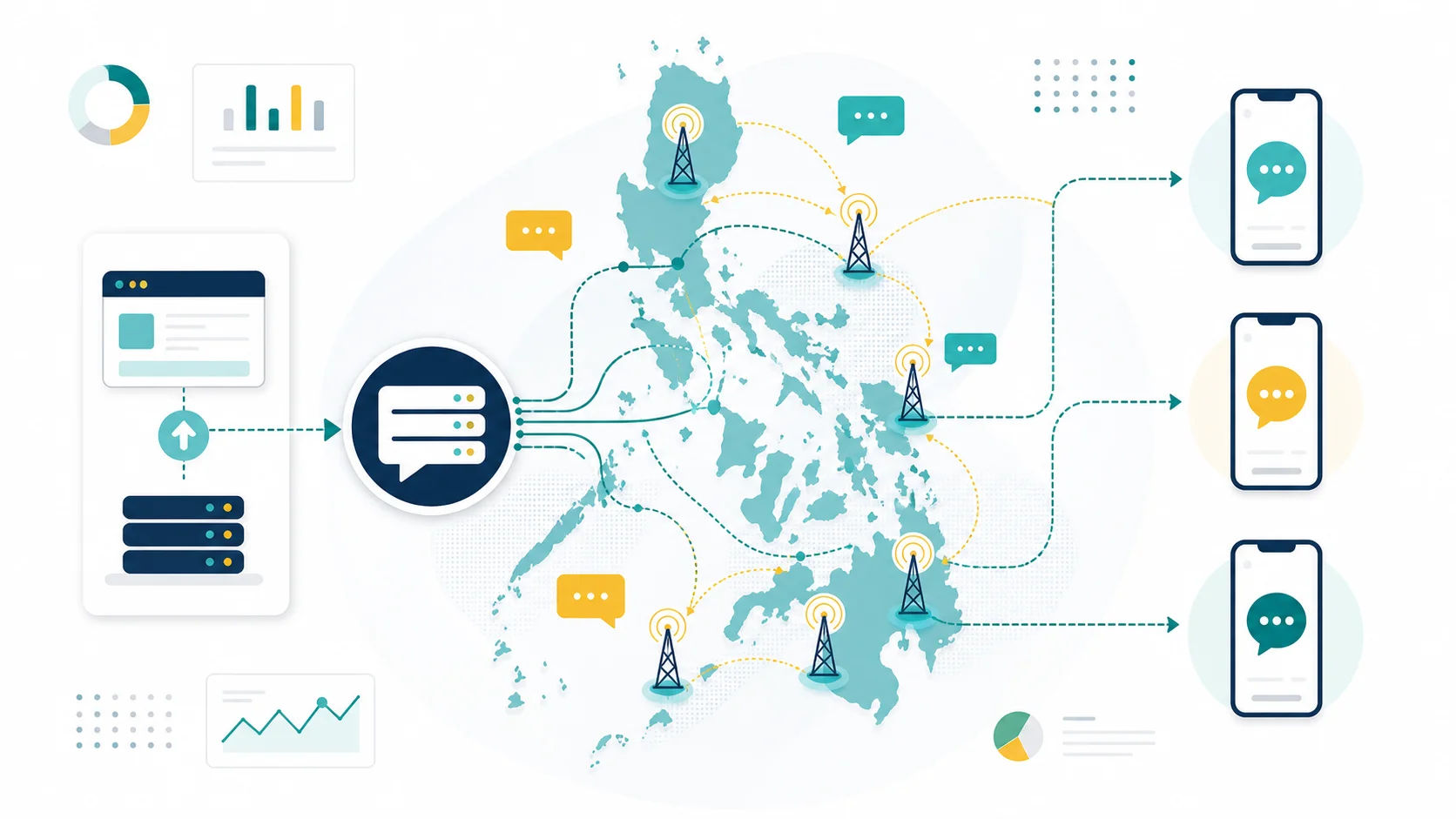
Build one Philippines procurement brief before shortlisting
Send one brief to every candidate. This stops false comparisons. One quote may assume OTP traffic, while another may assume promotions. One provider may price a web test, while another may assume an API launch.
| Brief field | What to record |
|---|---|
| Destination. | Philippines. Use +63 only as the country-code context. |
| Audience. | Intended users and the source of their data. |
| Message class. | OTP, service notice, or permission-based promotion. |
| Trigger. | Login, payment, account event, or campaign schedule. |
| Sample content. | A real example for review and testing. |
| Sender state. | Known facts, open questions, and the owner. |
| Volume. | Normal level, peaks, and expected growth. |
| Interface. | Web portal, HTTP API, or SMPP. |
| Timing. | Business window, event need, and test window. |
| Reports. | Needed IDs, status fields, and review steps. |
| Support. | Owner for an error or retest. |
| Pass rules. | Clear pass, conditional-pass, and fail terms. |
Separate message classes and triggers
Do not place every message under “bulk SMS.” An OTP SMS message starts with a login or security event. It needs an app owner. A service notice may follow an order or account change. A promotion has its own audience and permission checks.
Give the provider sample content, not just a broad label. This can reveal sender, content, or setup questions before the test. It also keeps the test close to the planned service.
End the brief with two names. One person owns the final decision. Another may own the technical or campaign work. Add a date for each missing input. A short, complete brief gives procurement a fair base for the shortlist.
Screen providers with a transparent method
Start with providers the buyer may really use. Apply the same screen to all of them. This is not a ranked list of Philippine SMS firms. It is a way to remove weak or unclear options.
Swipe horizontally to view the full table.
| Check | Evidence to ask for | Mark |
|---|---|---|
| Brief fit. | A reply to the same traffic, interface, and timing needs. | Pass, conditional, or open. |
| Test fit. | A test plan for the intended message class. | Pass, conditional, or open. |
| Interface fit. | Current guides or account steps for the chosen interface. | Pass, conditional, or open. |
| Report meaning. | An explanation of IDs, status fields, and error review. | Pass, conditional, or open. |
| Quote basis. | A dated quote with its terms and limits. | Pass, conditional, or open. |
| Support owner. | A clear path for setup, errors, and retests. | Pass, conditional, or open. |
If the plan may later cover other countries, ask about international bulk SMS. Still judge this launch on the Philippines need. A broad product range is not proof that the current setup is ready.
Treat each provider statement as decision-ready only when it has evidence for this project. A connectivity statement needs a current technical basis. Speed or capacity needs applicable account terms or measured test evidence. Delivery statements need scoped platform records and recipient observations. Sender timing needs current requirements for the case. Price needs a dated quote with clear assumptions. Until then, mark the point as conditional or open. Apply the same rule to SMSBoosting and every other candidate.
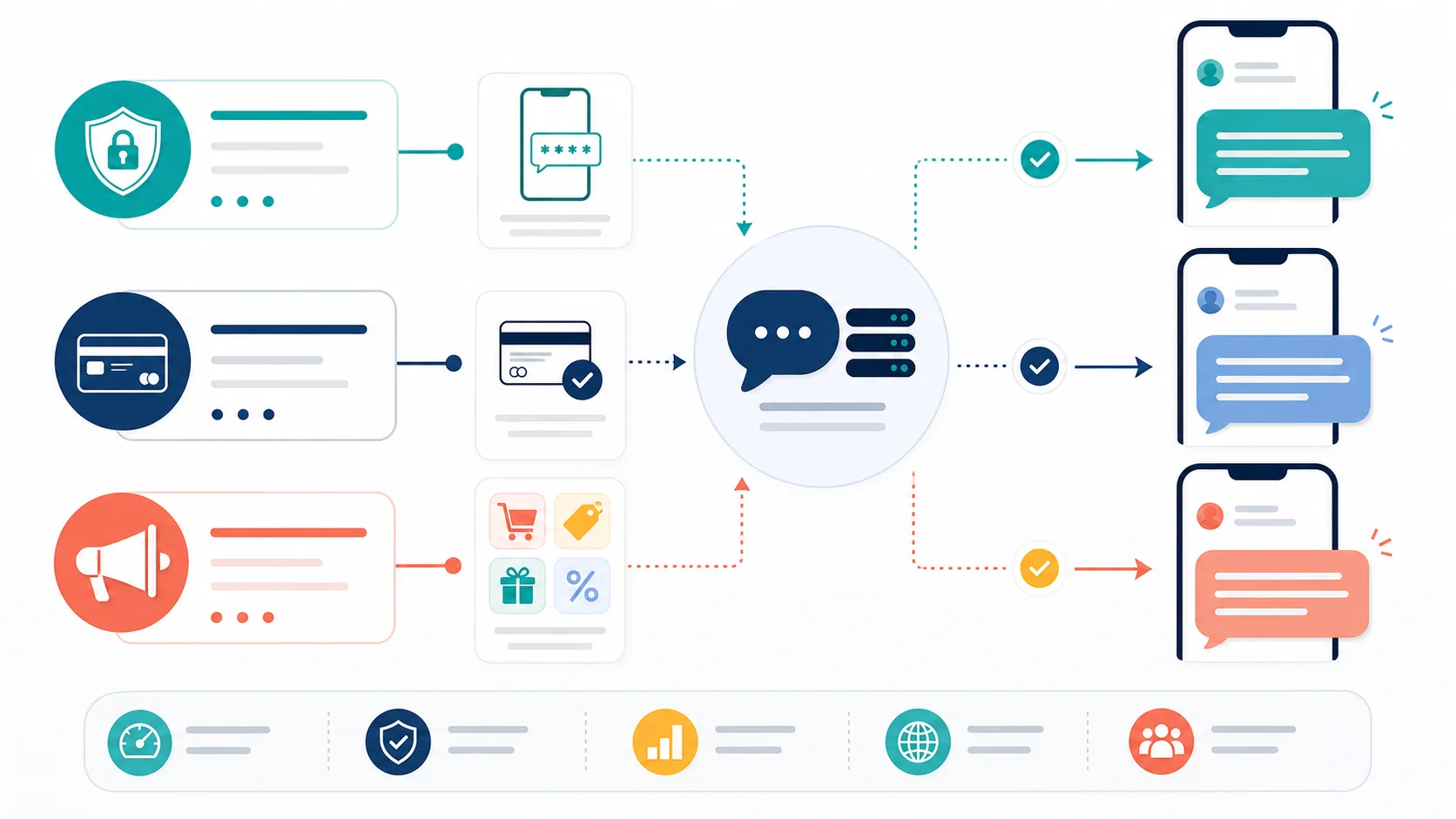
Set the Philippines readiness boundary before testing
Start only when the team can see what is ready and what is open. Keep buyer duties apart from provider setup work. This stops an open sender or content point from looking like a platform fault.
Swipe horizontally to view the full table.
| Item | Buyer role | Provider role | Record |
|---|---|---|---|
| Use case. | Define the event and message class. | Confirm the test can reflect it. | Owner and status. |
| Recipient data. | Record source, purpose, and suppression steps. | State test or format needs. | Owner and status. |
| Content. | Give sample text and variables. | Raise current content questions. | Owner and status. |
| Sender. | State the intended sender and known facts. | Confirm what can be tested now. | Owner and status. |
| Interface. | Choose web, HTTP API, or SMPP. | Give current access and setup help. | Owner and status. |
| Test window. | Name users and timing. | Confirm test support. | Owner and status. |
| Result record. | Set the pass rules. | Explain the available reports. | Owner and status. |
For recipient data, the buyer should identify the rules that apply to its own use. It should record its basis, notices, purpose, and suppression steps. Consent may be needed in some cases. Another basis may apply in others. This is a buyer readiness check, not a general summary of Philippine marketing law.
Record sender and content questions as open configuration inputs
For each unknown, write the exact question. Add the source needed, the owner, the due date, and its effect on the test. Do not guess a standard file list or approval time. The answer may depend on the message, sender, account, and current service terms.
The buyer owns the facts in its brief. The provider explains current setup choices and prepares the agreed test. Start when all blocking points are closed. If the team accepts a condition, write it down before sending.
Run a controlled network-by-use-case test matrix
A sound test changes one useful factor at a time. Build rows by recipient context and message class. Repeat a row only when the result needs a check. Network names belong in recipient notes after the team confirms them. They are not routes the customer chooses.
| Field | What to record |
|---|---|
| Case ID. | One ID used in notes and support follow-up. |
| Recipient context. | Test number, confirmed network context, and device owner. |
| Message class. | OTP, service notice, or permission-based promotion. |
| Sender and content. | The exact test state and variables. |
| Interface. | Web portal, HTTP API, or SMPP. |
| Send time. | Time and time zone. |
| Platform ID. | Task, batch, or submission ID. |
| Platform record. | Status and report fields for that send. |
| Handset check. | What the tester saw and when. |
| Expected result. | The pass rule from the brief. |
| Difference. | Any gap from the expected result. |
| Next action. | Owner, next check, and retest choice. |
Add a notification SMS row only if notices are part of the launch. Do not add extra traffic types to make the test look larger. Test the real plan.
Hold the test inputs constant
Keep the sample text, sender state, test window, and check method the same across rows you wish to compare. If one input changes, create a new case ID. State why it changed. This makes the result easier to compare and debug.
There is no single sample size for every project. Use enough test users and repeats to answer the agreed question. State the limits of the result. A small test can show what happened under the logged conditions. It cannot prove future results for all users or traffic levels.
If a case fails, keep the first IDs and times. Do not change the content, interface, user, and send time at once. Check the record first. Give the case to an owner. Then choose one factor for the next test.
Separate platform records from recipient observations
A platform may record that it accepted or processed a request. It may also show a later status field. The user can report what appeared on the phone. Store these facts in different columns.
Platform or API status alone is not proof or a promise of handset receipt. A user report of no message also does not show where the issue began. Review the case ID, times, recipient context, platform ID, report fields, and phone notes together. This matrix does not create a delivery-rate claim. It creates clear evidence for a fair comparison and a clean support handoff.
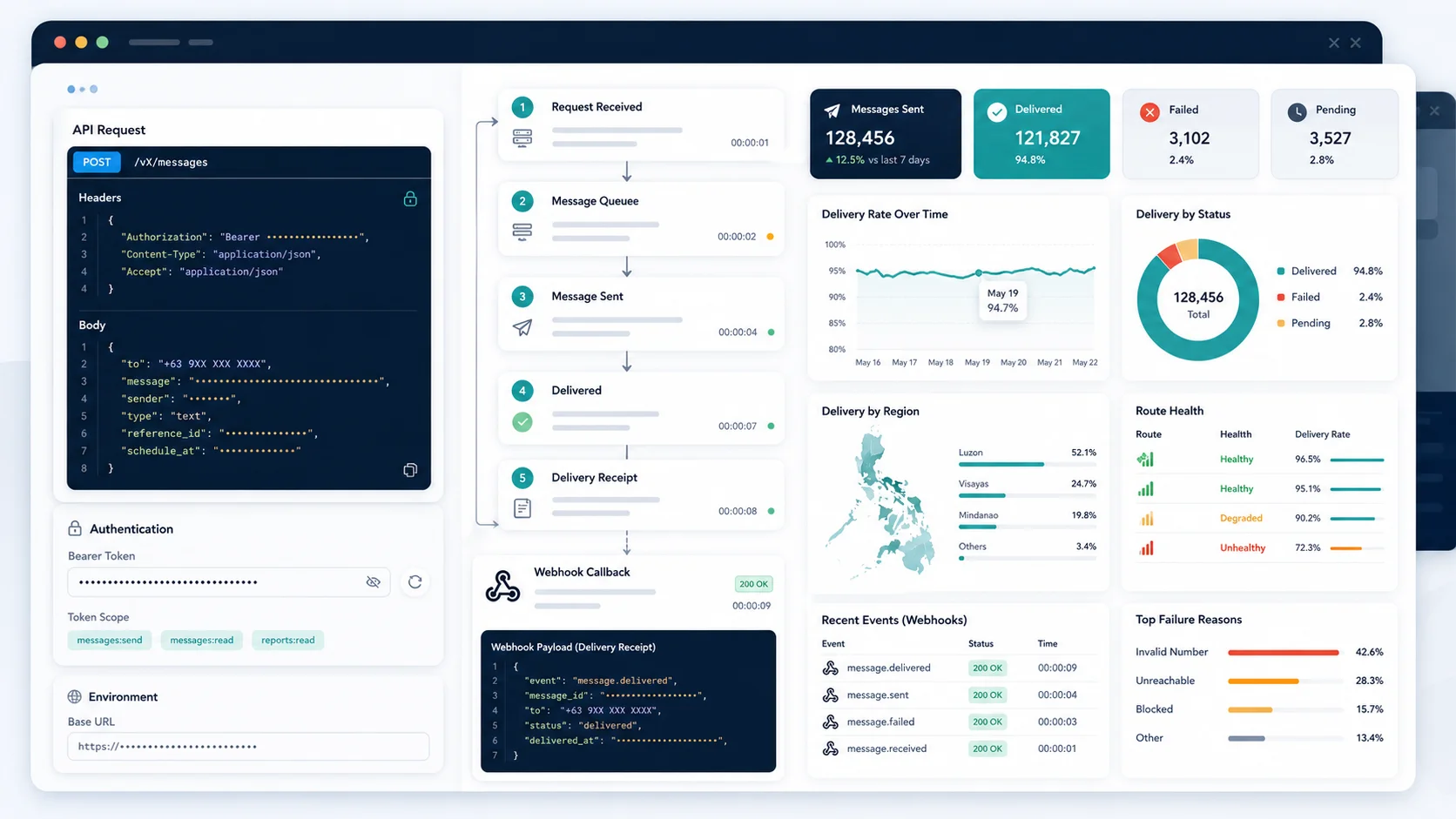
Evaluate interface fit and interpret reports correctly
Choose the interface from the way the team works. Do not choose it from a long feature list. The web portal can suit guided sends and early tests. An HTTP API can link app events to sends. SMPP may suit a team that already runs messaging systems. Access and setup depend on the account and project.
Swipe horizontally to view the full table.
| Situation | Main owner | What to review | What to test |
|---|---|---|---|
| Web portal. | Campaign or operations user. | Current send flow and report access. | Create, send, find, and review a case. |
| HTTP API. | App team. | Current auth, request, ID, and report guides. | Keep request, response, ID, and time. |
| SMPP. | Messaging or systems team. | Current account and operating details. | Name connection, send, and error owners. |
| Report review. | Operations and support. | Status fields, exports, queries, or pushed reports. | Map each field to an action. |
Current SMSBoosting guides cover HTTP GET and POST patterns. They also cover submission IDs, report queries, and pushed reports. The exact setup must match the current account. Use its API support material as a starting point. Then confirm the details for the project. Never place a sample host in live code or assume a common endpoint.
Give each record a purpose. A submission ID should link an app event to a platform record. A status field should lead to a known review step. It should not lead straight to a claim about handset receipt. For an error, the owner should gather the case ID, times, request facts, phone notes, and report data.
The interface passes when both sides know the access, owners, record meaning, error steps, and test plan. A document alone is not enough.
Compare quotes and support on the same basis
Ask each provider to quote the same dated brief. Record the quote date and valid period. Include the Philippines destination, message class, volume band, sender and content terms, interface, test scope, report access, support path, and open points.
Do not decide from one headline rate. A low rate may assume different traffic or less support. It may rely on an open sender point. Treat each amount as a current input for the stated setup.
Compare the operating and commercial basis through clear questions:
- What account access is included, and who owns each user role?
- How does the customer recharge the account under the current setup?
- Which IDs, status fields, reports, and exports are available?
- What account-scoped support path is available for a documented exception?
- What traffic, sender, content, volume, interface, and test assumptions shape the quote?
- How are changes to the account scope or quote recorded?
This keeps the comparison on account use, recharge, reports, support, and quote conditions. Record each answer beside the same brief so procurement can see where two offers differ.
Record the go/no-go decision and next owner
Close the review with a dated record. Mark each need as passed, passed with a condition, failed, or open. Link it to the right source or test case. Add the owner, next step, and review date.
A go means the evidence meets the launch rules. A conditional go lists the limit, owner, and due date. A no-go states what failed and whether a new test could answer it. Keep an open item open. Do not turn it into a good result without proof.
Limit the decision to what was tested. A controlled test supports a choice about that setup and those conditions. It does not prove all future results. If the traffic, content, sender, interface, or work plan changes, check whether the old result still applies. The record should leave a clear next owner for procurement, technical, operations, and support teams.

Send SMSBoosting a decision-ready handoff
Send SMSBoosting the use case, Philippines destination, sample message, sender state, normal and peak volume, chosen interface, and test dates. Include the pass rules and the person who will record phone results.
The customer prepares and owns the test plan. SMSBoosting will confirm the account and configuration details for a suitable currently available setup, plus the support path and scope currently available for that account. It can then open and configure the account. The customer signs in through the official website, recharges, sends through the configured web interface, HTTP API, or SMPP, and reviews the platform reports. If the customer finds a documented exception, it can submit the case to SMSBoosting through the support path available for that account and confirm the current support scope. This handoff supports a testable decision, not a broad promise.