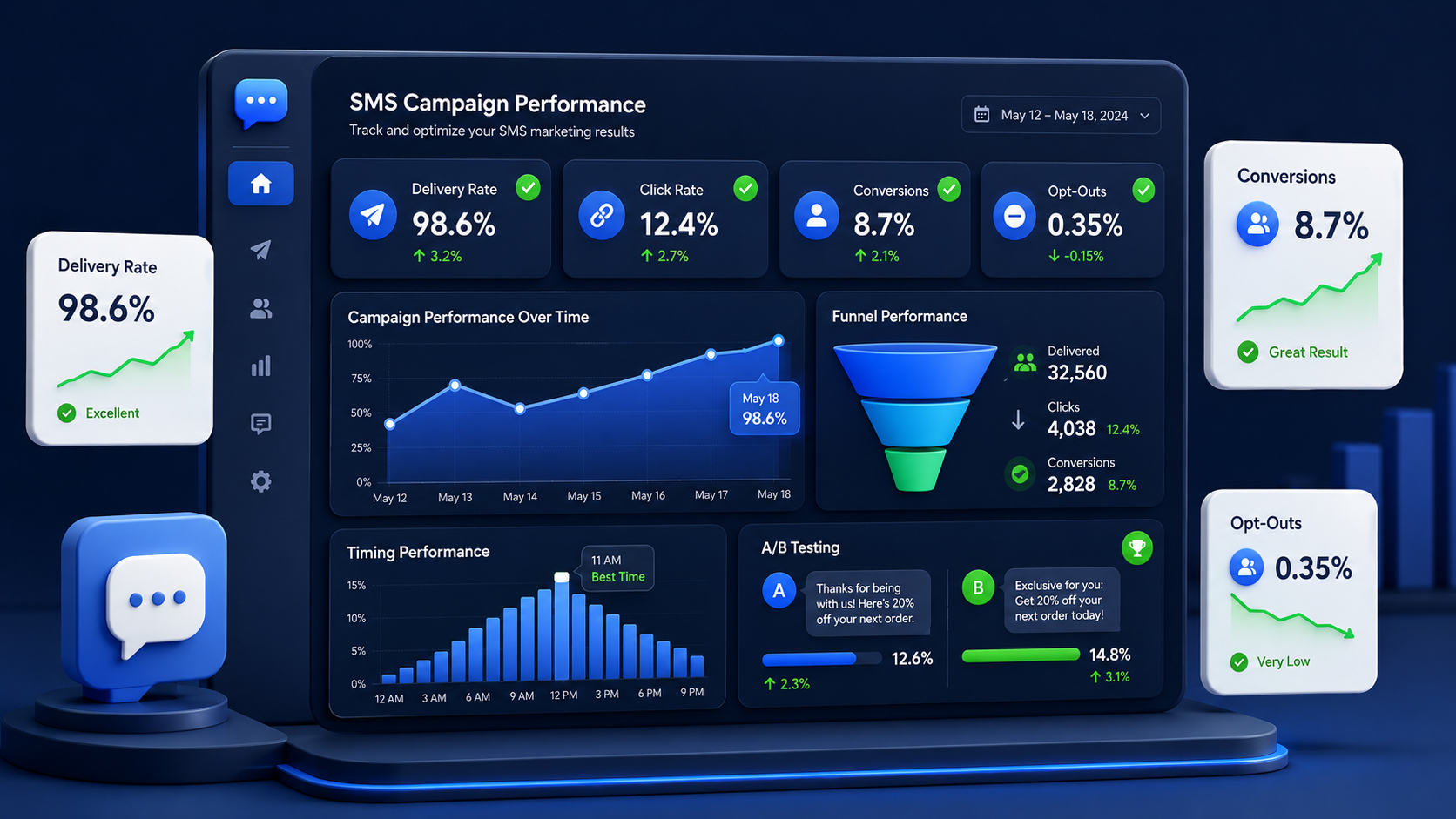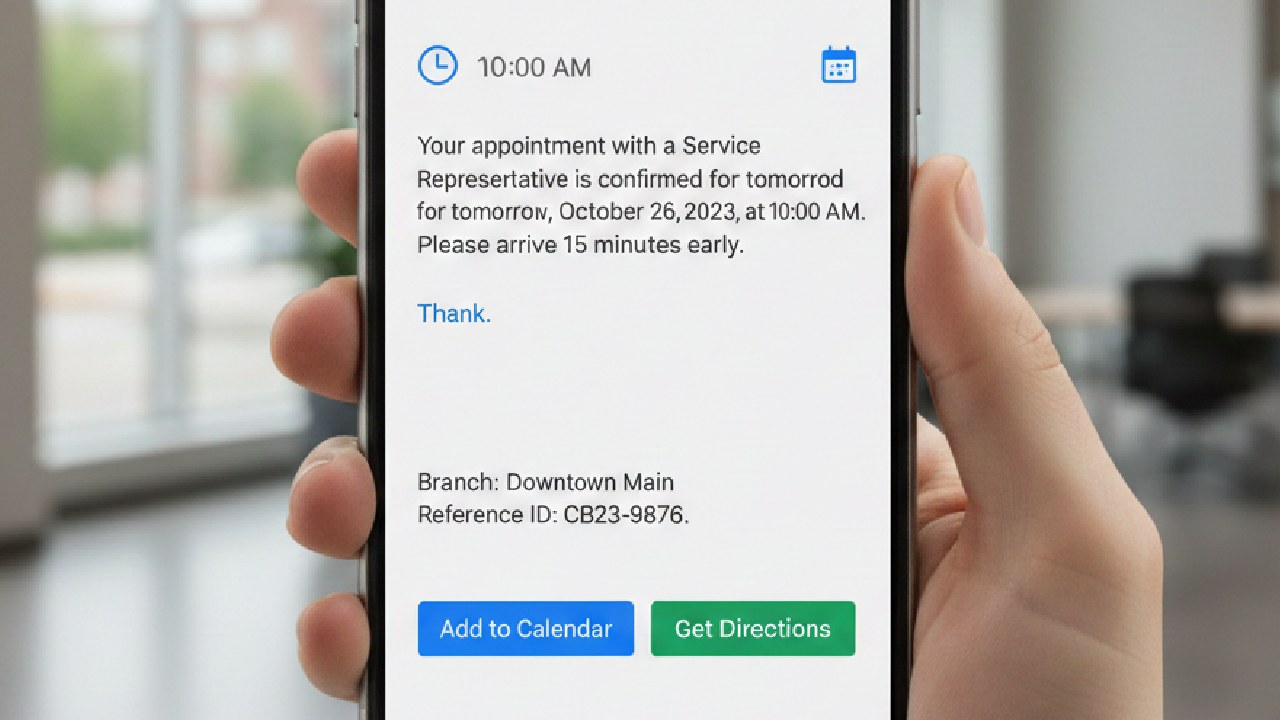
An SMS gateway in Thailand connects your application, ecommerce store, CRM, or marketing platform to Thai mobile networks. Businesses use it to send OTP codes, delivery updates, payment notices, appointment reminders, and promotional campaigns to Thai mobile numbers.
Thailand is not a generic bulk SMS market. The True-DTAC merger changed the operator landscape, AIS remains a major network, and National Telecom (NT) still appears in some routing and numbering contexts. A good Thailand SMS gateway should handle these local realities instead of giving one blanket coverage claim.
Quick answer: A reliable Thailand SMS gateway needs route coverage across AIS, True, and relevant NT/MVNO number ranges; approved sender ID handling; Thai-language Unicode support; delivery reports; and clear pricing by message type and volume. If you are evaluating SMSBoosting, Thailand reference pricing starts from approximately EUR 0.008 per SMS, treated as a brand-specific starting point rather than a market average.
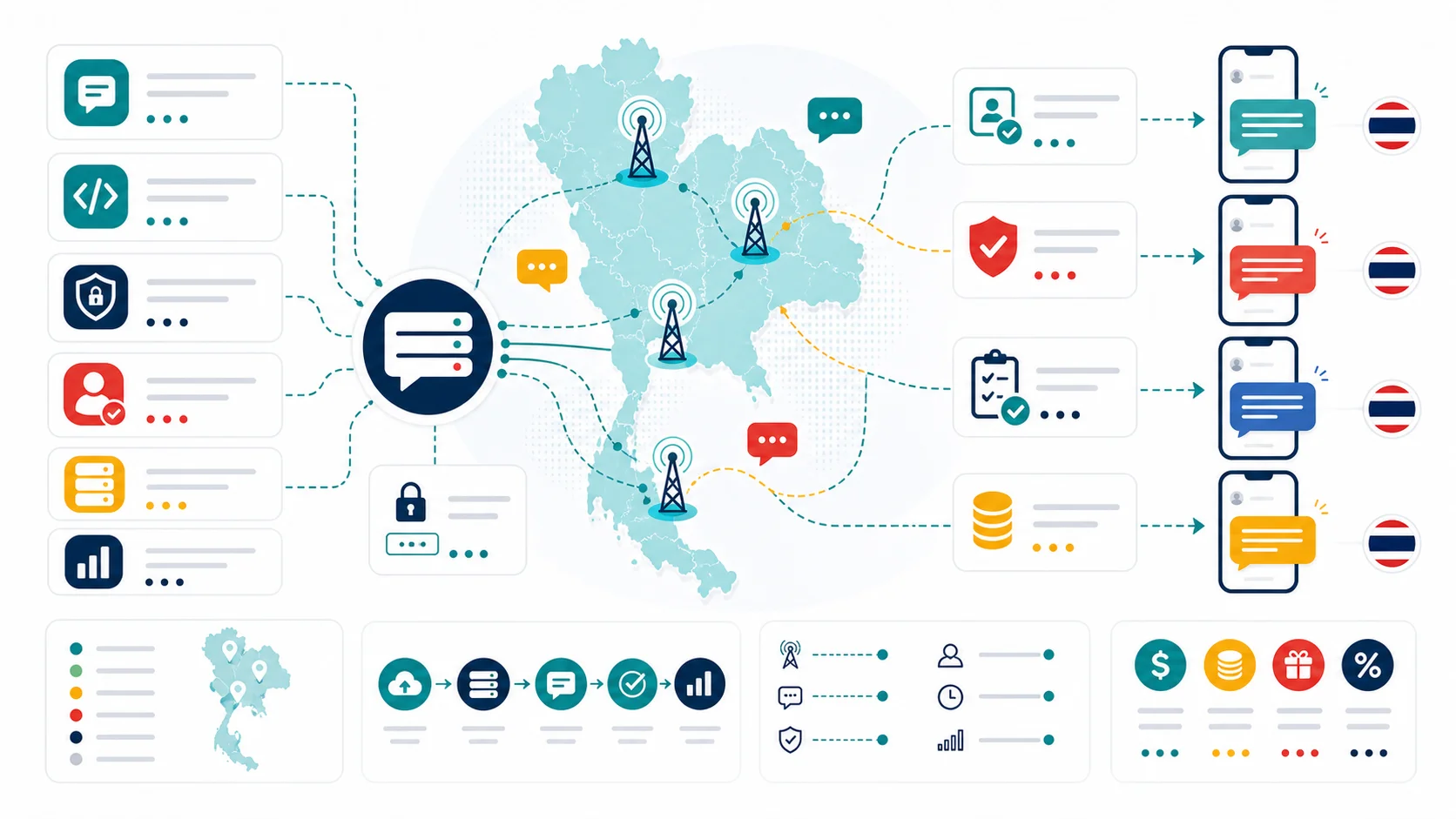
Thailand Mobile Market and Regulatory Context
Thailand has a highly mobile-connected population, with SMS still used for OTPs, bank alerts, ecommerce delivery, loyalty campaigns, and public-service notices. Bangkok, Chiang Mai, Phuket, Pattaya, Khon Kaen, and Hat Yai all have active commercial messaging demand, but delivery quality still depends on routing.
The operator landscape is concentrated around AIS and True Corporation, which includes the former TrueMove H and DTAC mobile businesses after the 2023 merger. National Telecom (NT) also remains relevant in some telecom, numbering, and MVNO contexts, so test lists should not assume every Thai number cleanly maps to only two commercial brands.
The National Broadcasting and Telecommunications Commission (NBTC) regulates Thailand’s telecom sector. SMS senders should also consider Thailand’s Personal Data Protection Act (PDPA) when they use customer phone numbers for marketing. In practice, promotional SMS should use opt-in lists, clear sender identity, and an opt-out method.
| Network / Route Context | Why It Matters for SMS |
|---|---|
| AIS | Major Thai network and essential route for national campaigns |
| True Corporation | Includes TrueMove H and former DTAC customer bases after the merger |
| NT | Relevant for some number ranges, state telecom context, and historical MVNO routing |
| Thai Number Portability | Prefixes do not always prove the current serving network |
What You Can Send Through a Thailand SMS Gateway
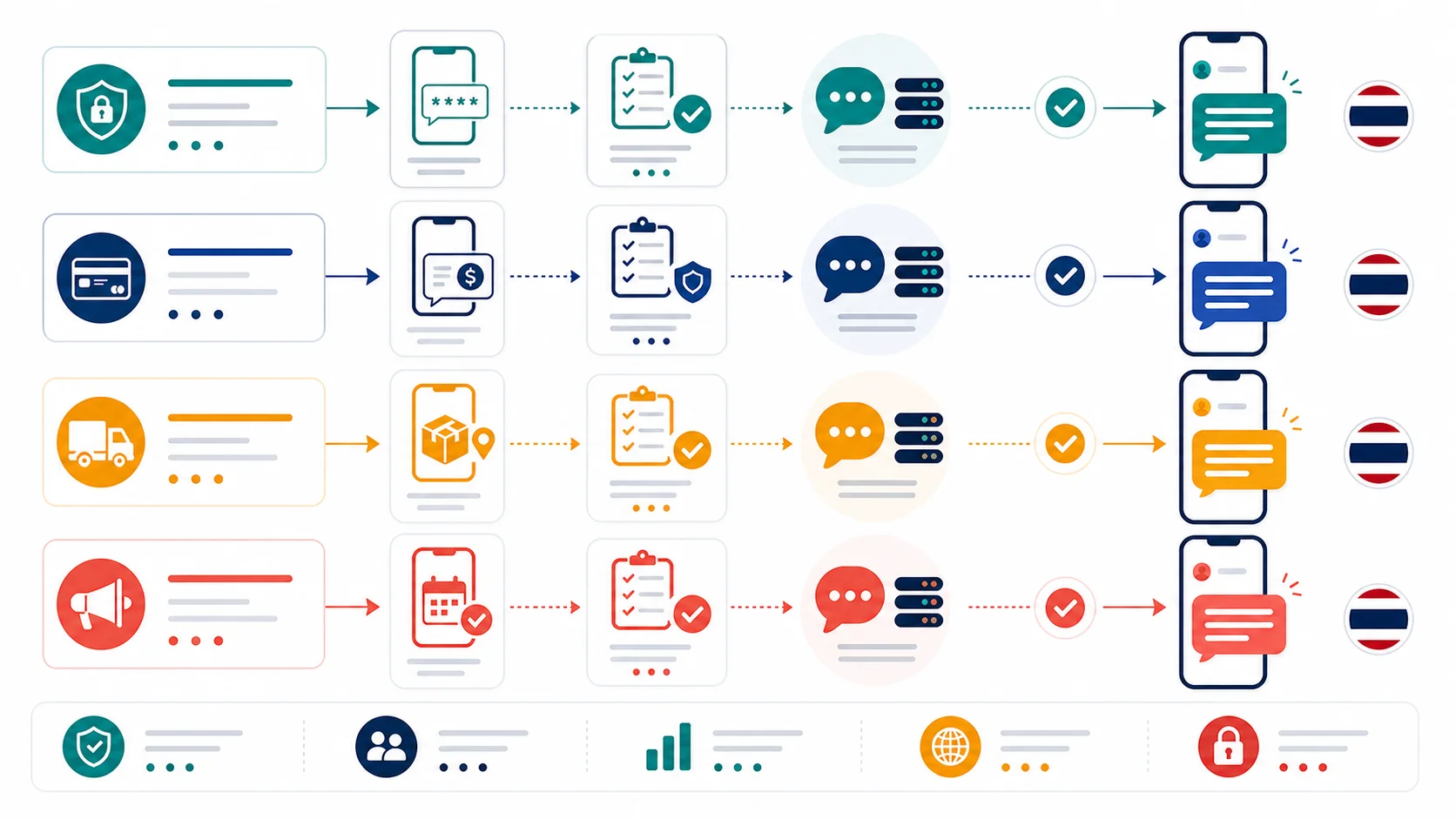
Thailand SMS gateway use cases usually fall into OTP, transactional, marketing, and two-way messaging. Each type has different routing and compliance needs.
OTP and Verification SMS: Banks, payment apps, travel platforms, marketplaces, and SaaS products use OTP SMS for logins, payment confirmation, password resets, and account changes. Thailand OTP traffic should use higher-quality routes and delivery reports because delayed codes hurt conversion.
Transactional SMS: Ecommerce sellers, logistics firms, hotels, clinics, and schools use SMS notification messages for shipping updates, booking reminders, appointment confirmation, and billing notices.
Marketing SMS: Retailers, restaurants, spas, tourism operators, and ecommerce stores use marketing SMS for Thai New Year (Songkran) campaigns, 11.11 sales, holiday promotions, and loyalty offers.
Two-Way SMS: Some Thai campaigns need replies for appointment confirmation, coupon claims, surveys, or opt-in flows. Two-way messaging may require a dedicated number or short code, so confirm setup before promising reply-based user journeys.
Keep OTP and marketing traffic separate. Thai users may ignore or report messages that look like promotions but use an authentication-style sender name.
Sender ID Approval in Thailand
Sender ID is the name or number shown as the message sender. In Thailand, branded sender IDs are widely used for banks, ecommerce platforms, delivery apps, and retail chains, but approval expectations can differ by provider and route.
Alphanumeric Sender ID: Brand names such as YOURBRAND are common for OTP, alerts, and marketing. The requested ID should match a legal company name, trademark, or authorized brand.
Numeric Sender: Numeric senders may be used for some routes, but they are less recognizable than a brand name and may be weaker for OTP trust.
Short Code: Short codes can support two-way campaigns, polls, and high-volume enterprise messaging. They usually require longer setup and more documentation than one-way branded SMS.
A practical Thailand sender ID flow usually works like this:
- Prepare company registration, brand authorization, and message use-case details.
- Choose a sender ID that matches the brand and avoids generic words such as “INFO” or “VERIFY.”
- Submit the sender ID and templates through your SMS gateway provider.
- Confirm coverage across AIS, True, former DTAC routing labels, and any relevant NT number ranges.
- Run a test batch with Thai and English content before the campaign launches.
Sender ID approval timelines vary. Build review time into campaigns around Songkran, New Year, 11.11, 12.12, and major tourism seasons, when promotional sending volume can increase.
Compliance Tips for SMS Marketing in Thailand
Thailand promotional SMS should be built around consent, clear sender identity, and suppression-list control. The Thai PDPA also makes customer-data handling more important for businesses using phone numbers in marketing workflows.
Use this checklist before sending Thai bulk SMS:
- Opt-In Evidence: Keep a record of how each Thai recipient joined the campaign list, such as account signup, checkout consent, loyalty membership, event form, or booking flow.
- Opt-Out Handling: Give recipients a practical way to stop promotional SMS and remove opted-out numbers before the next send.
- Brand Transparency: Use a sender ID and opening line that identify the business clearly, especially for finance, travel, healthcare, and retail messages.
- Thai-Language Review: Review Thai copy with a native speaker to avoid awkward tone, broken personalization, or wording that looks like spam.
- Template Separation: Keep OTP, order updates, and marketing campaigns in separate templates and, where possible, separate route plans.
This is not legal advice. Regulated Thai sectors such as finance, lending, insurance, healthcare, alcohol, gambling, and political communication need additional review before bulk SMS campaigns.
Thailand SMS Pricing Factors
Thailand SMS pricing depends on route quality, message type, sender ID setup, Thai-language encoding, destination network, and monthly volume. The cheapest rate can be the wrong choice if OTP codes arrive late or delivery receipts are incomplete.
If you are evaluating SMSBoosting, Thailand reference pricing starts from approximately EUR 0.008 per SMS. Treat this as SMSBoosting-specific reference pricing, not a market average. Final pricing depends on monthly volume, route type, sender ID requirements, message category, operator split, and support terms.
Route Quality: Direct or premium A2P routes cost more than low-grade routes, but they reduce delays and improve delivery reporting on AIS and True routes.
Operator Split: Ask whether the quote covers AIS, True, former DTAC labels, and relevant NT ranges at one rate or with operator-level pricing. This helps you compare route quality against actual Thai audience distribution.
Sender ID Costs: Some providers separate sender ID setup, renewal, and template approval from the per-SMS price. Ask for these charges before comparing vendors.
Thai Unicode: Thai-language SMS uses Unicode, so each SMS part has fewer characters than an English GSM-7 message. Longer Thai messages can split into multiple parts and increase campaign cost.
Volume Commitments: Higher monthly volume may reduce the per-SMS price, but the quote should still include delivery reports, API access, and support coverage.
If Thailand is one of several markets in your rollout, use our bulk SMS service by country guide to compare routing, compliance, and pricing factors across destinations.
SMS API Setup for Thai Numbers
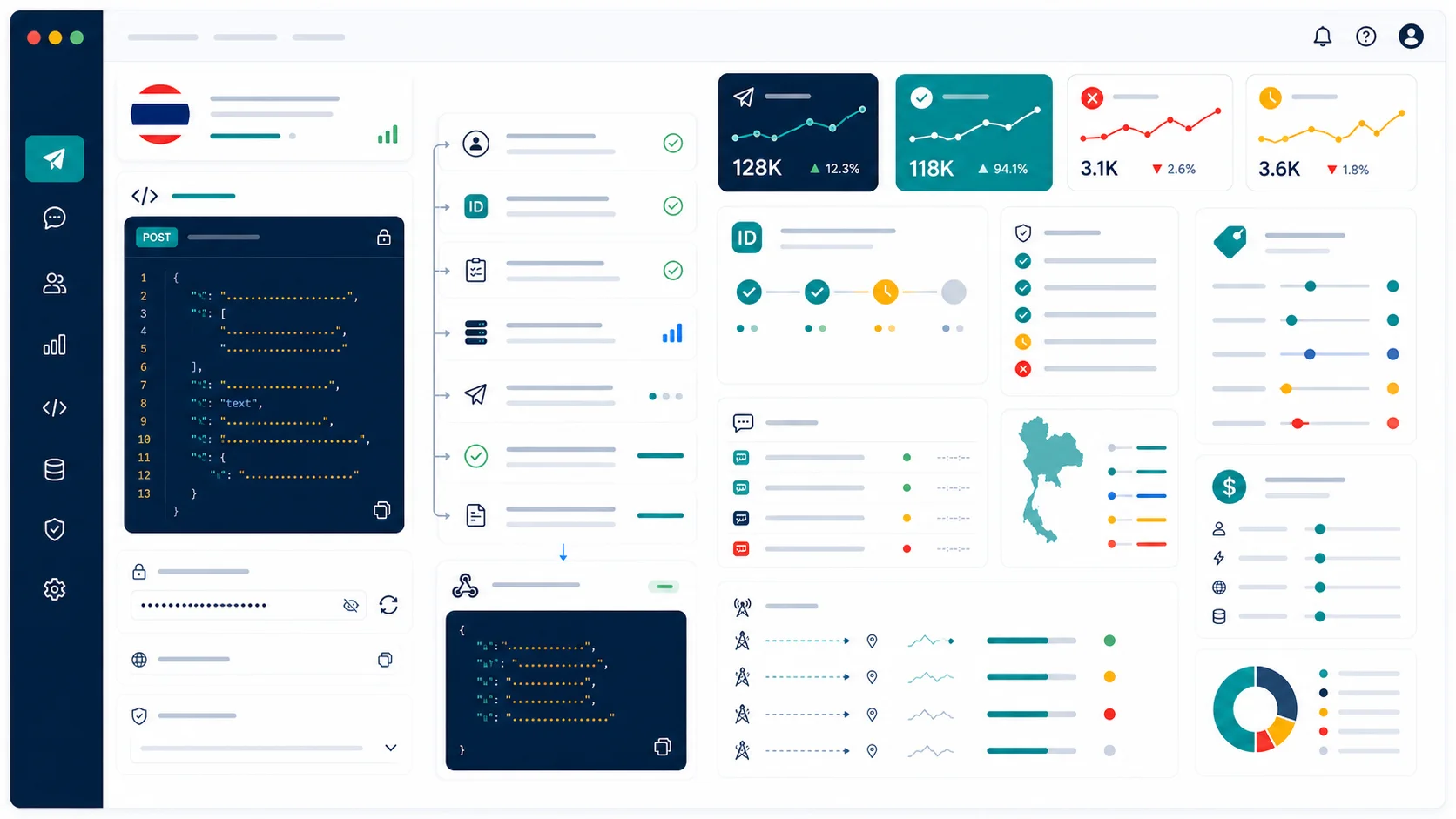
A Thailand SMS API should support international number formatting, batch sends, delivery reports, webhooks, and Unicode content. For OTP and ecommerce messages, the API should return a message ID that your system can store and use for troubleshooting.
Use an SMS API when messages are tied to real-time events such as login, payment, shipment, booking, or cart recovery. Use a dashboard when a Thai marketing team needs to upload segmented lists, schedule campaigns, and review campaign reports.
Here is a basic cURL example for sending an SMS to a Thai number. Replace the endpoint, credentials, sender ID, and content with your provider’s values.
curl -X POST “https://api.smsprovider.com/send” \
-H “Content-Type: application/json” \
-d ‘{
“account”: “your_account”,
“password”: “your_password_or_md5_hash”,
“numbers”: “66812345678”,
“content”: “Your verification code is 123456.”,
“sender”: “YOURBRAND”,
“smstype”: 0
}’
Use the international format 66 followed by the mobile number without the leading zero. For example, send to 66812345678 instead of 0812345678. Test Thai, English, and bilingual templates before launch because language choice changes segmentation and display.
Delivery Quality and Common Failures

Delivery quality in Thailand depends on route quality, sender ID status, operator mapping, Thai-language segmentation, and campaign timing. A sender may see strong performance on AIS but weaker results on a True or former DTAC number range if routes are not balanced.
Watch these common issues:
- Wrong Number Format: Domestic 08x or 09x numbers should be converted to 66 international format before API submission.
- MNP Assumptions: Thai mobile number portability means prefixes do not always reveal the current operator.
- Unapproved Sender ID: A sender ID may work on one route and fail on another if approval is incomplete.
- Thai Unicode Splitting: Thai copy can split into more SMS parts than expected, increasing cost and making delivery reports look unusual.
- Peak Campaign Traffic: Songkran, New Year, 11.11, 12.12, payday weekends, and travel-season promotions can increase load.
If Thai delivery rates drop, review delivery failure logs by operator, sender ID, route type, number format, language, and template category. Test AIS, True, and relevant NT/MVNO numbers before large sends.
Conclusion
A reliable SMS gateway in Thailand needs more than a send button. It needs routes that handle AIS, True, former DTAC labels, and relevant NT number ranges; approved sender ID support; Thai Unicode handling; and delivery reports that help you troubleshoot by operator.
Before choosing a provider, test Thai number formatting, compare route quality, confirm sender ID steps, and review pricing beyond the headline per-SMS rate. If you are evaluating Thailand SMS delivery, start with a free trial or request a tailored quote based on your message type, volume, and sender ID needs.
FAQ
Do I need a Thai company to send bulk SMS in Thailand?
No. International businesses can send SMS to Thailand through a gateway provider, but sender ID approval may require company documents and brand authorization.
Is sender ID approval required in Thailand?
It depends on the provider and route, but branded sender ID approval is strongly recommended for Thai OTP, transactional, and marketing messages.
Can I send Thai-language SMS?
Yes. Thai text uses Unicode, which allows 70 characters per SMS part. Test Thai copy before launch because longer messages can split into multiple parts.
What number format should I use for Thailand?
Use international format starting with 66, such as 66812345678. Do not send domestic numbers with the leading zero through the API.
How much does Thailand SMS cost with SMSBoosting?
SMSBoosting’s Thailand reference pricing starts from approximately EUR 0.008 per SMS. This is a brand-specific starting point, not a market average, and final pricing depends on route, volume, sender ID, and message type