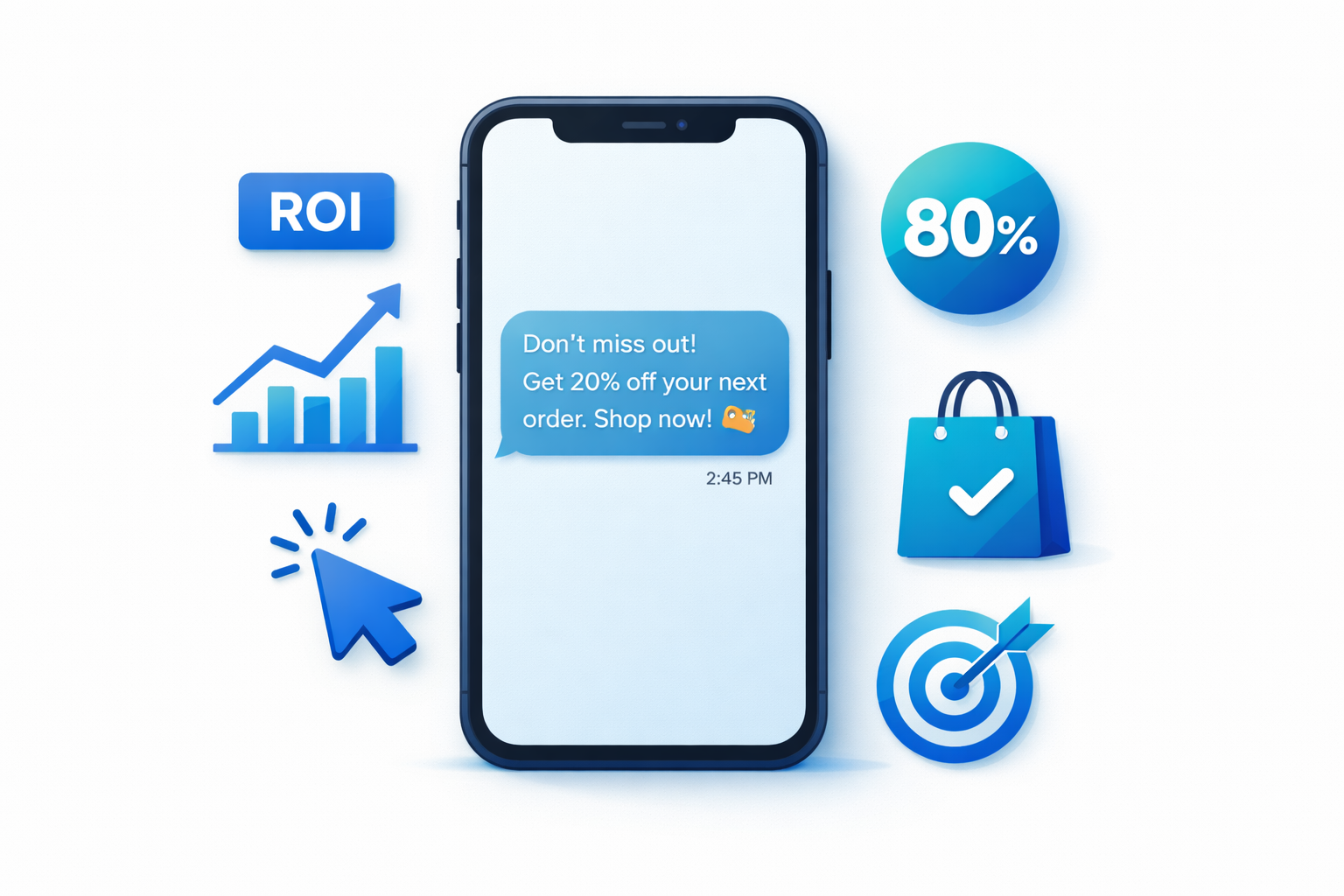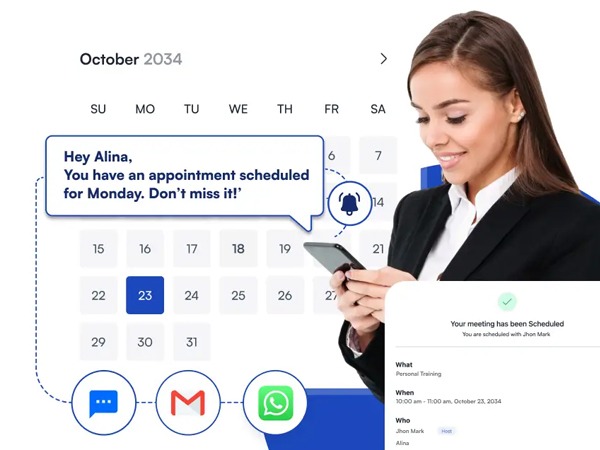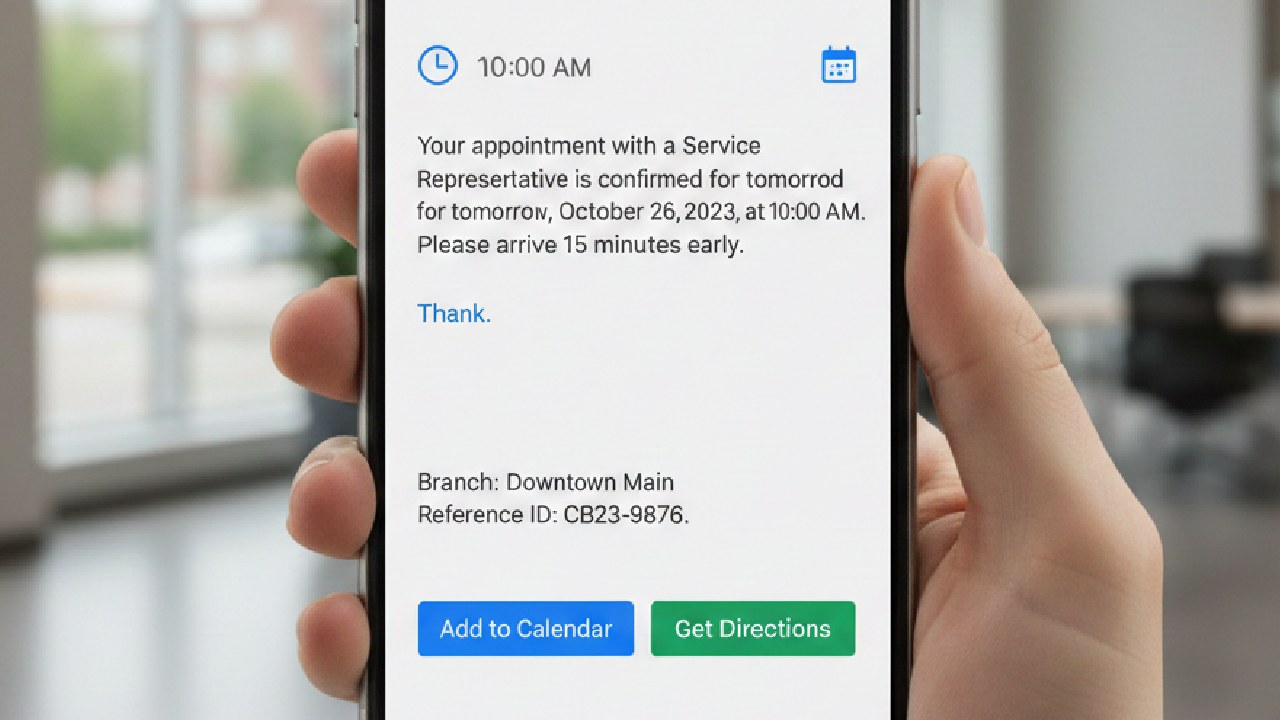
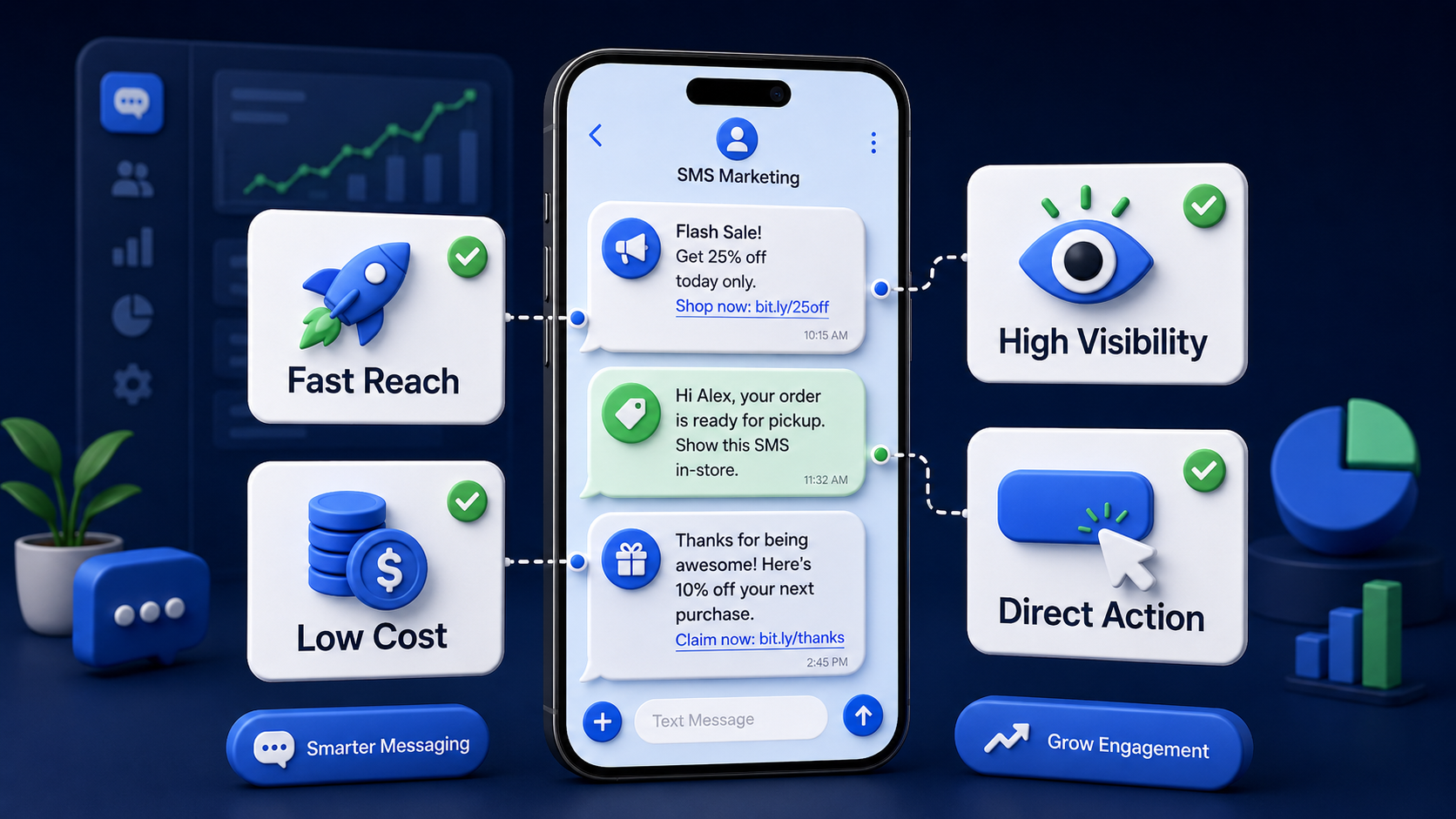
The benefits of SMS marketing are clear: it gives you fast reach, high visibility, low sending costs, and a direct path to action. If you need to announce a flash sale, remind customers about appointments, confirm a payment, or send a shipping update, text messaging puts your message on a device people check all day. For businesses that want a scalable mobile channel, sms marketing also fits neatly into broader customer communication plans because it works well alongside email, apps, and support workflows. SMSBoosting positions this especially well for e-commerce, finance, payments, and logistics teams that need marketing, OTP, and notification traffic from one global platform.
What Are the Main Benefits of SMS Marketing?
The main benefits of SMS marketing are fast delivery, high open rates, direct customer reach, and strong engagement for time-sensitive business messages.
High Visibility and Fast Read Times
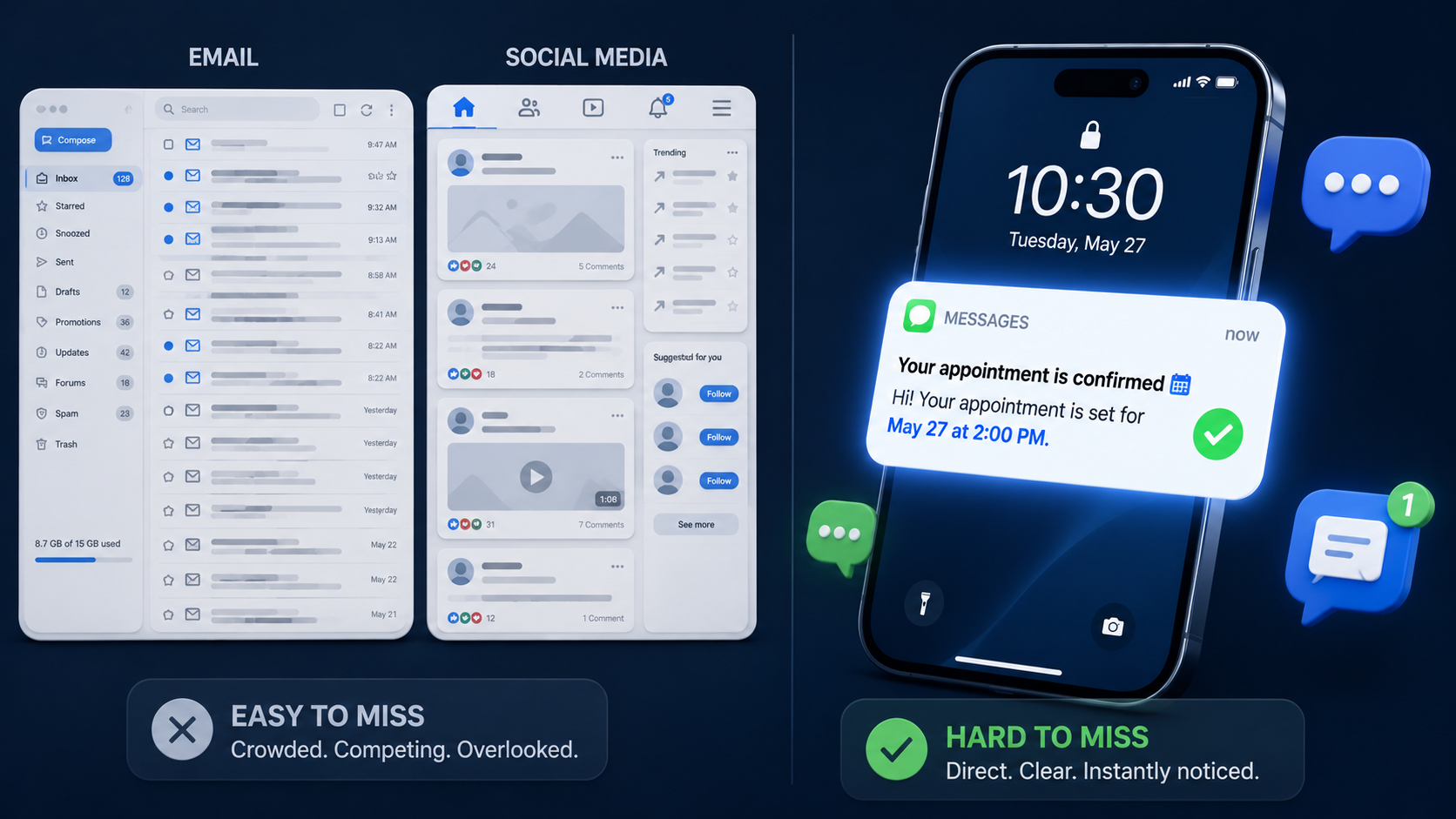
SMS marketing offers high visibility because text messages usually appear right on the lock screen, not inside a crowded inbox or behind a social algorithm. That makes it easier for your message to get noticed quickly. Industry pages frequently cite SMS open rates around 98%, and SMSBoosting also frames SMS as a channel built for high visibility and fast response. Even when you set the headline offer, timing, and link well, the core advantage stays the same: people tend to see texts faster than most other message types.
That speed changes how you plan campaigns. A product launch reminder sent at 10:00 a.m., a lunch offer sent at 11:30 a.m., or a last-call event message sent one hour before closing can all perform well because the audience sees them in the moment. You do not need a long copy block either. A short message with a clear offer, a simple time limit, and one action often performs better than a heavy promotional email.
Real-Time Reach for Time-Sensitive Messages
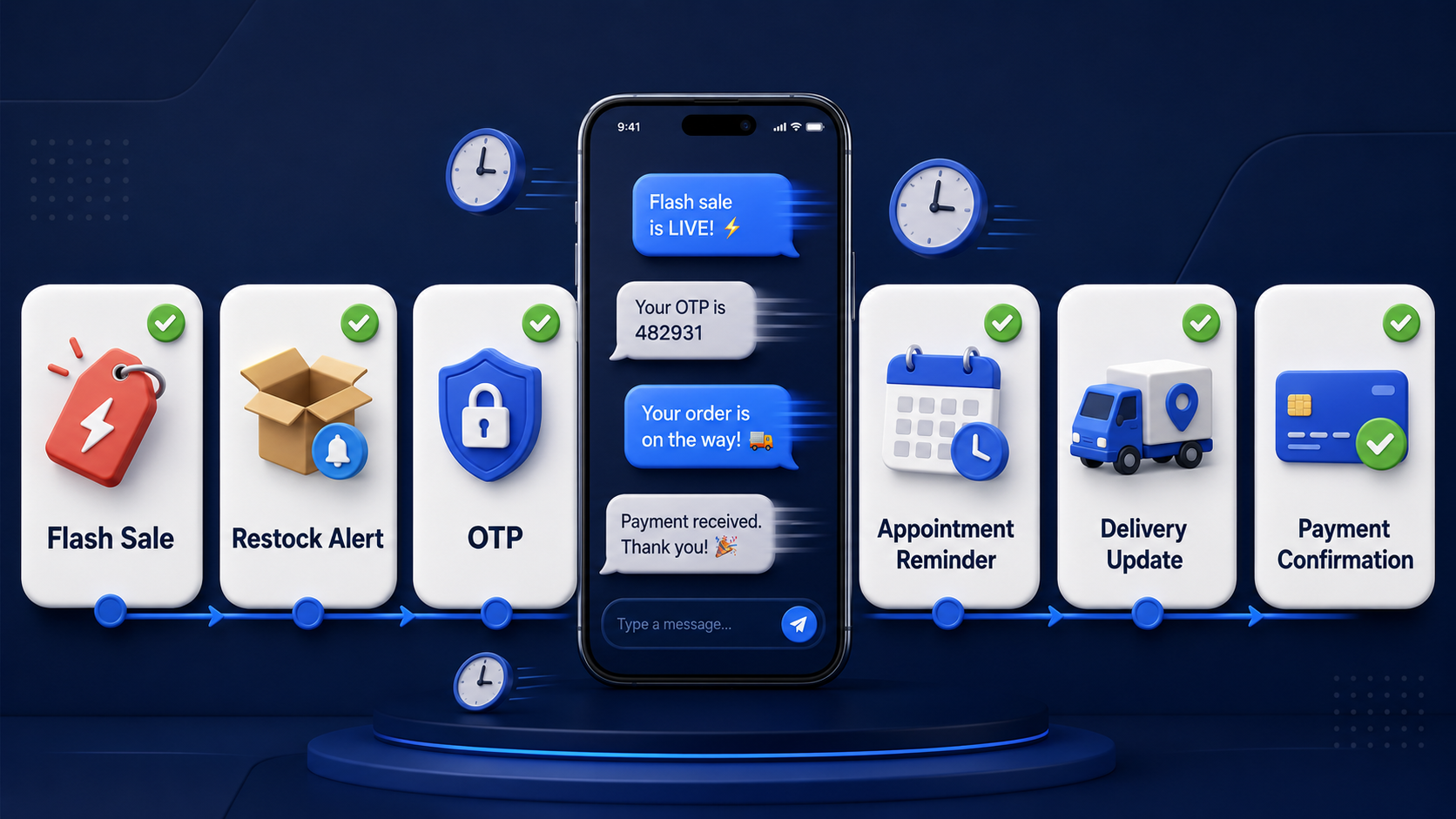
SMS marketing gives you real-time reach, which is why it works so well for urgent or time-sensitive communication. If a brand needs to push a flash sale, restock alert, fraud notice, appointment reminder, delivery update, or payment confirmation, text is built for that kind of speed. SMSBoosting’s platform pages repeatedly position SMS around immediate reach, dependable delivery, and time-sensitive operations across promotional, OTP, and transactional traffic.
This matters because timing affects revenue and customer experience. A delayed coupon can miss the buying window. A delayed login code can cause drop-offs. A delayed delivery notice can drive support tickets. When your channel is fast, you reduce that gap between intent and action. That is one reason SMS works well for both marketing and operations, especially in businesses where every minute changes conversion, completion, or service quality.
Strong ROI With Low Sending Costs
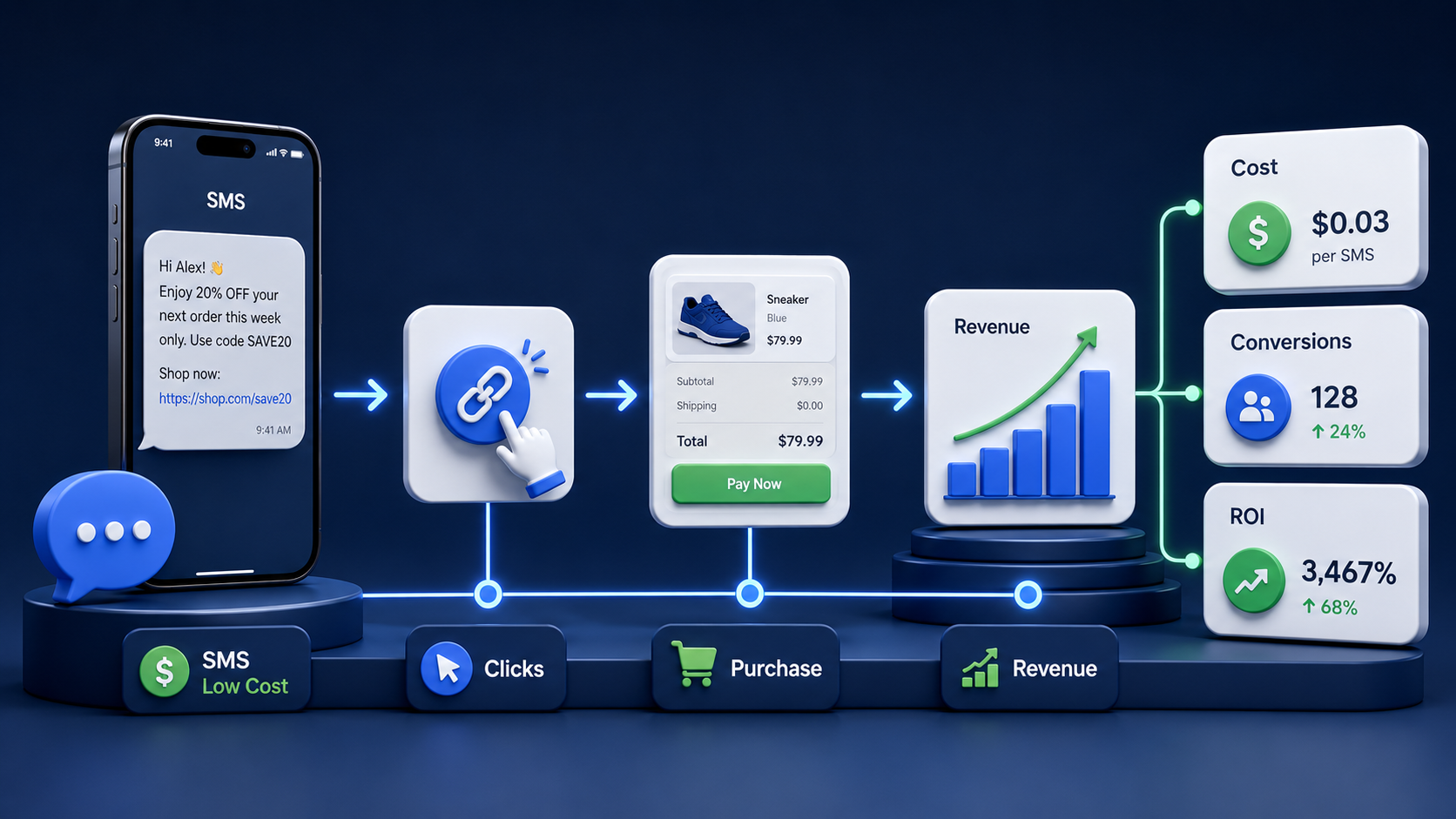
SMS marketing can produce strong ROI because the unit cost per message is low while visibility and action rates are often high. SMSBoosting presents bulk SMS as a cost-effective growth channel with predictable unit economics and clear ROI measurement, and its homepage also promotes bulk SMS around revenue growth. In plain terms, you are working with a format that is cheap to send, easy to repeat, and capable of creating quick clicks or purchases when the audience and offer match.
That does not mean every campaign prints money. ROI depends on list quality, opt-in quality, message timing, regional compliance, and how strong your offer is. But the math is still attractive. If you can send thousands of messages at a low cost and convert even a small share of recipients, SMS can outperform slower channels for short buying cycles. This is especially true for flash discounts, cart recovery, loyalty nudges, and event-driven offers.
Direct and Personal Communication
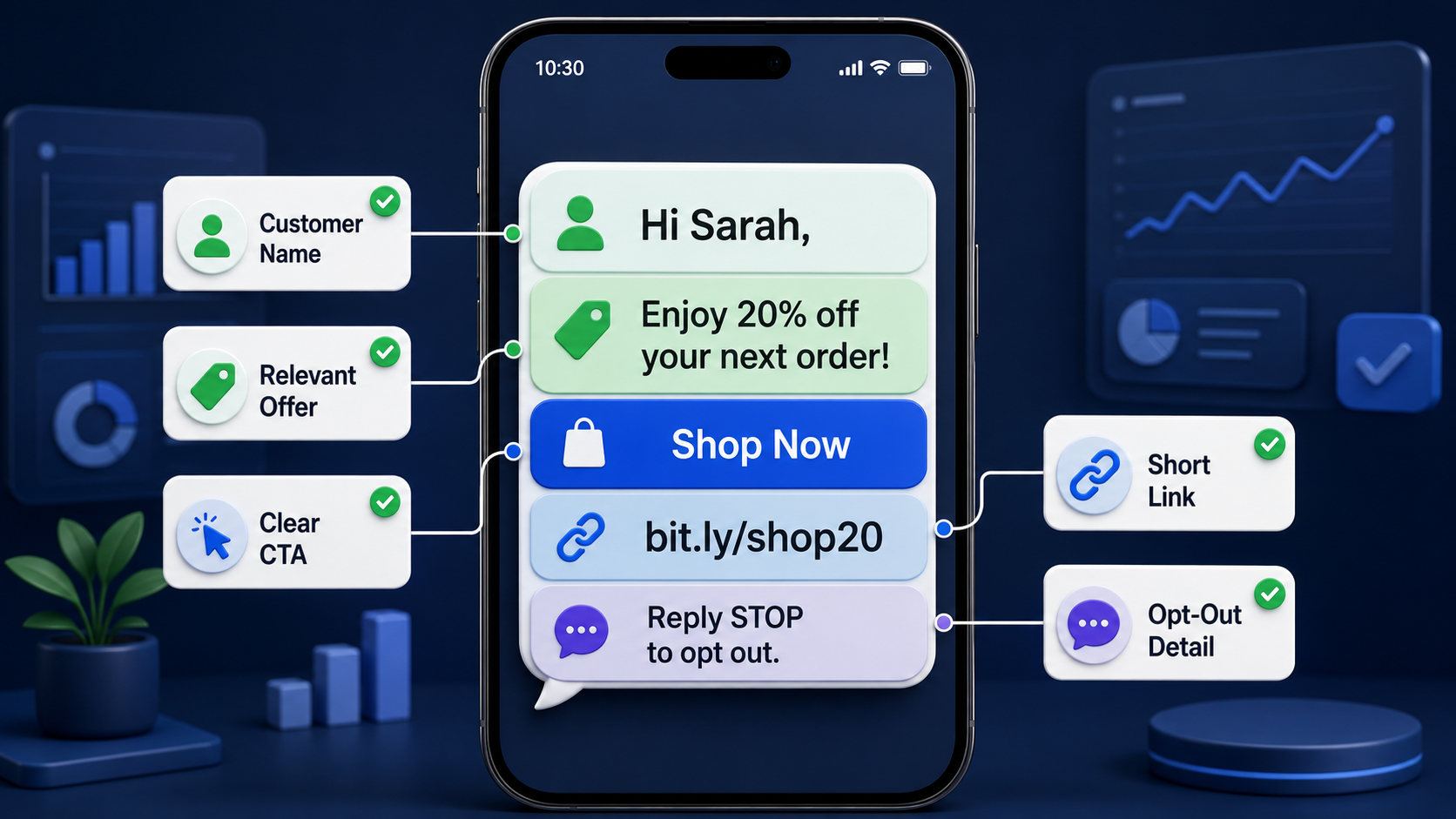
SMS marketing feels personal because it lands in a space people use for daily communication. That makes every word count. A text can address the customer by name, mention a recent action, reference a product category they browsed, or highlight an offer tied to their order history. SMSBoosting’s marketing page emphasizes audience targeting, customer-specific offers, and workflow-based personalization for that reason.
This direct format can strengthen trust when you use it well. Customers do not want vague blasts. They respond better when the message is relevant, timely, and easy to act on. A reminder for a missed checkout, a VIP early-access alert, or a location-specific promotion feels more useful than generic copy sent to everyone. That is where text messaging earns its keep: short message, clear value, fast action.
Better Engagement for Short, Action-Driven Messages
SMS marketing works best when the message is short and the next step is obvious. That could mean “shop now,” “confirm now,” “view update,” “claim offer,” or “book your slot.” SMSBoosting’s use cases lean into this exact pattern with e-commerce flash sales, cart recovery, loyalty campaigns, launch reminders, and concise CTA links designed to drive immediate action.
That is also why SMS is not a replacement for every channel. It is strongest when the customer does not need a long explanation. If your message needs urgency, clarity, and one clean action, text often beats heavier formats. And because the copy is short, your team can test timing, wording, and incentives more often without building a large campaign asset every time. That helps you learn faster and improve performance week by week.
Easy to Track and Continuously Optimize
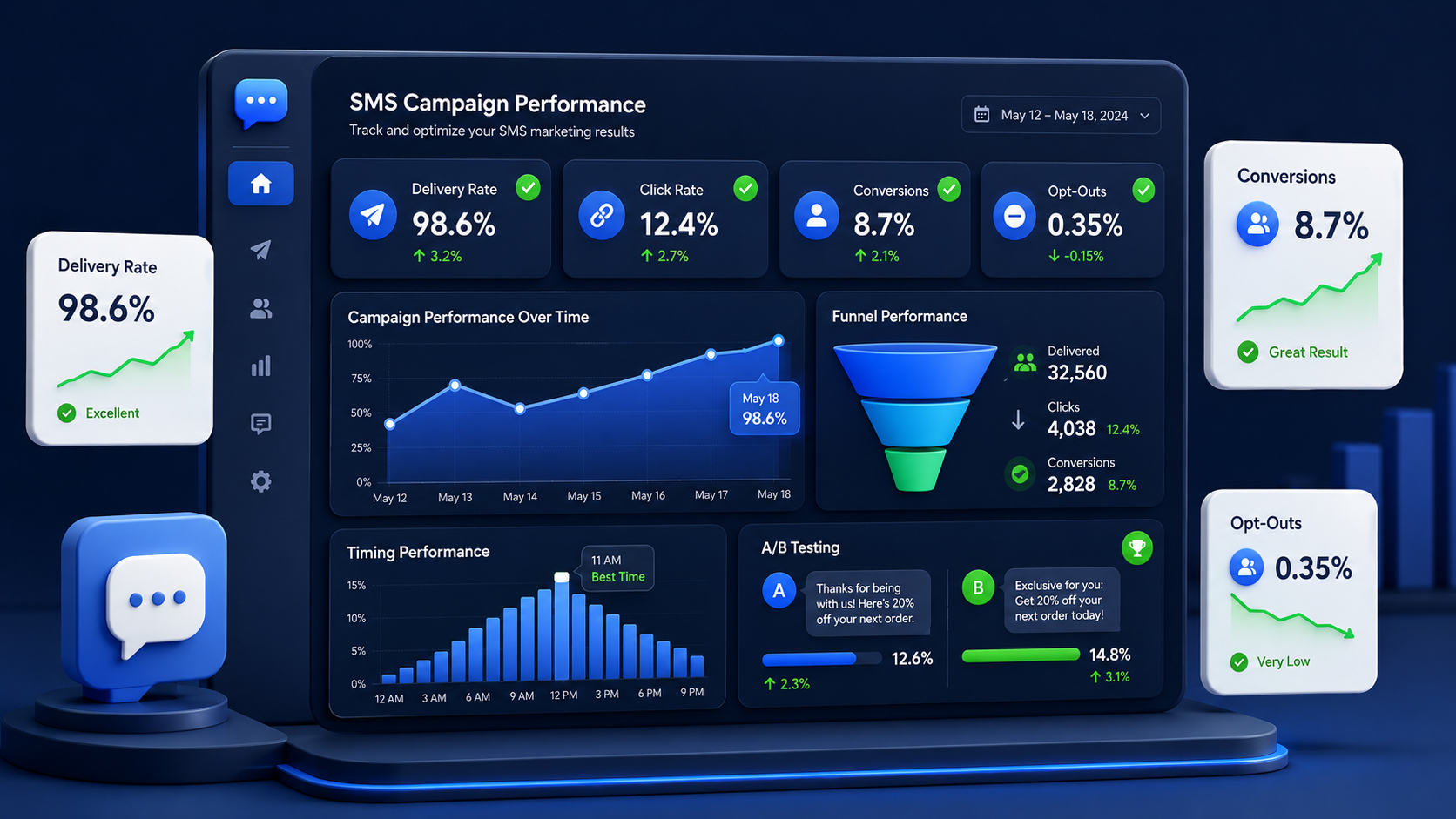
SMS marketing is easy to improve because the campaign structure is simple and the performance signals are clear. You can track delivery outcomes, clicks, conversions, opt-outs, timing performance, and offer response. SMSBoosting highlights testing, optimization, delivery visibility, and analyze-and-optimize workflows across its platform pages, which shows how central measurement is to campaign quality.
This gives you room to keep refining. You can test a percentage discount against a fixed-value discount. You can compare morning sends with evening sends. You can segment by customer lifecycle stage, geography, or prior engagement. Over time, those small improvements can lift both response and revenue while reducing wasted sends. Good SMS programs do not rely on one perfect campaign. They improve through regular testing and disciplined list management.
Fits Naturally Into a Multi-Channel Strategy
SMS marketing fits naturally into a multi-channel strategy because it covers the moments where speed and visibility matter most. Email can handle longer storytelling. Push can support app users. Paid ads can widen reach. Text fills the gap when you need an immediate nudge, a fast reminder, or a direct confirmation. SMSBoosting’s marketing page even describes SMS as the core delivery channel while broader channel support can be coordinated where needed.
In practice, that means you do not need to force SMS into every job. Use it where it has the clearest edge. Send the teaser by email, then the launch reminder by text. Run the product page retargeting ad, then follow up with a cart reminder by text for opted-in users. Publish a delivery email, then send a short tracking notice by SMS. When each channel plays the right role, the whole customer journey feels tighter and more responsive.
Who Benefits Most From SMS Marketing?
SMS marketing works best for businesses that need fast, direct communication with customers, especially in industries where timing, updates, and repeat engagement matter.
Retail and E-commerce Brands
Retail and e-commerce brands benefit most from SMS marketing when they need quick action tied to products, promotions, and customer lifecycle events. SMSBoosting’s use cases point to flash sales, cart abandonment recovery, loyalty campaigns, VIP drops, product launches, and last-call messaging, which are all strong retail fits because they combine urgency with a simple CTA.
This works well for online stores selling fashion, beauty, electronics, home goods, supplements, and seasonal products. A short text can push a limited-time offer faster than email alone. It can also support repeat purchase cycles by nudging customers back with exclusive access, restock notices, or points updates. For e-commerce teams managing margins closely, that blend of low send cost and fast action is hard to ignore.
Service Businesses and Appointment-Based Teams
Service businesses benefit from SMS marketing because they rely on timely communication more than long promotional copy. Salons, clinics, repair companies, consultants, tutors, gyms, and local service teams can use texts for booking reminders, reschedule notices, limited-slot offers, follow-ups, and review requests. The value is simple: fewer no-shows, faster responses, and less back-and-forth.
This is where SMS pulls double duty. It can market your next offer and reduce operational friction at the same time. A reminder message can protect today’s revenue. A rebooking message can support next month’s pipeline. A “reply to confirm” style workflow can also reduce missed appointments without asking customers to download an app or search through email.
Finance and Travel Businesses
Finance and travel businesses benefit from SMS marketing when timing, trust, and visibility matter. SMSBoosting actively serves financial teams and positions SMS around OTP, notifications, and time-sensitive communication, which is a strong fit for account alerts, payment notices, login verification, booking reminders, gate changes, fraud checks, and service updates.
These sectors need more than promotion. They need reliable communication that customers actually see. A payment reminder that arrives on time can reduce churn. A fraud alert can protect an account. A flight or booking message can prevent confusion. Even when the message is not promotional, the same core SMS strengths still apply: speed, visibility, brevity, and action.
Small Businesses That Need a Low-Cost Direct Channel
Small businesses benefit from SMS marketing because they need channels that are affordable, easy to launch, and easy to measure. A local shop, restaurant, studio, or growing online seller may not have a large ad budget or a big content team. Text messaging lets them send a short offer, track the response, and learn quickly without building a complex campaign stack.
That makes SMS useful for both simple and advanced programs. A small business can start with weekly promotions, appointment reminders, or delivery notices. Later, it can layer in segmentation, retargeting, lifecycle sends, and region-specific campaigns. SMSBoosting’s platform framing around repeatable workflows, fast setup, and global support is especially useful here because small teams need a channel they can manage without heavy overhead.
SMS Marketing Campaign Health Check Table
| SMS Campaign Health Check | What To Verify | Why It Adds Value |
| Consent Records | Confirm that every promotional recipient joined through a valid opt-in process. | This adds a compliance and list-quality angle, which helps explain why good SMS results start before the first campaign is sent. |
| Opt-Out Handling | Check that unsubscribe requests are processed quickly and that opt-out instructions are easy to understand. | This gives the article a practical retention point, since list health affects future performance. |
| Country And Carrier Rules | Review sender ID rules, local registration needs, and carrier filtering behavior before sending in a new market. | This adds useful global context for readers planning cross-border campaigns. |
| Submission Success Rate | Track whether messages are accepted upstream or rejected before delivery even begins. | This helps readers look beyond “sent” status and catch technical issues earlier. |
| Delivery Latency Distribution | Measure how long messages take to arrive, including delayed outliers, not just average delivery. | This makes the article stronger for flash sales, OTPs, reminders, and other time-sensitive sends. |
| Click Rate After Delivery | Compare clicks after delivery to see whether the problem is slow timing or weak message relevance. | This gives the reader a sharper optimization method than checking delivery alone. |
| Delivery Report Detail | Review status categories and timestamps instead of relying on a simple delivered or failed summary. | This adds a more advanced but still practical campaign analysis layer. |
| Delivery Reports Vs Real Outcomes | Compare delivery data with clicks, replies, conversions, and opt-outs. | This helps readers understand that performance is about business results, not just message status. |
Final Thoughts
SMS marketing benefits businesses because it is fast, visible, direct, and efficient. It helps you reach customers in the right moment, move them toward a clear action, and keep improving through measurable campaign data. For e-commerce brands, finance teams, logistics companies, service businesses, and smaller operators, that combination can support both revenue and customer experience.
If you want a channel that can handle promotions, reminders, notifications, and time-sensitive communication without heavy friction, SMS deserves a serious place in your strategy. Start with a clean opt-in list, keep the message short, make the offer useful, and track every send. Then build from there. That is how SMS moves from “another channel” to a reliable growth and retention engine.
Frequently Asked Questions About SMS Marketing Benefits
Do SMS messages really have a 98% open rate?
The 98% open-rate figure is widely cited across SMS marketing guides, but you should treat it as a benchmark, not a guarantee. Actual performance depends on opt-in quality, timing, message relevance, region, and deliverability.
What is the ROI of SMS marketing?
There is no single ROI number for SMS marketing because results depend on your list, offer, frequency, and tracking setup. Still, ROI can be strong because sends are relatively low-cost and campaigns can generate fast clicks, conversions, and recoveries.
How effective is SMS marketing?
SMS marketing is highly effective for short, timely, action-driven communication. It performs best for flash promotions, reminders, cart recovery, order updates, login codes, delivery notices, loyalty messages, and event-driven campaigns.
Is SMS marketing suitable for small businesses?
Yes, SMS marketing is suitable for small businesses because it is affordable, direct, and easy to test. A small team can launch simple campaigns, monitor clicks or replies, and adjust quickly.
Can SMS marketing work for global campaigns?
Yes, SMS marketing can work for global campaigns, but your setup has to match local rules and market conditions. SMSBoosting states that its marketing SMS supports sending to more than 200 countries, and it also explains why localization matters: route-specific rules, sender ID behavior, content filtering, pacing, and promotional time windows can vary by market
Is SMS becoming obsolete?
No, SMS is not becoming obsolete. It is still used heavily for marketing offers, OTP verification, notifications, and operational updates because it reaches people quickly on devices they already carry. Newer messaging formats are growing, but SMS keeps its value where universal reach, speed, and simple delivery matter.