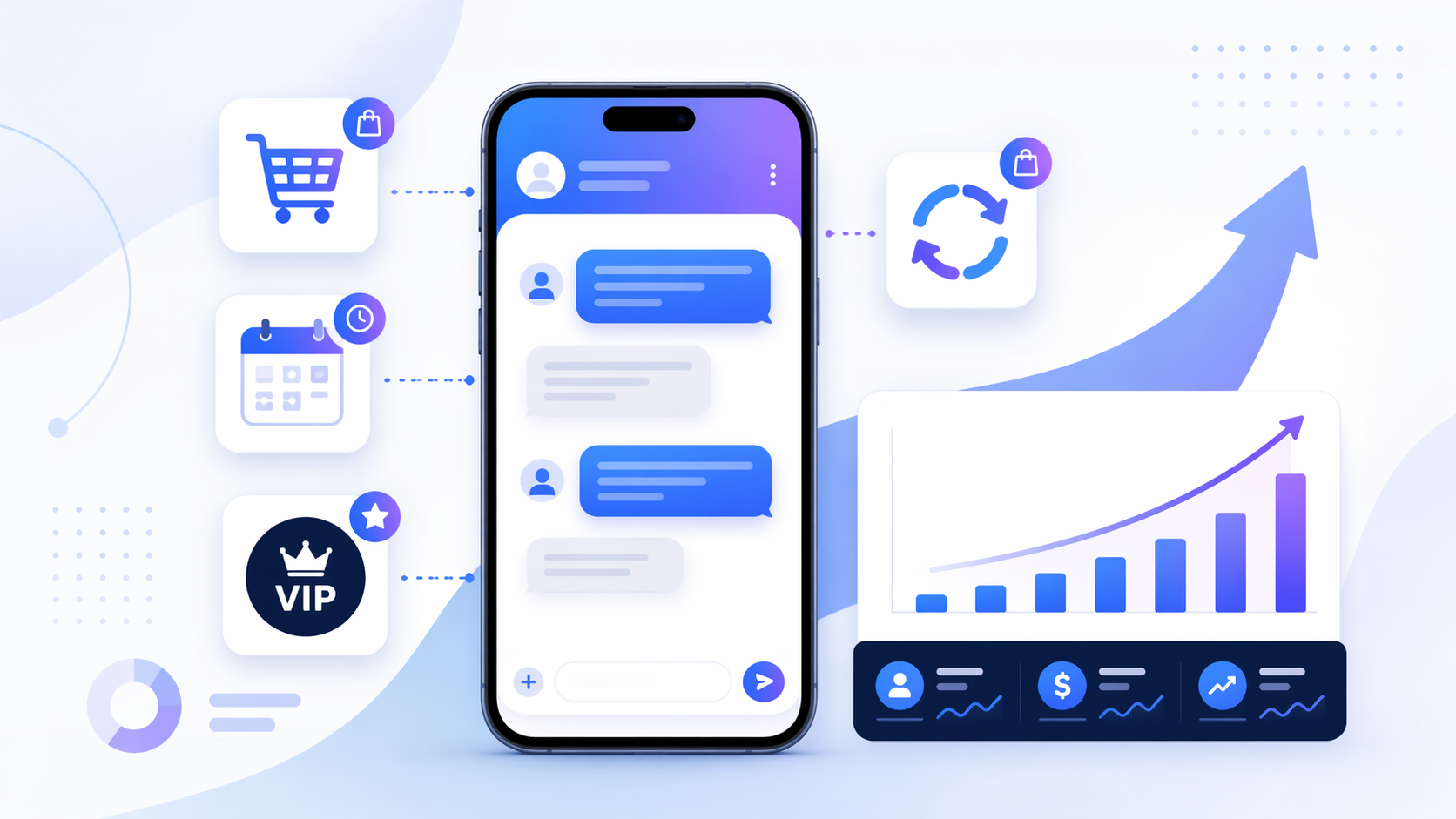
SMS marketing makes money when messages are tied to real buying moments. The six strategies that generate the most consistent revenue are: cart abandonment recovery, flash sales, VIP early access, post-purchase upsells, appointment reminders, and reorder or loyalty texts. This guide shows ecommerce brands and service businesses which SMS messages to send, when to send them, and what to track so the program earns more than it costs.
What Are the Best Ways to Make Money from SMS Marketing?
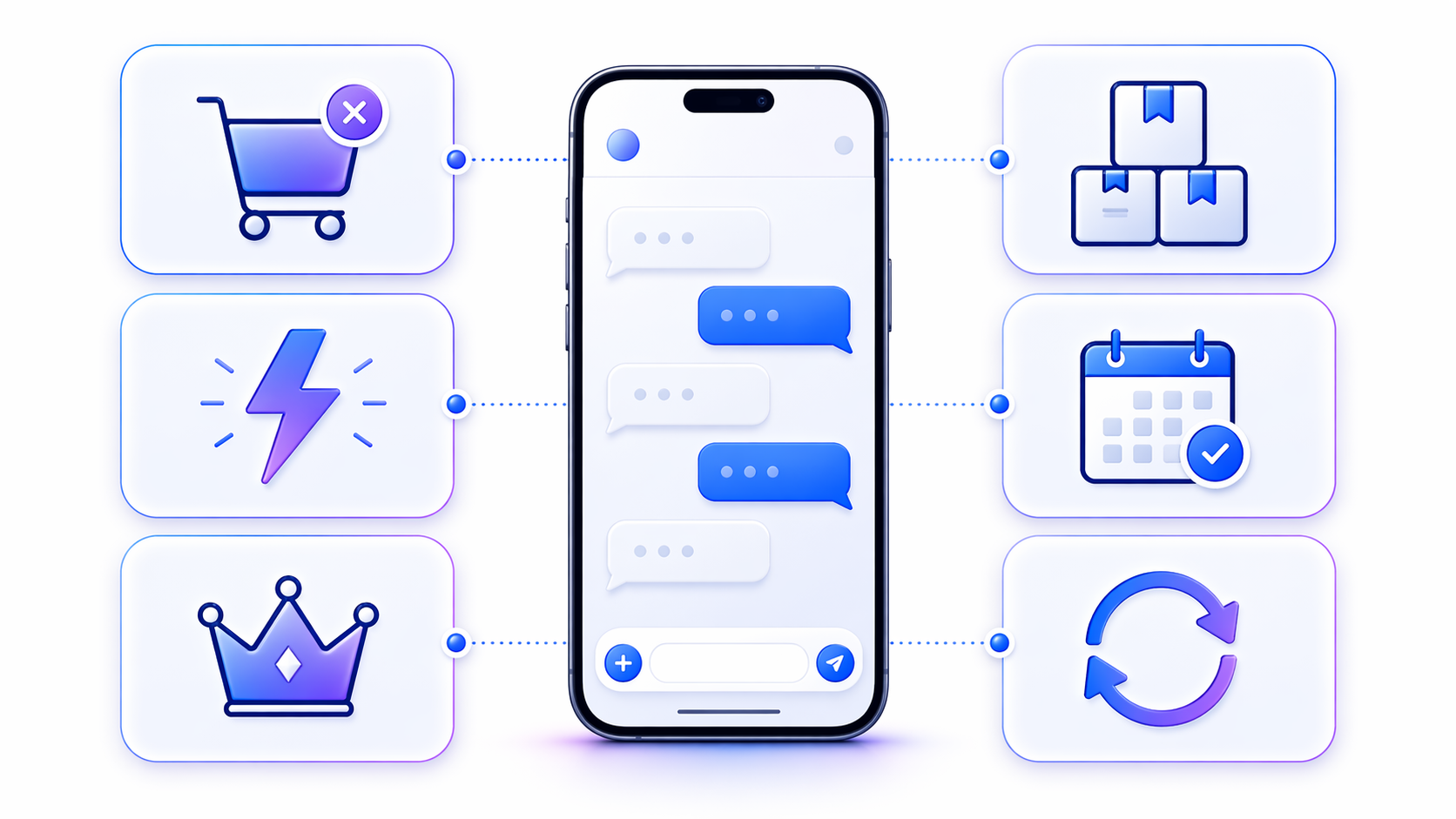
The best ways to make money from SMS marketing are the messages tied to clear buying moments. These include abandoned carts, limited-time offers, repeat purchases, booked appointments, and customer loyalty.
The businesses earning real revenue from SMS are not texting everyone the same coupon. They match each message to a customer action, like leaving a cart, booking a service, or buying a refillable item.
Flash Sales and Limited-Time Promotions
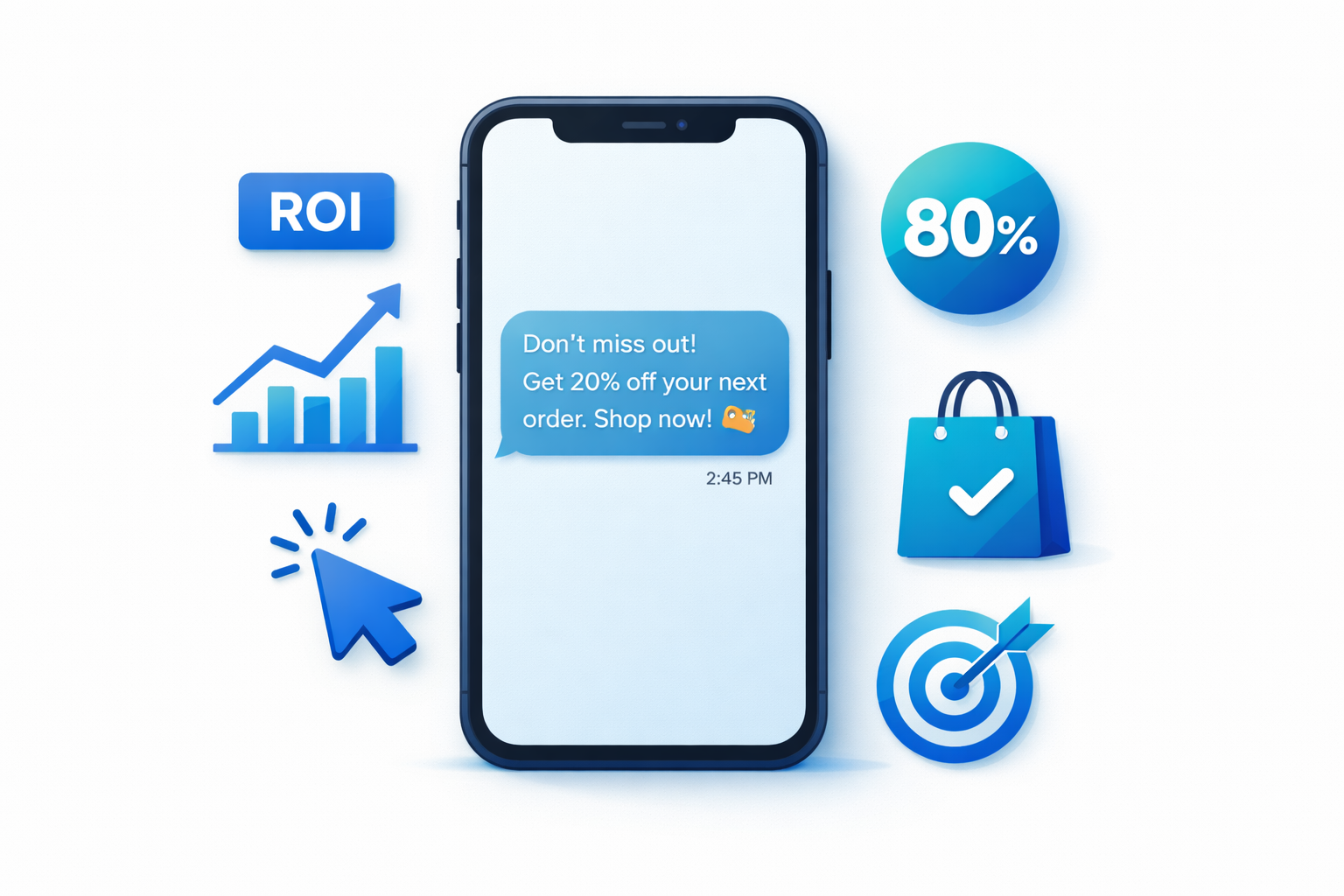
Flash sale SMS messages can create fast sales because they give subscribers a clear reason to act now. This works best when the offer is short, specific, and rare.
A good flash sale text may look like this:
“FLASH SALE: 30% off today only. Use code SMS30 before midnight: [link]”
Use flash sales carefully. One or two per month can feel special. Two or three per week starts to feel like noise.
Automated Cart Abandonment Recovery
Cart abandonment SMS helps recover sales from shoppers who already showed interest. Baymard Institute’s ongoing research aggregates data from dozens of studies, consistently placing the average cart abandonment rate above 70%.
The point is not to pressure the shopper. Many people leave because of distraction, extra costs, a long checkout, or hesitation. A helpful SMS brings them back to the exact place where they stopped — not by pushing harder, but by removing the friction that caused them to leave. You are not convincing someone to buy something new. You are helping them finish something they already started.
VIP Lists for Early Access and Exclusive Offers
VIP SMS lists make money by giving your best customers first access to offers, launches, and private deals. This is less about sending more texts and more about making high-value customers feel noticed.
Build this list from customers who spend often, buy at a higher average order value, or respond well to previous campaigns.
Useful VIP SMS ideas include:
- Early Access: “VIP early access starts now. Shop the new drop before it goes public: [link]”
- Private Sale: “VIP only: 25% off this weekend with code VIP25: [link]”
- Back-in-Stock Alerts: “Good news — [Product] is back for VIP customers first: [link]”
Keep VIP campaigns limited. One or two strong messages per month usually feels better than weekly “exclusive” texts that are not very exclusive.
Post-Purchase Upsells and Cross-Sells
Post-purchase SMS makes money by recommending the next useful item after someone buys. The customer already trusts your brand enough to place an order, so this is a strong moment for a helpful follow-up. This works especially well in sms marketing programs built around product ecosystems and consumables.
The key is relevance. A random upsell feels like a cash grab, while a useful add-on feels like service. A camera buyer may need a memory card or case. A skincare buyer may need a refill or bundle.
Send this after delivery, not seconds after checkout. A good window is 24–48 hours after delivery.
Example:
“Hope you’re loving your [Product]. Customers often pair it with [Product B] for [benefit]. Here’s 15% off your next order: [link]”
Appointment Reminders to Reduce No-Shows
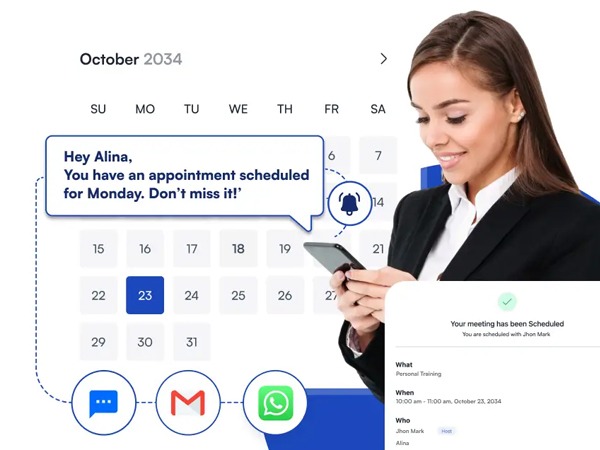
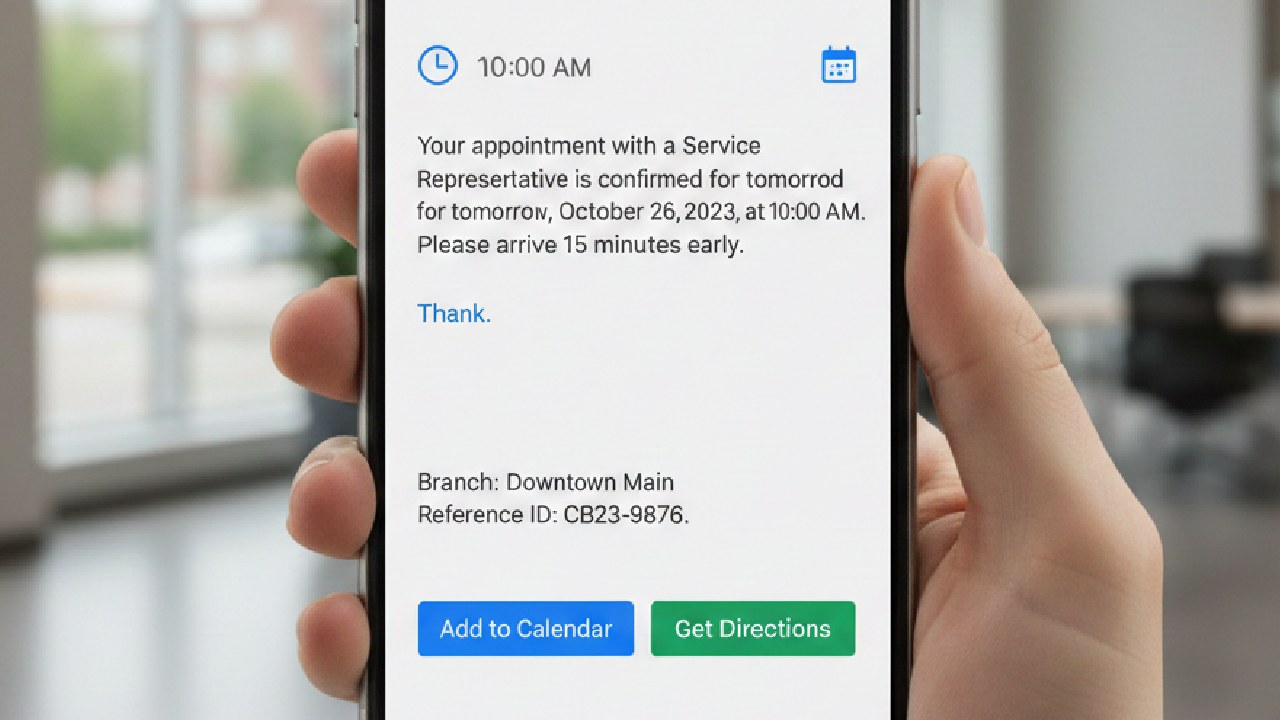
Appointment reminder SMS helps service businesses protect revenue that is already on the calendar. This matters for salons, clinics, gyms, consultants, repair shops, and any business that sells time.
A missed appointment is not just inconvenient. It is a slot you may not be able to sell again. SMS reminders reduce that risk significantly. One ophthalmology outpatient study found that SMS reminders led to a 6.9% absolute reduction and 38% relative reduction in non-attendance rates (Source: Journal of Medical Internet Research, 2023).
A good reminder is short and useful:
“Hi [Name], reminder: your appointment is tomorrow at 2 PM. Reply C to confirm or R to reschedule.”
That reply option matters. When someone reschedules early, you can offer the open slot to another customer.
Repeat Purchase and Loyalty Texts
Repeat purchase SMS makes money by bringing existing customers back before they forget you. For many brands, this is more profitable than chasing new buyers every month, particularly in sms marketing for e-commerce, where margins on new customer acquisition continue to rise.
This works best for products or services with a natural buying cycle, like supplements, coffee, pet food, beauty products, haircuts, fitness classes, and subscription boxes.
The timing should match the customer’s real usage pattern:
- 30-Day Consumable: Send the reminder around day 25
- Monthly Service: Send the rebooking text around week 3
- Quarterly Product: Send the nudge around week 10
Example:
“Running low on [Product]? Reorder today and we’ll ship it out fast: [link]”
Loyalty texts can also use points, birthdays, or “we miss you” messages after a period of inactivity. Keep the message personal. “You have 320 points waiting” feels much better than “Buy again today.”
Why Does SMS Marketing Generate Revenue So Quickly?
SMS marketing generates revenue quickly because it reaches customers during high-intent moments, recovers sales that would otherwise disappear, and builds the kind of repeat purchase behavior that compounds over time. It is not magic. It works because timing, behavior, and a clear action line up.
It Reaches Customers While the Buying Context Is Still Fresh
A shopper who just left a cart is completely different from a cold visitor. They already found a product they wanted. Something interrupted them. SMS lets you act while that context is still active — before they get distracted by a competitor, forget the product, or simply move on.
This is why behavior-triggered messages consistently outperform broadcast campaigns. Omnisend’s 2026 SMS ROI benchmark reported that automated SMS messages earned $0.74 per send, compared with $0.15 for campaign messages. The difference is not the channel — it is the timing.
It Recovers Revenue That Would Otherwise Be Lost
Several of these strategies — cart abandonment recovery, appointment reminders, reorder nudges — are designed to recapture revenue that would otherwise disappear entirely. You are not generating new demand. You are converting demand that already exists but has not completed.
This makes SMS unusually efficient from a cost-per-recovery standpoint. A single recovered cart or a single filled appointment slot can pay for hundreds of SMS messages. For businesses with high average order values or high per-appointment revenue, this math becomes even more compelling.
It Builds Repeat Purchase Behavior Over Time
The real money in most businesses is not the first transaction — it is everything that comes after. Post-purchase upsells, loyalty programs, and VIP campaigns all work toward the same goal: turning a one-time buyer into a repeat customer who spends more over time.
Research from Bain & Company found that increasing customer retention by just 5% can increase profits by 25% to 95%. SMS is one of the most direct tools for driving that retention because it is personal, immediate, and difficult to ignore. Each of the six strategies in this article contributes to customer lifetime value in a different way — some by increasing order frequency, some by increasing average order value, and some by preventing churn before it happens.
What SMS Flows Should You Launch First?
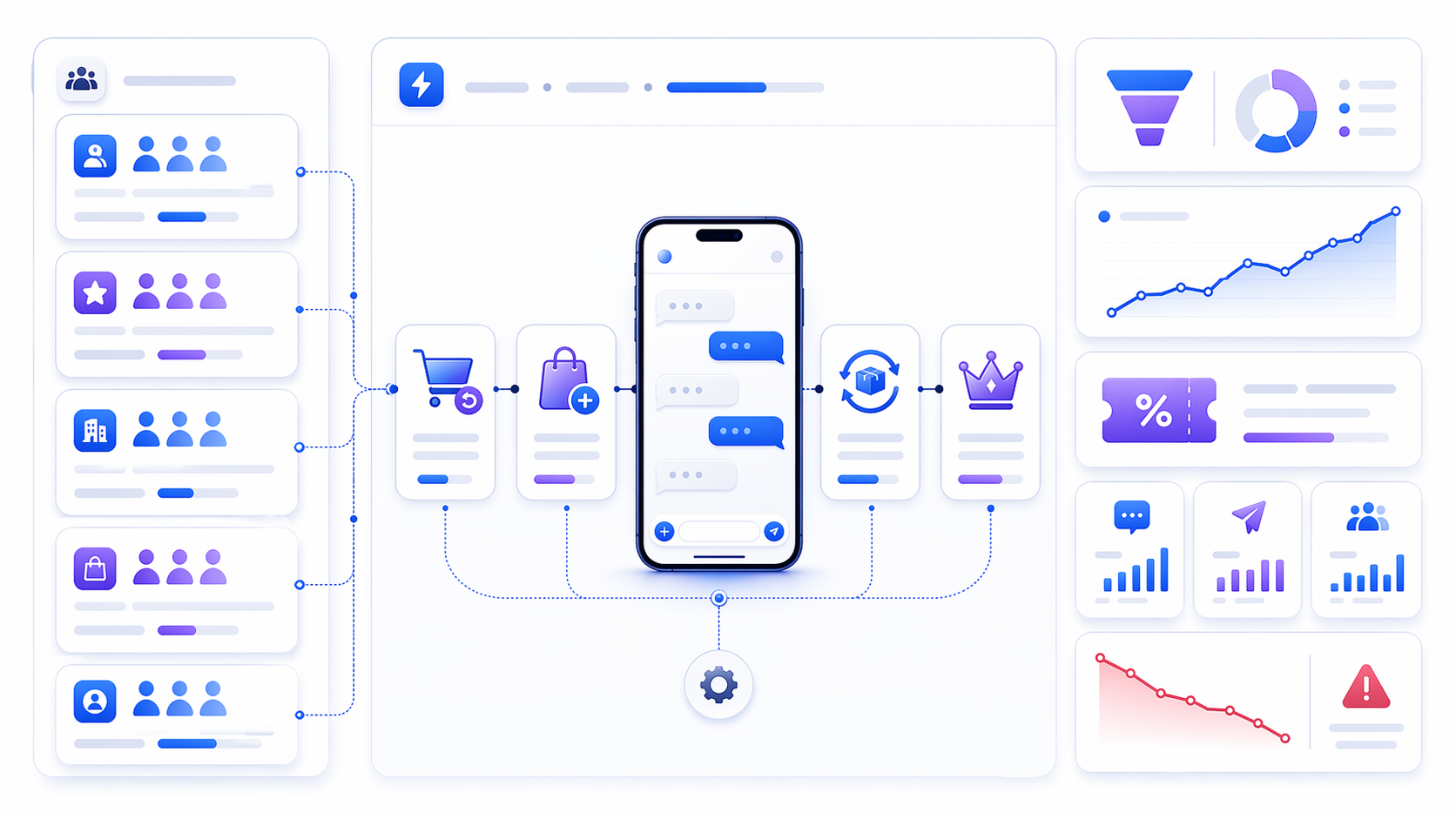
Start with the SMS flows closest to revenue: welcome offer, cart abandonment, post-purchase upsell, reorder reminders, and VIP campaigns. These flows work because they are tied to real customer behavior, not random promotional blasts.
Use this table as a starting point:
| SMS Flow | Best For | When to Send | Main Goal |
| Welcome Offer Flow | New subscribers | Instantly after sign-up, then 24 hours later | Turn new subscribers into first-time buyers |
| Cart Abandonment Flow | Ecommerce shoppers | 30–60 min, 24 hrs, and 48 hrs after abandonment | Recover lost checkout revenue |
| Post-Purchase Upsell Flow | Existing buyers | 24–48 hours after delivery | Increase repeat purchases and average order value |
| Reorder or Rebooking Flow | Consumables, services, subscriptions | Before the normal buying or booking window ends | Bring customers back at the right time |
| VIP Campaign Flow | High-value customers | 1–2 times per month | Increase loyalty, repeat sales, and customer lifetime value |
The best first flow depends on your business model. Ecommerce brands should usually start with cart abandonment and post-purchase messages. Service businesses should start with appointment reminders and rebooking texts. Brands with repeat-use products should build reorder reminders as soon as possible.
Welcome Offer Flow
A welcome SMS flow should deliver the promised offer, introduce your brand, and set expectations. This is often the highest-engagement moment because the subscriber just joined.
Use two messages:
- Instant Message: Send the discount, free resource, or early-access link
- 24-Hour Message: Recommend bestsellers or remind them before the offer expires
Keep it simple. The goal is not to overwhelm a new subscriber. It is to help them take the first step.
Cart Abandonment Flow
A cart abandonment flow should remind first, add urgency second, and offer an incentive last. This keeps your margins safer and makes the message feel less pushy.
The first message should sound helpful — assume the person got distracted, not that they changed their mind. The second can mention stock or timing to add a light layer of urgency. The third introduces a concrete incentive: free shipping, a discount, or a small gift with purchase. Escalate gradually rather than leading with your best offer.
Track recovered revenue from SMS separately from email. Otherwise, you may not know whether SMS is adding new revenue or simply taking credit for sales another channel helped close.
Post-Purchase Flow
A post-purchase flow should start after delivery, when the customer has had time to receive and use the product. Use it to recommend an add-on, refill, bundle, or next step.
The best message answers one question: “What would help this customer get more value from the thing they just bought?”
The most effective post-purchase messages use social proof to make the recommendation feel credible rather than self-serving: “9 out of 10 customers who bought [Product A] also love [Product B] — here’s 15% off your next order: [link].” That framing shifts the message from “we want to sell you more” to “other customers like you found this useful.”
Reorder or Rebooking Flow
A reorder or rebooking flow should match the customer’s normal buying cycle. Send too early and the message feels off. Send too late and the customer may have already bought somewhere else.
Use your own purchase data first. For a 30-day product, start around day 25. For a monthly service, remind customers before their usual booking window closes. This flow is simple to set up, but it can become one of your strongest repeat revenue drivers once it is running.
VIP Campaign Flow
VIP campaigns should be reserved for your highest-value customers. Once you have 3–6 months of purchase data, segment your top 10–20% by total spend, order frequency, or product interest.
Send them better offers, not just more texts. Early launch access, private bundles, back-in-stock alerts, and higher-value rewards work well here. The point is to make your best customers feel remembered, not spammed.
What Do You Need Before Sending Revenue SMS Campaigns?
You need four things before SMS can make money: a compliant opt-in list, automation, segmentation, and revenue tracking. Without these basics, you may send traffic but still struggle to prove profit.
A Compliant SMS List
Your SMS list must be permission-based. For A2P messaging, 10DLC.org notes that customer consent is required, promotional messages need written consent, and campaigns must support opt-out keywords.In plain English: do not text people who did not ask for marketing texts. Make unsubscribing easy. “Reply STOP to opt out” protects your list, your deliverability, and your brand reputation.
Automation and Segmentation
Choose an SMS platform that can send messages based on behavior. Manual campaigns are useful, but revenue usually comes from flows that trigger after a customer action.
At minimum, segment your list by:
- Buyers vs. Non-Buyers
- New Customers vs. Repeat Customers
- Active Customers vs. Lapsed Customers
- Product Interest or Category Viewed
- VIP Customers by Spend or Frequency
Segmentation helps you send fewer texts with better results.
Short Messages with One Action
Every SMS should have one job. One offer. One link. One next step.
Most revenue SMS messages should stay short — around 160 characters is a useful target, although some campaigns may need more room for legal wording or context. A strong SMS usually includes a customer name or relevant context, a clear offer or reminder, a simple CTA, and a trackable link.
If you find yourself writing a message that needs more than 160 characters to make sense, that is usually a sign the offer needs to be simplified, not that the message needs to be longer.
Revenue Tracking
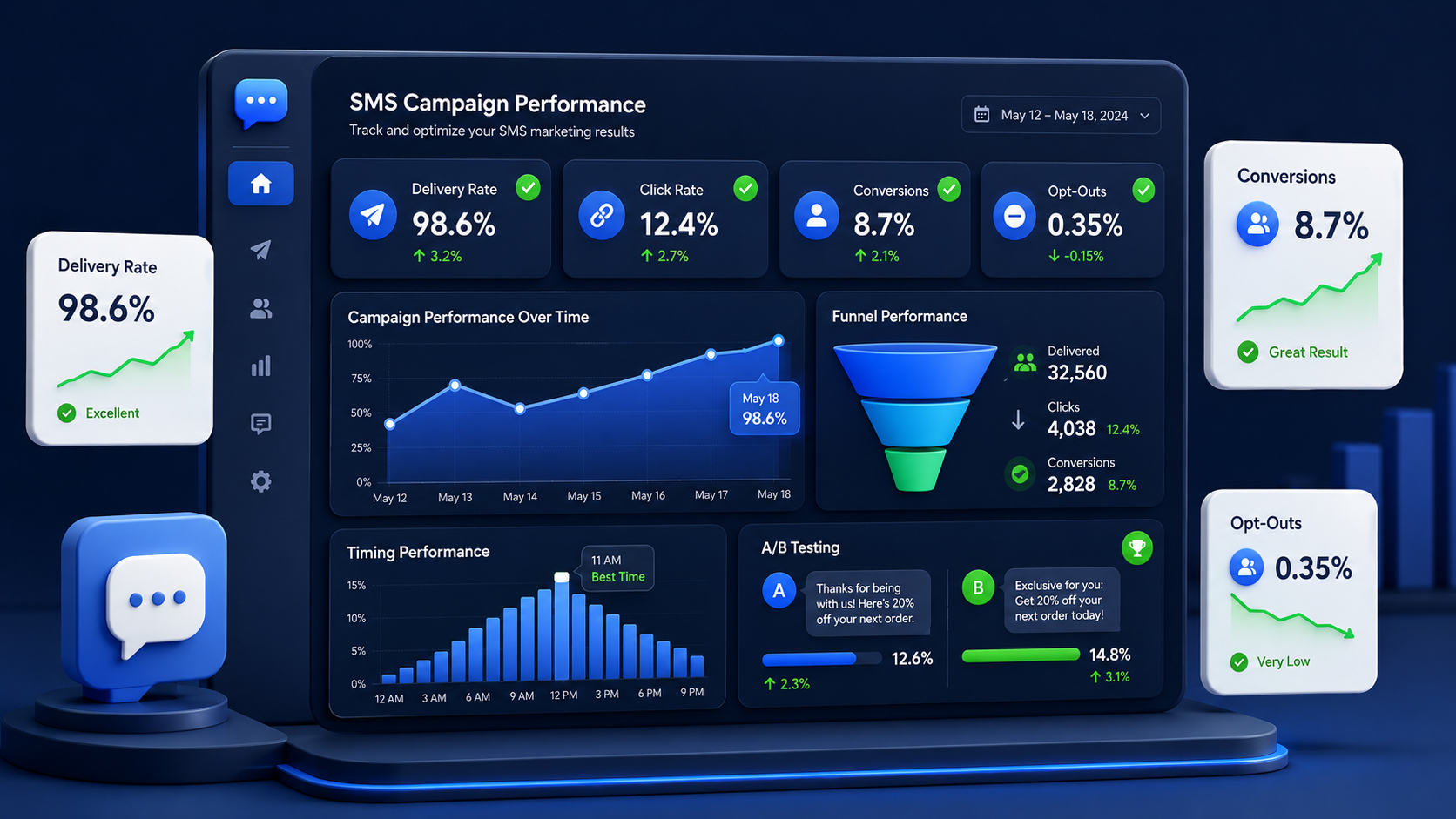
Track SMS by money, not just clicks. The main numbers to watch are revenue per message sent, conversion rate per campaign, unsubscribe rate, and opt-out trend over time.
Use UTM links, unique coupon codes, platform revenue attribution, or dedicated landing pages to answer one clear question: “Did this message earn more than it cost?”
Note that standard SMS does not provide the same open-rate tracking as email. Focus on revenue per send and conversion rate as your primary performance signals — these give you a more accurate picture of what is actually working.
Frequently Asked Questions About Making Money from SMS Marketing
Can SMS marketing work alongside email marketing, or should you choose one?
SMS and email work better together than either does alone. Email suits longer content and nurturing sequences. SMS is better for time-sensitive messages and quick reminders. Many brands use email for the first touchpoint in a cart abandonment sequence and SMS for the faster follow-up — coordinating both channels typically produces higher recovery rates than running either one independently.
What is the difference between SMS and MMS for revenue campaigns?
SMS is plain text up to 160 characters. MMS supports images, GIFs, and longer text, but costs two to three times more per send. For most revenue flows — cart abandonment, reorder reminders, appointment confirmations — plain SMS performs well and costs less. MMS works better for visual product launches or promotions where showing the product directly increases click likelihood.
How do you handle customers who opt out — can you win them back?
Once a customer opts out, you cannot text them again until they actively re-subscribe. You cannot work around this with a different number. The best approach is preventing opt-outs by keeping frequency reasonable and making every message worth receiving. If they remain on your email list, you can invite them to re-subscribe to SMS — but only if they choose to do so themselves.
Do you need 10DLC registration to send SMS campaigns in the US?
Yes. If you are sending A2P SMS to US numbers from a 10-digit long code, 10DLC registration is required. Your SMS provider should guide you through brand and campaign registration. Complete this before sending — unregistered messaging can face carrier filtering, delivery issues, or account suspension.
Final Thoughts
SMS marketing makes money when it is tied to real customer behavior. Start with cart abandonment, post-purchase, reorder, and appointment reminder flows before spending time on broad promotions. These messages reach people who are already close to buying, rebooking, or coming back.
From there, build stronger segments. Treat VIP customers differently. Keep promotional messages limited. Track revenue per message, conversion rate, and unsubscribe rate so you know what is helping and what is burning trust.
Here is what to take away:
- Start with automation first: Cart abandonment, post-purchase, and reorder flows generate revenue around the clock once they are live — build these before running a single broadcast campaign
- Segment from day one: A relevant message to the right person will always outperform a generic message sent to everyone
- Respect the channel: SMS is personal and direct — overuse it and you lose the trust that makes it effective
- Track three numbers: Revenue per message, conversion rate, and unsubscribe rate tell you everything you need to know about the health of your SMS program
- Compliance is non-negotiable: A permission-based list of 500 engaged subscribers will outperform a cold list of 10,000 — and it will not put your business at legal or deliverability risk
Your next step is simple: audit your current SMS setup and confirm that these three flows are live — cart abandonment, post-purchase, and reorder or rebooking. Once those are earning consistently, add flash sales and VIP campaigns with confidence.