
In tax preparation marketing, the same challenge returns every year: approximately 15% of U.S. taxpayers miss the Tax Day deadline—a pattern that repeats regardless of economic conditions or filing complexity. According to IRS Filing Season Statistics (IR-2024-97), millions of returns arrive after April 15, triggering penalties, interest charges, and unnecessary stress for both taxpayers and their preparers. Industry surveys suggest that firms losing even a fraction of these clients to competitors experience measurable revenue attrition, making client retention as critical as new acquisition.
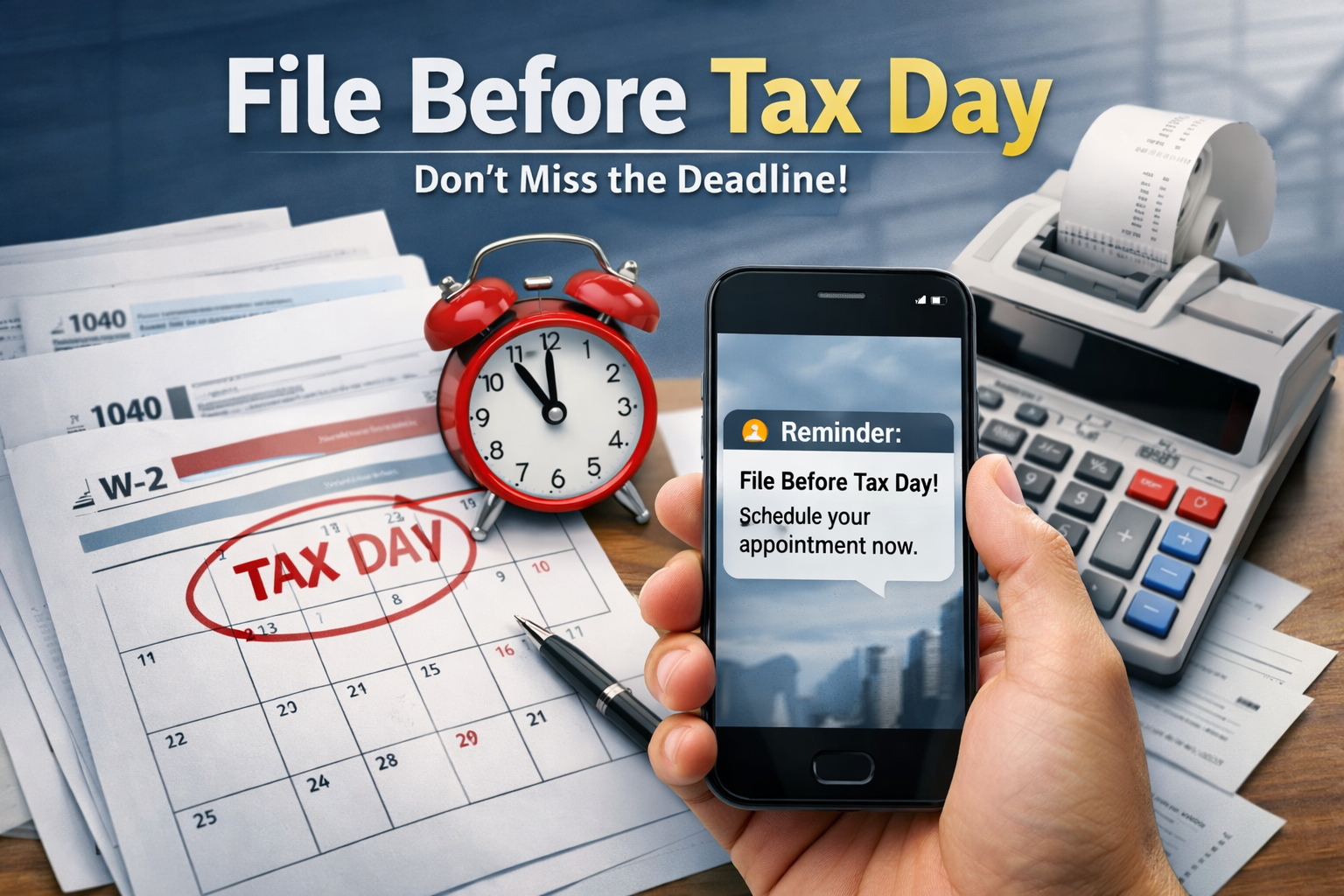
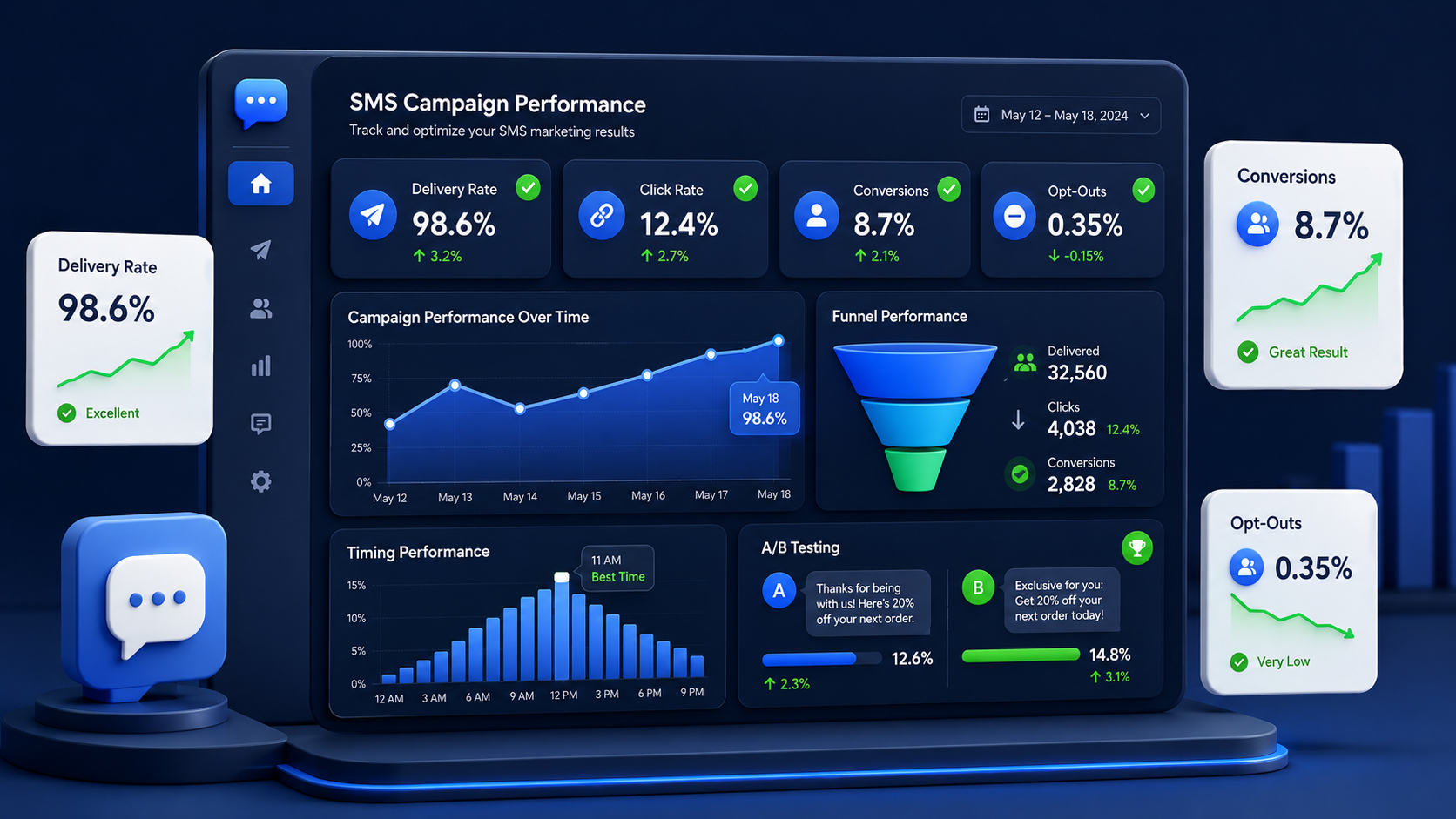
SMS reminders have moved beyond mere convenience to become a genuine competitive necessity. While email open rates hover around 20–25%, SMS boasts a 98% open rate, with most messages read within three minutes of delivery. According to a 2024 mobile marketing benchmark report, this performance gap has widened year over year—which means choosing the wrong communication channel doesn’t just reduce effectiveness. It actively disadvantages your practice relative to competitors who prioritize SMS. For tax preparers, the data isn’t about channel preference. It’s about deploying a behavioral intervention tool that directly addresses the psychology of tax procrastination.
The real question isn’t whether SMS works—the data makes that clear. The question is whether your practice operates with a systematic SMS reminder strategy or whether you’re still relying on last-minute phone calls and optimistic assumptions. In an industry where client retention and referral rates determine long-term success, preparers who master proactive communication will consistently outperform those who treat outreach as optional.
The following sections outline how to build that system: what to say, when to send it, and how to stay compliant with IRS guidelines, TCPA regulations, and the FTC Do Not Call Registry.
Compliance First — The Legal Framework You Must Know Before Hitting Send
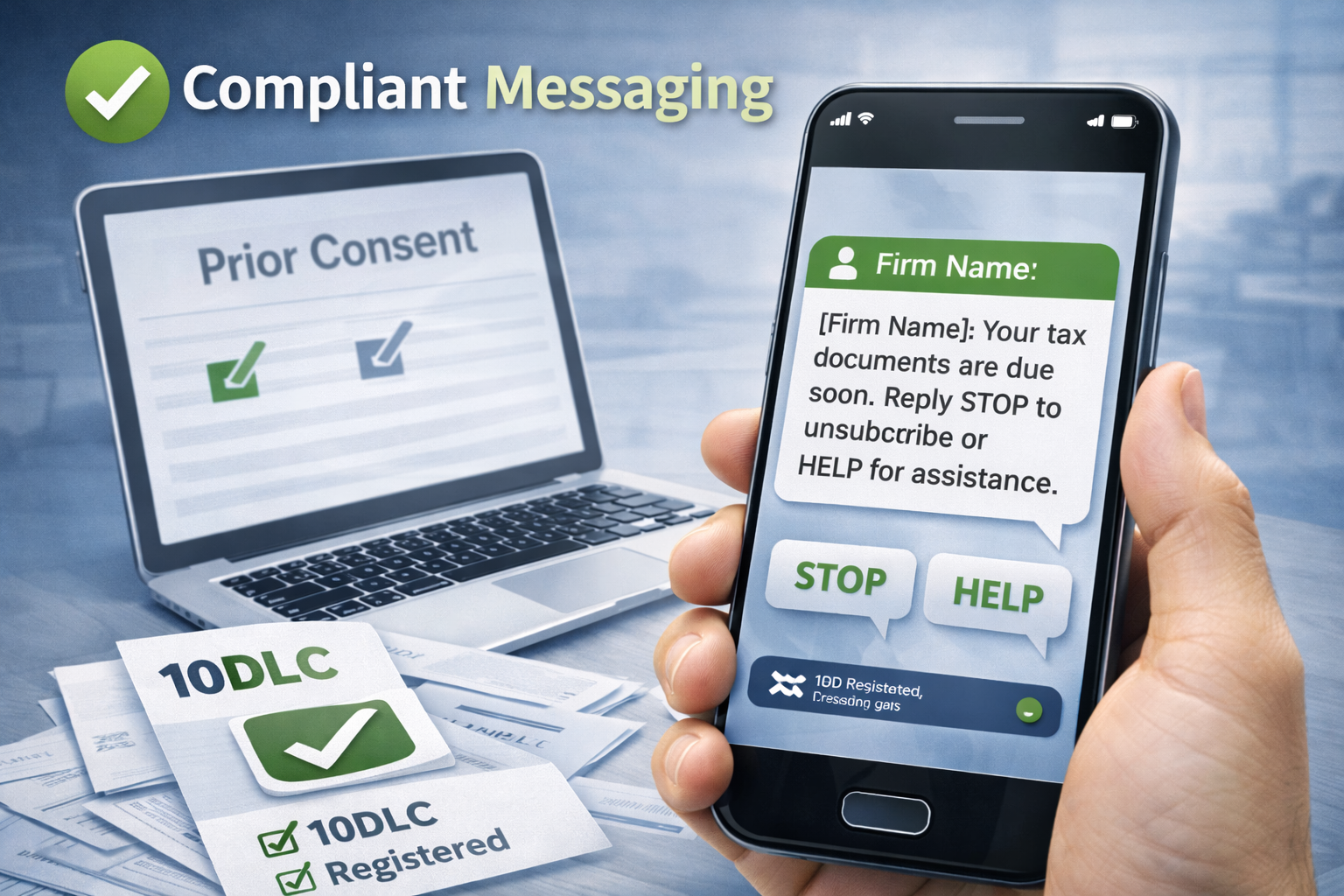
Before launching any SMS campaign for tax season, you need a clear grasp of the compliance landscape—and this is the part most preparers rush through, only to regret it later. The Telephone Consumer Protection Act (TCPA) governs SMS marketing in the United States and requires prior express written consent for promotional messages. This consent must be explicit, documented, and separate from general agreements. Always provide clear opt-out mechanisms using standard keywords like “STOP” to unsubscribe and “HELP” for assistance. For business messaging, registering for 10DLC (10-Digit Long Code) with carriers is essential—it improves deliverability and demonstrates compliance with carrier vetting processes.
Understanding the distinction between transactional and promotional messages also matters. Tax deadline reminders—such as “Your return is due in 7 days”—typically qualify as transactional because they provide essential information tied to an existing relationship. However, messages blending deadline alerts with promotional offers (“File by April 15 and save $50”) shift into promotional territory, which requires explicit consent. When uncertainty arises, classify the message as promotional and secure consent accordingly—this conservative approach costs nothing and prevents costly violations.
Now that the legal foundations are clear, let’s map out the timeline for your SMS reminder campaign.
Tax Preparation Marketing at the 30-Day Countdown — Warming Up Clients Before Tax Season Heats Up
Tax season doesn’t start on April 15th—it starts 30 days earlier in your clients’ minds. And here’s something that might surprise you: the preparers who see the highest early-filing rates don’t send their first reminders in early April. They start reaching out in mid-March, giving clients a full month to gather documents, ask questions, and book appointments before the panic window opens. The pre-season warm-up phase is your opportunity to move from “just another tax preparer” to “my trusted advisor.” SMS reminders during this critical window can increase early filing rates by up to 40%, which gives your practice additional capacity during peak season while giving clients the peace of mind that comes from being ahead of the deadline. For your practice, fewer all-nighters in mid-April and more time to deliver quality work instead of crisis management—that’s the real payoff.
When to Send Your First Reminder
Timing is everything. The optimal window for your initial outreach is mid-March—approximately 30 days before Tax Day—because this gives W-2 employees enough time to gather documents, 1099 contractors a heads-up on estimated payments, and small business owners a prompt to organize their books.
Research consistently shows that Tuesday and Wednesday mornings between 10:00 AM and 11:00 AM deliver the highest engagement rates for professional services SMS, which aligns with when recipients are alert, focused, and receptive to actionable prompts. Avoid Monday morning chaos and Friday afternoon disengagement. Remember: TCPA compliance requires prior express written consent—never send to numbers without documented opt-in.
SMS #1 Template for W-2 Employees
Hi [First Name], tax season is here! Have you received all your W-2s and 1099s? Get ahead of the rush—schedule your appointment now and file with confidence. Book here: [Link] Reply STOP to opt out.
Compliance Note: TCPA consent required. Include your business name, clear opt-out instructions, and ensure the linked scheduling page is mobile-optimized. Keep character count under 160 to avoid message splitting.
SMS #1 Template for 1099 Contractors
Hi [First Name], Q1 estimated taxes are due soon. Let’s review your deductions and keep more money in your pocket. Reply to schedule a consultation or book online: [Link] Text STOP to unsubscribe.
Compliance Note: 1099 contractors often have complex filing situations. This message focuses on value (saving money) rather than urgency. Ensure you have documented consent before sending, and honor opt-out requests promptly while maintaining clear suppression records.
SMS #1 Template for Small Business Owners
Hi [First Name], ready to maximize your business deductions this year? Let’s review your books before Tax Day. Limited appointments available—secure yours: [Link] Reply STOP to opt out.
Compliance Note: Small business owners respond well to scarcity messaging (“limited appointments”), but avoid false urgency. Include your business identifier and maintain records of consent. If mentioning specific tax strategies, add a disclaimer that this is not legal advice.
Thirty days out, your clients know you’re thinking ahead. But what happens when the clock keeps ticking and documents still haven’t arrived?
14 Days Out — The “Submit Your Documents” Push
By the two-week mark, the tone shifts. You’ve already sent your initial outreach, and now it’s time to close the gap with clients who haven’t acted. Here’s the reality: most of these clients haven’t ignored you—they’ve simply let tax season slip down their to-do list. Research consistently shows that people are most likely to act on a nudge when it arrives at a moment of mild inconvenience rather than full-blown panic. The 14-day mark hits that sweet spot perfectly. This is the phase where a well-crafted reminder can mean the difference between a filed return and a penalty. Knowing exactly which clients are missing documents lets you schedule your remaining capacity intelligently—instead of scrambling at the last minute.
Timing and Tone: Balancing Urgency with Professionalism
The 14-day mark is the sweet spot for a compliance-focused push because clients have had time to act but typically haven’t—often due to forgetfulness rather than resistance. Your job at this stage is to be specific, helpful, and appropriately urgent without tipping into pressure.
Send between 10:00 AM and 12:00 PM on Tuesdays or Thursdays. Research consistently shows that Tuesday and Thursday mid-morning delivers the highest open rates for professional services SMS. At this time, clients are awake and focused, and more likely to act on a clear directive. The tone should remain collaborative throughout this phase. Phrases like “just want to make sure we have everything we need” signal partnership rather than authority. Avoid passive-aggressive framings or implied blame—the last thing you want is a defensive client who disengages entirely.
Reminder: Always include opt-out instructions (“Reply STOP to unsubscribe”). For any message referencing IRS penalties or deadlines, avoid absolute guarantees—present accurate information, not promises.
SMS #2 Template for W-2 Employees
Hi [Name], this is [Your Name] from [Firm Name]. We’re now 14 days from Tax Day — have you sent us your W-2 and any other income documents? Missing docs = missed deductions. Upload here: [link] or reply with questions. Text STOP to unsubscribe.
Compliance Note: This message is transactional in nature (tied to an existing client relationship and filing obligation) and does not require additional promotional consent beyond the initial TCPA opt-in. Avoid promising specific refund amounts.
SMS #2 Template for 1099 Contractors
Hi [Name], Tax Day is 14 days away — are your 1099s, expense receipts, and mileage log ready? If you need more time to file, Form 4868 gives you an automatic 6-month extension to October 15. Let’s talk options: reply here or call [phone]. Text STOP to unsubscribe.
Compliance Note: Mentioning Form 4868 (Application for Automatic Extension of Time to File) is factually accurate and non-promissory. Do not imply your firm guarantees approval of the extension. Note: An extension to file does NOT extend the time to pay—clients who owe taxes must still estimate and pay by April 15 to avoid underpayment penalties.
SMS #2 Template for Small Business Owners
Hi [Name], 14 days to Tax Day — is your Schedule C package complete? Income, expenses, receipts, and bank statements — we need everything by [specific date] to file on time. Submit here: [link]. After [date], we’ll need to discuss filing an extension. — [Your Name], [Firm Name]
Compliance Note: Be specific about deadlines and next steps. Avoid vague language like “you might want to get started.” Set clear consequences. For any mention of specific IRS forms (Schedule C, Form 4868), include a brief disclaimer: “This is general information, not tax or legal advice.”
Key Takeaways for the 14-Day Window
Form 4868 — Extension Reality Check: An automatic six-month extension (to October 15) applies to filing, not paying. Clients who owe taxes must estimate the amount due and pay by April 15 to avoid the Failure to Pay penalty (0.5% per month up to 25% of tax owed). Example: a client who owes $5,000 and files an extension but pays nothing faces an immediate $25/month penalty until the tax is paid.
Record-Keeping Under Circular 230: For clients who owe and are discussing installment agreements, maintain written documentation of all SMS communications per Circular 230 regulations governing practice before the IRS.
Written Authorization Reminder: SMS alone cannot serve as formal written authorization for tax representation. Use separate written consent forms (Form 2848 or equivalent) for representation matters.
As the deadline tightens further, your outreach needs to shift from collaborative nudging to clear, unmissable urgency.
The Final Week — 7 Days and 1 Day to Tax Day
The final stretch before Tax Day is where urgency meets precision. Your last outreach isn’t just a reminder—it’s the decisive push that transforms procrastinators into filers. Executing this phase well captures revenue that would otherwise walk out the door. If you’re reading this in the days leading up to April 15, this section is your action plan. Don’t skip it.
7 Days Out: The “Last Chance” Reminder
At seven days out, urgency should be unmistakable because your client has had months to gather documents and the window is now closing.
W-2 Template (Employee Clients):
Hi [Name], this is [Your Name] at [Firm Name]. Tax Day is in ONE WEEK — have you submitted your W-2 and other income documents yet? If not, click here to upload now: [link]. Missing documents = missing deductions. Let’s wrap this up. — [Your Name]
Compliance Note: Include opt-out instructions (“Reply STOP to unsubscribe”). Avoid implying 100% refund certainty.
1099 Template (Freelancers/Contractors):
Hi [Name], only 7 days left to file! Have you sent your 1099s, expense receipts, and mileage log? Time is running out to claim every deduction you’ve earned. Upload your docs here: [link]. — [Firm Name]
Compliance Note: Do not promise specific refund amounts. “Every deduction you’ve earned” is acceptable as a general encouragement.
Small Business Template:
Hi [Name], 7 days to Tax Day — is your Schedule C package complete? Income, expenses, receipts, bank statements — we need everything by [date] to file on time. Submit here: [link]. After [date], we may need to file an extension. — [Your Name]
Compliance Note: Mentioning extensions is factually accurate and non-promissory. Avoid suggesting your firm guarantees on-time filing for late submissions.
1 Day Out: The Final Warning
One day before Tax Day, all pretense drops. This is your highest-urgency message tier—your job now is to quantify the risk of inaction, not merely to remind.
Hi [Name], TOMORROW is Tax Day. If you haven’t filed yet, you face IRS late filing penalties of 5% per month (up to 25% maximum) on any tax owed. If you expect to owe tax, late-filing penalties can increase what you owe and make the situation more expensive. We offer Selective Support expedited processing — contact us immediately at [phone] to get filed TODAY. Time is critically short. — [Your Name]
Compliance Note: The 5%/month and 25% maximum figures are accurate per IRS penalty schedules. Express service (“Selective Support expedited processing”) is available as a Selective Support option—do not imply a full omni-channel platform or guaranteed same-day turnaround. Set clear expectations.
For Existing Appointment Clients:
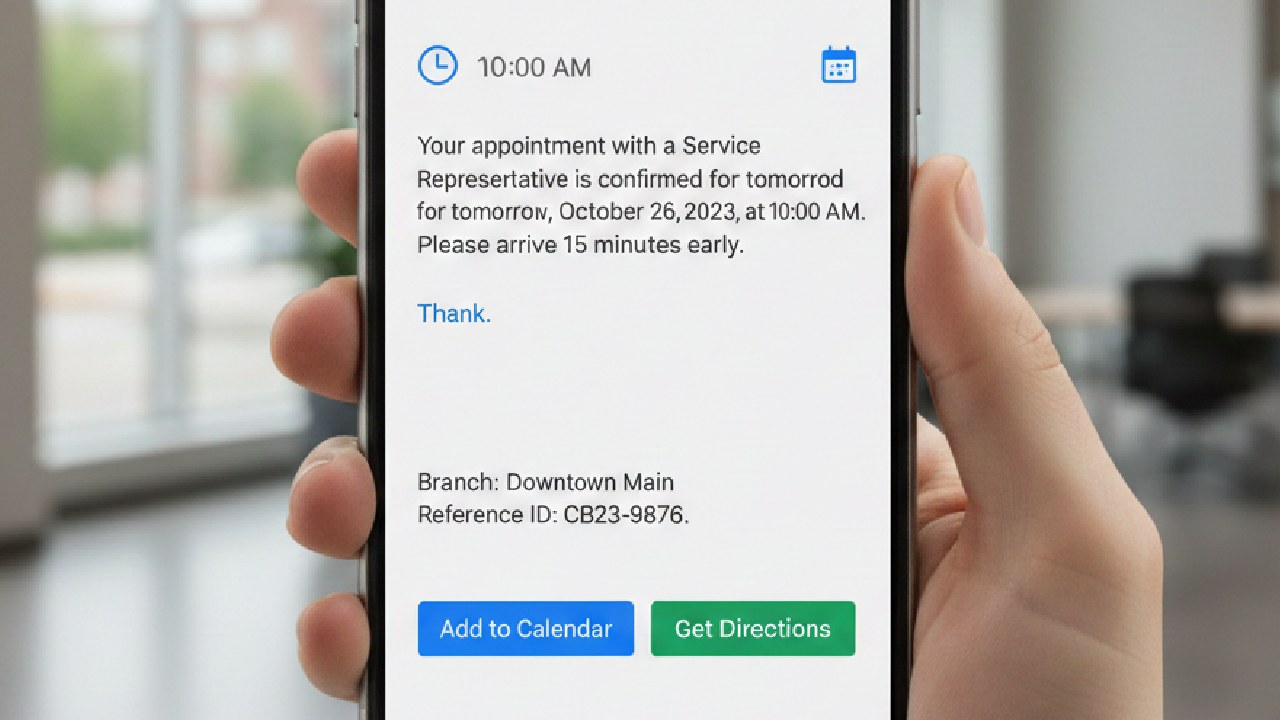
Hi [Name], your tax appointment is TOMORROW at [time]. Please bring: [list]. If you can’t make it, call [phone] ASAP. After tomorrow, extension fees and penalties may apply. — [Firm Name]
Compliance Note: Clearly state any cancellation or rescheduling policies.
Sending Time Matters — Best Hours for Tax Season Reminders
When you send these messages is nearly as important as what they say. Think of it this way: a perfectly written message sent at the wrong time is like a billboard on a deserted highway—technically visible, but nobody’s around to see it.
Optimal Windows:
- 8:00 AM – 9:00 AM (local time): Open rates spike 18–22% compared to afternoon sends because clients are checking phones during morning routines, and a Tax Day reminder feels appropriately serious in this context.
- 12:00 PM – 1:00 PM: Lunch-hour opens are 12–15% above average—suitable for non-critical reminders.
- 2:00 PM – 3:00 PM: Afternoon sends perform 8–10% below morning benchmarks. Use this window only if your list spans multiple time zones.
Never Send:
- Before 8:00 AM or after 9:00 PM local time, as permitted-hours rules and carrier expectations make these windows higher risk for complaints and compliance issues.
- During major holidays or late weekends, because tax stress is already high and an intrusive text can damage the client relationship rather than strengthen it.
Practical tip: Segment your list by timezone and schedule final-week sends in coordinated waves, because an 11:00 AM Eastern send hits West Coast clients at 8:00 AM Pacific—right in the sweet spot.
The final week is your last chance to convert hesitant filers into completed returns. Practices that use SMS at this stage create movement before the deadline; practices that stay silent end up chasing excuses after it. Urgency copy, quantified risk, and precise timing are the three levers that move the needle. Deploy them strategically while staying within compliance guardrails, and you’ll see a measurable improvement in your Tax Day close rate.
But what about the clients who still miss it?
After Tax Day — What to Do When a Client Misses the Deadline
Even the most organized taxpayers sometimes miss the April 15 deadline. When that happens, your role shifts from proactive planning to calm, reassuring guidance—and SMS makes it easy to walk clients through the next steps without creating panic. How you handle this moment can determine whether that client comes back next year or walks away for good.
Confirm the Extension Status First
If your client proactively filed Form 4868 (Application for Automatic Extension of Time to File), send a confirmation text once Tax Day passes:
Hi [Name], just confirming that your extension was filed successfully. You now have until October 15 to submit your return. We’ll reach out when we’re ready to complete your filing. No action needed on your end for now.
This simple message eliminates uncertainty and reinforces your professionalism. The key word is confirm—never imply the IRS has already processed the extension before you have confirmation in hand, because doing so creates false expectations that damage trust.
Penalty Mitigation Without the Scare Tactics
For clients who missed the deadline with no extension, avoid alarmist language and instead educate and empower:
Hi [Name], we noticed your 2025 return wasn’t filed by April 15. The IRS does charge a Failure to File penalty (typically 5% per month up to 25% of the tax owed), but there are steps we can take to reduce or waive it. Please call or reply so we can get this resolved quickly.
Framing this as something you can fix together shifts the client from anxiety to action, because it reframes the situation as manageable rather than catastrophic.
IRS Payment Plans: Managing the Financial Fallout
If the client owes taxes and can’t pay immediately, an Installment Agreement is often the best path. A solutions-oriented SMS might read:
Hi [Name], since there’s an outstanding balance, you may qualify for an IRS Installment Agreement, which allows you to pay over time and may help you manage the balance more predictably. Let’s schedule a short call this week to review your options.
Never suggest you can negotiate directly with the IRS on their behalf unless you hold the appropriate enrolled agent credentials, because overstating your authority creates legal exposure for your firm.
Ghost Mail: What You Cannot Say
Critical compliance note: Federal law prohibits anyone from sending communications that falsely appear to be from the IRS, which is commonly called the “Ghost Mail” rule. Never send SMS messages that use IRS logos, seals, or official-sounding language; claim to be from “IRS Online” or “IRS Tax Services”; or threaten immediate legal action via text. All official IRS correspondence comes through U.S. Mail or the client’s IRS Online Account, and your SMS should always identify your firm clearly, positioning your message as a service rather than a government notice.
Transitioning to the Wrap-Up
Missed deadlines don’t have to end the client relationship on a sour note. With the right tone and clear next steps, you can turn a stressful moment into an opportunity to demonstrate competence and care, which is exactly what drives referrals and repeat business.
Putting It All Together — Your Tax Preparation Marketing SMS Reminder Calendar
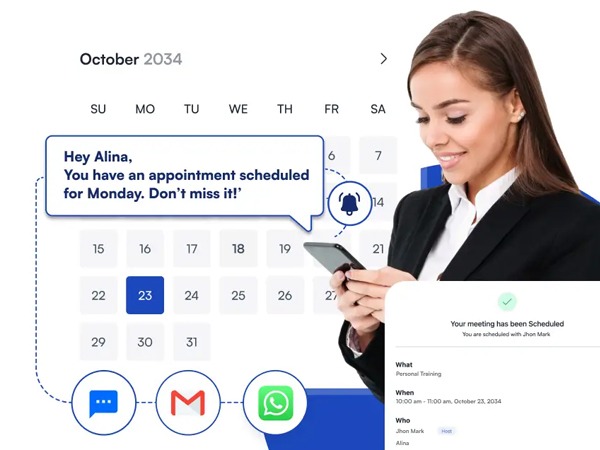
Now that you’ve seen the full lifecycle of a tax season SMS strategy, it’s time to build your own calendar—because consistency and timing are everything. A well-structured reminder sequence reduces missed deadlines, lowers client anxiety, and positions your firm as genuinely proactive. Think of it as setting up an autopilot for your client communication: once it’s running, it works for you around the clock. With a calendar in place, you guide clients before they panic. Without one, you spend April reacting to silence, excuses, and last-minute document dumps.
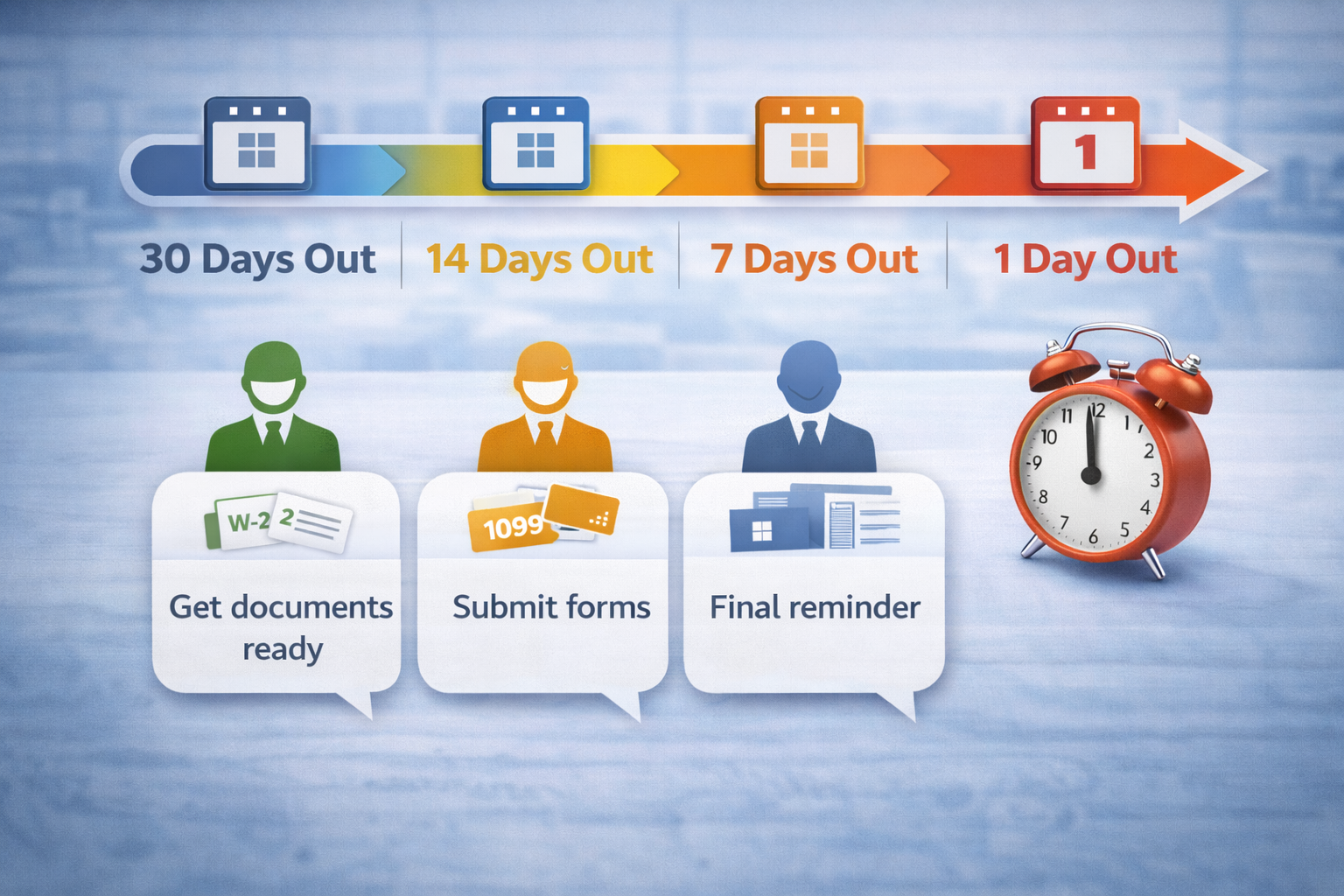
The 30/14/7/1 SMS Sequence at a Glance
| Days Out | Client Type | Core Message | Tone |
|---|---|---|---|
| 30 days | All clients | “Tax season is approaching. Reply YES to get your document checklist.” | Welcoming, informational |
| 14 days | Clients with outstanding docs | “We’re waiting on [specific item]. Please send by [date] to stay on schedule.” | Urgent but polite |
| 7 days | Clients with outstanding balance | “Your estimated balance is $[amount]. Let’s discuss payment options this week.” | Collaborative |
| 1 day | All clients | “Tax Day is tomorrow! Make sure we’ve received everything. Reply STOP to opt out.” | Friendly reminder |
Build Your Calendar Starting Today
You don’t need a massive tech stack to get started. Even a simple spreadsheet with client names, filing types, and reminder dates can produce significant results. As your list grows, consider SMS platforms that offer scheduled message sending, opt-out management, and two-way messaging. Start with one concrete step today: create the calendar, assign clients to the 30/14/7/1 sequence, and schedule your first reminder before the week ends.
The goal is to make client communication feel effortless for both parties. A client who feels informed and cared for is far more likely to refer friends and return next year, because trust built during stressful moments is the strongest possible foundation for loyalty. That’s what separates a practice that looks proactive and organized from one that feels reactive every April.

A Final Word on Compliance
Every action described in this guide is designed to keep your firm on the right side of IRS communication rules, TCPA regulations, and state-specific marketing laws. However, tax law is complex and constantly evolving. This article is intended as a general reference template only. For specific compliance questions, please consult a licensed tax professional or qualified legal advisor.
SMSBoosting is a global SMS routing specialist focused on reliable delivery and cost-efficient messaging. Our platform supports businesses in implementing compliant, high-performance SMS reminder strategies—without the complexity of full omni-channel integrations. When retention, revenue, and client trust all hinge on timing, reliable SMS delivery stops being a convenience and becomes an operating advantage.
To better understand the delivery side behind time-sensitive reminders, see how SMS platforms connect to mobile networks and what an SMS platform cannot control.
Start small today. Schedule the first reminder. Stay consistent. Your clients—and your practice—will thank you.