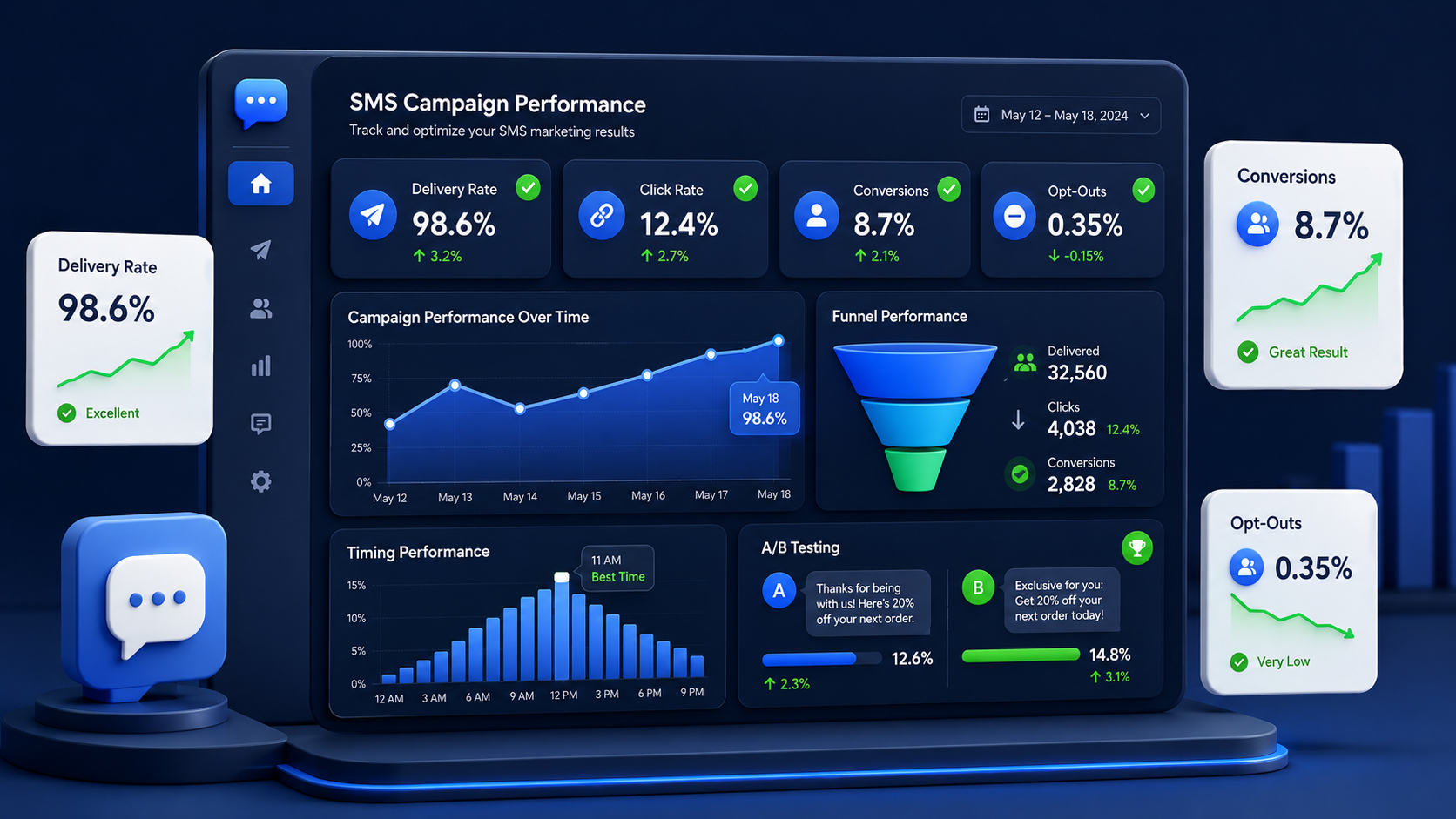
SMS marketing typically costs $0.02 to $0.05 per message in the U.S., plus platform and registration fees. But your real monthly cost depends on how you use it.
Some companies spend $500 and turn it into $3,000 in revenue because they target high-intent customers. Others spend $5,000 and see nothing because their list is outdated or poorly segmented. The per-message price stays the same — the outcome doesn’t.
In this guide, we’ll break down real pricing ranges, hidden fees, and budgeting examples so you can estimate your actual monthly spend and decide whether SMS marketing makes financial sense for your business.
How Much Does SMS Marketing Cost on Average?
Most U.S. businesses pay $0.02–$0.05 per SMS message. At very high volume, rates can drop to $0.01. Premium routing or guaranteed delivery may push pricing closer to $0.08–$0.10.
Typical Cost Per SMS by Country and Region
Pricing varies by region due to carrier fees and regulation.
US / Canada
$0.02–$0.05 per message. Volume discounts apply above 1M messages monthly.
UK / EU
$0.03–$0.08 per message. GDPR enforcement and carrier routing increase compliance costs.
Australia / Asia
- Australia: $0.02–$0.06
- Singapore: $0.03–$0.08
- India: $0.005–$0.03
Why Per-Message Price Alone Is Misleading
Two businesses paying $0.04 per message can have very different total costs.
Pricing changes based on message type (transactional vs promotional), volume tier, routing complexity, and platform fees. Per-message rate is the starting point — not the full budget.
What Determines the Total Cost of SMS Marketing?
Your total SMS marketing cost includes message fees, platform fees, compliance expenses, and operational overhead. The per-message rate is only one part of what you’ll actually spend each month.
Here’s how the full cost structure breaks down.
Message Fees and Volume Pricing
Message fees make up the largest portion of your budget. You pay for every SMS sent, and pricing usually decreases as volume increases.
Typical ranges look like this:
- 0–100,000 messages/month: $0.03–$0.05
- 100,000–1,000,000/month: $0.02–$0.04
- 1,000,000+/month: $0.01–$0.03
If you’re just starting, expect higher per-message rates. As volume grows, providers often offer better pricing. However, increasing volume only reduces cost if your list is engaged. Sending more messages to unresponsive contacts simply increases waste.

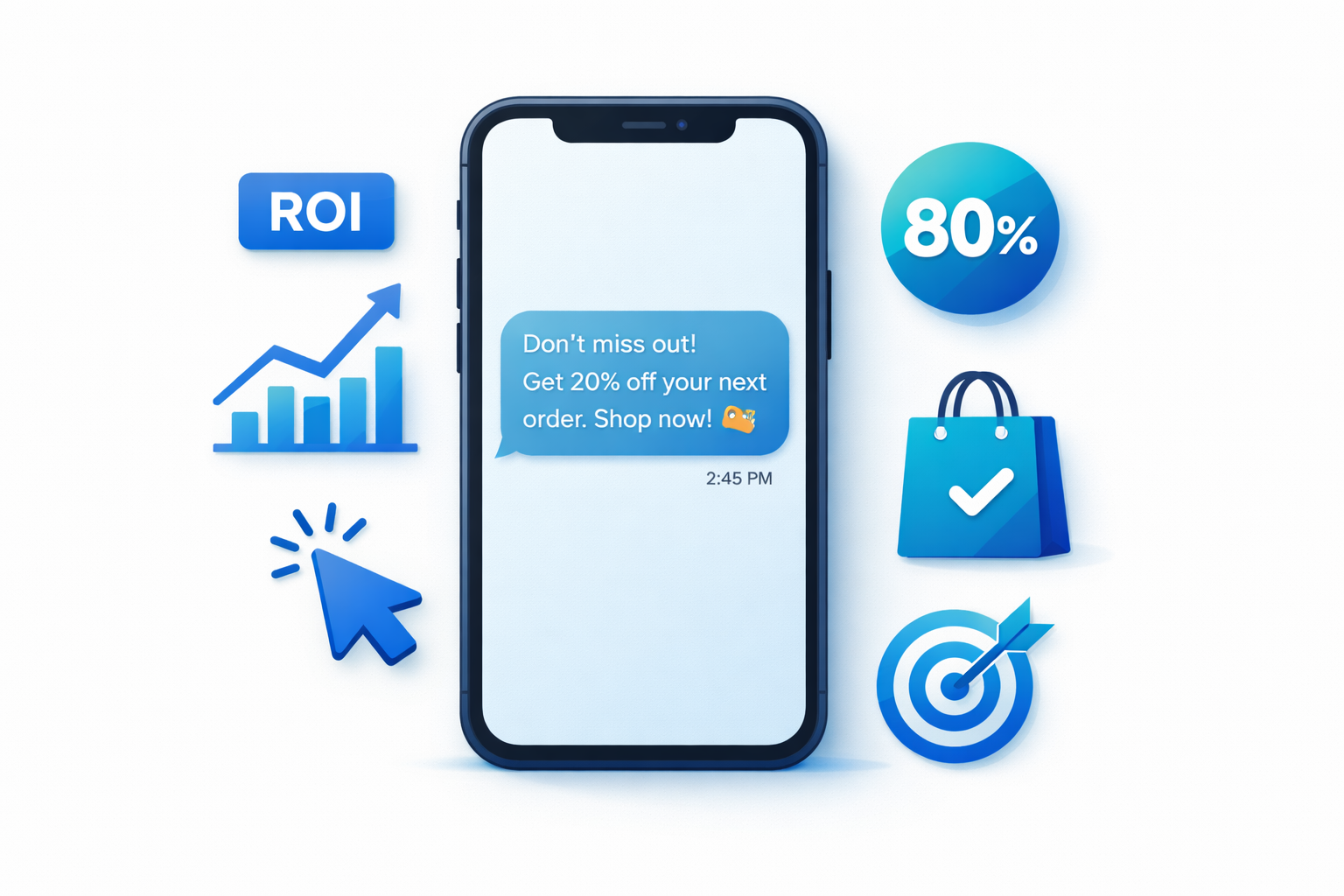
Source: Vecteezy
SMS Platform or Software Fees
Most businesses also pay a monthly software fee.
Basic plans often range from $99–$299 per month and include dashboards, reporting, and API access. Mid-tier plans ($300–$1,000+) typically add automation and segmentation tools. Enterprise setups may exceed $3,000 monthly.
Some providers bundle platform access into per-message pricing, while others charge separately. Always compare total monthly cost rather than focusing on the advertised message rate.
Compliance, Registration, and Carrier Fees
Compliance costs vary depending on setup and industry.
In the U.S., a dedicated short code can cost $500–$2,000 upfront plus $1,000+ monthly. Ten-digit long codes are cheaper ($1–$5 per number monthly) but may have throughput limits.
Carrier registration, brand verification, or regulated industry reviews can add $100–$2,000 depending on complexity.
These are not per-message costs, but they directly impact your real monthly budget.
Hidden Costs Businesses Often Miss
Hidden costs affect efficiency more than pricing pages suggest.
- Invalid Numbers: If 5% of a 100,000-message campaign fails, that’s 5,000 paid sends wasted.
- Opt-Out Rates: Over-sending shrinks your reachable audience, increasing acquisition pressure elsewhere.
- Internal Time: Campaign setup, segmentation, testing, and reporting require staff hours that factor into ROI.
How Much Does SMS Marketing Cost for Different Use Cases?
SMS costs vary significantly depending on how you use it. A transactional infrastructure setup looks very different from a promotional campaign budget.

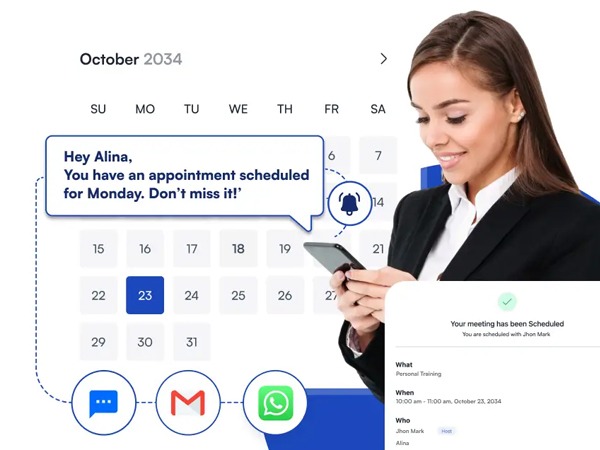
Source: Vecteezy
Let’s break it down by common business use cases.
Transactional SMS (OTP, Alerts, Notifications)
Transactional SMS typically costs $0.01–$0.03 per message and often runs at high volume. These messages include order confirmations, shipping updates, and OTP SMS verification codes triggered by secure logins or payment actions. Because these messages are system-driven, carriers often classify them differently from promotional campaigns.
For example, if your e-commerce store processes 10,000 orders per month and each order triggers 2–3 texts (confirmation + shipping + delivery), you’re sending 20,000–30,000 messages monthly.
At $0.015 per message, that’s $300–$450 in message fees. Add a $100 platform fee, and your total monthly cost lands around $400–$550.
Transactional SMS feels more like infrastructure than marketing. The volume is high, but the cost per message is lower and predictable.
Promotional and Marketing SMS
Promotional SMS usually costs $0.03–$0.06 per message, and total spend depends heavily on list size and frequency.
These include flash sales, limited-time offers, loyalty promotions, and seasonal campaigns.
Imagine you have 50,000 opted-in subscribers and send 2 campaigns per week. That’s 100,000 messages per month.
At $0.04 per message, you’re spending $4,000 in message fees. Add a $300 software plan and registration costs, and your monthly total might reach $4,500.
Promotional SMS is more sensitive to frequency. Send too often and opt-outs increase. Send too rarely and revenue opportunity drops.
This is where segmentation makes or breaks profitability.
Customer Support and Service Updates
Customer support SMS usually costs $0.02–$0.04 per message and varies based on interaction volume.
Two-way conversations drive the cost here. If customers reply with questions, each back-and-forth message adds to your bill.
For a SaaS company with 5,000 active customers averaging 10 support messages per customer monthly, that’s 50,000 messages.
At $0.025 per message, you’re spending about $1,250 on messaging. Add a more advanced platform with two-way capability at $500 per month, and total cost may reach $1,750.
Support SMS improves response time and reduces phone call volume — which can offset labor costs.
B2B Sales and Lead Follow-Ups
B2B sales SMS usually costs $0.04–$0.08 per message, but overall monthly spend is often low due to limited volume.
These messages target high-value prospects — demo reminders, proposal updates, closing follow-ups.
If you have 500 active opportunities and send 5 messages during the sales cycle, that’s 2,500 messages monthly.
At $0.06 per message, your message cost is $150. Add a $200 platform fee, and total monthly cost sits around $350.
In B2B, the goal isn’t scale. It’s response rate and deal velocity. A single closed contract often covers months of SMS costs.
Is SMS Marketing Expensive Compared to Other Channels?
SMS costs more per message than email or push notifications. However, cost per message is not the same as cost per result.
Here’s a simplified comparison:
| Channel | Typical Cost Per Message | Typical CTR Range | Access Requirement |
| SMS | $0.02–$0.05 | 5–15% | Phone number |
| $0.001–$0.01 | 2–5% | Email address | |
| $0.005–$0.03 | 8–20% | App opt-in | |
| Push Notifications | $0.001–$0.01 | 1–3% | Mobile app installed |
NOTE: Engagement ranges vary by industry and audience quality.
SMS vs Email Marketing Costs
Email is significantly cheaper per send. A 100,000-email campaign may cost a few hundred dollars, while 100,000 SMS could cost $3,000–$5,000.
But SMS messages typically see higher open and click rates because they appear directly in a user’s primary inbox. Email inboxes are more crowded and often filtered.
Email works well for newsletters and long-form content. SMS works better for urgent reminders, limited-time offers, and transactional updates. Many businesses use both.
SMS vs WhatsApp and Push Notifications
WhatsApp can be less expensive but requires users to opt in to the app. Adoption varies by region. Push notifications are low cost but only reach customers who installed your app and enabled alerts.
SMS offers broader reach because it works on nearly any mobile phone.
How Much Should You Budget for SMS Marketing?
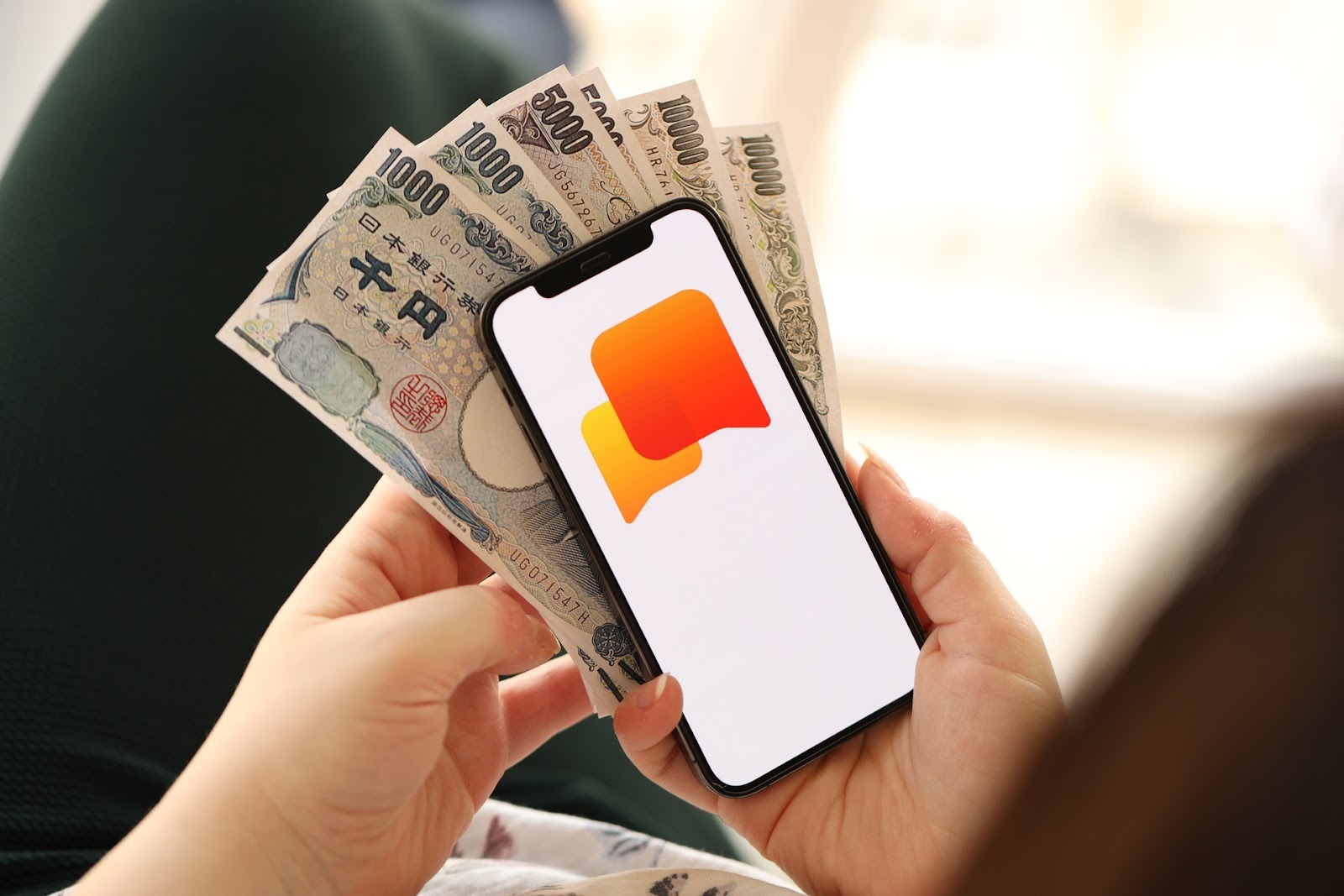
Most businesses start between $500 and $2,000 per month, then scale based on results. Your ideal budget depends on message volume, campaign frequency, and how directly SMS ties to revenue.
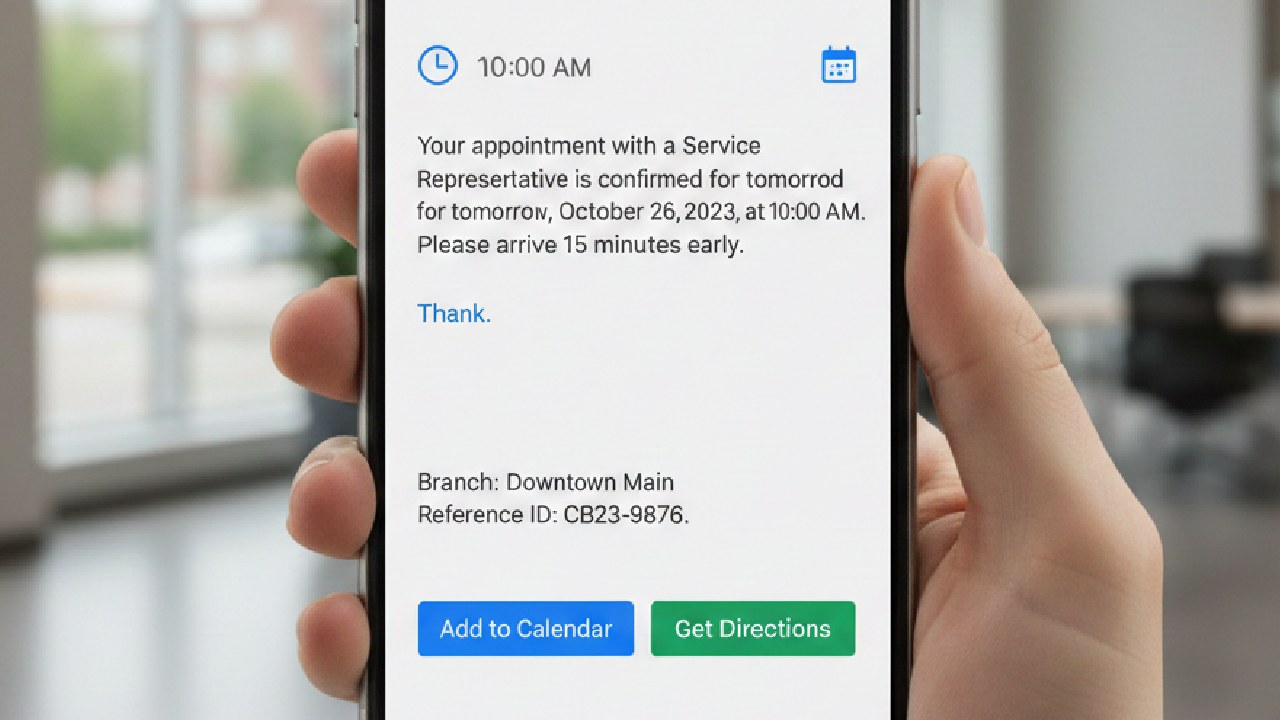
Source: Vecteezy
Here’s how budgeting typically looks at different stages.
Small Businesses and Early Testing Budgets
If you’re testing SMS for the first time, start conservatively.
A monthly budget of $500–$1,000 usually covers:
- A basic platform plan ($100–$300/month)
- 10,000–20,000 messages at $0.03–$0.05 per message
This level gives you enough volume to test segmentation, measure response rates, and calculate ROI without overcommitting.
The goal at this stage isn’t scale. It’s proof.
Track:
- Click-through rate
- Conversion rate
- Revenue per campaign
If your campaigns break even or generate profit within 60–90 days, you can increase volume confidently.
Growing B2B Teams and Ongoing Campaigns
If SMS becomes part of your regular marketing or sales process, budget typically rises to $2,000–$10,000 per month.
At this level, you may be sending:
- 50,000–200,000 messages monthly
- Automated flows (cart recovery, re-engagement, reminders)
- Segmented campaigns for different audience groups
Your budget should account for:
- Higher message volume
- Mid-tier platform plans ($300–$1,000/month)
- Ongoing testing and optimization
This is where SMS shifts from “experiment” to “revenue channel.”
High-Volume or API-Based SMS Programs
If you operate at scale — millions of messages per month — budgets often exceed $10,000 monthly and can reach $100,000+ depending on volume.
These programs usually involve:
- API integration into product or backend systems
- Dedicated support or enterprise infrastructure
- Compliance management at scale
Message rates are typically lower at this level due to volume discounts. However, operational complexity increases.
At enterprise scale, forecasting matters more than per-message savings.
How to Reduce SMS Marketing Costs Without Killing Performance?
You can reduce SMS costs by improving list quality, tightening targeting, and choosing the right pricing model. The goal isn’t to send fewer messages — it’s to avoid wasted spend.
Improve List Quality and Opt-In Practices
Invalid numbers waste budget. If 5% of a 100,000-message campaign fails, that’s 5,000 paid messages that never reach anyone. At $0.04 each, that’s $200 lost instantly.
Regularly remove inactive subscribers, verify new opt-ins, and monitor bounce rates. A clean list of 10,000 engaged users often outperforms a bloated list of 50,000.
Send Fewer, More Relevant Messages
Volume alone doesn’t drive revenue. If you send four broad campaigns weekly to 50,000 subscribers, that’s 200,000 messages per month. Cut that in half with tighter segmentation, and you immediately reduce costs.
Focus on behavior-based targeting: recent buyers, cart abandoners, and repeat customers. Better targeting lowers total spend while maintaining conversion rates.
Choose Pricing Models That Match Your Usage
If you send consistently high volume, a monthly plan with discounted per-message pricing often saves money. If your sends are occasional or seasonal, pay-as-you-go may work better.
Compare full pricing structures, not just per-message rates.
Is SMS Marketing Worth the Cost for Your Business?
SMS is worth the cost if you have time-sensitive actions, measurable outcomes, and a clear compliance framework.
First, ask whether speed matters. If your business relies on cart recovery, appointment reminders, limited-time offers, or sales follow-ups, SMS delivers immediate visibility.
Second, confirm that results can be tracked. If you can measure clicks, conversions, and revenue per campaign, you can control ROI.
Finally, make sure you have proper opt-in consent and compliance processes in place.
If all three conditions apply, SMS is likely a profitable channel. If not, start with lower-cost channels first.
Closing Thoughts
SMS marketing isn’t the cheapest channel, but it’s often one of the fastest when timing matters. The real cost depends less on the per-message rate and more on how efficiently you use it.
If you have a clear use case, measurable goals, and proper compliance in place, SMS can become a predictable revenue driver rather than a fixed expense.
Start small. Track results. Scale only when the numbers justify it.
If you want to test the channel with flexible pricing and no long-term commitments, platforms like SMS Boosting allow you to launch, measure performance, and grow at your own pace.
FAQs
What’s the cheapest SMS marketing provider?
Most reputable providers charge within a similar range — typically $0.02–$0.05 per message in the U.S. The “cheapest” option isn’t always the lowest per-message rate. Some platforms bundle software fees into pricing, while others charge separately. To compare fairly, calculate total monthly cost: message fees, platform subscription, and any compliance charges.
Can I send SMS for free?
No, not for legitimate marketing use. SMS delivery requires carrier routing, which involves real costs. Some platforms offer limited free trials (for example, 100–500 messages), but ongoing campaigns always require payment. Be cautious of services claiming “free SMS,” as they may include ads, data restrictions, or hidden limitations.
How do I calculate if SMS ROI is positive?
Calculate SMS ROI by dividing revenue generated by total SMS cost. For example, if a campaign produces $8,000 in revenue and costs $2,000 (including platform and message fees), your ROI is 4:1. Track revenue, not just clicks, to evaluate performance accurately. Review results monthly before increasing budget.