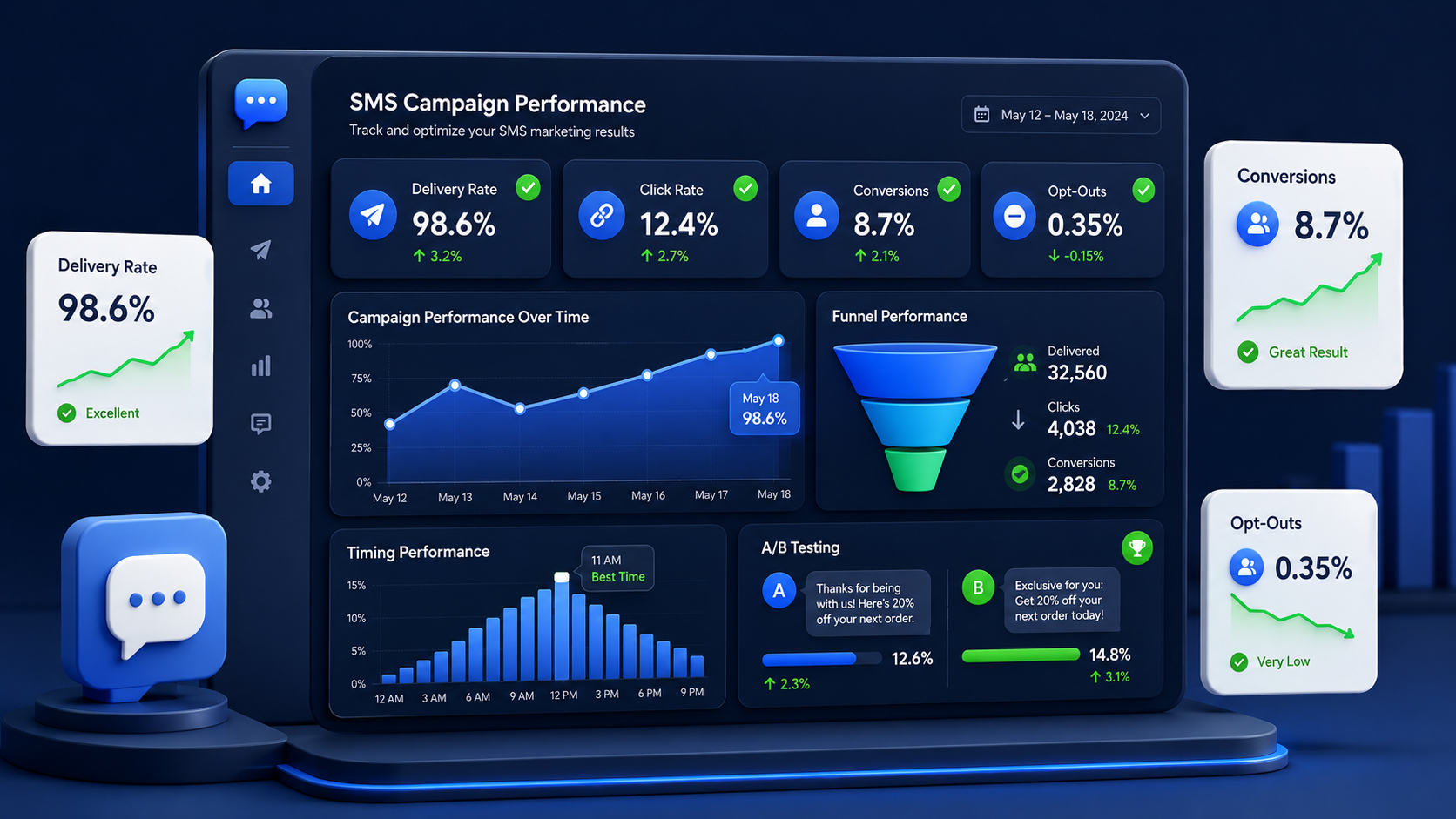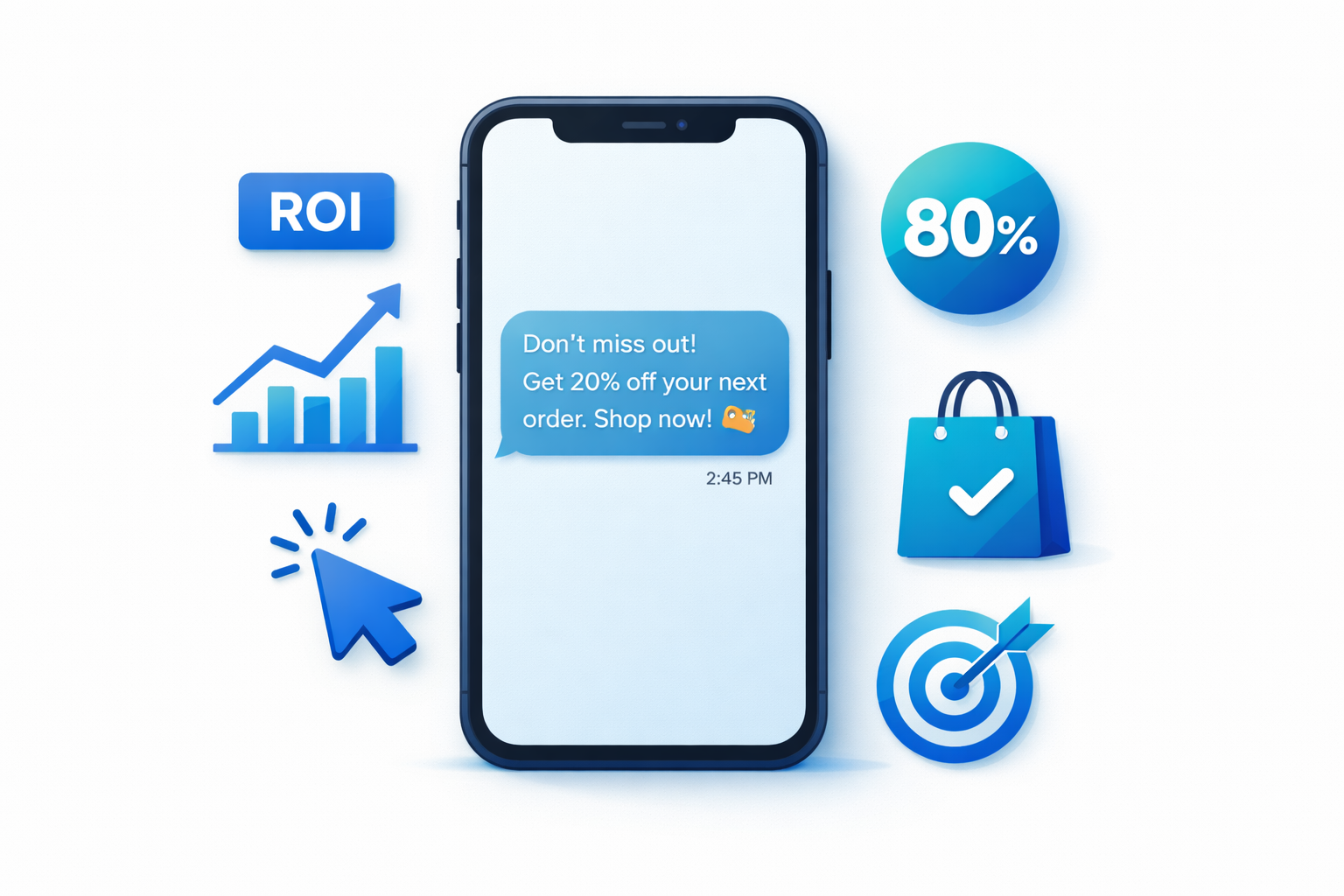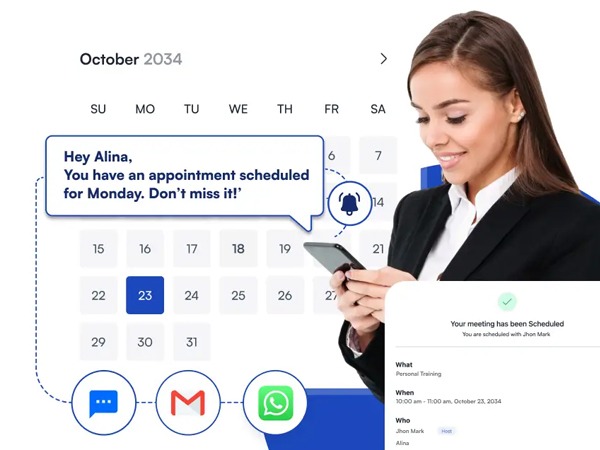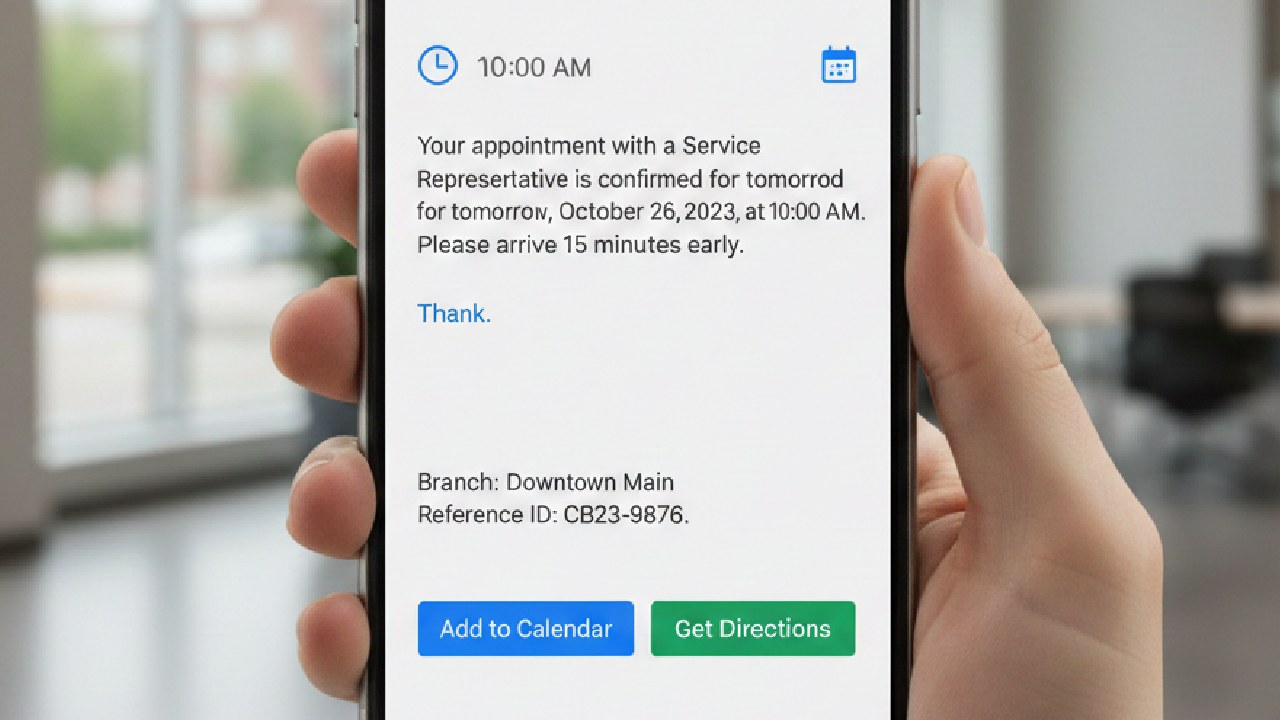
Getting bulk SMS service for your business isn’t as simple as opening an account and sending messages. In most cases, you’ll need business verification, sender registration, and compliance approval before you can send at scale.
Many businesses run into trouble because they treat SMS like email. Carriers don’t. If your setup is incomplete, messages may be filtered, blocked, or never delivered at all.
This guide shows you how to get bulk SMS the right way—from choosing the right type of provider, to getting approved faster, setting up the correct sender, and launching without damaging delivery rates from day one.

Source: FreePik
What Is Bulk SMS and Who Actually Needs It?
Bulk SMS refers to automated, business-driven text messaging sent through a platform or API rather than manual one-to-one texting from a phone. Messages are usually similar in content and sent as part of a defined program.
What counts as “bulk SMS” in real business use
There’s no single volume threshold. In practice, carriers classify traffic as bulk SMS when messaging is:
- Automated or scheduled
- Sent to multiple recipients with similar content
- Delivered from a registered business sender (10DLC, toll-free, short code, or sender ID)
- Used for marketing, notifications, alerts, or authentication
Even low daily volumes can be treated as bulk if the traffic is automated and commercial.
Who actually needs a bulk SMS service

Source: Unsplash
You likely need a bulk SMS platform if:
- You send promotions, reminders, or updates to many customers through SMS marketing
- Messages are triggered by events like orders, bookings, or logins
- You need delivery reports, opt-out handling, or compliance records
If texting is part of a system or workflow—not just occasional replies—a bulk SMS service is required.
What Are the Main Ways to Get a Bulk SMS Service?
There are four common ways to access bulk SMS. The right option depends on geography, technical resources, and how SMS fits into your operations.
i) Using a local bulk SMS provider
Best for: Single-country businesses wanting a guided setup.
This option works well if:
- Most of your messages stay within one country
- You prefer a web dashboard over building API workflows
- You want hands-on support for registration and compliance
ii) Using an international SMS API platform
Best for: Apps, SaaS products, and automated workflows.
API-based platforms let you send SMS programmatically through REST APIs, webhooks, and system triggers. This is ideal when SMS is part of a larger workflow, such as order updates, account alerts, or login verification.
This option makes sense if:
- You need CRM, app, or system integration
- Messages are event-driven rather than manual campaigns
- You send messages to multiple countries
iii) Working with SMS aggregators or wholesale routes
Best for: High-volume senders focused on cost efficiency.
This option fits when:
- Message volume is very high and predictable
- You have a technical team to manage routing and delivery issues
- Cost per message matters more than platform convenience
iv) Using white-label or reseller bulk SMS solutions
Best for: Agencies or SaaS businesses that want to offer SMS under their own brand.
White-label platforms allow you to resell SMS services using your branding, domain, and pricing model, while another provider handles the actual delivery infrastructure.
This approach is common when:
- SMS is part of a service offering to clients
- You want to control billing and customer relationships
- You don’t want to build carrier integrations yourself
Bulk SMS Provider Options: Quick Comparison
| Option | Best For | Technical Level | Geographic Coverage | Setup Speed | Typical Cost | Main Trade-Off |
| Local Bulk SMS Provider | Single-country businesses | Low | One country / region | Fast | Medium | Limited international reach |
| International SMS API Platform | Apps, SaaS, automation workflows | Medium–High | Global | Medium | Medium–High | Requires technical setup |
| SMS Aggregator / Wholesale Route | Very high-volume senders | High | Global | Slow | Low (at scale) | Minimum volumes, limited support |
| White-Label / Reseller Solution | Agencies, SaaS selling SMS | Medium | Depends on upstream provider | Medium | Variable | Margin depends on pricing strategy |
How to Get Bulk SMS Service Approved
Bulk SMS approval isn’t a formality. Providers review your business, use case, and sender setup to determine whether your traffic is legitimate and compliant.
Business information providers usually require
Every bulk SMS provider requires proof that your business is real and operational.
At a minimum, expect to submit:
- Legal business registration or incorporation details
- Verified business address and website
- Identification for account owners or authorized users
Incomplete or inconsistent information often triggers manual review or rejection. Approval is faster when business details are clear and verifiable.
Use case and traffic expectations
Providers need to understand exactly how SMS will be used, not just that you plan to send messages.
You should be ready to explain:
- Message type (marketing, transactional, alerts, OTP)
- Who receives messages and how they opted in
- Expected sending frequency and monthly volume
Vague descriptions like “notifications and promotions” frequently lead to follow-up reviews or denial.
Rejected vs. Approved: a quick comparison
| Application Type | What Was Submitted | Outcome |
| Rejected | Generic use case, no opt-in explanation, large volume request | Delayed or denied |
| Approved | Clear message categories, opt-in flow explained, realistic volume estimate | Approved quickly |
Approval favors clarity and transparency, not aggressive volume projections.
Sender ID, phone numbers, and registration requirements
Approval also depends on how your messages appear to recipients.
Providers verify:
- Sender type
- Required registrations
- Alignment between sender, content, and declared use case
In the US, businesses using standard 10-digit phone numbers must complete A2P 10DLC registration before reliable delivery is possible. Unregistered or mismatched senders are commonly filtered, even if the account itself is approved.
How to Choose the Right Bulk SMS Service Provider
Choosing a bulk SMS provider is a long-term decision. Once senders are registered and traffic is live, switching platforms becomes costly and disruptive.

Source: Unsplash
Deliverability and carrier routing
Deliverability matters more than price. Providers with strong carrier routing consistently outperform cheaper platforms using low-quality aggregation.
When evaluating deliverability, focus on:
- Direct or preferred carrier connections
- Stable delivery performance in your target countries
- Transparent delivery reporting rather than vague success claims
If a provider cannot clearly explain how messages reach carriers, delivery quality is often inconsistent.
Compliance and messaging regulations
Compliance failures quickly damage sender trust. Providers should support:
- Consent and opt-in requirements
- Automated opt-out handling
- Sender and campaign registration processes
If compliance is treated as “your problem,” issues are likely later.
Scalability and traffic stability
Bulk SMS should scale with your business without forcing a platform change.
Before committing, confirm:
- How sending limits are applied as volume grows
- Whether scaling requires new sender registration or re-approval
- How traffic spikes are handled during promotions or seasonal demand
Scalability issues rarely show up in early testing. Choosing a platform with proven traffic stability prevents forced migrations when volume increases.
Support and account management
Choose a platform that matches how you plan to send messages.
You may need:
- A dashboard for manual campaigns
- APIs for system-triggered messaging
- CRM or automation integrations
Avoid paying for complexity you won’t use, but ensure the platform won’t restrict you once SMS becomes operationally important.
Step-by-Step: How to Get Started With a Bulk SMS Service
Source: Unsplash
Follow this sequence to avoid early problems.
Step 1: Define your SMS use case
- List message types (marketing, transactional, alerts, OTP)
- Identify who receives them
- Estimate monthly volume and send frequency
Step 2: Select a provider that fits your use case
- Confirm country coverage and sender support
- Choose dashboard, API, or integration-based sending
- Verify compliance support for your markets
Step 3: Submit business verification and use case details
- Provide legal business information
- Describe opt-in and opt-out handling
- Submit sample messages
Step 4: Register your sender (numbers or sender ID)
- Complete A2P 10DLC (US long codes), if applicable
- Verify toll-free numbers or apply for short codes
- Wait for sender approval before scheduling launches
Step 5: Import contacts or connect your data source
- Upload only opted-in numbers
- Remove duplicates and invalid contacts
- Separate marketing and transactional lists
Step 6: Send initial messages using a controlled approach
- Test delivery across major carriers
- Confirm links, branding, and opt-out keywords
- Start with a small audience segment
Step 7: Warm up volume and monitor performance
- Increase volume gradually over 2–4 weeks
- Track delivery rates and opt-outs
- Pause scaling if issues appear
How to Get Bulk SMS Service Without Getting Blocked?
Bulk SMS blocks are rarely random. In most cases, they are triggered by early signals that make your traffic look risky or inconsistent. New senders are watched closely, and small mistakes compound quickly before trust is established.
Why new bulk SMS accounts get blocked easily
New senders start with no reputation. Until proven otherwise, carriers treat all new traffic as potentially risky.
The most common triggers include:
- Sudden jumps in sending volume
- Inconsistent or improvised sending patterns
- Incomplete sender registration
Launching with high volume or changing behavior frequently in the first few weeks often leads to filtering or manual review, even when the business is legitimate. Gradual, predictable sending is the safest path to building trust.
Content patterns that trigger carrier filters
Carriers actively scan message content for spam-like signals.
High-risk patterns include:
- Excessive capitalization or punctuation
- Overused urgency language (“limited time,” “act now”)
- Generic shortened links that hide the destination
- Messages without clear brand identification
Case study: blocked vs. compliant messaging
High-risk message:
“🔥 BIG SALE!!! Click here: bit.ly/xxxx FREE shipping TODAY ONLY!!!”
Compliant message:
“Acme Tools: 15% off orders this week. Shop at acmetools.com/deals. Reply STOP to opt out.”
Clear branding, simple language, and consistent formatting significantly reduce filtering risk.
List quality and consent issues
List quality has a direct impact on sender reputation, especially for sensitive use cases like SMS payment notifications.
Common causes of blocking include:
- Purchased or scraped phone lists
- Missing or unclear opt-in records
- Old contacts who no longer recognize your brand
High opt-out rates and spam complaints signal unwanted messaging. Once reputation is damaged, recovery is slow and sometimes impossible. Clean lists and documented consent are essential for long-term delivery.
Common Mistakes Businesses Make When Getting Bulk SMS
Most bulk SMS failures don’t come from bad intent. They come from early decisions that seem reasonable but create problems once traffic goes live.
Choosing providers based on price only
Low per-message pricing often hides poor delivery quality.
Cheaper providers may rely on unstable routes or long aggregation chains, resulting in low delivery rates. Messages that never reach recipients still cost money and damage campaign performance. In practice, consistent delivery matters far more than the lowest advertised rate.
Sending marketing SMS on transactional routes
Transactional routes are designed for expected messages like order confirmations or alerts.
Sending promotional content through these routes—even lightly—often leads to filtering, account reviews, or permanent sender suspension. Carriers enforce strict separation to protect transactional traffic integrity.
Scaling too fast without warm-up
Rapid volume increases are a common red flag.
Jumping from low or zero volume to large daily sends often triggers filtering or review, especially for new senders. Without a gradual warm-up period, sender reputation can be damaged before it’s established.
Ignoring country-specific rules
SMS regulations vary by country.
Differences in consent standards, sending hours, and registration requirements mean that a compliant setup in one market may violate rules in another. Assuming global rules are the same often leads to blocked messages or compliance issues.
Final Thoughts
Getting bulk SMS service right isn’t about speed—it’s about structure. Businesses that succeed with SMS take time to set up approval correctly, choose providers based on deliverability and compliance, and scale traffic gradually instead of rushing volume. Most delivery problems and account blocks come from shortcuts taken early on.
If you want bulk SMS to be a reliable, long-term channel, treat it as infrastructure, not a one-off campaign. Define your use case clearly, register senders properly, and monitor performance from day one.
If you need a provider that emphasizes delivery quality, compliance support, and stable routing, SMS Boosting is built for businesses that want to scale SMS the right way.