Choosing between SMS and MMS isn’t about picking a “better” format. It’s about using the right one for your goal, budget, and audience.
SMS delivers short text messages to virtually every phone. MMS adds images, videos, and rich media—but only to devices that can support it. Each has clear strengths, and each can backfire if used in the wrong situation.
In this guide, we’ll break down the real differences between SMS and MMS, including costs, delivery limits, engagement impact, and when each format actually works. By the end, you’ll know which one fits your campaign—or when using both makes more sense.
What Is the Difference Between SMS and MMS?
SMS and MMS serve the same core purpose, direct communication with customers on their phones, but they deliver fundamentally different experiences.
What Is SMS (Short Message Service)?
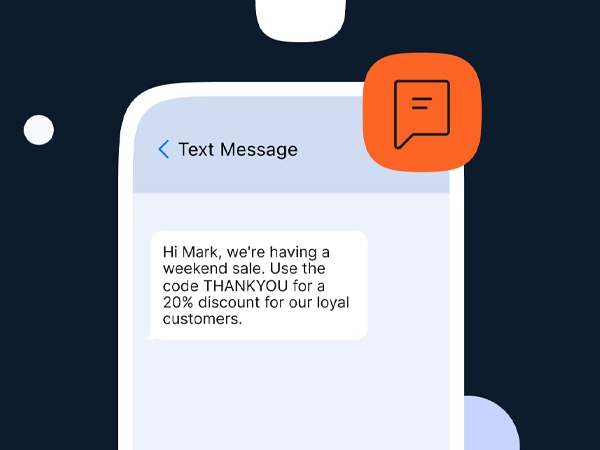
SMS is text-only messaging with a 160-character limit per message. It’s the oldest mobile messaging standard, launched in 1992, and it works on every mobile device ever made.
When you send SMS marketing messages, you’re working within tight constraints. No images. No videos. No clickable buttons. Just words, numbers, and basic punctuation.
That simplicity is also SMS’s greatest strength. Messages arrive instantly, display on any phone from a 2005 flip phone to the latest iPhone, and require no data connection. Recipients see your message in their default messaging app without downloading anything.
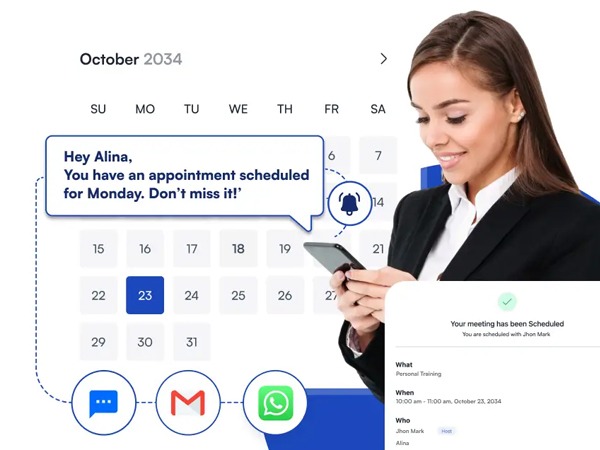
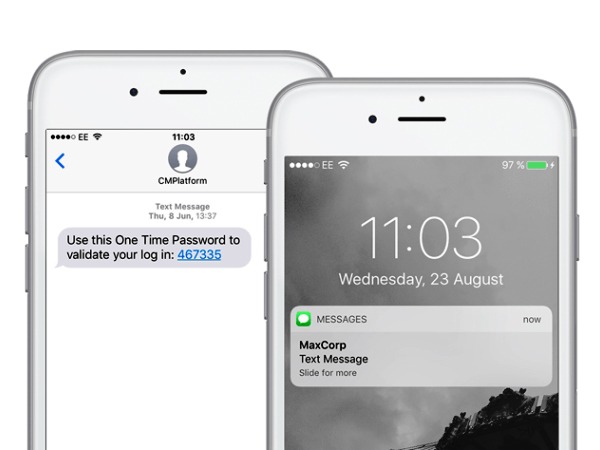
SMS marketing has proven effectiveness for time-sensitive alerts, appointment reminders, order confirmations, and verification codes. The format forces clarity. You can’t hide weak offers behind flashy graphics.
What Is MMS (Multimedia Messaging Service)?

Source: Designed by Freepik
MMS extends text messaging to include images, videos, audio files, GIFs, and longer text (up to 1,600 characters). Think of it as SMS’s visually capable younger sibling.
With MMS, you can send product photos, video demos, promotional graphics, QR codes, and branded content. The format supports JPEG, GIF, PNG images up to 1MB, and video clips up to 30 seconds.
MMS requires a data connection or WiFi to send and receive. It works only on smartphones with MMS capability enabled, which excludes older devices and some budget phones still in use globally.
The format excels when your marketing message needs visual proof. Real estate listings, restaurant specials, fashion promotions, and event invitations all benefit from MMS’s multimedia capabilities.
How Do SMS and MMS Differ in Features That Matter for Marketing?
SMS reaches everyone, while MMS reaches smartphone users with richer content.
| What Matters for Marketing | SMS | MMS |
| Reach & Compatibility | Works on virtually every phone | Limited to smartphones with MMS enabled |
| Speed of Delivery | Delivers almost instantly | Slower due to media processing |
| Visual Impact | Text-only | Images, video, and rich media |
| Call-to-Action Style | Short links and codes | Visual CTAs and embedded media |
| Cost Efficiency | Lower cost per message | Higher cost, higher engagement potential |
| Best Use Case | Time-sensitive and transactional | Product-driven and brand campaigns |
Character limits create the first major divide. SMS caps at 160 characters per message segment. Go beyond that, and carriers split your message into multiple parts, each billed separately. MMS allows 1,600 characters plus multimedia, giving you room to tell complete stories.
Delivery speed favors SMS. Text-only messages transmit faster because they’re smaller. MMS messages take longer to deliver because images and videos require more processing time. In time-critical situations like flash sales or emergency alerts, those extra seconds matter.
Device compatibility is where SMS dominates completely. Every mobile phone built in the last 30 years can receive SMS. MMS works only on smartphones with the feature enabled. According to carrier data, roughly 10-15% of mobile users still can’t receive MMS properly due to device limitations or disabled settings.
Visual impact is MMS’s territory. You can show product colors, demonstrate features, display menu items, or share event atmospheres. SMS forces customers to imagine what you’re describing, or click through to a website.
Call-to-action options differ significantly. SMS relies on shortened URLs that customers must manually click. MMS can include embedded images with visual CTAs that feel more integrated and professional.
If your list includes older devices, prepaid phones, or customers who rarely update their settings, SMS is your safety net. It guarantees the message shows up exactly as intended, without guessing who can actually see your content.
SMS vs MMS Cost: Which Is More Budget-Friendly?
SMS costs less, usually 3 to 10 times less, but that doesn’t automatically make it the better financial choice.
Standard SMS pricing ranges from $0.01 to $0.05 per message depending on volume. SMS payment systems and marketing platforms typically charge at the lower end for high-volume senders. Small businesses or first-time campaigns pay premium rates.
MMS messages cost between $0.03 and $0.15 per send. The price varies based on file size, carrier requirements, and your service provider. Larger images or longer videos push costs toward the higher end.
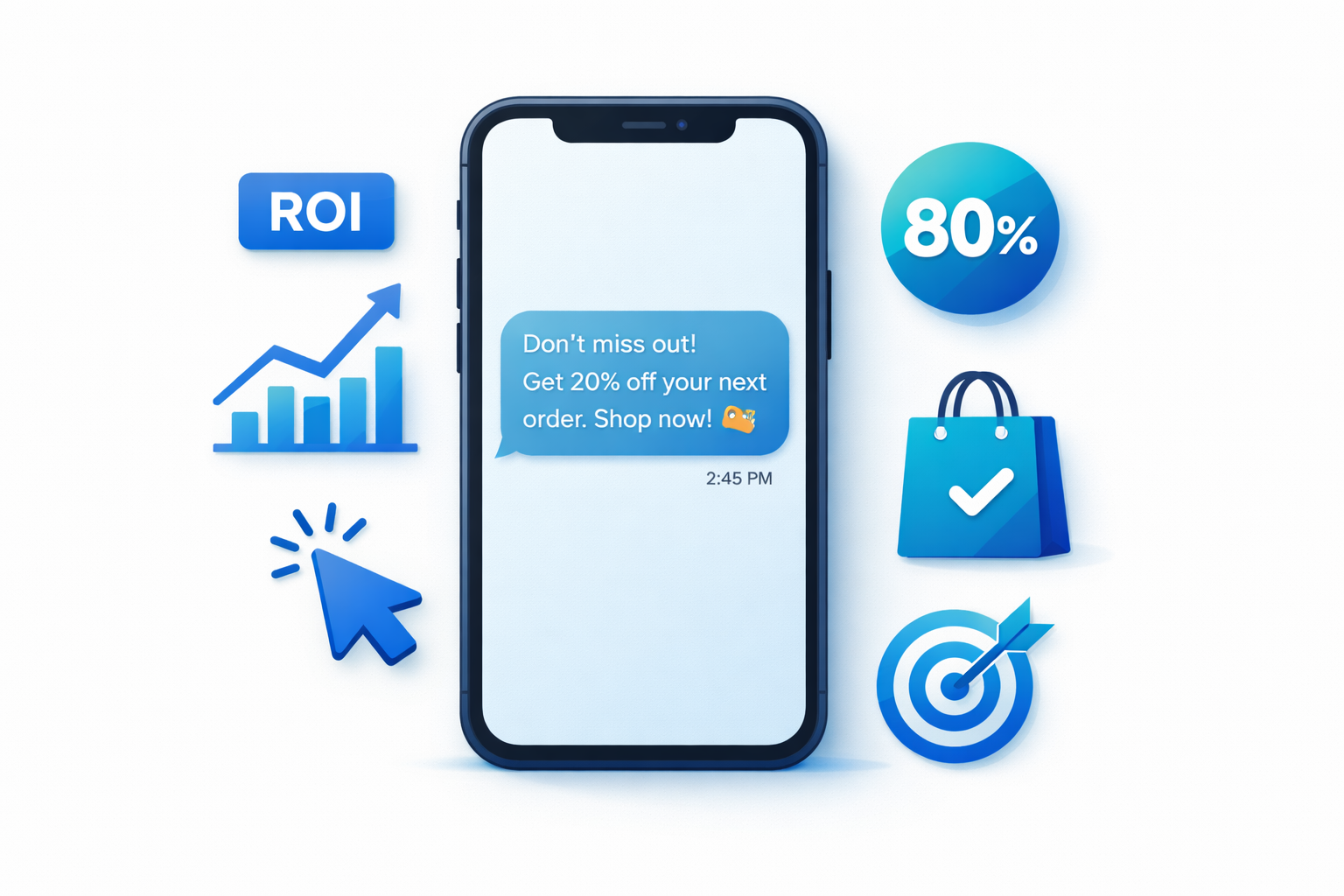
Here’s what matters: ROI, not just per-message cost. If your MMS message drives twice the conversion rate of SMS, you’re actually saving money despite higher send costs.
Budget calculation mistakes kill campaigns. Many marketers calculate costs based on their entire list, then discover that 15% of recipients can’t receive MMS at all. Those failed sends still cost money. Factor in a 10-20% waste rate for MMS campaigns targeting mixed audiences.
Volume discounts exist for both formats. Platforms likeSMS Boosting offer tiered pricing that drops per-message costs as you scale. At 100,000+ messages monthly, the cost gap between SMS and MMS narrows significantly.
Which Delivers Better Engagement for Marketing Campaigns?
MMS typically generates higher engagement rates, but SMS outperforms it in specific scenarios that marketers often overlook.
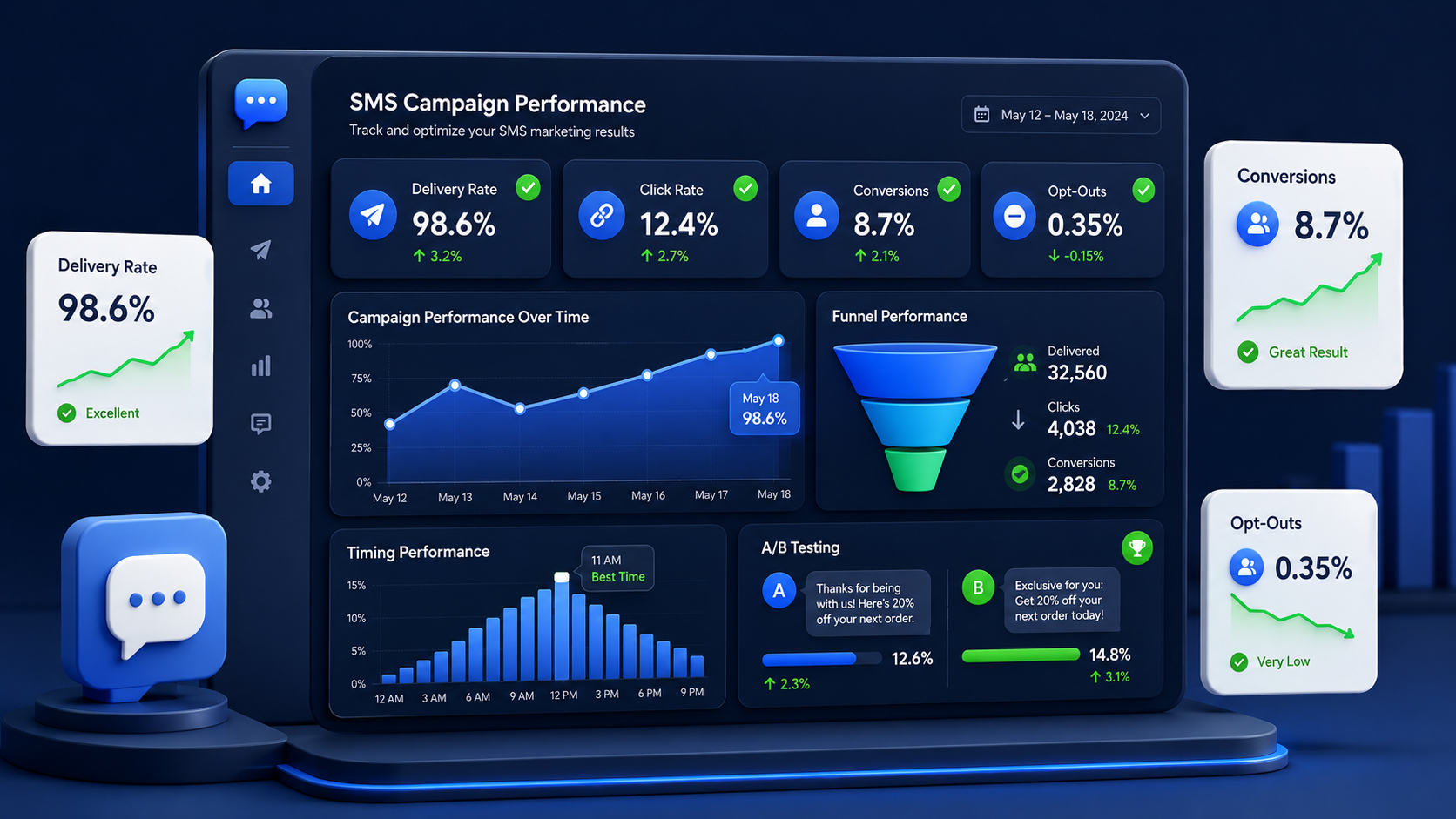
Industry averages show MMS click-through rates between 15-25%, compared to SMS rates of 8-12%. The visual element drives that difference. People respond to images faster than text-only messages.
But those averages mask critical context. SMS crushes MMS for transactional messages. Shipping notifications, appointment reminders, and verification codes work better as simple text. Adding an image to an order confirmation doesn’t increase engagement, it slows down delivery and adds unnecessary cost.
SMS also wins when your audience skews older or lower-income. These demographics are more likely to use basic phones or have MMS disabled. Your beautiful product image doesn’t boost engagement if it never displays.
Time-sensitive promotions favor SMS. A flash sale that ends in 2 hours needs immediate delivery and instant readability. MMS’s longer load times cost you conversions when seconds matter.
MMS excels when your product is visual or unfamiliar. Restaurant promotions with food photos consistently outperform text descriptions. Real estate listings with property images get more responses than address-only texts.
The engagement winner depends entirely on your specific campaign context, not universal rules about which format is “better.”
When Is SMS the Better Choice for Marketing Campaigns?
SMS is the right choice for immediate action, universal reach, or transactional messaging.
Time-critical promotions need SMS. Flash sales, limited inventory alerts, and same-day appointment availability all require instant delivery and immediate readability. Your customer needs to read and act in seconds, not wait for images to load.
Older or mixed-age audiences respond better to SMS. If you’re targeting customers over 55 or serving markets where smartphone adoption lags, SMS guarantees your message gets through. No compatibility issues. No failed deliveries due to disabled MMS features.
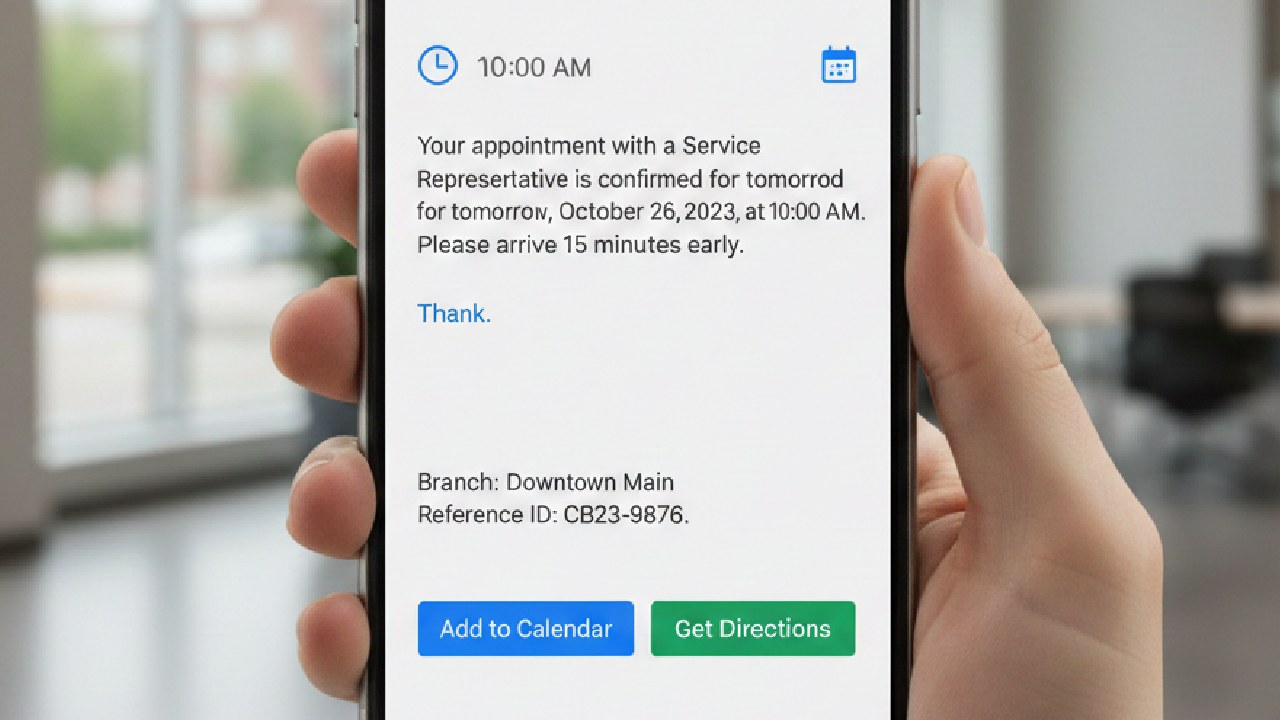
Transactional updates belong in SMS format. Order confirmations, shipping notifications, payment reminders, and appointment confirmations work better as clean, scannable text. Adding graphics creates friction without adding value.
Budget-constrained campaigns stretch further with SMS. If you’re testing a new message or audience segment, SMS lets you reach more people for the same spend. Once you validate the campaign, you can upgrade profitable segments to MMS.
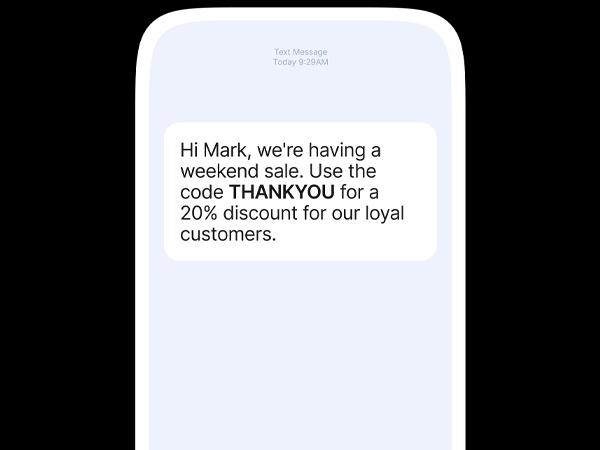
Simple, clear offers don’t need visual support. “20% off your next visit. Code: SAVE20. Valid through Friday.” That message works perfectly in SMS. Adding an image won’t increase conversions enough to justify the extra cost.
When Is MMS the Better Choice for Marketing Campaigns?
MMS is the better choice when visual proof, emotional connection, or rich information drives your conversion.
Product-focused promotions need MMS. Fashion retailers showing new arrivals, restaurants displaying daily specials, or furniture stores featuring sale items all benefit from visual confirmation. Customers want to see what they’re buying before they visit or order.
Event marketing works better with MMS. Send venue photos, performer images, or atmosphere shots that build excitement. A concert promotion with the artist’s photo outperforms a text-only announcement every time.
Complex offers that exceed 160 characters fit naturally in MMS. Loyalty program updates, multi-tier promotions, or detailed service offerings all need the expanded character limit. Splitting SMS into 3-4 segments looks unprofessional and costs nearly as much as a single MMS.
Brand-building campaigns require MMS’s visual capabilities. New location announcements, seasonal branding, or milestone celebrations all benefit from professional graphics that reinforce your visual identity.
QR code distribution demands MMS. Whether you’re driving app downloads, menu access, or contactless payment adoption, customers need a scannable code. MMS delivers it directly to their messaging app.
What Are the Limitations and Risks of MMS vs SMS?
Both formats carry specific risks that can sabotage your campaign if you don’t plan for them.
MMS compatibility issues create the biggest risk. Approximately 10-15% of mobile users can’t receive MMS due to older devices, disabled features, or carrier restrictions. Those failed messages still cost you money. Always maintain an SMS fallback for critical communications.
File size restrictions limit MMS creativity. Most carriers cap images at 1MB and videos at 30 seconds. Exceed those limits, and your message either fails to deliver or arrives heavily compressed with poor quality. Test your assets across multiple carriers before launching.
Delivery delays affect both formats differently. SMS typically delivers in 5-10 seconds. MMS can take 30-60 seconds or longer, especially on congested networks. For time-sensitive campaigns, those delays directly impact conversion rates.
Message rendering varies across devices and carriers. Your carefully designed MMS might look perfect on iPhone but display incorrectly on Android. Images might resize poorly, text might break awkwardly, or colors might shift. Test across multiple device types before sending to your full list. We’ve seen campaigns fail simply because MMS assets weren’t tested on Android devices first.
Spam filtering affects SMS more severely. Carriers increasingly filter promotional SMS that triggers spam patterns, excessive capitalization, too many links, or frequent sending to unengaged recipients. MMS often bypasses some SMS-specific filters, but visual spam still gets caught.
How Should You Choose Between SMS and MMS Based on Campaign Goals?

Source: Designed by Freepik
Match your format choice directly to your campaign’s primary goal, awareness, engagement, or conversion.
For awareness campaigns, use MMS to maximize memorability. Visual elements stick in customer minds longer than text. If your goal is simply getting your brand or offer noticed, the higher engagement and recall of MMS justifies the extra cost.
For engagement campaigns, segment your audience. Send MMS to smartphone users with high engagement history. Send SMS to everyone else. This hybrid approach optimizes both reach and response rates.
For conversion campaigns, test both formats with a small segment before committing your full budget. Track not just click-through rates, but actual conversions. Sometimes SMS’s faster delivery time converts better than MMS’s visual appeal, despite lower engagement metrics.
For retention campaigns, SMS usually wins. Existing customers already know your brand and products. They need reminders and incentives, not visual convincing. SMS’s lower cost lets you message more frequently without burning budget.
Your customer lifetime value also guides format choice. High-value customers justify MMS costs. Lower-value segments need SMS’s efficiency to maintain profitable customer acquisition costs.
Can You Combine SMS and MMS in One Marketing Strategy?
Yes, and you should, using each format for what it does best creates the most effective overall strategy.
The most effective approach is segmentation. High-value customers and known smartphone users are ideal for MMS, while SMS remains the most reliable option for transactional updates and time-sensitive offers.
Sequential campaigns also perform well. An MMS can introduce a product or promotion visually, followed by SMS reminders to drive action among non-converters.
The key is to let performance data guide your mix. Test formats, watch conversion behavior, and adjust based on timing and customer value. SMS and MMS work best as complementary tools—not competing ones.
Conclusion
Choosing between SMS and MMS isn’t about picking a winner—it’s about choosing the right tool for the job.
SMS works best when speed, reach, and reliability matter most. MMS earns its place when visuals drive interest, understanding, or trust. Used correctly, each format plays a different role in your marketing stack.
The most effective campaigns don’t guess. They segment audiences, test formats, and scale what actually converts. Start with SMS as your foundation, then layer in MMS where richer content clearly improves results.
If you’re planning an SMS or MMS campaign, the next step is simple: map your audience by device capability and engagement level, then match each segment to the format it can actually receive—and respond to.
FAQs
Will my MMS message downgrade to SMS if the recipient can’t receive multimedia?
Most carriers do NOT automatically downgrade MMS to SMS. If a recipient can’t receive MMS, the message typically fails entirely or arrives as a notification with a download link that requires data. This is why maintaining an SMS fallback strategy for critical communications is essential. Some advanced marketing platforms offer automatic fallback, but this isn’t a standard carrier feature.
Do MMS messages work internationally the same way they do domestically?
No. International MMS support is significantly less reliable than domestic sending. Many international carriers either block MMS entirely or charge prohibitively high rates. For international campaigns, SMS is almost always the safer choice unless you’ve specifically verified MMS support with your target countries’ carriers.
Can I track which format (SMS or MMS) drives better ROI without expensive analytics platforms?
Yes. Use different shortened URLs or promo codes for each format. Send SMS to half your list with code SAVE10 and MMS to the other half with code SAVE15. Track redemptions by code to see which format actually drives conversions, not just clicks. This simple method costs nothing beyond your normal platform fees and gives you concrete ROI data.
How do SMS and MMS affect opt-out rates differently?
MMS typically generates slightly lower opt-out rates (1-2%) compared to SMS (2-3%) when used appropriately, likely because visual content feels less intrusive than frequent text messages. However, poorly executed MMS, sending large files that take forever to load or irrelevant images, can spike opt-outs significantly. The format matters less than message relevance and frequency.