If your SMS unsubscribe rate keeps going up, you’re not alone. Every brand loses subscribers—but most don’t know why it’s happening. And when you don’t know the cause, it’s impossible to fix it.
In this guide, we break down the 6 real reasons consumers opt out of SMS messages and show you how to keep your list healthy, engaged, and growing. You’ll also see practical tips you can use today, whether you’re sending marketing SMS, OTP SMS, or notification messages.

Reason 1) Why Do People Opt Out When You Send Too Many Messages?
People opt out when message frequency feels overwhelming. When you send too many texts, customers feel like you’re taking over their notification bar instead of helping them.
Most users expect occasional value, not daily interruptions. So once your SMS strategy crosses that invisible line—from helpful to noisy—the opt-outs begin.

How to Create a Frequency That Doesn’t Annoy Customers?
A balanced SMS schedule focuses on timing, relevance, and user expectations:
- Start with 1–2 messages per week until you understand your audience’s tolerance.
- Increase frequency only when engagement improves (opens, clicks, conversions).
- Let subscribers choose how often they want messages. (This alone can reduce opt-outs by 20–30%.)
- Segment by behavior so heavy buyers receive more updates and low-interaction users get fewer.
- Send messages only when there is real value, not because “it’s campaign day.”
Tip: Every brand wants to drive revenue, but once customers feel spammed, you lose more than a sale—you lose the relationship.
Reason 2) Why Do Users Leave When Your Messages Lack Real Value?
Users unsubscribe when every message sounds the same or doesn’t offer a meaningful benefit. You can send ten messages a week, but unless they help the customer save time, save money, or solve a problem, none of it matters.
For example, sending the same deal over and over again or offering insignificant discounts doesn’t engage your users. As a result, your users can easily opt out if your offers don’t appear valuable.

How to Add Value to Every SMS You Send?
If you want to keep your user engaged. Then you need to provide some benefit in every message. You can do this by:
- Relevant deals (not generic 5% off promos)
- Exclusive SMS-only offers
- Short tips, helpful reminders, or quick updates
- Content based on previous activity (clicks, purchases, support conversations)
- Location-based messages for stores or events nearby
For example, instead of:
“Don’t miss our sale!”
Try:
“Your last order is back in stock—20% off for SMS members today only.”
Reason 3) Why Does Poor Timing Push Customers to Unsubscribe?
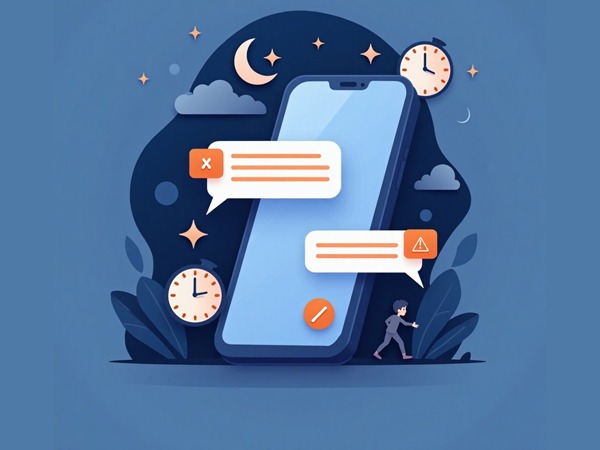
Your users get annoyed when you send messages at the wrong time, because if your content is good. Choosing the right time is important because people want updates when they are active, not when they are resting or busy.
Messages sent early in the morning also create the same problem. Your user starts their day with unnecessary alerts, and this makes them more likely to opt out. Once the timing feels inconvenient, the message feels annoying.
How to Improve SMS Timing?
Here’s what most successful brands do:
- Send during high-activity windows (usually 10am–6pm, depending on region).
- Avoid early mornings and late nights unless it’s urgent or transactional.
- Look at engagement data—every audience behaves differently.
- Respect weekends unless it’s a time-sensitive offer.
- For global audiences, set up time-zone-based scheduling.
If you want your SMS to feel helpful instead of pushy, timing matters just as much as content.
Reason 4) Why Does Lack of Personalization Increase Opt-Outs?
Customers unsubscribe when every message feels like it’s meant for “everyone else.” Personalization signals that you understand their needs—not just your goals. When users receive irrelevant products, mismatched recommendations, or generic greetings, they stop trusting your SMS list.

Simple Ways to Personalize Without Complicating Your System
You don’t need complex data to personalize messages. A few simple steps can make a user feel special:
- First name greeting
- Product recommendations based on browsing or purchase history
- Location-based offers
- Reminders tied to customer behavior (renewals, reorders, abandoned carts)
- Messages triggered by user activity
For example:
“Sarah, your travel backpack is on its way! Want matching add-ons?”
A simple line like this can turn a cold SMS into a warm conversation.
Reason 5) Why Does a Complicated Unsubscribe Process Hurt You?
When leaving your list feels difficult, customers get angry. And once frustration begins, they don’t just unsubscribe—they report your number, block it, or mark you as spam. A confusing opt-out process creates distrust. If customers feel “stuck,” they leave forever.

How to Make Opting Out Simple (and Why It Helps You)
A clear opt-out instruction protects your brand and improves list quality:
- Place “Reply STOP to unsubscribe” at the bottom of promotional messages.
- Avoid hidden links or multiple steps.
- Don’t require website logins to unsubscribe.
- Respect opt-out requests immediately (for compliance too).
Here’s the surprise:
Brands with easy opt-outs often have higher engagement. Users feel respected, so they stay longer.
Reason 6) Why Do Users Opt Out When They Didn’t Clearly Opt In?
When customers didn’t knowingly subscribe—whether accidentally or through unclear forms—they feel tricked. And nothing damages trust faster than unexpected SMS messages.
- Accidental sign-ups: Sometimes your users sign up unintentionally, such as by accidentally checking a box during checkout or carelessly filling out a form. These accidental subscriptions create frustration. Users feel like their consent wasn’t obtained, and they may unsubscribe right away.
- Misleading checkout or form practices: If your form or checkout process isn’t clear, your users can be added to your list without realizing it. Hidden checkboxes or unclear statements make them feel cheated. So misleading practices erode trust and force users to drop out.
- Why explicit opt-ins build trust: When your users explicitly opt in, they know what to expect. Transparent consent gives them a sense of control and trust. The right opt-in helps you build loyal customers because they voluntarily subscribe. Also, they engage more with your messages and see value in your content.
How to Reduce SMS Opt-Outs Overall
Here’s a simple checklist your team can follow:
1. Audit your message frequency
If you send more than 6–8 marketing SMS per month, test lowering it.
2. Improve message relevance
Use behavior, purchase history, and past engagement to decide what gets sent.
3. Fix timing
Avoid disruptive hours; use time-zone-based scheduling.
4. Personalize the basics
Names, products, timing, segments—start small, get consistent.
5. Clean your forms
Make opt-in clear and honest. Remove all “hidden” consent tricks.
6. Allow fast opt-outs
Respect the customer’s choice immediately.
Conclusion
Reducing SMS opt-outs is all about respecting your customers. You focus on relevant content, the right timing, personalization, and a clear opt-in and opt-out process. This builds trust and loyalty.
At SMS Boosting, we offer you a simple and effective SMS notifications service. Our marketing SMS, OTP text messages, and notification services help you increase your customers’ engagement and build trust in your communications. Contact us for more information or services.