
Insurance text message marketing is not one campaign used at every stage. A quote follow-up promotes a next step. A renewal notice, payment reminder, claim update, fraud alert, and one-time password serve other purposes. The purpose affects the trigger, the content, the reader’s next action, and the team that handles a failed or disputed text.
This guide treats the six uses as separate workflows. For each one, start with the insurance event. Then define the message class, useful content, next action, owner, and failure plan. Legal and privacy review must match the market and message purpose. The examples use sources from the United States and United Kingdom only, so they do not create a global rule. Broader financial-services messaging is a separate topic.
Start by classifying the insurance event
Before writing a text, decide what happened. A practical planning model has five classes: promotional quote follow-up, policy servicing, claims communication, risk or fraud notification, and authentication. These are working labels, not legal conclusions or provider product names.
The class shapes the rest of the workflow. A quote message may ask someone to continue a purchase. A claims text may report a defined process event. A fraud alert may ask for verification through a trusted path, while an OTP carries a temporary authentication secret. Those different jobs need different content boundaries, owners, and review paths.
Ask four questions first:
- What insurance event triggered the message?
- What, if anything, must the recipient do next?
- Which details belong in the text, and which require a different destination?
- Who owns a failure, dispute, or escalation?
Compare six insurance SMS workflows
Use one set of fields to compare the workflows before a team chooses copy or tooling. The entries below are planning prompts. They are not universal legal answers.
Swipe horizontally to view the full table.
| Workflow | Event or trigger | Planning class | Minimum useful content | Recipient action or destination | Owner | Monitoring or failure question | Required review |
| Quote follow-up | A set quote-stage event. | Promotion. | Insurer name. Reason for the text. One next step. | Use the approved quote path. | Marketing or sales operations. | Who handles opt-outs and failed sends? | Review the country, sending method, recipient, relationship, and marketing rules. |
| Policy renewal | A set renewal-stage event. | Policy service, unless the text promotes another purchase. | Factual event. Approved timing. Next step. | Use the approved policy path. | Policy service team. | Who handles a wrong or failed notice? | Review the purpose, policy facts, timing, and local rules. |
| Payment reminder | A set billing event. | Policy service, unless the text adds a promotion. | Factual event. Clear action. | Use the approved payment or support path. | Billing operations. | What follows a failure or dispute? | Review the purpose, content, destination, and local rules. |
| Claims status | A verified claim event. | Claims update. | Approved status. Next step, if any. | Use the stated claims path. | Claims operations. | What starts follow-up or escalation? | Review the claim facts, content, destination, and local rules. |
| Risk or fraud alert | A set risk-review event. | Risk notice. | Insurer name. Limited alert. Trusted path. | Use a known contact or authenticated channel. | Fraud, incident, or support team. | Who handles a suspected fake or no response? | Review incident, access, privacy, and legal needs. |
| OTP | An authentication step. | Authentication. | Temporary code. Context for the step. | Complete the planned sign-in step. | Identity or security team. | Are expiry, reuse, failed guesses, and number changes controlled? | Review system risk, assurance needs, recovery, and NIST guidance. |
The matrix should expose gaps. If a team cannot name the trigger, next action, owner, or failure path, the workflow is not yet ready for message copy. It also prevents the word “marketing” from flattening service, claims, risk, and authentication messages into one campaign.
Design quote follow-up as a marketing workflow
A quote follow-up has a promotional purpose: it asks a prospect to continue toward a policy purchase. Define the qualifying event and audience before drafting. Then choose one next action and assign an owner for suppression and opt-out handling. Marketing SMS is the relevant message category, but the category alone does not settle the campaign’s legal basis.
The launch review depends on the facts. In the United States, 47 CFR 64.1200 includes prior-express-written-consent rules for covered automated advertising or telemarketing. Counsel should assess the actual technology, content, and campaign facts. It does not follow that every manual or informational text has the same rule.
For UK individual subscribers, ICO guidance on electronic mail marketing generally calls for specific consent unless every condition of the PECR soft opt-in is met. Corporate-subscriber treatment differs.
Before launch, confirm the audience and qualifying event, country, sending method, recipient type and relationship, consent or other applicable basis, single next action, opt-out handling, and campaign reviewer. This is a campaign specification, not a compliance guarantee.
Keep renewal and payment reminders separate from promotion
Renewal and payment texts should begin with the service event, not a product label. Current UK ICO guidance says a factual appointment reminder or payment-failure notice can be a service message. It also says that copy which promotes another purchase is direct marketing. This is a UK editing test, not a global rule.
| Factual service purpose | Added sales purpose |
| States the verified renewal or billing event. | Promotes another purchase. |
| Gives the needed service action. | Adds an offer to that action. |
| Uses only approved reminder details. | Adds sales copy to the reminder. |
Calling a text “service” does not decide its treatment if the words promote a purchase. Editors should mark the service fact, the needed action, and each sales sentence. If a sales sentence is needed, move it to a marketing workflow with its own review.
A factual reminder may fit a Notification SMS category. The insurer must still review the policy or payment facts, timing, consent or other basis, opt-out handling, and destination for the market. The category does not supply that review.
Tie each claims-status text to a real claim event
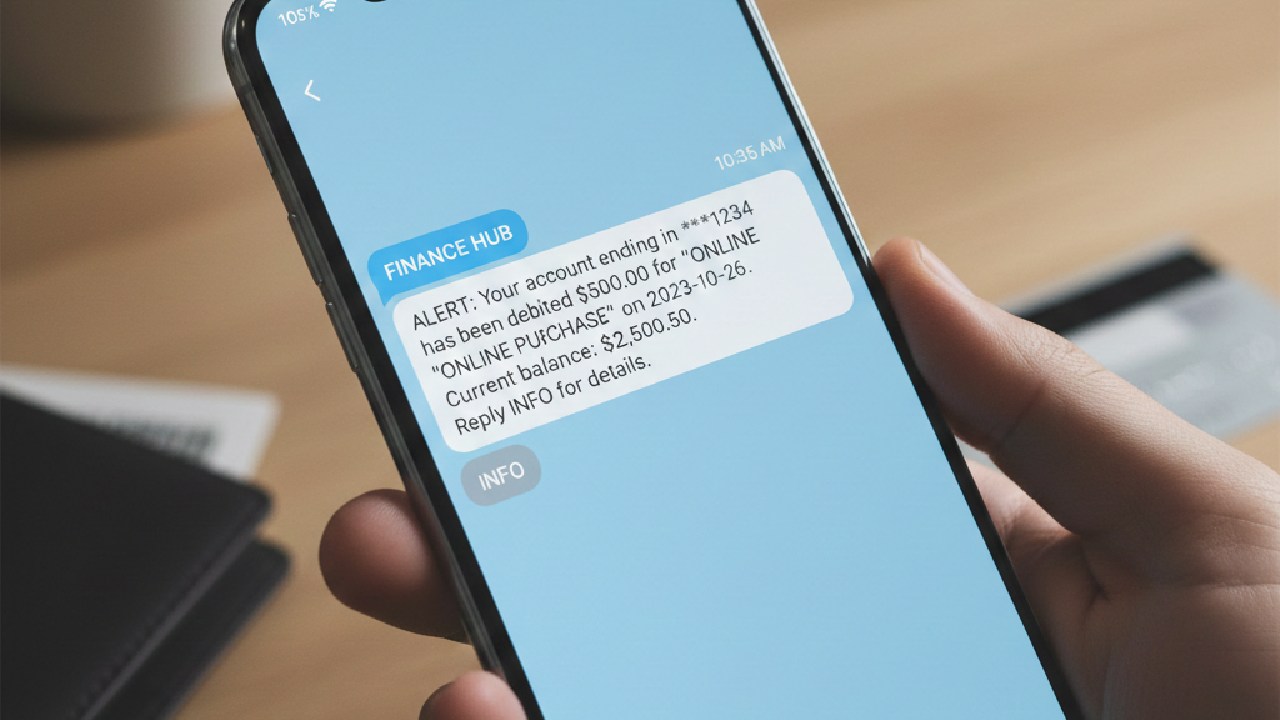
A claims text should begin with a verified event in the insurer’s own workflow. Avoid a general “your claim has been updated” message if the team cannot define the state behind it, the wording approved for that state, and the person responsible for exceptions.
Use this five-field worksheet for each planned update:
| Field | Question to answer |
| Event | Which real claim-process event starts the text? |
| Wording boundary | What status wording is approved for that event? |
| Action or destination | Does the recipient need to act, and where should that action occur? |
| Owner | Which claims team owns questions, disputes, or mismatched status? |
| Failure or escalation | Which signal starts follow-up, and who receives it? |
This worksheet does not decide what sensitive detail may appear in a text. It makes content sensitivity and destination design explicit review questions for the insurer’s legal, privacy, security, and claims teams. Nor does a send-status field prove that a policyholder read a message or that the underlying claim moved forward. The text reports a defined event; it does not create that event.
Make fraud alerts point to a trusted verification path
A fraud alert should notify and route the recipient. It should not ask the person to disclose a password, policy detail, payment data, or OTP in response to an unexpected message. It also should not train recipients to trust an unexpected link.
This design follows a narrow source boundary. The US Federal Trade Commission’s consumer scam guidance warns people not to assume that a text from a known organization is legitimate and not to click links in unexpected messages. That guidance is not an insurance messaging standard. It does support a safer alert pattern: identify the insurer, state that review is needed without exposing sensitive detail, and direct the person to an independently known insurer contact or authenticated channel.
An illustrative pattern is: “Insurer name: We need you to review recent activity. Use the contact method you already know for us or open our authenticated channel. Do not send credentials or a one-time code by text.” The insurer must adapt the action to its incident, accessibility, privacy, legal, and support procedures.
Assign an incident or support owner before launch. The text can start a verification process, but it is not proof that fraud was prevented or that the recipient was authenticated.
Treat SMS OTP as one authentication component
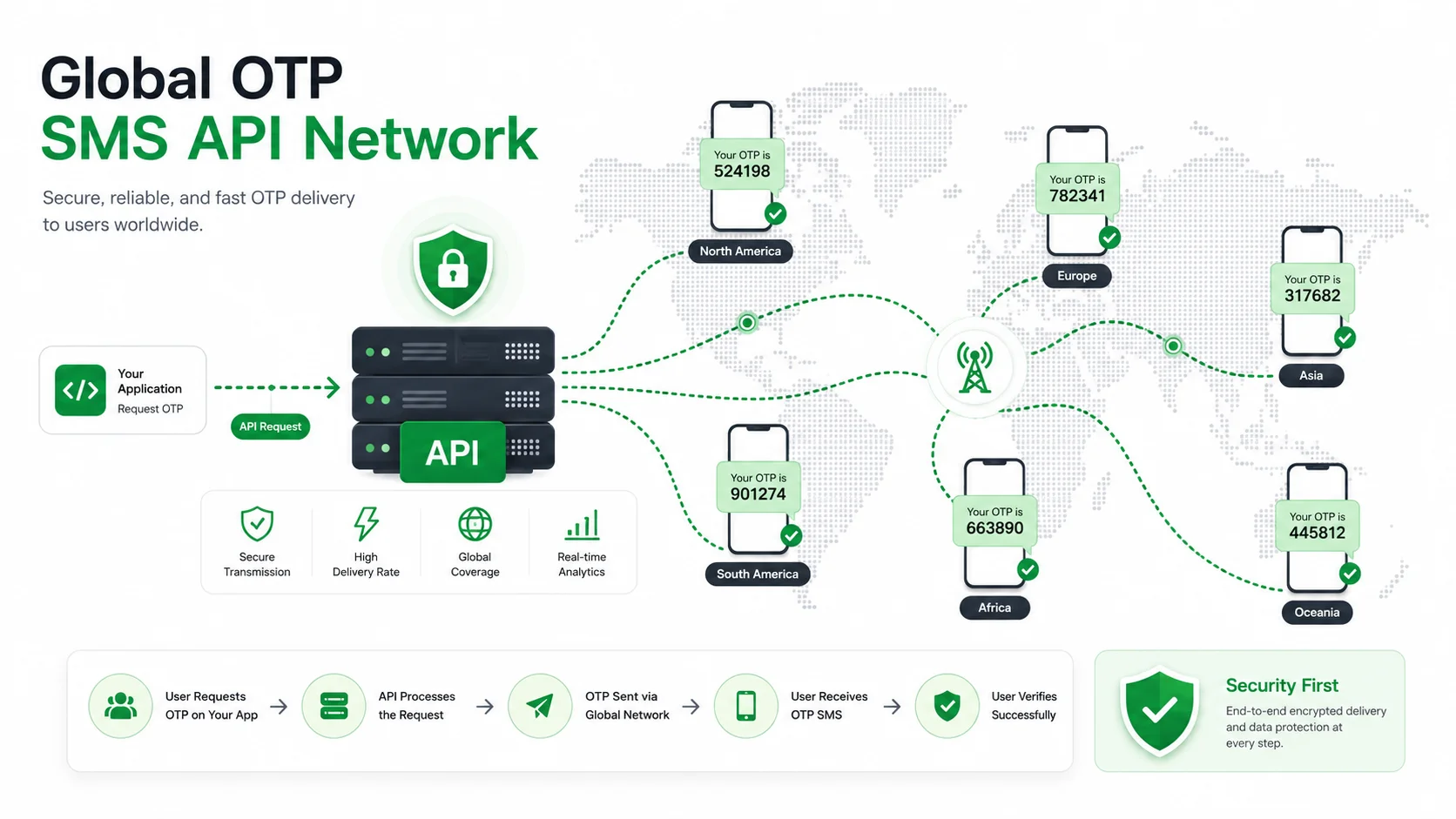
An SMS one-time password is a temporary code sent by text. It is one part of authentication, not the whole security process. The system still needs rules for the code’s life, failed guesses, and changes to the phone number or device.
NIST guidance gives each control a separate job. A validity window limits how long a code can be used. One-time acceptance prevents reuse after the verifier has accepted the code. Rate limits slow repeated failed guesses. Before sending a code by SMS, the verifier should also consider signs such as a device swap, SIM change, number port, or other unusual activity. Those signs can lead to extra review before the code is sent.
Swipe horizontally to view the full table.
| Control | Purpose | System owner | Implementation question |
| Validity window | Limit how long a code can be used | Identity or security team | When does the code expire? |
| One-time acceptance | Prevent reuse after successful validation | Identity platform owner | How does the system invalidate an accepted code? |
| Limits on failed guesses | Slow repeated attempts | Identity platform owner | How are failures counted, and what happens at the limit? |
| Device and number checks | Flag a possible rise in risk | Fraud and security teams | Which signals pause or strengthen the sign-in step? |
| Available alternative | Provide another authenticator option | Product, security, and support teams | Which available option fits the system’s risk assessment? |
NIST calls phone-network authentication, including SMS, a restricted method. This is security guidance, not a universal ban or proof of compliance. The right method and assurance level depend on the system. The team should choose among available alternatives based on its system risk assessment, including device or number-change indicators. The full workflow still needs clear ownership across product, security, fraud, and support.
Review jurisdiction and message purpose before launch
No single checklist can approve an insurance SMS program in every market. Instead, use a review framework that brings the right facts to the responsible legal, privacy, security, and operational reviewers.
- Destination country: Where is each recipient, and which rules apply there?
- Sender: Which insurer, intermediary, or other entity is sending the text?
- Recipient: Is the number tied to an individual or corporate subscriber, and what is the relationship?
- Purpose: Is the message promotional, servicing, claims-related, a risk notification, or authentication?
- Technology: How is the text initiated and sent?
- Basis and records: What consent, authorization, or other basis is being relied on, and what records are required for that decision?
- Timing and opt-out: Which timing and opt-out rules apply to this sender, message, and market?
- Content boundary: Which details are approved for the text, and which must move to another destination?
- Destination: Where will the recipient complete the next step?
- Ownership: Who gives the final review and who handles suppression, failure, disputes, and escalation?
The US and UK examples show why these questions matter. The US rule cited above concerns covered automated advertising or telemarketing and requires a fact-specific review. For UK individual subscribers, the PECR soft opt-in is conditional, and corporate subscribers are treated differently. UK guidance also looks at what a message says: adding promotional content can change a factual service message into direct marketing.
These examples do not answer another country’s rules or every US or UK scenario. They provide inputs for review, not legal advice or a compliance guarantee.
Build, route, and monitor the workflow
Once the insurer has approved the workflow, map its requirements to verified platform capabilities. SMSBoosting product records list Bulk SMS, Marketing SMS, OTP SMS, Notification SMS, and Transactional SMS. These categories can help separate work, but they do not decide legal treatment, data sensitivity, or security needs.
Swipe horizontally to view the full table.
| Team need | Verified SMSBoosting capability | Team input | Limit |
| Separate message work. | Bulk, Marketing, OTP, Notification, and Transactional SMS. | Approved workflow and class. | A category does not prove compliance, security, or fit. |
| Choose an API path. | HTTP/SMPP API access. | Protocol and build needs. | No insurance-system integration is established. |
| Set route inputs. | Country, channel, and route management. | Countries and route questions. | No coverage, route quality, or delivery result is promised. |
| Add approved fields. | Dynamic content. | Fields and fallback rules. | This means variable content, not automated decisions. |
| Create SMS tasks. | Bulk number import and task creation. | Approved list, import method, and owner. | Import does not prove lawful selection or consent management. |
| Watch task state. | Progress plus total, success, and failure counts. | Monitoring owner and escalation rule. | Counts do not prove handset receipt, reading, action, or an insurance result. |
The capability map starts a build discussion. It does not supply trigger logic, source data, review decisions, or a failure response. The insurer must provide those inputs. If the team chooses HTTP or SMPP, engineering must define how an approved event starts a task. It must also define how status data reaches the owner. This is a design need, not a claim that an integration exists.
Prepare the requirements for a provider discussion
Bring one requirements sheet that connects each insurance event to the implementation decision. The same sheet helps marketing, servicing, claims, fraud, security, engineering, legal, privacy, procurement, and support identify what is settled and what remains open.
| Requirement | What to prepare |
| Markets. | Destination countries. Review status for each market. |
| Workflows. | In-scope quote, renewal, payment, claims, risk, fraud, and OTP uses. |
| Message classes. | Approved class and purpose for each workflow. |
| Sending inputs. | Sender questions. Channel and route needs. |
| Volume. | Expected monthly and peak task volume. |
| Content. | Approved fields, fallback text, and content limits. |
| Recipients. | Import needs, list owner, and approval status. |
| Technical path. | HTTP or SMPP needs, if either path is under review. |
| Monitoring. | Task fields, failure threshold, owner, and support handoff. |
| Reviewers. | Legal, privacy, security, claims, operations, and support owners. |
| Open questions. | Decisions that the insurer or provider must clarify. |
SMSBoosting records support a discussion about the listed message types and tools. These include HTTP/SMPP API access, dynamic content, bulk number import, route management, task monitoring, and dedicated support. Bring the completed worksheet and contact SMSBoosting to clarify platform, route, API-path, monitoring, and support needs. It does not promise an integration, legal approval, compliance, sender approval, route quality, delivery result, price, schedule, or business outcome.
Insurance SMS planning should follow a consistent sequence: classify the event, define the content and next action, assign an owner, review the real jurisdiction and risk, choose the implementation path, and monitor the task state. That sequence keeps promotional quote work distinct from policy servicing, claims, risk notification, and authentication.
The result is not one generic finance campaign. It is a set of insurance-specific workflows that the responsible teams can review, build, and operate within defined boundaries.



