An SMS gateway in Mexico lets businesses send OTP codes, delivery alerts, payment reminders, promotional campaigns, and account notifications to Mexican mobile numbers. Teams serving Mexico City, Guadalajara, Monterrey, Puebla, Tijuana, and Queretaro need more than a generic international route. They need +52 formatting support, Spanish-language templates, and routes tested across Telcel, AT&T Mexico, Movistar-related traffic, and MVNO users.
This guide explains how Mexico SMS gateway setup works, what to ask providers, how to compare pricing, and how to use an SMS API for Mexican mobile numbers.
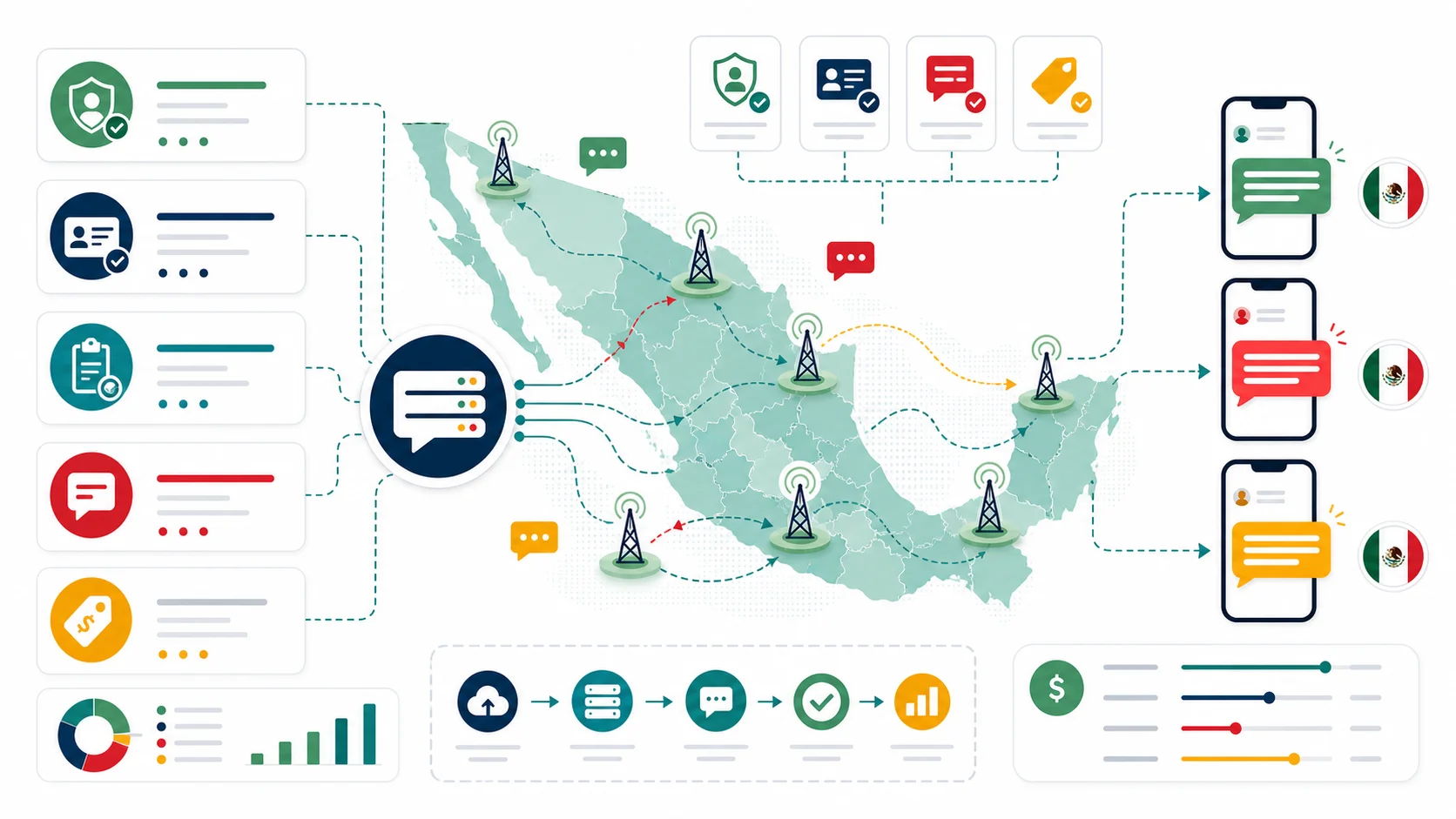
Quick answer: A reliable Mexico SMS gateway needs tested routing across Telcel, AT&T Mexico, Movistar-related traffic, and MVNO segments, clean +52 number formatting, Spanish template review, consent controls for marketing, delivery reports, and API support for OTP and bulk messaging. If you are evaluating SMSBoosting, Mexico reference pricing starts from approximately EUR 0.005 per SMS. Treat this as SMSBoosting-specific reference pricing, not a Mexico market average.
Mexico Mobile Market and Regulatory Context
Mexico’s mobile market is large, commercially active, and heavily shaped by a few major network groups. Telcel remains the largest operator in most buyer conversations, while AT&T Mexico, Movistar-related traffic, Red Compartida wholesale coverage, and MVNO brands can affect how messages terminate.
Mexico’s telecom regulatory structure has changed since the former Instituto Federal de Telecomunicaciones (IFT) period. By 2026, telecom oversight is associated with the Comision Reguladora de Telecomunicaciones (CRT) and the broader federal digital-transformation structure. Because the transition is recent, companies sending regulated or high-volume SMS into Mexico should verify current requirements with their provider and legal counsel before launch.
Mexico campaigns also need Spanish-language localization. A password reset message for a Mexican bank customer should not sound like a direct English translation. Words such as “codigo,” “pedido,” “envio,” “pago,” and “cuenta” should match the product context and customer expectation.
| Mexico Route Area | Why It Matters for SMS |
|---|---|
| Telcel | Largest operator group and essential for route testing |
| AT&T Mexico | Major mobile network with national reach |
| Movistar-related traffic | Still relevant for many legacy and transferred customers |
| MVNO / wholesale networks | Important when campaigns include budget plans or niche mobile brands |
| Mexico City / Guadalajara / Monterrey | Dense ecommerce, fintech, SaaS, and logistics audiences |
What SMS Is Used For in Mexico
Mexico SMS use cases are usually tied to identity, payments, delivery, and customer retention. Separate these message types before choosing routes and pricing.
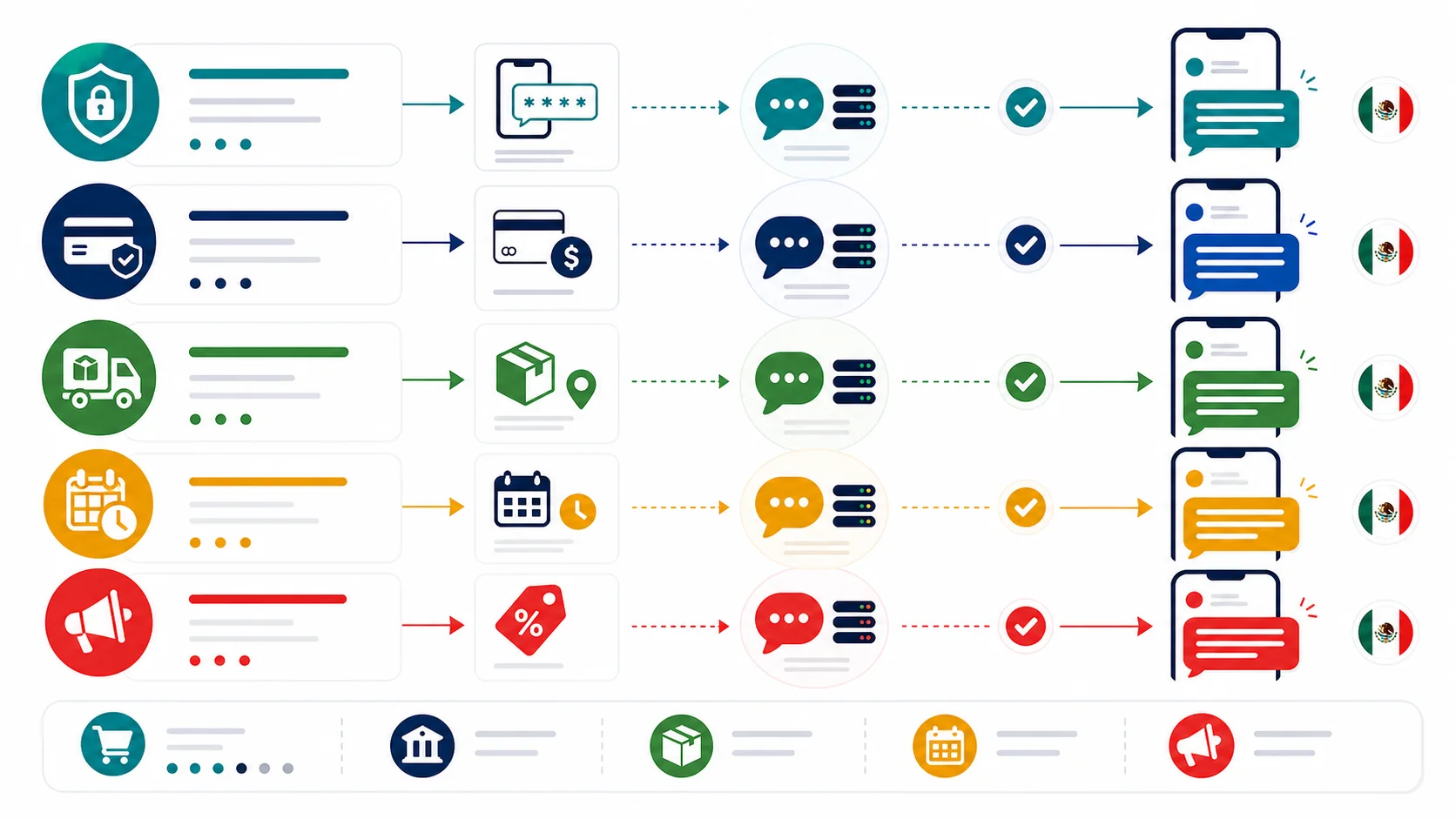
OTP and Account Verification: Banks, lending apps, ecommerce platforms, SaaS products, and marketplaces use OTP SMS for login, password reset, new-device checks, and payment approval. Mexico OTP traffic needs fast routes because user drop-off rises when codes arrive late.
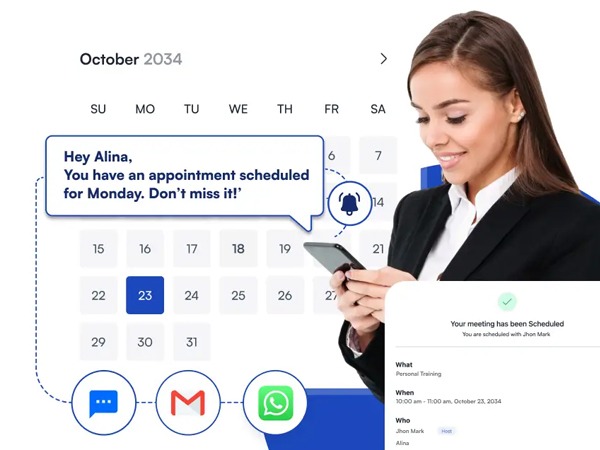
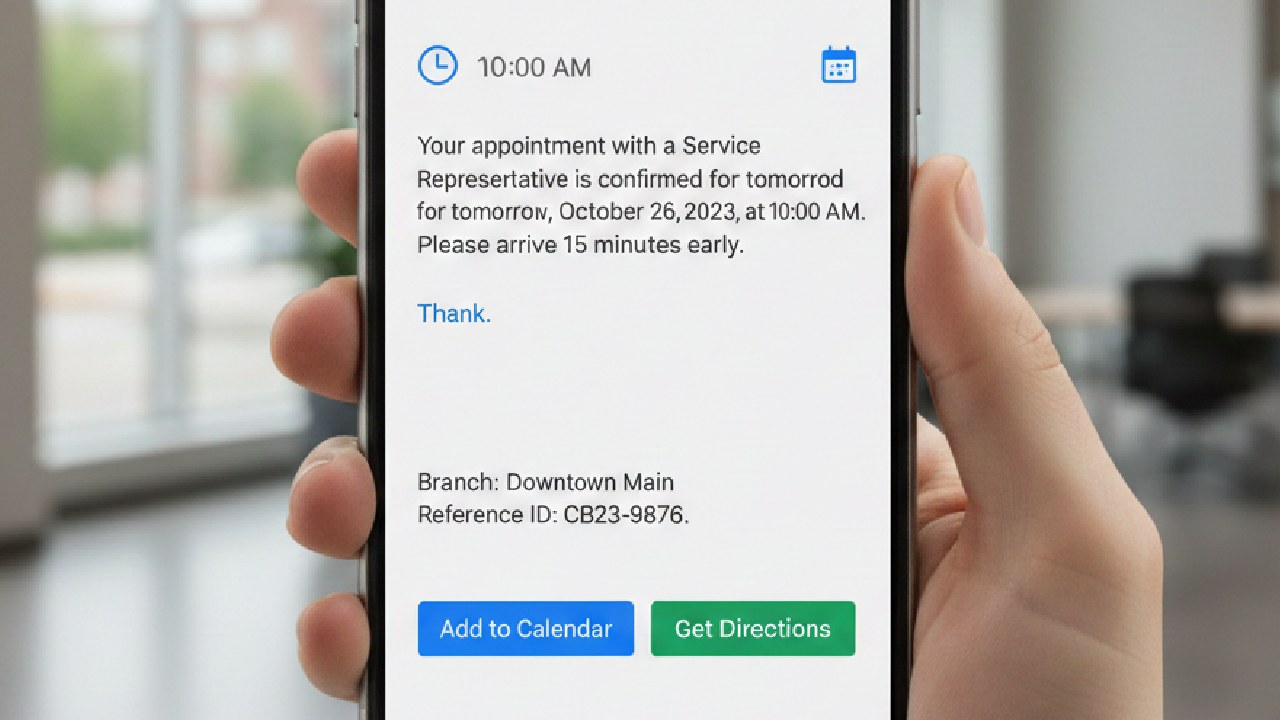
Transactional Notifications: Retailers, delivery apps, clinics, travel companies, and financial platforms use SMS notification messages for order status, delivery windows, appointment reminders, payment confirmations, and service alerts.
Marketing SMS: Brands in fashion, food delivery, retail, events, education, and local services use marketing SMS for promotions, loyalty offers, cart recovery, event reminders, and seasonal campaigns. Mexico promotional SMS should use permission-based lists and a recognizable sender identity.
Collections and Payment Reminders: Lenders, subscription services, utilities, and insurance teams may use SMS for due-date reminders and payment links. These Mexico messages should be factual, branded, and carefully reviewed because financial wording can be sensitive.
Spanish copy quality is not cosmetic. In Mexico, unclear wording can make a valid OTP or payment reminder look suspicious.
Sender Identity and Template Checks
Mexico sender display can vary by provider, route, and message type. Some routes may show numeric senders, while branded sender options depend on provider capability and local route rules. A good Mexico SMS provider should explain what the recipient sees before you launch.
Brand in the Message: If the sender field is numeric, include the brand name in the first sentence. This is especially important for fintech, marketplaces, delivery apps, and subscription services.
Consent Records: Mexico marketing campaigns should use opt-in lists from checkout, account registration, lead forms, loyalty programs, or written agreements. Purchased lists create complaint and deliverability risk.
Opt-Out Handling: Promotional SMS should include a practical opt-out path and a suppression list. Do not resend to opted-out Mexico numbers in later campaigns.
Spanish Template Review: Review accents, links, currency notation, and tone. Mexican Spanish has its own rhythm, and literal translations can sound unnatural.
Category Separation: Keep OTP, service alerts, and promotions in separate templates. A Mexico OTP message with a sale offer can look like mixed traffic and may perform worse.
This guide is not legal advice. For Mexico financial services, lending, health, insurance, education, and high-volume marketing, confirm current telecom, privacy, and consumer-protection rules with counsel and your provider.
Mexico SMS Pricing Factors
Mexico SMS pricing depends on route quality, operator destination, message type, sender display, list quality, encoding, support response, and monthly volume. Comparing only the per-SMS number can hide the cost of failed OTPs, poor reports, or unsupported sender options.
If you are evaluating SMSBoosting, Mexico reference pricing starts from approximately EUR 0.005 per SMS. This is a brand-specific starting point from SMSBoosting, not a Mexico market average and not a claim about all providers. Final pricing depends on volume, route type, sender identity requirements, destination/operator split, content type, and support needs.
Route Quality: Strong A2P routes usually cost more than low-grade routes, but they reduce delay and improve report quality. Mexico OTP and payment messages should use higher-quality routes than low-risk reminders.
Operator Mix: Ask whether Telcel, AT&T Mexico, Movistar-related traffic, and MVNO users are handled differently. Operator-level reporting helps reveal delivery problems.
Sender Display: Some providers charge differently for sender options or require setup work. Confirm what the recipient sees on each route.
Message Length: Spanish messages may be longer than English templates. Accents and special characters can affect encoding, so test message-part count before sending a large Mexico campaign.
Volume Commitments: Higher monthly volume may improve pricing, but only compare quotes after confirming API limits, delivery reports, support hours, and route class.
For broader market planning, see our country-by-country bulk SMS guide to compare Mexico with other international SMS destinations.
SMS API Setup for Mexico Numbers
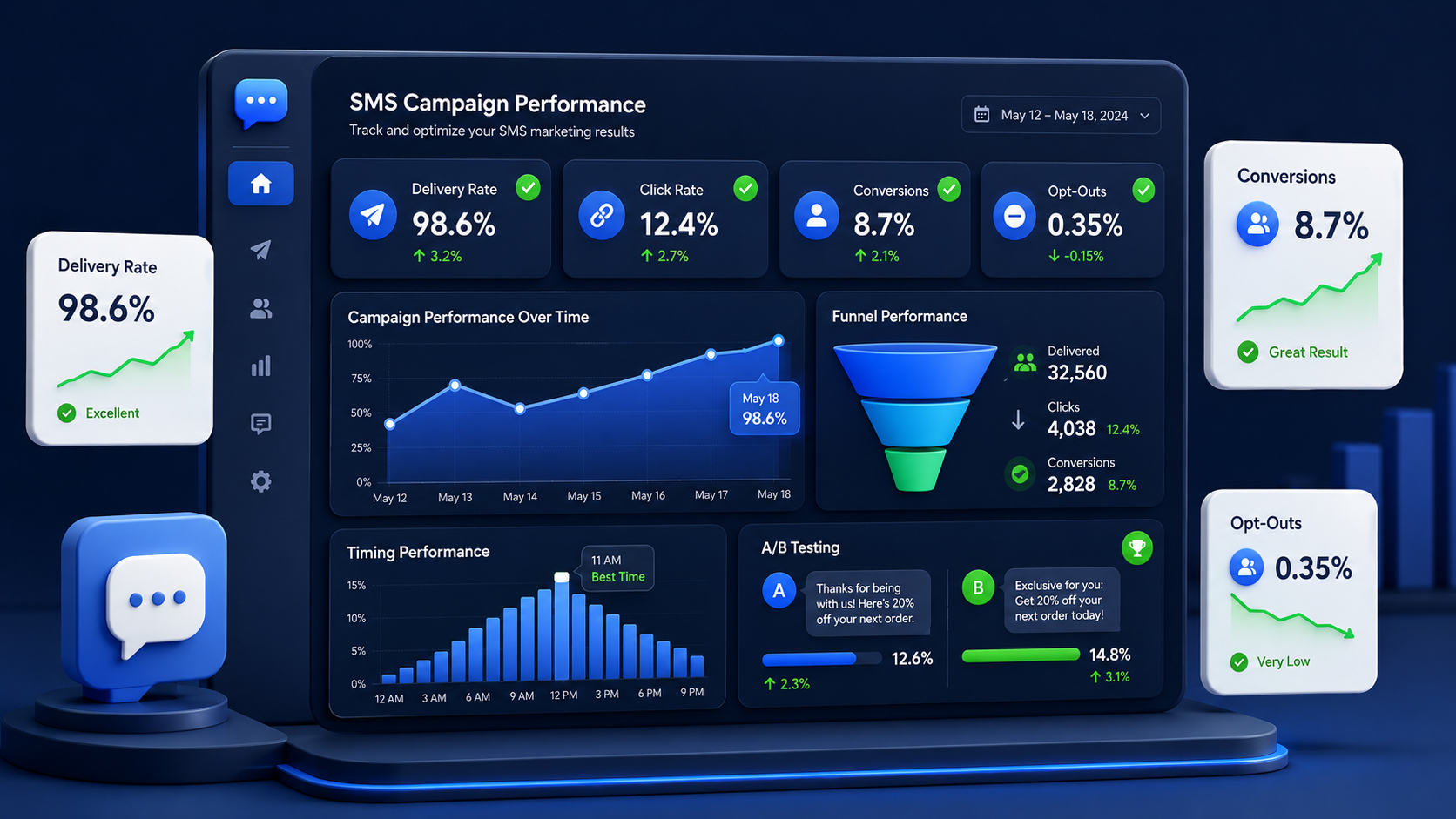
A Mexico SMS API should support event-based sending, batch messages, delivery reports, webhook callbacks, and useful error codes. For OTP flows, the API should also support retry windows and fallback decisions so users do not receive multiple codes too late.
Use an SMS API for login codes, order updates, payment notices, delivery alerts, password resets, and automated CRM messages. Use a dashboard when Mexico marketing teams need list uploads, segmentation, scheduling, and campaign reporting.
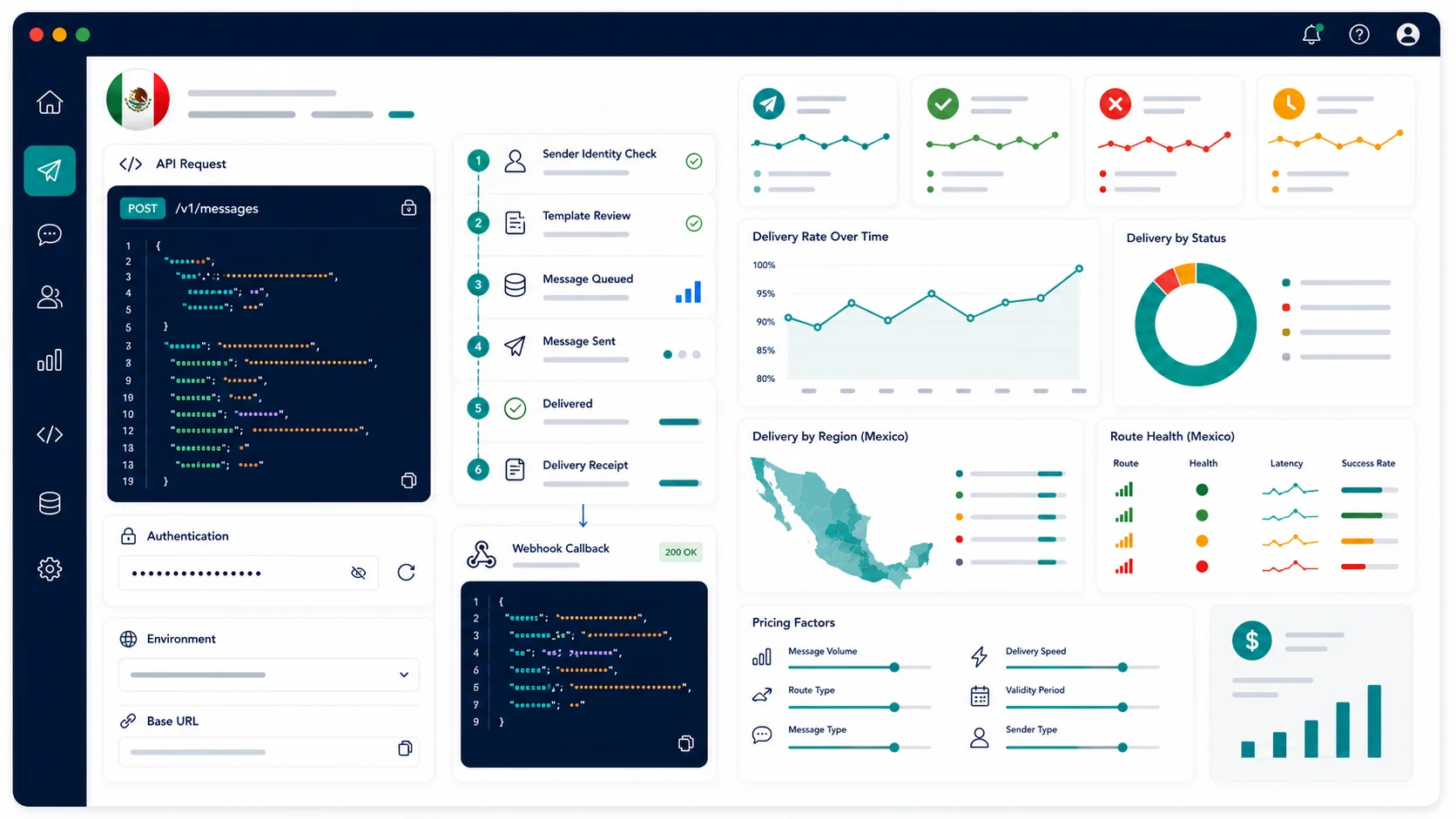
Here is a basic cURL example for a Mexico destination number. Replace the endpoint, credentials, sender ID, and content with your provider’s values.
curl -X POST “https://api.smsprovider.com/send” \
-H “Content-Type: application/json” \
-d ‘{
“account”: “your_account”,
“password”: “your_password_or_md5_hash”,
“numbers”: “525512345678”,
“content”: “Tu código de verificación es 123456.”,
“sender”: “YOURBRAND”,
“smstype”: 0
}’
Use country code 52 followed by the Mexican mobile number in the format your provider requires. A Mexico City test number may look like 525512345678. Confirm current formatting with your provider, especially if your database still contains older formats.
Delivery Reports and Common Failures
Mexico delivery quality depends on route class, operator coverage, sender display, list hygiene, template wording, number formatting, and traffic category. A provider should help you distinguish between accepted, delivered, expired, filtered, and invalid-number results.
Watch for these Mexico-specific issues:
- Old Number Formats: Mexico databases may contain legacy formatting, spaces, local prefixes, or country-code errors that should be normalized before API submission.
- Operator Route Gaps: Telcel, AT&T Mexico, Movistar-related traffic, and MVNO users may show different delivery behavior.
- Spanish Template Issues: Literal translations, vague sender identity, and suspicious links can reduce trust in payment or delivery messages.
- Consent Problems: Mexico marketing traffic sent to weak or purchased lists can create complaints and hurt route quality.
- OTP Timing: Codes that arrive after the user retries can create duplicate-code confusion and extra support tickets.
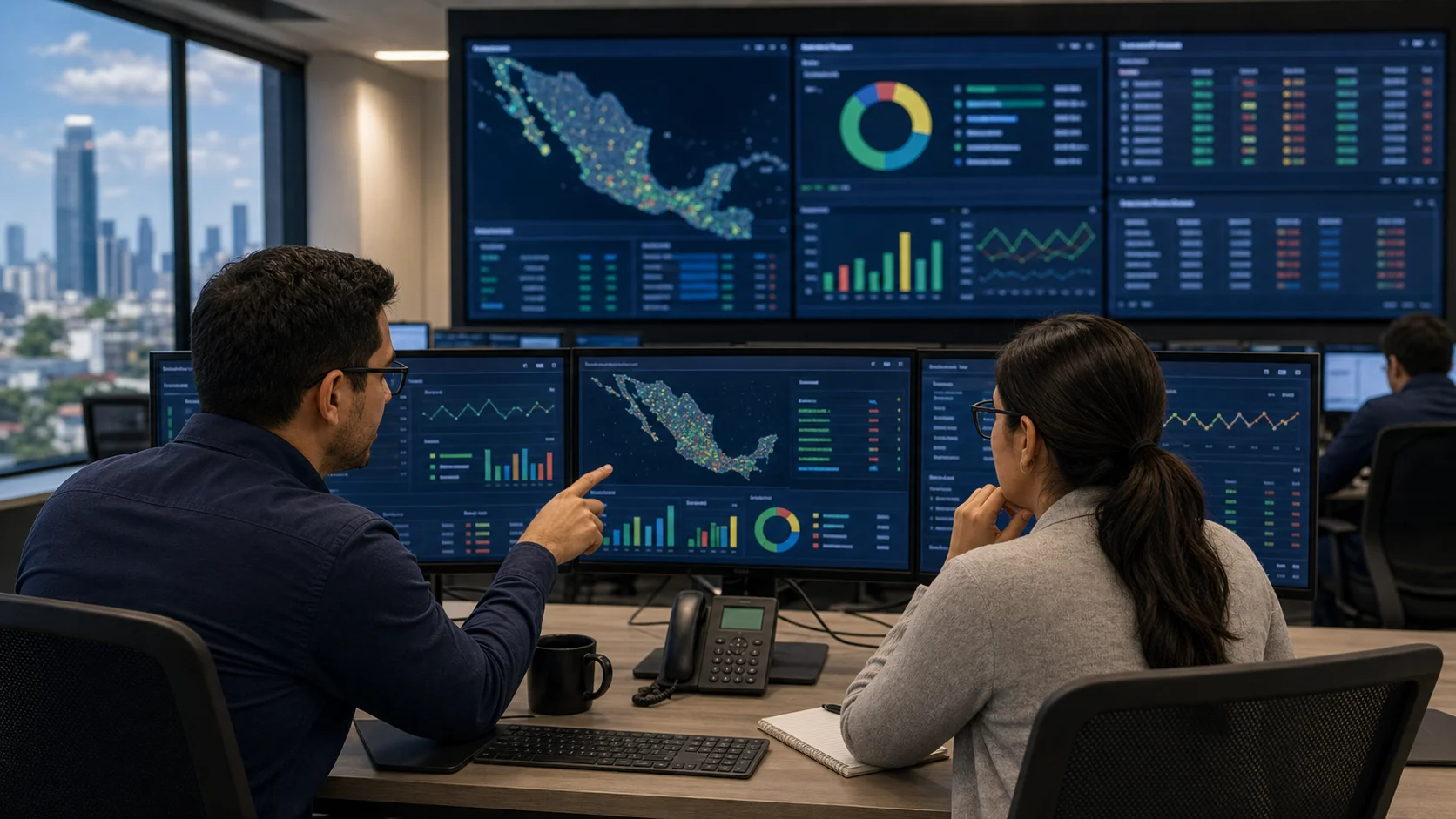
When Mexico delivery drops, review delivery failure logs by operator, number format, route, sender display, template, and retry timing. Do not rely only on accepted-count reporting for Mexico OTP flows.
Conclusion
A Mexico SMS gateway should be selected based on route quality, operator coverage, +52 formatting support, Spanish copy handling, delivery reporting, and support speed. The lowest advertised SMS price is only useful if the route can deliver real messages to real customers.
Before launching Mexico SMS, clean the number list, test multiple operators, check Spanish templates, and compare pricing by route type. If you are evaluating Mexico SMS delivery through SMSBoosting, start with a free trial or request a tailored quote based on message type, volume, and routing needs.
FAQ
What is the best SMS gateway setup for Mexico?
The best setup tests Telcel, AT&T Mexico, Movistar-related traffic, and MVNO users, uses clean +52 formatting, separates OTP from marketing, and provides delivery reports by route.
Can I send OTP SMS to Mexico?
Yes. Mexico OTP SMS is common for fintech, ecommerce, SaaS, marketplace, and account-security flows. Use fast routes and short Spanish templates.
What is SMSBoosting’s Mexico reference price?
SMSBoosting’s Mexico reference pricing starts from approximately EUR 0.005 per SMS. Treat this as SMSBoosting-specific reference pricing, not a Mexico market average.
What number format should I use for Mexico SMS?
Use country code 52 followed by the Mexican mobile number, such as 525512345678. Confirm exact formatting with your provider before production.
Do Mexico marketing SMS campaigns need opt-out handling?
Yes. Mexico promotional SMS should use opt-in lists, clear brand identification, and suppression lists for opted-out recipients.