SMS marketing fails when businesses treat it like email. They send too often, target the wrong people, or use it for the wrong purpose. The result is unsubscribes, filtering, and wasted budget.
Used correctly, SMS is one of the fastest ways to drive action. It works best when timing matters and when the audience already trusts you.
The difference between effective SMS and spam isn’t creativity — it’s strategy. You need a clear use case, proper segmentation, strong timing, and measurable goals.
In this guide, you’ll learn when SMS makes sense, how it fits into your marketing strategy, what to send, who to send it to, and how to measure whether it’s actually working.
Is SMS Marketing Right for Your Business?
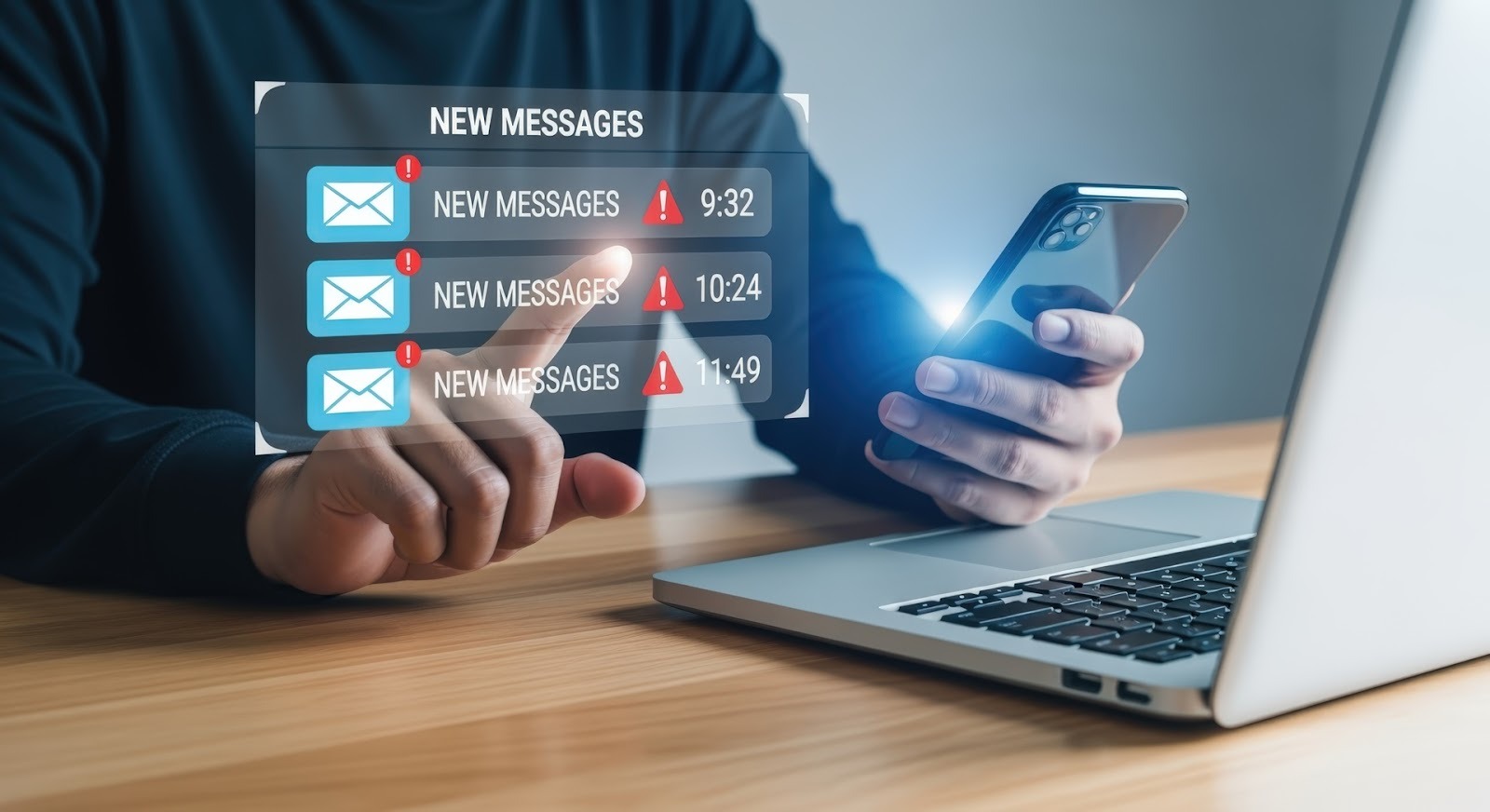
SMS marketing works best when speed influences results. If your business has time-sensitive actions, high-intent audiences, or recurring customer moments, SMS can be extremely effective.
Source: Vecteezy
Businesses that benefit most typically share one trait: timing drives value.
For example:
- E-commerce brands use SMS for cart recovery, flash sales, and back-in-stock alerts.
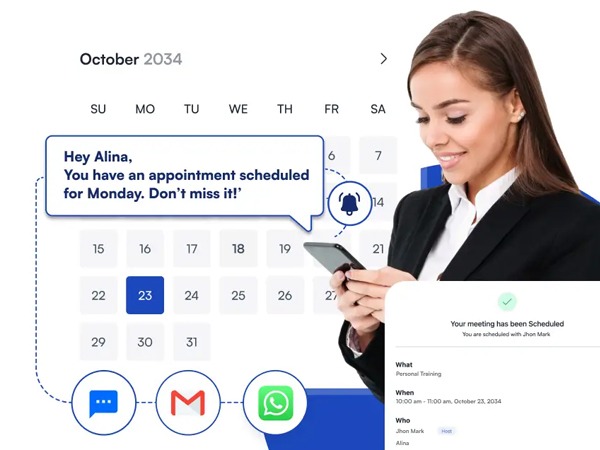
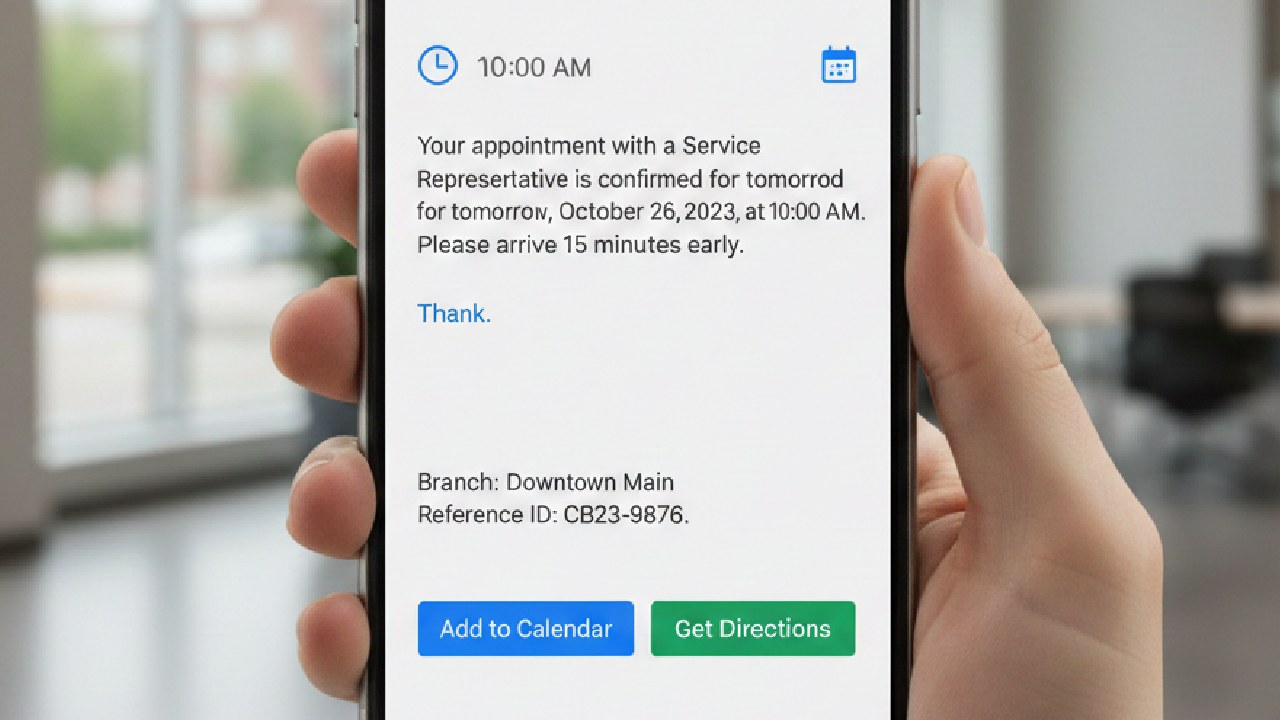
- Service businesses reduce no-shows with appointment reminders.
- SaaS and B2B teams accelerate demos, renewals, or contract decisions.
- Restaurants and local businesses drive immediate traffic with short-term offers.
In each case, the message prompts an action now, not someday.
SMS is less effective when the goal is education, long-form storytelling, or early-stage awareness. Complex B2B sales cycles that require months of nurturing rely more on email and content marketing. Cold outreach to strangers also performs poorly via SMS and can create compliance risks.
A simple rule helps clarify:
If the goal is immediate action, SMS is likely a good fit.
If the goal is explanation or discovery, another channel probably works better.
Understanding this distinction prevents wasted budget and positions SMS as a precision tool rather than a broadcast megaphone.
How SMS Fits into Your Overall Marketing Strategy?
SMS should not replace your other marketing channels. It works best as an accelerator, not a foundation.
Email, content, and social media build awareness and trust over time. SMS activates people when they are close to acting. It’s the push that converts attention into action.
Think of SMS as the final step in the journey. A customer sees your ad, reads your emails, and adds a product to their cart. If they hesitate, SMS reminds them at the right moment. Without that timely nudge, the sale may never happen.
The same applies to service businesses and B2B teams. Email educates. Sales calls build relationships. SMS confirms appointments, reminds decision-makers, or moves stalled deals forward.
Where SMS struggles is in early-stage communication. It is not ideal for long explanations, storytelling, or broad awareness campaigns. Its strength lies in clarity and urgency.
Used this way, SMS strengthens your existing funnel instead of competing with it.
Ways to Market Your Business with SMS
SMS drives results when the message matches a specific business goal. Most successful campaigns fall into four categories: sales, conversions, retention, and re-engagement.

Source: Vecteezy
Drive Sales with Timely Promotions
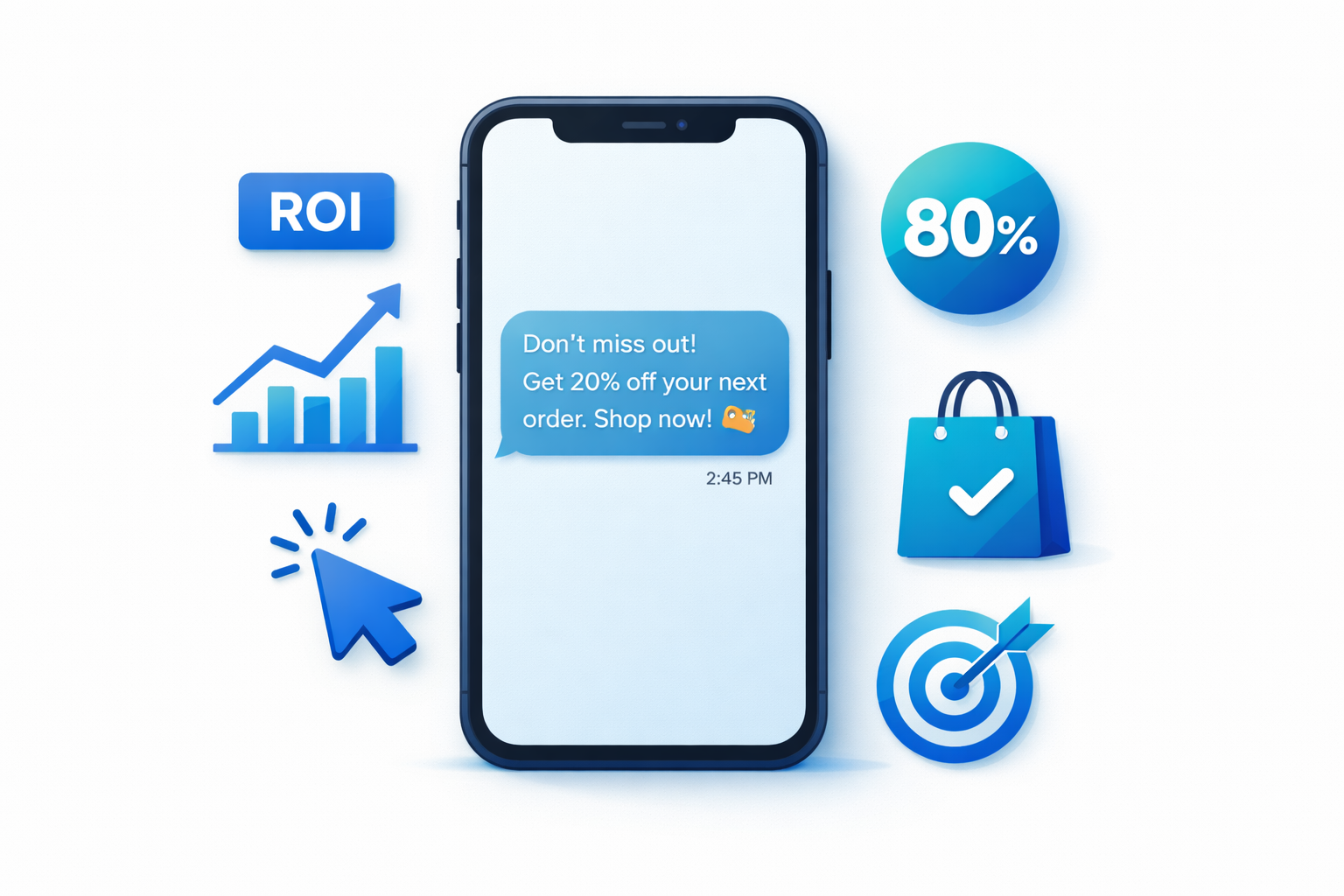
SMS works exceptionally well for limited-time offers.
Flash sales, exclusive discounts, and back-in-stock alerts create urgency that email often can’t match.
Example:
“Flash sale ends in 4 hours — 40% off sitewide. Shop now [link]. Reply STOP to unsubscribe.”
Keep it short, clear, and deadline-focused. If there’s no urgency, SMS may not be necessary.
Increase Conversions with Follow-Ups
When someone starts but doesn’t finish an action, SMS can bring them back.
Cart abandonment, incomplete quote requests, or unfinished signups are ideal triggers.
Example:
“Complete your checkout now and get free shipping. Offer expires tonight [link].”
Timing matters here. Send within 4–24 hours while intent is still high.
Retain Customers After Purchase
Transactional messages build trust and reduce friction.
Order confirmations, shipping updates, delivery alerts, and simple support messages improve the customer experience and lower refund rates.
Example:
“Your order arrives today between 2–5 PM. Track it here [link]. Questions? Reply to this message.”
These messages should focus on clarity and usefulness, not promotion.
Re-Engage Inactive Customers
Lapsed customers often respond to a targeted reminder.
Instead of blasting your entire database, send a personalized incentive to high-value customers who haven’t purchased in 60–90 days.
Example:
“We miss you. Here’s $20 off your next order — valid this week only [code].”
Selective targeting protects your budget and keeps opt-outs low.
What to Send and When to Send It?
Effective SMS marketing is simple, specific, and action-driven. Because space is limited, every word must justify its place.
A strong marketing SMS typically includes four elements:
- A clear benefit
- A defined offer or action
- A direct link
- Your brand identity and opt-out instruction
Weak example:
“Hi, we have a sale. Check it out.”
Stronger example:
“Flash sale — 30% off today only. Shop now [link]. Reply STOP to unsubscribe.”
Specificity and urgency outperform vague messaging every time.
Keep messages under 160 characters when possible so they fit within a single SMS. Use numbers to increase clarity (“4 hours left,” “$20 off”). Avoid unnecessary filler.
When SMS Performs Best
While audience behavior varies, certain patterns are consistent.
Midweek (Tuesday–Thursday) tends to outperform Mondays and weekends.
Midday (11 AM–1 PM) and early evening (6 PM–8 PM) often see higher engagement.
Avoid early morning or late-night sends unless your audience expects them.
The most reliable answer, however, is testing. Track click-through and opt-out rates by time and day. Over time, your own data will reveal the optimal window for your audience.
Who You Should Send SMS Messages To (and Who You Shouldn’t)?
Segmentation matters more than copy. A relevant message to the right person outperforms a perfect message sent to the wrong audience.

Source: Vecteezy
Instead of blasting your entire list, segment based on behavior and intent.
Start with recent activity.
- Recent buyers may respond well to upsells or loyalty rewards.
- Browsers who viewed products but didn’t purchase may respond to reminders or incentives.
- Lapsed customers (60–90 days inactive) may respond to targeted win-back offers.
Purchase history also helps refine targeting. Customers who buy discounted items may respond to promotions. Customers who purchase premium products may respond better to early access or exclusive launches.
Engagement level is another useful filter. Highly engaged subscribers can tolerate more frequent messages. Less engaged subscribers should receive fewer, highly targeted messages.
Avoid sending SMS to:
- Anyone who hasn’t opted in
- Anyone who unsubscribed
- Anyone who marked previous messages as spam
When in doubt, reduce volume rather than increase it. SMS works best when it feels relevant and expected, not intrusive.
The guiding principle is simple: send fewer messages to better segments. Precision protects your budget and improves performance.
How to Stay Compliant Without Killing Your Campaigns?
Compliance is not optional in SMS marketing. It protects your business and builds long-term trust with your audience.
There are three fundamentals you must follow.
1. Clear Permission (Opt-In)
Subscribers must explicitly agree to receive SMS. The opt-in should clearly state what type of messages they will receive and how often. Vague consent is risky. Record when and how consent was given.
2. Easy Opt-Out
Every marketing SMS must include opt-out instructions, such as “Reply STOP to unsubscribe.” When someone opts out, remove them immediately. Delayed removal damages trust and increases legal risk.
3. Frequency Control
Sending too often leads to opt-outs and carrier filtering. Monitor your unsubscribe rate. If it exceeds 0.5% per campaign, review targeting and frequency.
Compliance should not reduce performance. In fact, clear expectations often improve engagement because subscribers understand what they are signing up for.
When customers feel in control, they are more likely to stay subscribed and respond positively to your campaigns.
How to Measure If SMS Marketing Is Working?
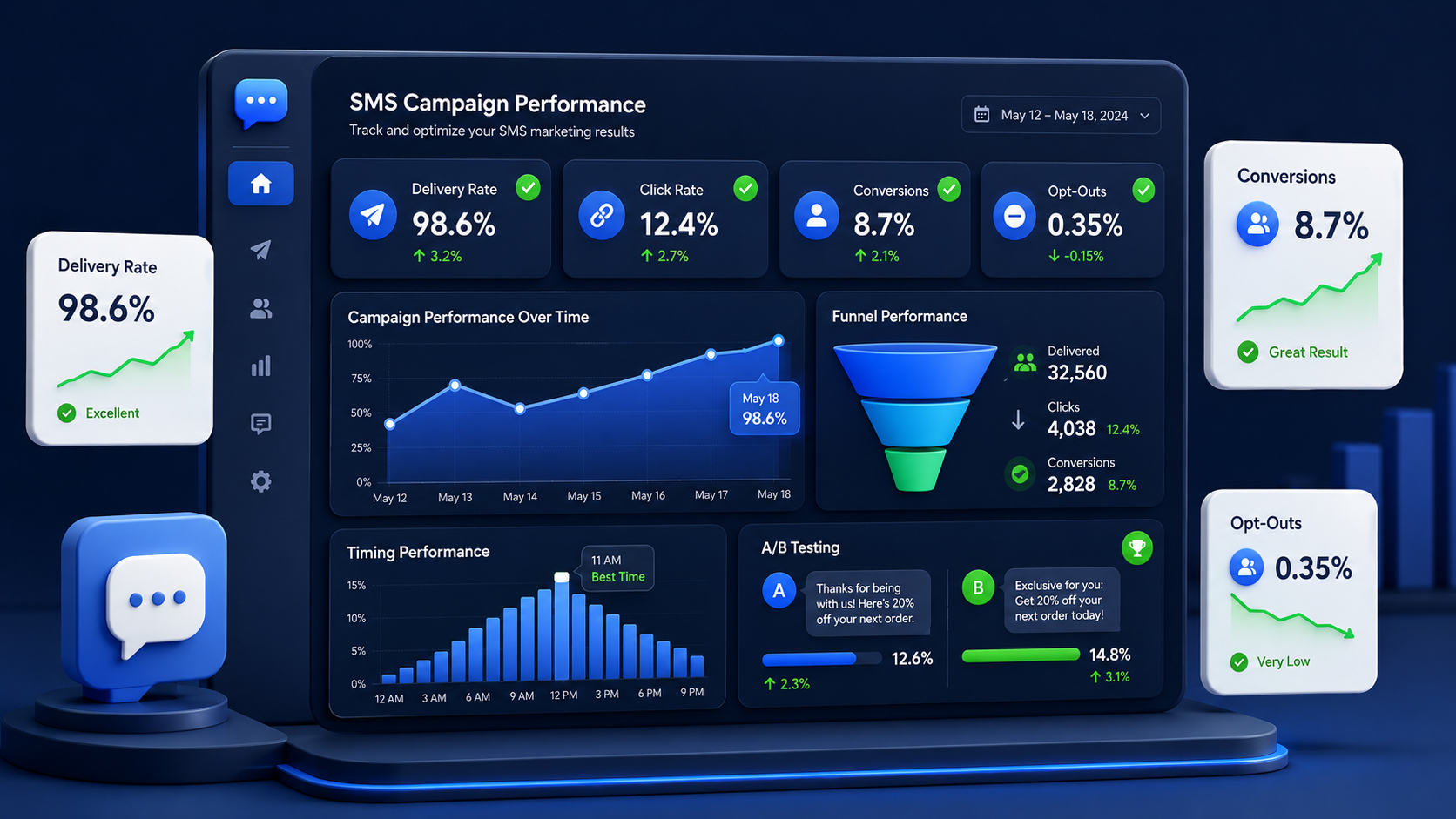
You don’t need dozens of metrics to evaluate SMS performance. Four indicators tell you almost everything.
1. Delivery Rate
What percentage of messages successfully reach recipients? Aim for 95% or higher. If delivery drops below 90%, review list quality and compliance practices.
2. Click-Through Rate (CTR)
The percentage of recipients who click your link. Typical marketing SMS sees 5–15%. If you’re below 3%, improve targeting or message clarity.
3. Conversion Rate
How many clicks result in a purchase, booking, or signup? For most businesses, 2–5% is common. Track this carefully — it determines real impact.
4. Opt-Out Rate
If unsubscribe rates exceed 0.5% per campaign, reassess frequency and segmentation. Above 1% signals overuse or poor targeting.
Beyond these metrics, calculate revenue per message. Divide total SMS-driven revenue by total campaign cost (messages plus platform fees). If revenue consistently exceeds cost, SMS is working.
For example, if you send 10,000 messages and generate $2,000 in revenue at a total cost of $400, your ROI is 5:1 — a healthy benchmark.
Measure consistently. Adjust based on data. Scale only when performance remains stable.
Closing Thoughts
SMS marketing works when it is intentional. It is not about sending more messages — it is about sending the right message at the right moment to the right audience.
If you have clear time-sensitive actions, strong segmentation, and measurable goals, SMS can become one of your most reliable performance channels. If you skip strategy and targeting, it quickly becomes noise.
Start small. Define a focused use case. Measure delivery, clicks, and conversions. Let data guide your decisions.
If you’re ready to implement these strategies, platforms like SMS Boosting can help you manage compliance, delivery, and reporting while you focus on building campaigns that actually convert.
FAQs
How many times per week should I send SMS?
Start with 1–2 promotional messages per week. Monitor your opt-out rate closely. If unsubscribe rates remain under 0.5%, your frequency is likely acceptable. If they rise above 0.5%, reduce volume or refine segmentation. Transactional messages (order confirmations, reminders) can be sent as needed.
How do I know if a phone number is real or a fake opt-in?
Use confirmation messages for new subscribers. Send a verification SMS such as “Reply YES to confirm your subscription.” Remove numbers that fail to confirm or consistently bounce. Regular list cleaning improves delivery rates and protects your budget.
How long should my SMS marketing messages be?
Aim to keep marketing SMS under 160 characters so the message fits within a single text segment. Shorter messages reduce cost, improve clarity, and increase response rates. Focus on one offer, one link, and one clear call to action. Avoid unnecessary filler.