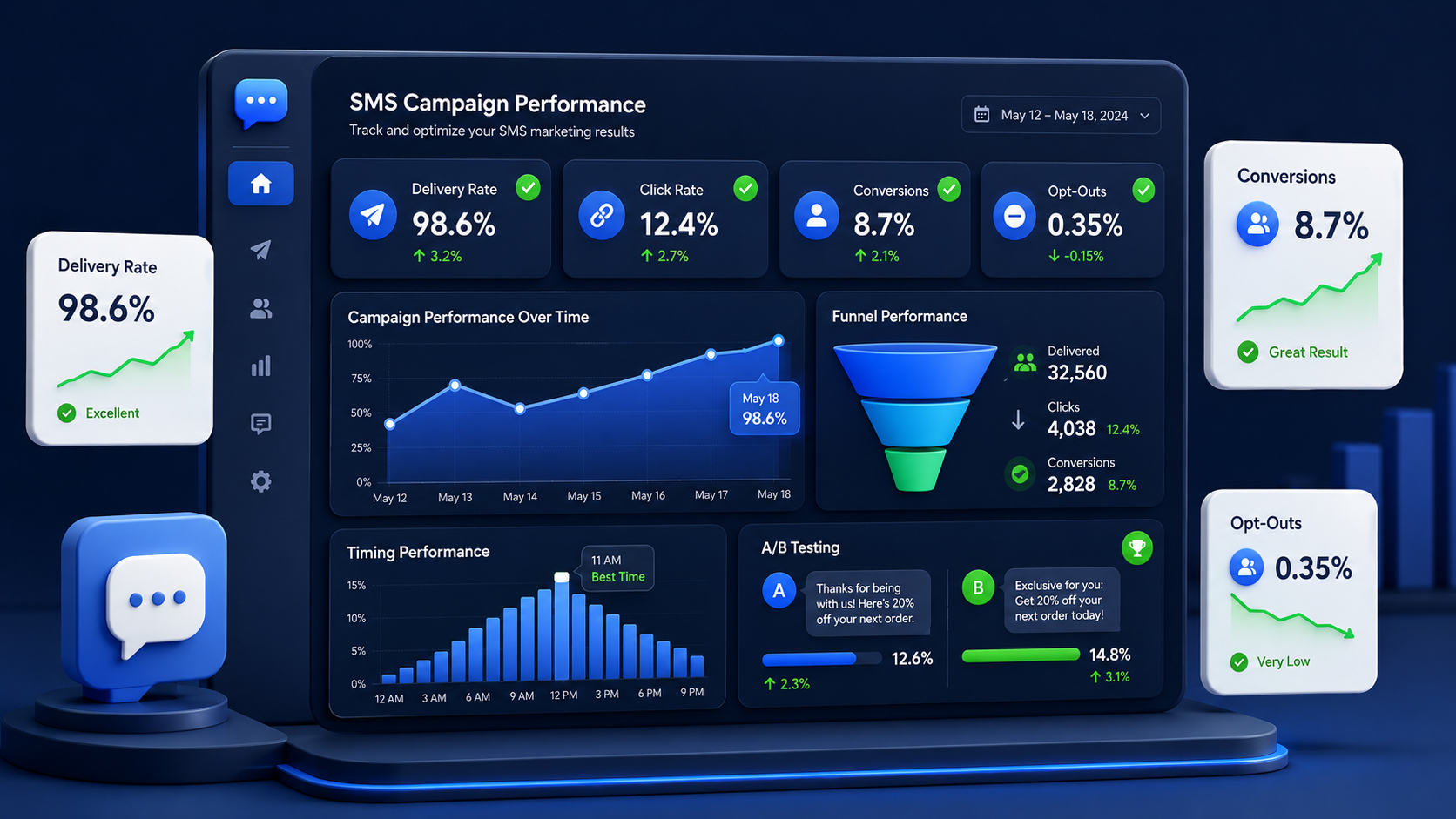
Free SMS marketing isn’t truly free—carriers charge to deliver every message. But you can start SMS marketing with little or almost no upfront spend by using free credits, sending small high-intent tests, or using tools you already pay for.
In this guide, we’ll explain what “free” really means, which low-cost methods are realistic, where deliverability and compliance risks show up, and a simple way to prove ROI before you scale. If you’re working with a tight budget, this will help you start smart and avoid expensive mistakes.
Can SMS Marketing Really Be Free?
No, SMS marketing cannot be truly free because every text message passes through a mobile carrier that charges for delivery. Even if a platform offers free credits or a trial period, someone is covering that cost temporarily.

Source: Vecteezy
When people ask about “free SMS marketing,” they usually mean one of three things:
- A free trial with limited credits
- A small freemium plan with capped monthly messages
- Sending very low volumes so the total cost feels negligible
In all cases, the cost still exists. It’s either delayed, absorbed by the provider, or kept small through limited sending.
Why Carrier Costs Always Exist
Every SMS travels through telecom infrastructure. Carriers route the message to the recipient’s phone and charge a wholesale delivery fee to the platform provider. The platform then adds its own margin for support, software, and routing reliability.
That’s why standard SMS pricing often lands between $0.02–$0.05 per message in the U.S. The infrastructure cost is built in.
Understanding this prevents unrealistic expectations. The goal isn’t to eliminate cost entirely — it’s to control it.
Testing vs. Scaling
Testing SMS can be done at little or no upfront cost. For example, sending 300–500 messages using free credits to validate a cart recovery message is realistic.
Scaling is different. Running ongoing weekly campaigns to tens of thousands of subscribers requires a proper budget and reliable infrastructure.
If you treat free SMS as a testing tool rather than a long-term strategy, you’ll avoid frustration later.
What People Usually Mean by “Free SMS Marketing”?
When people say “free SMS marketing,” they rarely mean unlimited texting with zero cost. More often, they mean testing SMS without upfront payment, using free trial credits, sending very small volumes, or relying on tools they already pay for.
In practice, “free” usually means minimizing financial risk rather than eliminating cost entirely. The real question isn’t whether SMS can be free — it’s how to start cheaply, validate results, and avoid committing budget before you see proof.
Real Ways to Do SMS Marketing with Little or No Cost
There are realistic ways to start SMS marketing cheaply — but they work best for testing, not long-term scaling.
Use Free Trials and Starter Credits
Most SMS platforms offer $5–$100 in free credits or 100–1,000 test messages. Use those credits strategically. Choose a clear use case — for example, sending a cart recovery reminder to 200 recent visitors — and measure clicks or conversions. Don’t waste credits on broad tests. The goal is validation, not volume.
Start with Small, High-Intent Sends
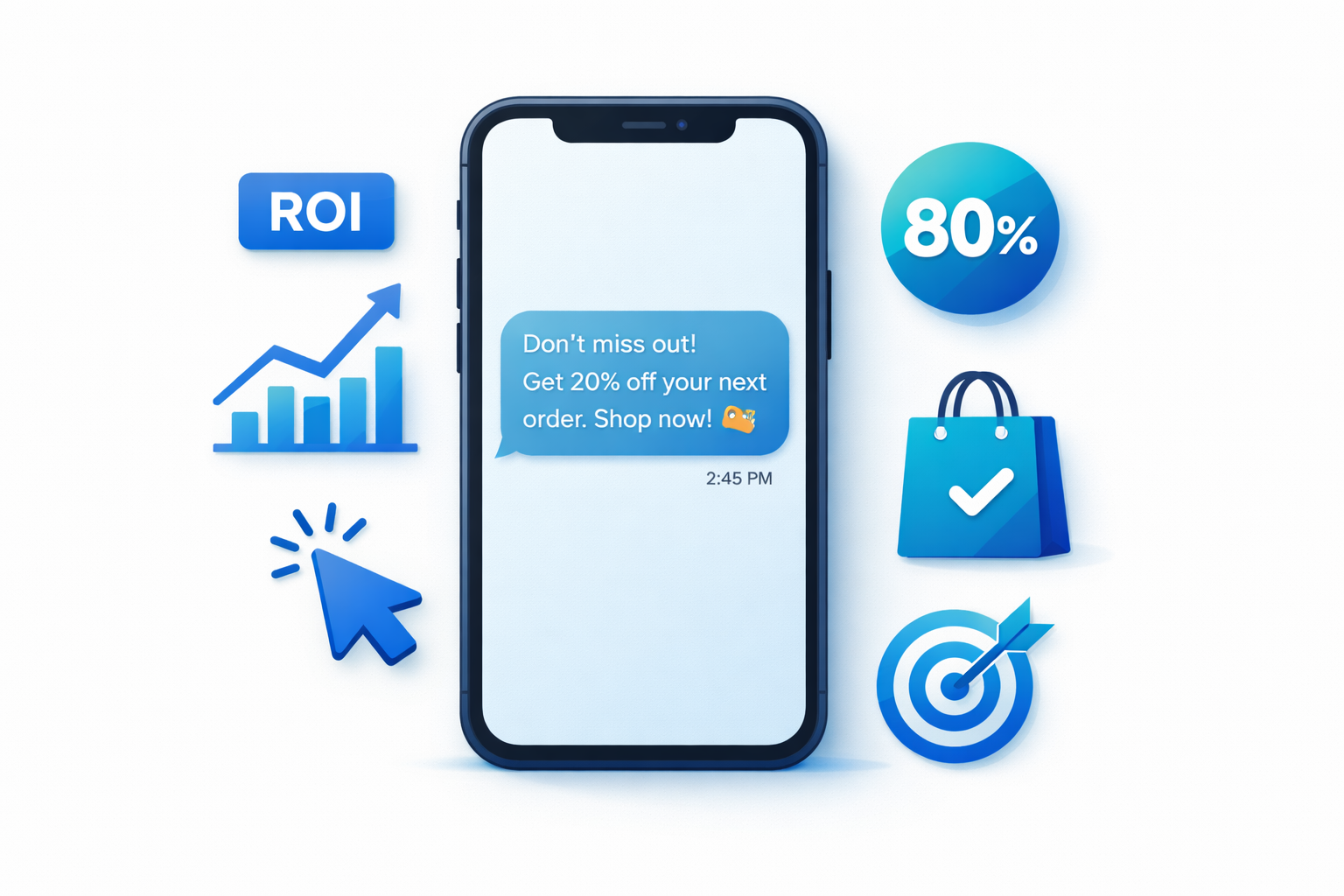
Instead of blasting thousands of subscribers, send 300–500 messages to your most engaged customers. At $0.04 per message, that costs $12–$20 — low enough to treat as a test. A focused list often performs better than a large, cold audience.
Leverage Transactional or Triggered Messages
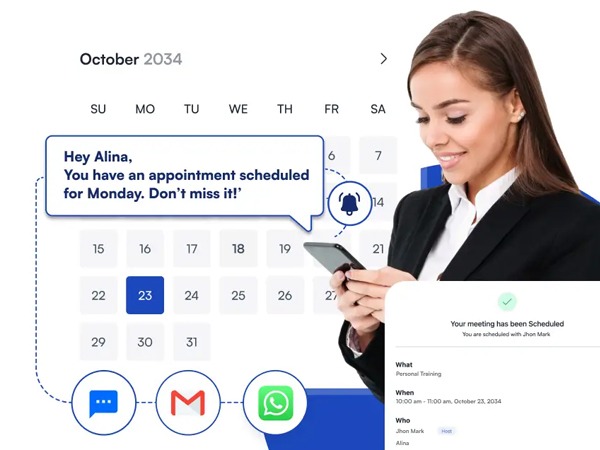
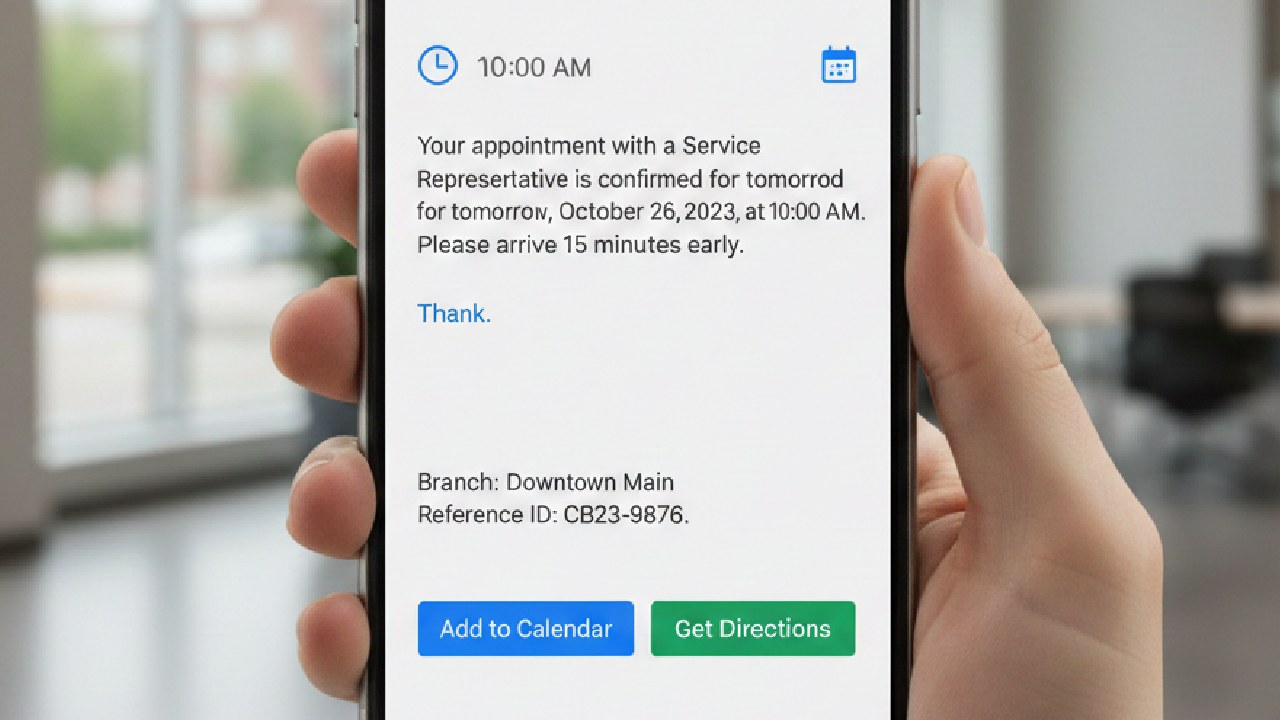
If you already send order confirmations or appointment reminders, adding one additional triggered message may increase value without significantly increasing cost. Transactional SMS is typically priced lower than promotional campaigns and works well for service-based communication.
Validate Messages on Other Channels First
Test your offer on email or social first. If the message converts there, refine it and send it via SMS to a smaller, high-intent segment. This reduces guesswork and keeps SMS spending targeted.
These methods won’t replace a full SMS strategy, but they allow you to test affordably before committing real budget.
What You Can and Can’t Do with Free SMS Marketing?
Free or low-cost SMS methods work well for testing and validation — but they’re not designed for serious, long-term campaigns.
What Free Methods Are Good For
Free SMS is useful when you want to:
- Test whether SMS resonates with your audience
- Send small batches (300–1,000 messages) to validate a use case
- Support low-volume transactional or internal notifications
- Build a proof of concept before requesting budget
At this stage, the goal isn’t scale. It’s insight.
Source: Vecteezy
What Free Methods Cannot Support
Free tools and trials are not built for:
- Ongoing weekly campaigns to large subscriber lists
- High-volume promotional broadcasts
- Mission-critical delivery where reliability is essential
- Full compliance infrastructure with automated opt-in and opt-out management
As soon as SMS becomes a recurring revenue channel instead of a test, free solutions reach their limits.
Understanding these boundaries helps you avoid relying on tools that were never meant to support real marketing scale.
Risks and Limitations You Should Know Before Using “Free” SMS
Free SMS methods can work for testing, but they come with trade-offs you shouldn’t ignore.
Compliance Gaps
SMS marketing is regulated in many countries. In the U.S., promotional messages require clear opt-in consent and easy opt-out options. Some free tools don’t automatically track consent or manage unsubscribe requests properly. If you’re responsible for compliance, you need to make sure those safeguards exist — even during testing.
Deliverability and Filtering
Free or low-tier platforms may not have strong carrier relationships. As a result, messages can be delayed, filtered, or flagged more often than on paid infrastructure. This may not matter for internal alerts, but it becomes critical for time-sensitive offers or revenue-driving campaigns.
Limited Scalability
Free plans are temporary or capped. Credits expire. Message limits shrink. Features may be restricted. What works for 300 messages may not support 30,000.
Free tools are best viewed as short-term validation environments, not long-term marketing infrastructure.
Understanding these risks helps you use free SMS strategically — as a testing phase, not a permanent solution.
A Smarter Way to Start SMS Marketing on a Tight Budget
Instead of chasing “free,” approach SMS marketing with a structured plan: validate small, measure honestly, and scale only when results justify the spend.

Source: Vecteezy
Here’s a simple framework you can follow.
Step 1: Validate a Single Use Case
Don’t launch broad campaigns. Start with one focused goal — cart recovery, appointment reminders, demo follow-ups, or order updates.
Identify 200–500 high-intent contacts who clearly fit that use case. Use free credits or a low-cost send to reach only that group.
Keep the message simple and specific. The objective isn’t volume. It’s proof.
Step 2: Measure Outcomes, Not Message Count
After sending, evaluate what actually matters for that use case.
- Cart recovery → completed checkouts
- Lead follow-up → booked demos
- Appointment reminders → show-up rate
Avoid judging performance based only on open or click rates. Revenue impact or operational improvement is what determines whether SMS deserves budget.
Small sends provide clean data with minimal financial risk.
Step 3: Scale Only When ROI Is Clear
If a 300-message test generates meaningful results, you now have evidence.
For example, if you spend $15 on a small test and generate $150 in revenue, you’ve validated the channel. At that point, increasing volume is a calculated decision, not a gamble.
If the test underperforms, refine the message, adjust the audience, and retest before expanding.
The key is discipline. Free or low-cost SMS should establish baseline performance. Paid SMS should follow proven results.
When you treat SMS as an experiment first and an investment second, you protect your budget and build a channel that can scale sustainably.
Closing Thoughts
Free SMS marketing doesn’t exist — but affordable testing absolutely does.
If you approach SMS with discipline, start small, and measure real outcomes, you can validate the channel with minimal risk. The goal isn’t to eliminate cost entirely. It’s to prove that each dollar spent can generate measurable value.
Once you’ve confirmed ROI, scaling becomes a strategic decision instead of a gamble.
If you want to test SMS without long-term contracts, platforms like SMS Boosting offer free trial credits and flexible plans so you can validate your use case before committing real budget.
FAQs
Are there any truly free SMS platforms?
No legitimate SMS marketing platform can offer unlimited free messaging. Carriers charge for delivery, so someone always pays. Some providers offer limited free trials or small monthly message caps, which are useful for testing. However, long-term campaigns will always require budget once credits run out.
Can I use SMS on my personal cell phone for free?
You can send one-to-one messages from your personal phone, but you cannot run bulk SMS marketing that way. Carriers monitor sending patterns, and large volumes from personal numbers are often flagged or blocked. For any campaign beyond small manual conversations, you need a proper SMS platform.
Can I switch from free SMS to paid without losing my contacts?
In most cases, yes. Your subscriber list is your data, and most platforms allow you to export contacts and import them elsewhere. However, always export your data before a free trial expires. Avoid relying on a temporary platform to store your contacts long-term.