Business text messaging is one of the fastest ways to reach your customers, deliver updates, and keep conversations moving. Messages arrive within seconds, and most people read them almost immediately.
In this guide, we’ll walk you through what business texting is, how it works, the real benefits, the industries that rely on it, and how you can start using SMS to improve customer engagement.

What is business text messaging?
Business text messaging is the practice of sending SMS messages—such as updates, reminders, alerts, or promotions—directly to your customers’ phones. These messages deliver in seconds and don’t require Wi-Fi or mobile data.
Most companies use business SMS to confirm orders, reduce no-shows, share time-sensitive offers, or provide quick support. They rely on SMS as a fast and reliable SMS notification service for updates that customers shouldn’t miss.
How does SMS work for businesses?
SMS works by sending your message from a business texting platform to a mobile carrier, and then directly to your customer’s phone—usually within a few seconds. Instead of using a personal number, companies send and receive texts through a dedicated business number, which keeps communication organized and professional.
Most platforms let you message customers one-on-one or reach large groups through bulk campaigns. This makes SMS flexible enough for everything from appointment reminders to promotional blasts.
Modern systems also provide a centralized inbox where you can manage SMS, social media messages, and even website chat in one place. This prevents missed conversations and saves your team time.
You can also use built-in tools like templates, message scheduling, and smart automation to speed up repetitive tasks. For example, you can set reminders to send automatically or use pre-written templates for common customer questions.
What are the benefits of business texting?
Business texting offers several benefits that help you communicate faster and improve customer engagement.

i) Fast delivery and high open rates
SMS messages deliver almost instantly, and customers typically read them within a few minutes. Industry data shows that SMS open rates average 95–98%—much higher than email. This makes SMS ideal for urgent updates, time-sensitive promotions, or reminders customers shouldn’t miss.
ii) Higher engagement
Customers usually respond faster to texts because SMS feels more direct and personal. A short message about a pickup order or limited-time discount encourages immediate action. For example, many e-commerce stores see 20–35% click-through rates from SMS campaigns—far above the average email CTR.
iii) Clear and simple communication
Texts are brief by design, which helps you deliver important information without overwhelming your customers. A dentist might send a quick reminder before tomorrow’s appointment, while a fitness studio shares a one-line update about a class schedule change. Simple messages reduce confusion and help customers act quickly.
iv) Reach customers anywhere
SMS doesn’t rely on Wi-Fi or mobile data, so your message still reaches customers in places where apps or email struggle. This is especially helpful for service businesses that send on-the-way notices, delivery updates, or appointment reminders.
For example, delivery drivers often rely on SMS to confirm drop-offs because customers can receive texts even in underground parking garages or low-signal areas.
v) Affordable for businesses of any size
Texting is one of the most cost-effective communication channels. It means you can contact hundreds or thousands of customers without a big budget.
Compared to paid ads or printed mailers, SMS offers a much lower cost-per-engagement—especially when your messages get read almost every time.
vi) Easy automation and personalization
Most SMS platforms let you schedule or automate messages based on customer actions. You can send:
- welcome messages after sign-up
- reminders the day before an appointment
- order updates when a package ships
- birthday discounts
Adding the customer’s name or purchase details makes the message feel more personal. A small touch like “Your order #1528 is now ready for pickup” goes a long way in building trust.
vii) Works well alongside email and social media
SMS doesn’t replace your other communication channels—it supports them. You can use:
- Email for long content
- Social media for brand building
- SMS for urgent or time-sensitive updates
viii) Increases customer satisfaction
Clear, timely updates make customers feel informed and cared for. This reduces frustration, no-shows, and unnecessary support calls. Many clinics report 20–40% fewer missed appointments after adding SMS reminders. Happy customers usually stay loyal—and often recommend your business to friends.
ix) Improves operational efficiency
Business texting helps your team work faster by reducing the time spent on calls, follow-ups, and repeated reminders. A single automated message can confirm bookings, update customers on orders, or send important alerts without human involvement.
For example, clinics that move appointment confirmations from phone calls to SMS often save hours of admin time per week, allowing staff to focus on real customer service instead of manual outreach.
x) Matches modern customer preferences
Most customers prefer text over phone calls or emails for quick updates. Surveys consistently show that over 70% of people prefer receiving text messages for bookings, orders, and reminders to emails.
xi) Creates a more professional customer experience
Clear, timely communication makes your business look more organized and trustworthy. When customers receive on-time order updates, reservation confirmations, or check-in reminders, they instantly feel that your process is well-managed.
Types of Business SMS
Business text messaging covers many uses, including SMS marketing, appointment reminders, order updates, and urgent alerts. Each one serves a different purpose and helps you communicate more effectively.
i) Promotional SMS
Promotional SMS messages share offers, discounts, or new product announcements. They’re designed to encourage customers to take action quickly.
Example: A clothing store might text customers a 48-hour flash sale with a direct link to buy.
ii) Transactional SMS
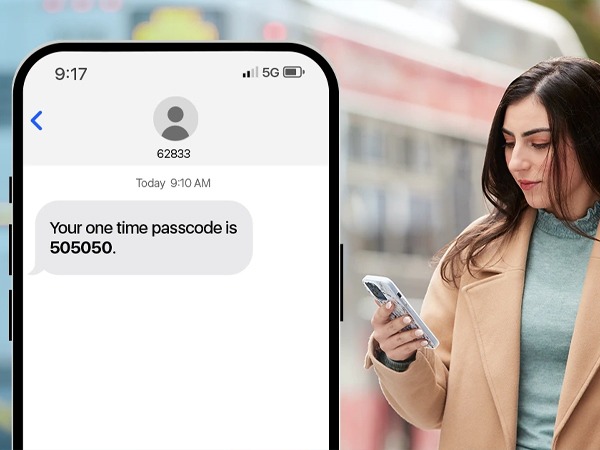
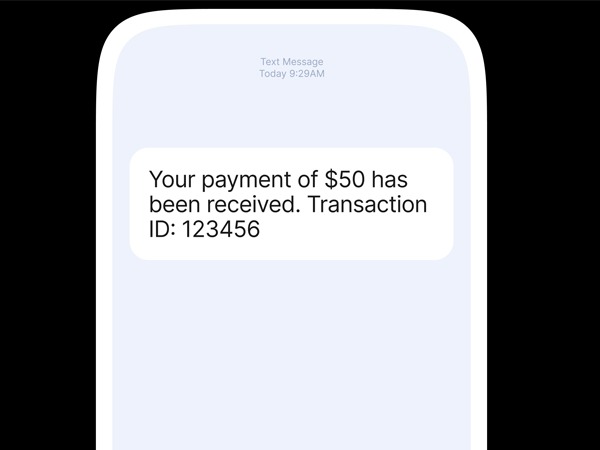
Transactional texts confirm actions customers have already taken—such as purchases, bookings, or payments. They can also be used to deliver SMS payment links, enabling customers to complete renewals, invoices, or deposits directly from their phones.
Common examples include order confirmations, shipping updates, and secure codes such as OTP SMS used for account verification.
iii) Reminder SMS
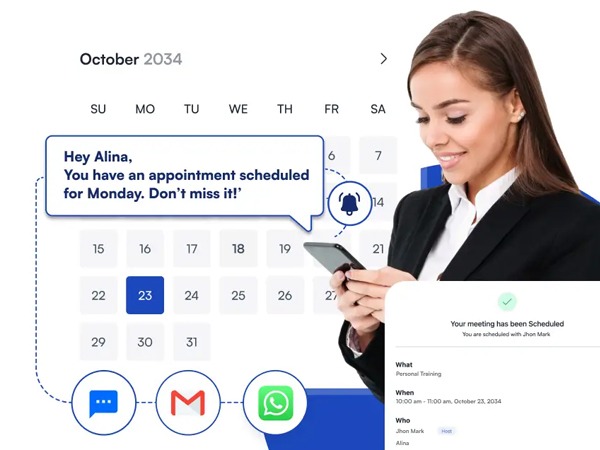
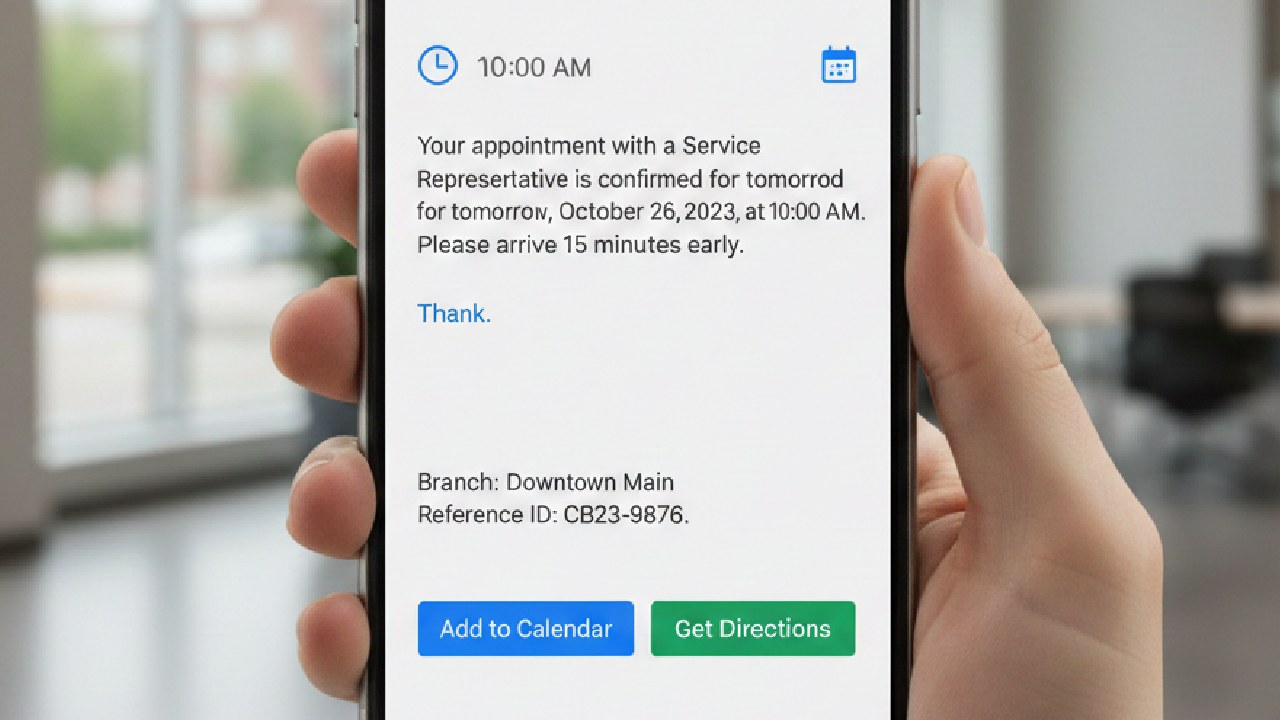
Reminder texts help customers stay on schedule. Clinics, gyms, salons, and repair services rely heavily on SMS to cut down no-shows.
Example: “Hi Emma, your dental appointment is tomorrow at 10:30 AM.”
iv) Alert SMS
Alert messages communicate urgent or important information—such as service interruptions, fraud alerts, delivery delays, or account notifications.
Example: Banks often send SMS alerts if they detect unusual account activity.
What industries use business texting?
Many industries depend on SMS because it delivers fast, reliable communication. Here are some common examples and how each one benefits.
a) Retail and e-commerce
Retailers use SMS to share order updates, restock alerts, and limited-time promotions. Customers often check these messages immediately, which boosts conversion rates for sales and new arrivals.
Example: Online stores frequently send “Your package is out for delivery” texts, reducing support tickets and improving the customer experience.
b) Health and fitness
SMS reminders dramatically reduce missed appointments—a major pain point for clinics, dentists, physiotherapists, and gyms. Industry studies show that appointment reminders via SMS can lower no-shows by 20–40%.
Example uses:
- appointment reminders
- test-result notifications
- membership renewal reminders
Patients and members appreciate clear, timely communication.
c) Hospitality and travel
Hotels, restaurants, and travel companies rely on SMS to share booking confirmations, check-in instructions, and schedule changes.
Imagine arriving at a hotel and receiving a quick text with your room number and Wi-Fi code—it removes guesswork and improves the customer experience instantly.
d) Financial services
Banks, insurance companies, and fintech apps rely on SMS to deliver urgent alerts, verification codes, and payment reminders. Customers usually check these messages right away, which makes SMS the safest and fastest way to confirm identity or notify users about important account activity.
Example: Insurance companies also depend on insurance SMS to send policy updates, payment reminders, renewal notices, and claim-status alerts. These messages help reduce missed payments and keep customers informed without calling.
e) Education
Schools, universities, and training centers use SMS to keep parents and students updated about events, schedule changes, and deadlines. Messages cut through the noise that often fills email inboxes, making sure important announcements are not missed.
A simple text like “School closes early today due to weather conditions” helps families adjust plans immediately.
f) Real estate and property management
Real estate agents use SMS to confirm viewing appointments, share property details, and follow up with leads in a more personal way. Property managers rely on texts to notify tenants about maintenance schedules, rent reminders, or emergency updates.
Because real estate decisions often require quick communication, SMS keeps conversations moving without long delays.
f) Service providers and events
From electricians to wedding planners, service-based businesses use SMS to send arrival notices, reminders, quotes, and event updates. Timely texts reduce misunderstandings and help businesses stay organized, especially when managing multiple clients in a day.
Example: Event planners often use SMS as a “last-mile communication tool,” ensuring vendors stay aligned on timing and setup details.
How to Measure SMS Performance?
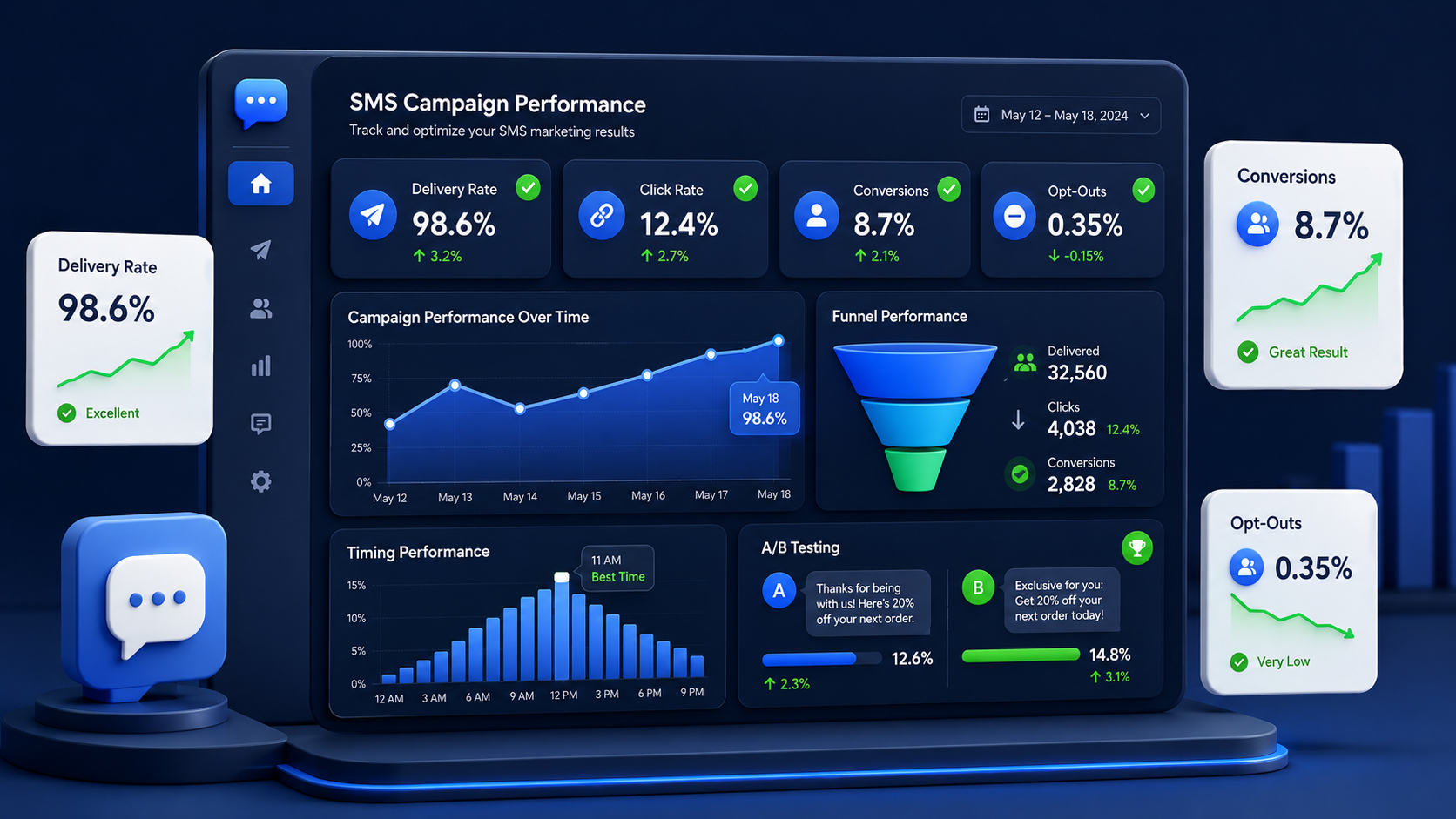
Measuring SMS performance helps you understand whether your messages are reaching the right audience and encouraging the right actions. You need to pay attention to these key metrics: delivery rate, open rate, click-through rate, response rate, conversion rate, and unsubscribe rate.
- Delivery rate
Delivery rate shows how many messages successfully reached your customers’ phones. A strong delivery rate (usually 95%+) means your contact list is clean and your SMS provider is reliable. If you see drops in delivery, it may signal invalid numbers or carrier filtering.
- Open rate
SMS open rates are usually extremely high—between 95% and 98%—because messages appear directly on the lock screen. If your open rate seems unusually low, it may indicate long messages, unclear sender names, or poor timing.
- Click-through rate (CTR)
CTR tells you how many people clicked a link in your message. A typical SMS campaign sees 20–35% CTR, depending on the offer and urgency.
High CTR means your message was compelling and clearly written. If CTR is low, test shorter texts, clearer calls-to-action, or more targeted segments.
- Response rate
For two-way messaging, the response rate shows how engaged your customers are. Service-based businesses often see strong response rates when confirming appointments or handling quick questions.
- Conversion rate
This is the percentage of recipients who completed the action you wanted—such as booking, purchasing, or confirming. This metric shows the real business impact of your SMS strategy.
- Unsubscribe rate
A normal opt-out rate is 0.2–0.5% per campaign. If this number rises, you may be sending messages too often or sharing content that customers don’t find useful.
SMS Compliance & Regulations
SMS compliance ensures you communicate legally and respectfully with your customers. Following these rules protects your business from fines and carrier blocking.

- Consent (opt-in)
You must get clear permission before sending marketing messages. Customers can opt in through forms, checkout pages, sign-up boxes, or QR codes.
Sending unsolicited texts may lead to carrier filtering, penalties, or customers reporting your number as spam.
- Easy opt-out
Every SMS must include a simple way to unsubscribe—usually by replying “STOP.” Your system should remove the number immediately to avoid violations. If too many customers report your messages, carriers may block your sender ID.
- Honest and accurate message content
Misleading or spammy offers are not allowed. Your message must reflect the real promotion, update, or alert. This protects customer trust and avoids compliance issues.
- Reasonable frequency and timing
void sending messages too early, too late, or too often. Many regions have rules on “quiet hours” and acceptable send times. Even if not legally required, considerate timing improves engagement and reduces opt-outs.
Tip: Many businesses limit promotional SMS to 2–4 per month and use automated reminders only when needed.
- Protecting customer data
Phone numbers are sensitive information. Store them securely, limit internal access, and avoid sharing them without permission. Strong security not only prevents legal issues but shows professionalism.
How to get started the business SMS?
Getting started with business SMS is simple once you set up the right tools and follow a clear plan. Here’s a practical way to begin.
i) Choose an SMS platform that fits your needs
Look for features such as automation, scheduling, analytics, contact management, and API integration. If you use a CRM or booking tool, make sure your SMS provider can connect to it—this saves a lot of manual work later.
Tip: Avoid platforms that don’t show delivery reports. You need to know which messages reach your customers.
ii) Build a permission-based contact list
Only message customers who have opted in. You can collect numbers through website forms, checkout pages, QR codes, loyalty programs, or in-store sign-ups. Good lists outperform large lists. A smaller audience that wants your messages will always deliver better engagement.
iii) Segment your audience
Segmenting helps you send relevant messages and avoid generic blasts. Examples include:
- new customers
- repeat buyers
- location-based groups
- appointment-based clients
- high-value customers
When messages match customer behavior, engagement always increases.
iv) Write clear, actionable messages
Keep it short. Lead with the important detail first, then add a link or call-to-action.
Example templates:
- “Your order #2251 is ready for pickup. View location: [link]”
- “Reminder: Your appointment is tomorrow at 10:30 AM.”
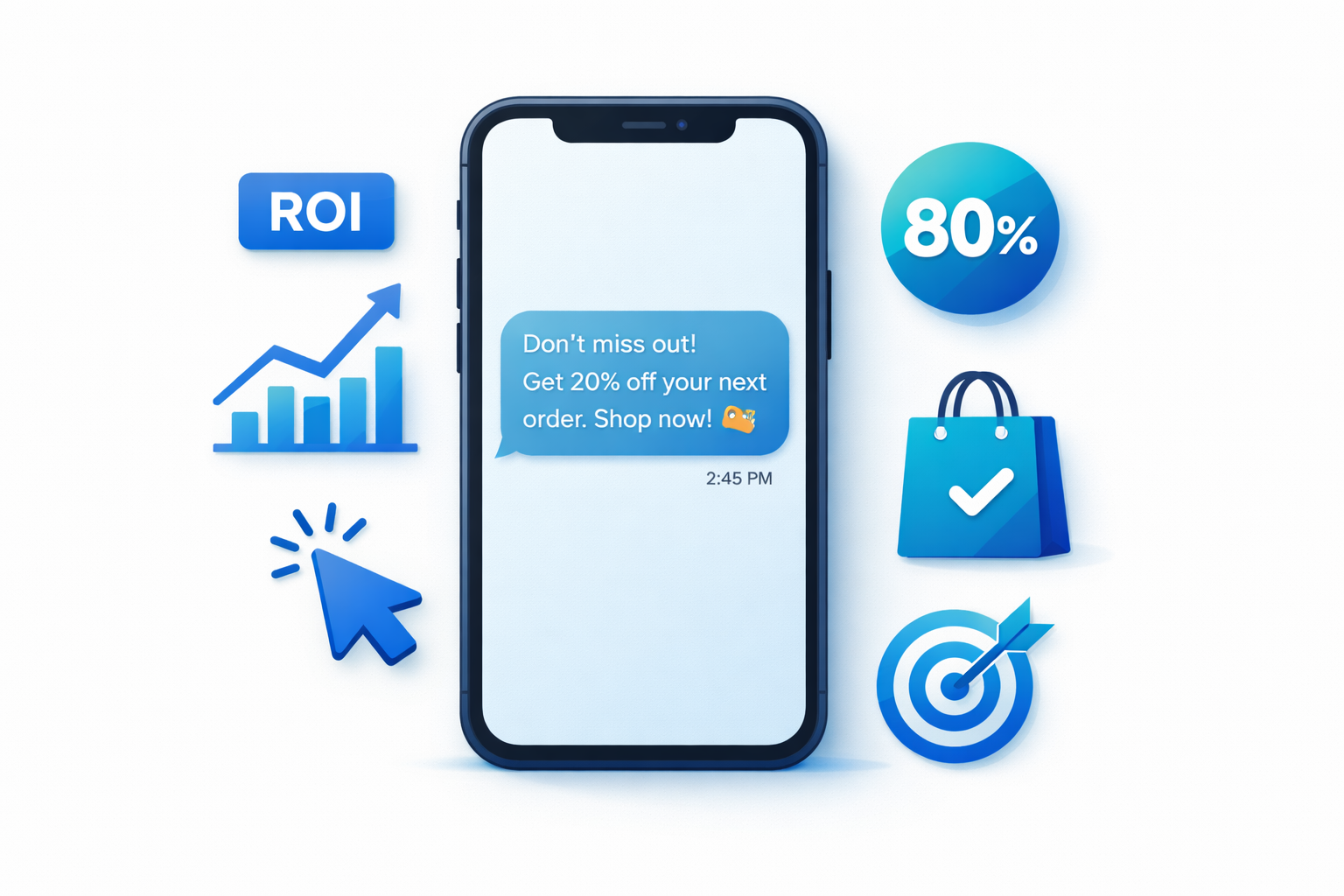
- “Flash Sale: 20% off all items today only. Shop now: [link]”
v) Send at the right time
Avoid early mornings, late nights, or random times. For most businesses:
- promotional SMS perform best between 10 AM–6 PM
- reminders should go out 24 hours or 2 hours before the event
Scheduling messages ahead of time makes the process easy to manage.
vi) Track your results and improve
Monitor delivery, open rate, CTR, conversions, and opt-outs. Test different:
- message lengths
- send times
- offers
- customer segments
Small changes can help you significantly improve performance over time.
How Much Does Business Text Messaging Cost?
The cost of business SMS depends on your provider, message volume, and the regions you send to. Here’s what affects your final price.
a) Pay-per-message pricing
Most platforms charge per SMS. International SMS often cost more because they travel through additional carrier routes. Higher volumes usually lower the price per message.
b) Subscription plans
Subscription plans often include a fixed number of messages plus features like automation, templates, analytics, and APIs. If you send SMS regularly, a subscription is usually more affordable than pay-as-you-go.
c) Extra features
Some add-ons may increase your cost:
- dedicated sender ID
- short codes
- advanced automation
- CRM integrations
- 2-way messaging
These tools can be worth the investment if you rely heavily on SMS.
d) Bulk discounts
Buying message bundles—such as 5,000 or 10,000 credits—reduces the cost per SMS. This is helpful for seasonal campaigns or large customer bases.
e) Hidden costs to watch forHidden costs to watch for
Always check for:
- international SMS fees
- charges for failed messages
- short-code setup fees
- API request fees
A good provider should show transparent pricing before you commit.
Free SMS for Business (Recommended Platforms)

Free SMS platforms are a simple way to test business texting before investing in a paid plan. They usually offer a small number of trial credits along with basic tools like scheduling, message templates, and simple analytics. This gives you enough room to check delivery speed and see how customers respond to different message styles.
These free plans do have limits—such as no custom sender ID, limited automation, and lower sending caps—so they work best for small-scale testing rather than daily use. Once your message volume increases, upgrading becomes necessary to keep delivery fast and reliable.
If you’re comparing providers, tools like SMS Boosting offer trial quotas that let you test real campaigns without risk. Use your free credits to try two send times and two message styles. Even a short test can reveal what kind of SMS communication works best for your audience.
Conclusion
Business text messaging gives you a direct and reliable way to reach customers with updates, reminders, alerts, and offers they’ll actually read. With high open rates, fast delivery, and simple automation, SMS can support everything from customer service to sales.
If you’re just starting out, begin with a small list and test a few message types. Track your results, refine your timing, and build your SMS strategy as engagement grows. The businesses that succeed with SMS are the ones that treat it as an ongoing conversation—not a one-time blast.
When you’re ready to scale, choose an SMS platform that delivers messages quickly, provides clear analytics, and fits smoothly into your workflow. At SMS Boosting, you can test your first campaigns with trial credits, explore automation options, and upgrade only when you’re confident SMS is driving results for your business.