If you’re trying to choose the best SMS platform for your business, the process can feel a little overwhelming at first. But once you know what to look for—delivery speed, reliability, pricing, features, and support—it becomes a whole lot easier. The right platform helps you send messages that land on time, keep customers updated, and support everything from marketing blasts to OTP codes.
In this guide, we’ll walk through the factors that actually matter when picking an SMS service. By the end, you’ll know exactly what to look for (and what to avoid), whether you’re sending marketing campaigns, login OTPs, or time-sensitive notifications.
What Are the Main SMS Use Cases You Should Consider?
You should choose a platform based on the type of SMS you plan to send. Each type has different speed, volume, and personalization needs.

i) Marketing SMS
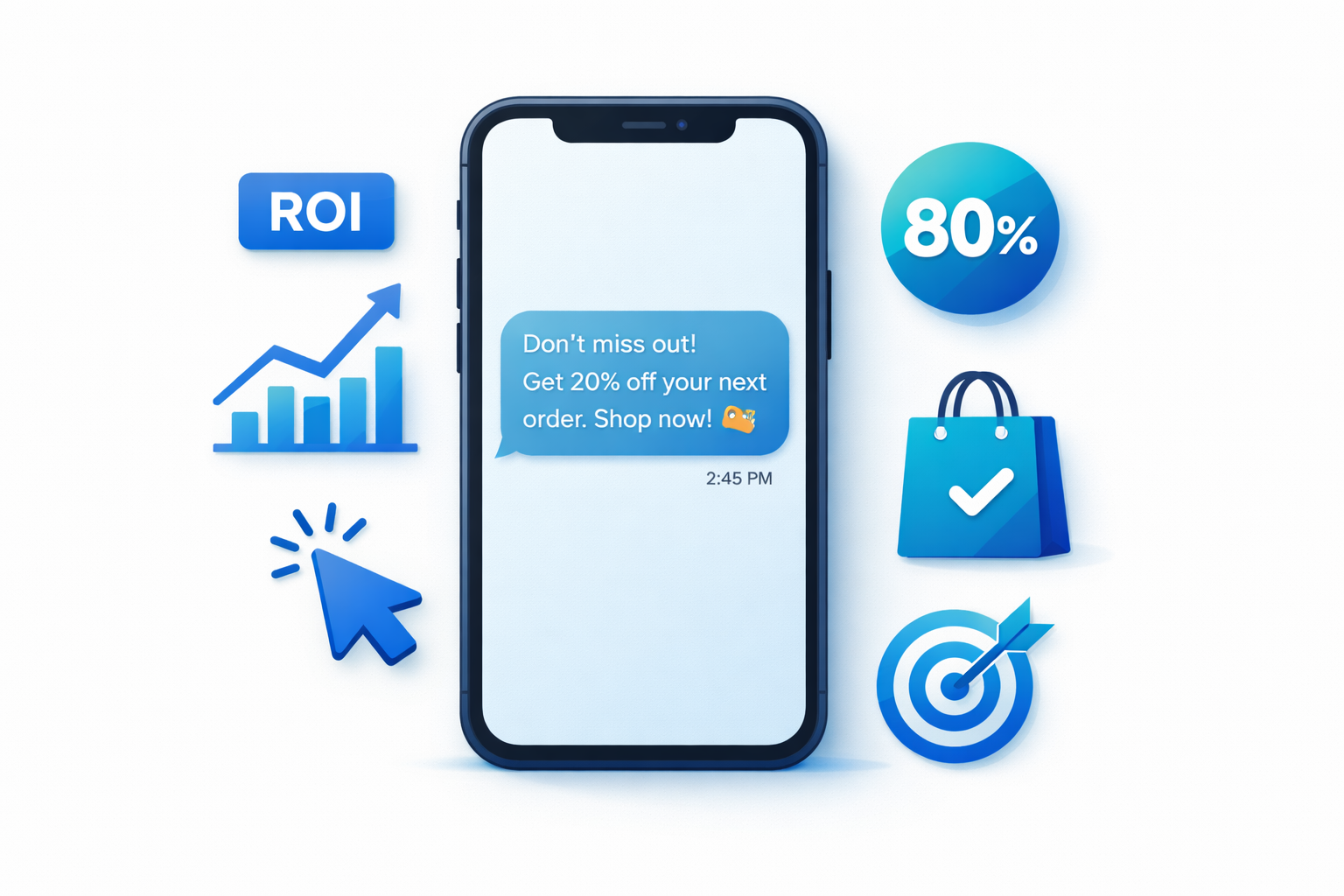
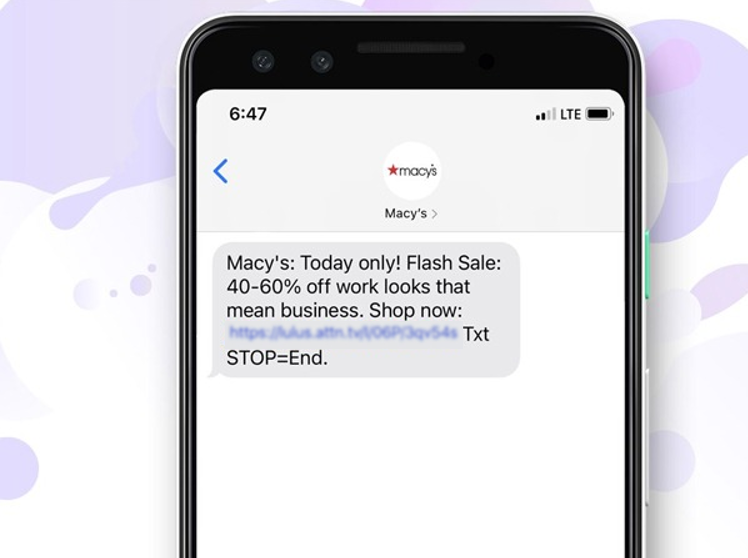
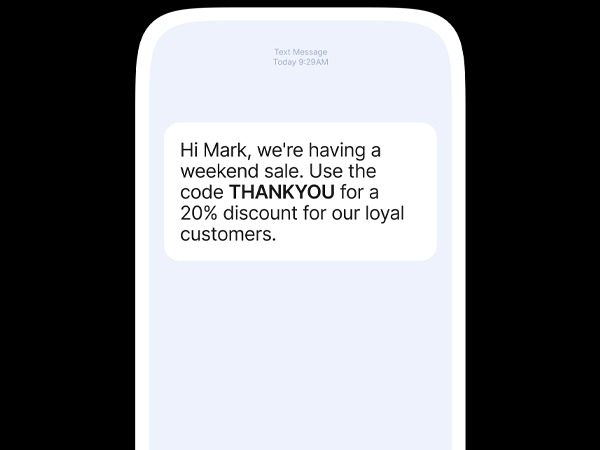
Marketing SMS works best for quick promotions, discount alerts, and reminder messages. These campaigns usually run at high volume, and the more personalized they are, the better your results.
Example:
Think of flash sales, abandoned cart reminders, and “Hey, your order is ready—here’s 10% off your next purchase” messages.
ii) OTP (One-Time Password) SMS
OTP SMS must arrive fast—usually within a few seconds. They support login verification, password resets, and 2-factor authentication. Speed and security matter more than anything else here.
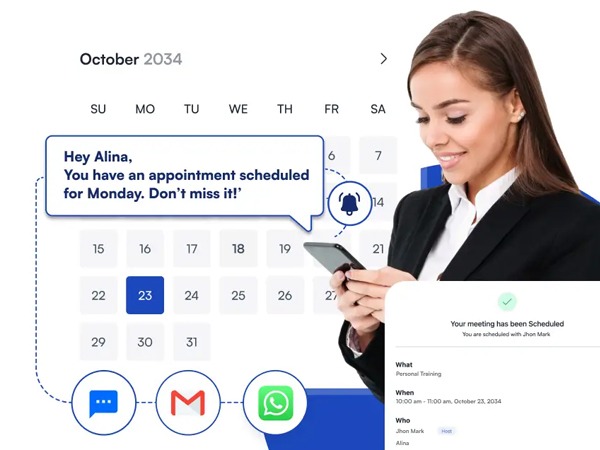
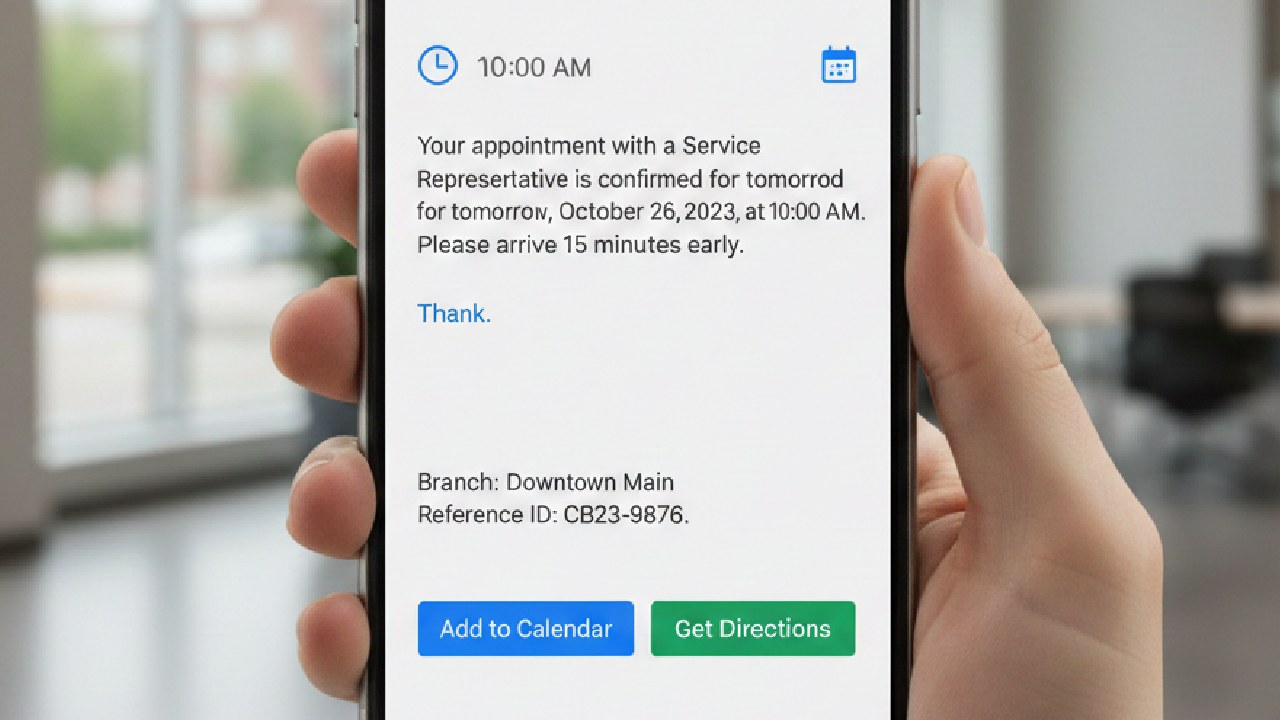
These messages keep customers updated on order status, deliveries, payment confirmations, system alerts, or schedule reminders. They don’t need the same personalization level as marketing SMS, but they must be dependable.
What Factors Should You Evaluate When Choosing an SMS Platform?
You should evaluate an SMS platform based on reliability, delivery speed, features, compliance, ease of use, pricing, and customer support. Below is a breakdown that keeps things simple and practical.
i) How Reliable Is the Platform (and How Good Are the Delivery Rates)?
A strong SMS platform delivers messages consistently and quickly—even during peak hours. When you review reliability, focus on a few core areas:
High delivery rates (low bounce rates)
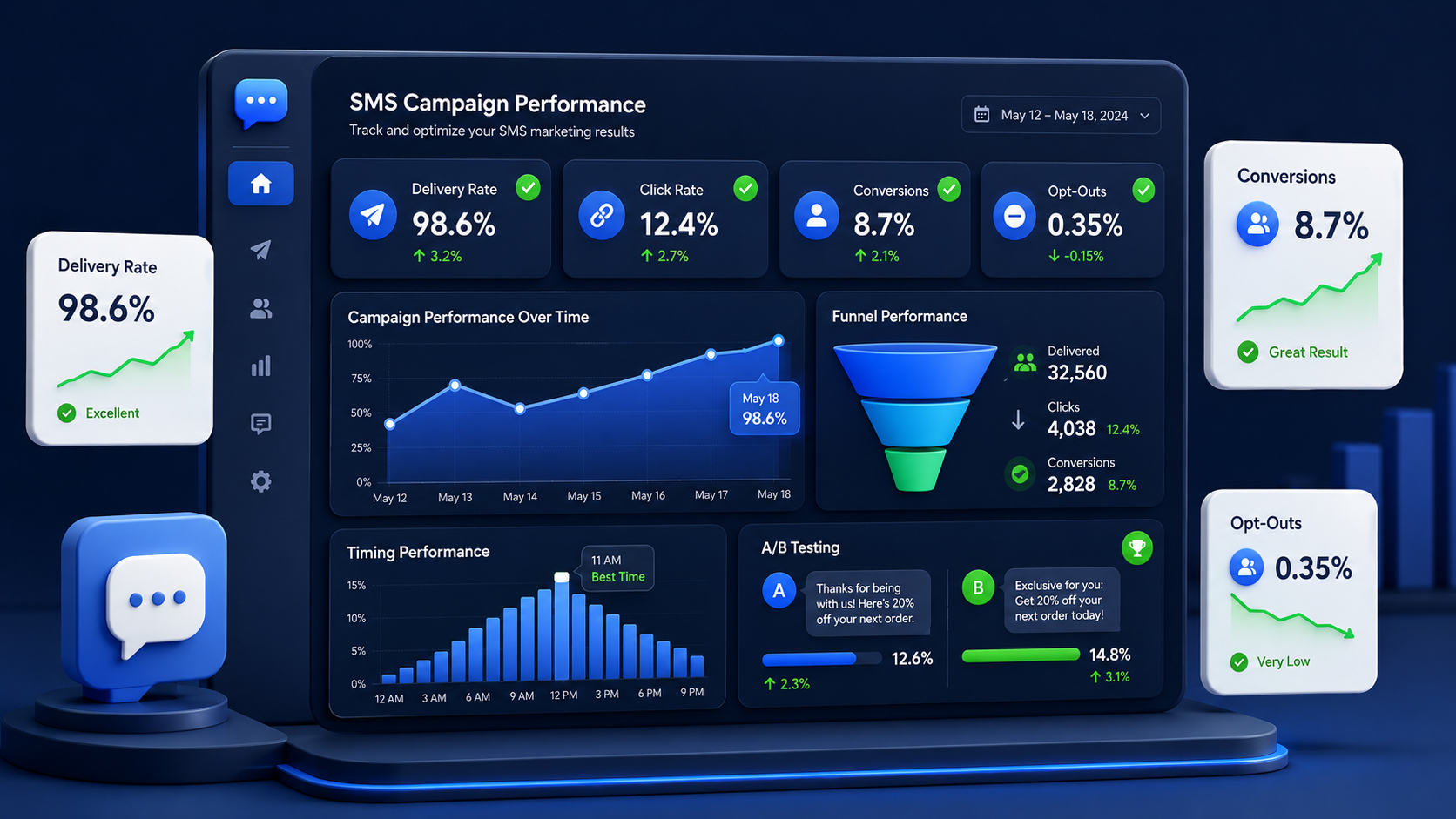
High delivery rates show that most of your messages actually reach the recipient. A low bounce rate means the system is routing traffic correctly instead of sending it through unstable or outdated channels. If the platform relies on weak routes, messages might arrive late or disappear entirely.
(Example: If your order notifications fail during a big sale, customers will flood your support inbox in minutes—never fun.)
Correct carrier routing
Your SMS provider must choose the right route every time. Strong routing keeps delivery fast and predictable, while cheap “grey routes” often lead to delays, message drops, or unpredictable timing. Some platforms quietly send traffic through the cheapest international pathways to save costs, but that usually slows everything down for you.
Strong coverage locally and globally
Your routing needs depend on your customer base. If you only send local SMS, domestic routes may be enough. But if you sell internationally, you need a provider with carrier partnerships in multiple countries. Sending a promotion to three different regions is far more complex than texting customers in one city, so strong carrier relationships ensure your messages arrive on time everywhere.
Infrastructure with redundancy
Reliable platforms have backup systems in place. CDN distribution, failover routing, and mirrored servers help messages keep moving even when one path goes down. If a network fails, the system automatically switches to another route so your OTP still shows up quickly.
(Think of it like having a second highway ready to go when the main road gets blocked—traffic keeps flowing either way.)
ii) Does the Platform Meet Compliance & Security Standards?
A trustworthy SMS service must follow local telecom rules, protect user data, and keep OTP traffic secure. Look for:
- Encryption (AES, TLS)
- Audit logs
- Rate limiting (example: no more than 5 OTP requests per 10 minutes)
- Fraud detection tools
This protects you from unauthorized OTP requests or spam attacks that can rack up costs.
iii) Can the Platform Scale as Your Traffic Grows?
Your SMS traffic might spike during:
- Sales campaigns
- Holiday seasons
- App launches
- Login surges
Ask about:
- Throughput per second
- Message queuing
- Concurrency
- Peak-hour performance
A business sending 20,000+ text messages during a sale needs a provider that doesn’t choke or delay messages.
iv) How Flexible Are the Features?
The best SMS platforms give you the tools you need to grow your business, not just send plain messages.
Helpful features include:
- Personalization tags
- Segmentation
- Scheduling
- A/B testing
- Analytics
- Webhooks
- A clean API with easy integration
Imagine sending two versions of the same message to test which offer gets more clicks.
v) Is the Platform Easy to Use (For Both Marketers and Developers)?
Your marketing team wants a simple dashboard. Your developers want clean documentation and sample code. A user-friendly platform includes:
- Drag-and-drop tools
- Templates
- Copy-and-paste code snippets
- Testing sandbox
- RESTful API endpoints
If the provider offers staging and production environments, your dev team will thank you.
vi) Is the Pricing Transparent?
ALWAYS ask for a clear breakdown:
- Local SMS rates
- International SMS rates
- Setup fees
- Monthly subscription fees
- Carrier surcharges
- DLT/registration fees (for India, UAE, etc.)
Try the free trial if it’s available to see the real cost.
vii) How Good Is the Customer Support?
When your business depends on timely SMS delivery, slow or unhelpful support can create delays and angry customers. Questions to ask:
- Do they offer 24/7 support?
- What channels do they use (live chat, phone, tickets)?
- Do they have a public SLA?
- What’s their uptime guarantee?
Clear documentation and troubleshooting guides also save you time setting up the system and reduce the chances of errors.
How Do You Choose the Right CPaaS Platform for Your Business?
Choosing the right CPaaS (Communications Platform as a Service) depends on your message volume, use case, and future communication plans. Here’s a simple process to follow:

a) Start by Assessing Your Needs
Think about:
- How many messages you send per day/month
- The type of SMS you use (marketing, OTP, notifications)
- Your future growth plans
This gives you a baseline for what “good” performance looks like for your business.
b) Match Your Needs to the Right Features
Example:
- Heavy marketing? → Choose personalization, segmentation, high throughput
- OTP and notifications? → Choose fastest delivery, strong security, failover routing
You don’t need every feature under the sun—just the ones that actually support your workflow.
c) Compare Price vs Value
A “cheap” platform can cost more if:
- OTP messages are delayed
- Delivery rates drop
- Hidden fees pile up
Sometimes paying a bit more gives you better support and smoother operations.
d) Think About Future Flexibility
If you want to expand to voice calls, email, or chat in the future. Then you choose a full CPaaS platform that saves you from having to switch platforms later.
Why and When to Consider a Specialized Provider?
A specialized provider is worth considering when:
- You need fast OTP delivery
- You operate in multiple countries
- You send high-volume marketing SMS
- You need strong infrastructure with backup routing
Example:
A logistics company that relies on real-time delivery updates cannot afford delays. A general platform might struggle during peak hours, while a specialized provider routes messages through optimized paths.

Who Benefits Most?
- E-commerce: For sending order updates, promotions, and OTP verification.
- SaaS companies: For secure login OTPs and user notifications.
- Retail stores: For marketing campaigns and customer alerts.
- Logistics: For real-time delivery and tracking notifications.
A specialized provider usually offers clearer workflows, faster setup, and better analytics.
What Should You Ask Before Committing to an SMS Platform?
You need to ask the right questions before choosing an SMS platform. This will guarantee that the service you choose fits your needs and can grow with your business.
a) “What’s your delivery rate in my target countries?”
Ask about the platform’s delivery rate in your target area. You want to know how your messages reach their planned recipients. If the delivery rate is low, your OTPs, notifications, or marketing messages won’t reach your customers.
b) “How fast are OTP and notification deliveries?”
See how fast the platform delivers messages. If you’re sending OTPs or instant notifications, even a few seconds of delay can frustrate customers or cause them to miss important notifications. Also, ask what the average latency is and whether there are failover routes to maintain delivery during high traffic.
c) “How do you handle compliance?”
Make sure the provider follows all local laws. For example, opt-in and opt-out laws, data privacy, and storage requirements.
d)“Is your API documentation easy to follow?”
If you want to integrate SMS into your systems, the API documentation should be clear and easy to understand. Ask if they provide instructions, sample code, and SDKs.
e) “What support and SLA do you provide?”
Customer support is crucial to your experience. Ask how quickly they respond to issues and what SLA they provide. Fast support is especially helpful during campaigns or high traffic.
f) “How well do you scale during peak volume?”
Ask how the platform works during growth. Can it handle higher message volumes as your business grows? You want the service to be able to grow with you without any delays or issues.
Conclusion
Choosing the best SMS platform becomes much easier once you know what to look for. Start with your message types, then compare reliability, speed, compliance, pricing, scalability, and support. The right provider makes sure your messages land fast—especially when you’re sending OTPs or important customer updates.
If you want a simple option for marketing SMS, OTP, or notification messages, SMS Boosting is a solid place to start. Their interface is clean and delivery routes are reliable. When you pick the right SMS platform, your messages work harder for you—and your customers get the smooth, timely experience they expect.
FAQs
1. How fast should an OTP message be delivered?
OTP messages should normally arrive within 2–5 seconds. If you see frequent delays longer than 10 seconds, the routing or gateway may be unreliable. Slow OTP delivery often causes login failures and increases customer drop-off rates.
2. What’s the difference between direct routes and grey routes in SMS?
Direct routes connect your message straight to the carrier, giving faster and more stable delivery. Grey routes take indirect or discounted paths, which can cause delays or message drops. For businesses sending OTPs or urgent notifications, direct routes are the safer choice.
3. Why do SMS prices vary so much between countries?
Each country has different regulations, carrier fees, taxes, and filtering rules. Some regions also require sender ID registration or DLT templates. These factors influence the final cost of sending a message across borders.
4. How can I improve marketing SMS engagement rates?
You can improve engagement by segmenting your audience, using personalization tags, sending during optimal hours, and adding clear calls to action. A/B testing also helps identify the best message versions.
5. Why do some SMS messages get flagged or filtered?
Messages may be filtered due to spam-like keywords, unregistered sender IDs, excessive capitalization, URL issues, or regulatory violations. A reliable SMS provider will guide you on compliance and help you reduce filtering risks.