Personalized SMS marketing has become one of the most effective ways for businesses to reach customers in a timely and relevant way. As more brands rely on mobile communication, companies are turning to SMS templates to help streamline their workflow, reduce manual effort, and create highly tailored messages that feel personal to each recipient.
This guide explains how SMS templates work, why personalization matters, and how your business can use both to strengthen customer engagement while keeping operations efficient.
Why Personalization Matters in SMS Marketing
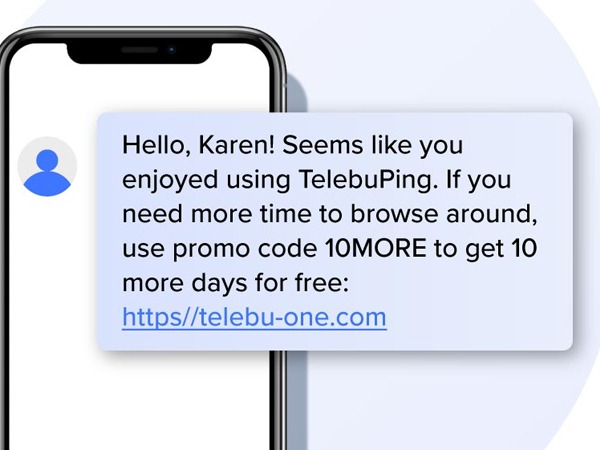
Personalization is no longer optional for brands using SMS. Customers tend to respond more positively to messages that align with their interests, recent activity, or preferences. When implemented with thoughtful segmentation and an effective SMS marketing service, personalized texts can help businesses communicate with greater clarity while maintaining a positive customer experience.
Higher Engagement and CTR
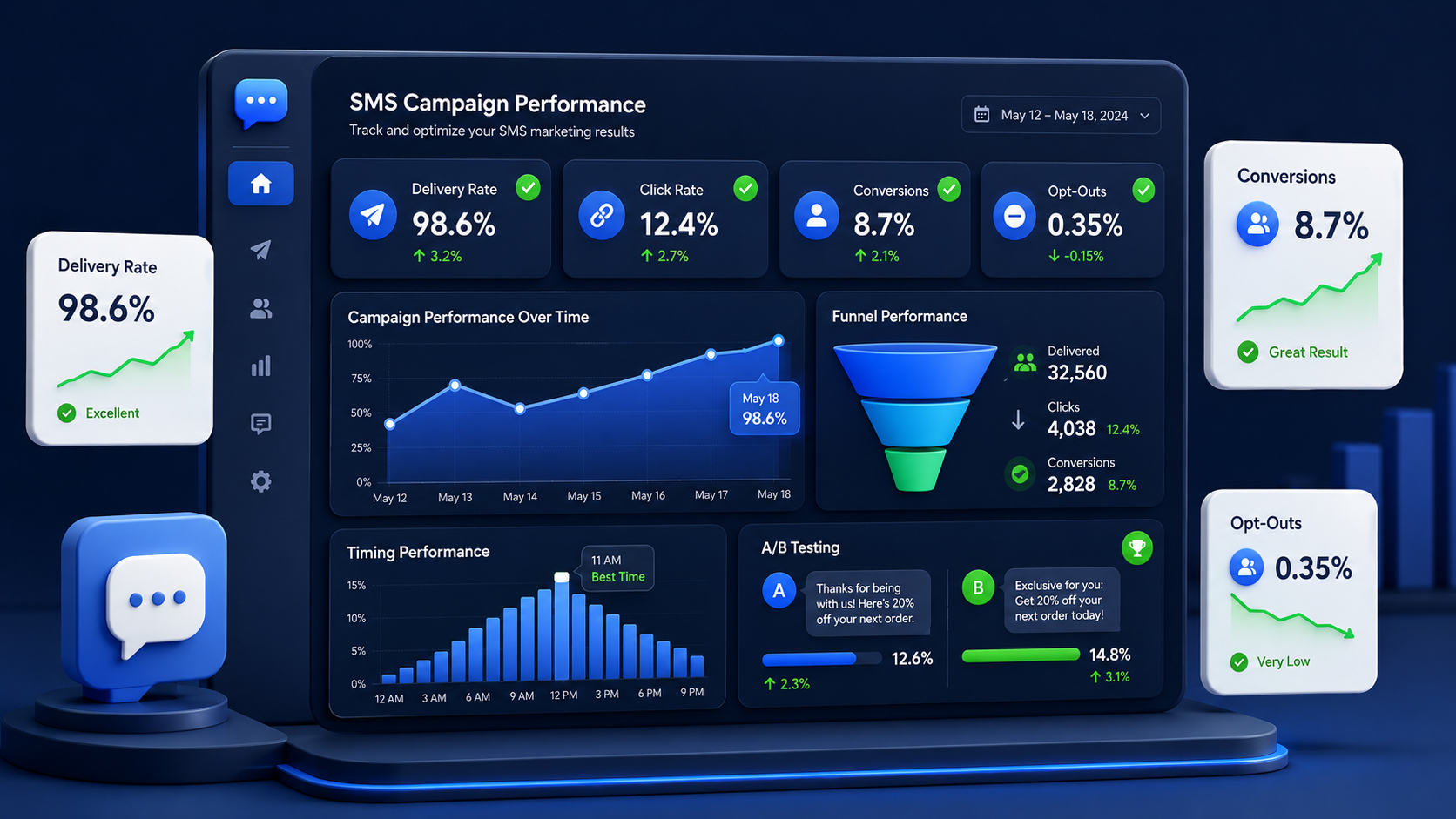
Personalized SMS messages often achieve higher open rates because they feel more relevant to the recipient. Adding a customer’s name, referencing a recent order, or sending a timely reminder based on behavior can encourage people to open and engage with the content.
Stronger Customer Experience
SMS messages are direct, brief, and convenient. When these messages contain relevant details—like personalized recommendations or appointment reminders—they can support a smoother customer journey and leave a memorable impression. Over time, consistent personalization may help improve customer trust and loyalty.
Lower Marketing Costs and Higher ROI
SMS is already a cost-efficient marketing channel compared to many alternatives. When personalization is added, messages may perform better without requiring additional ad spend. This helps businesses maximize the return on their marketing efforts while keeping costs predictable.
What Are Text Message Templates
SMS marketing templates are pre-designed text messages businesses can reuse for recurring communication. The templates help teams maintain consistency across messaging, reduce repetitive writing, and send campaigns at scale.

Here are the main categories of SMS templates:
Promotional Templates
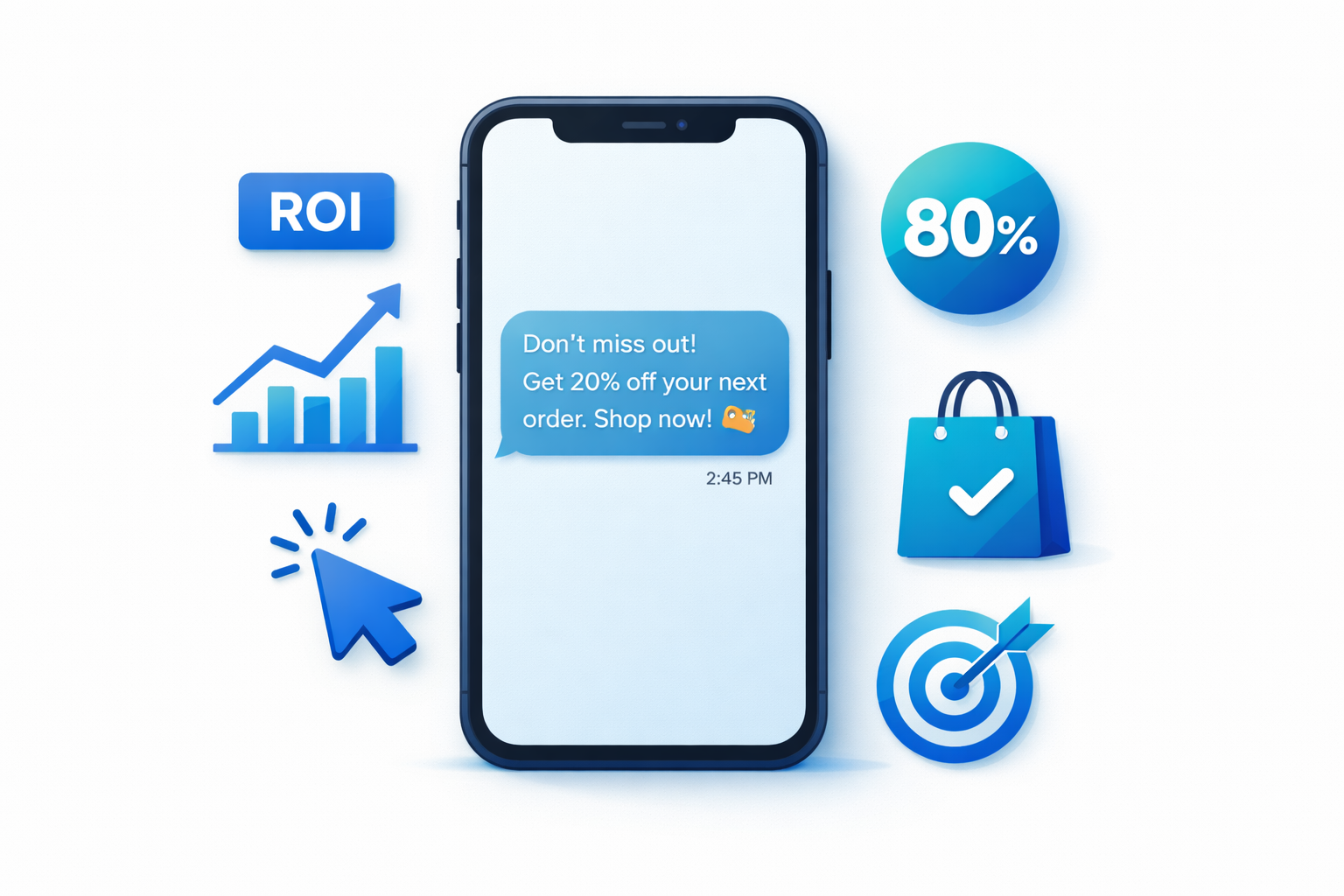
Promotional templates highlight time-sensitive offers, new product announcements, or seasonal campaigns.
Example:
“Hi {{name}}, our mid-season sale is live today. Shop your favorites with 15% off.”
Transactional Templates
Transactional messages are also widely used in SMS for finance, where timely alerts, payment confirmations, and security notifications help keep customers informed.
Example:
“Hi {{name}}, we received your payment of {{amount}}. Your transaction ID is {{transaction_id}}.”
Reminder Templates
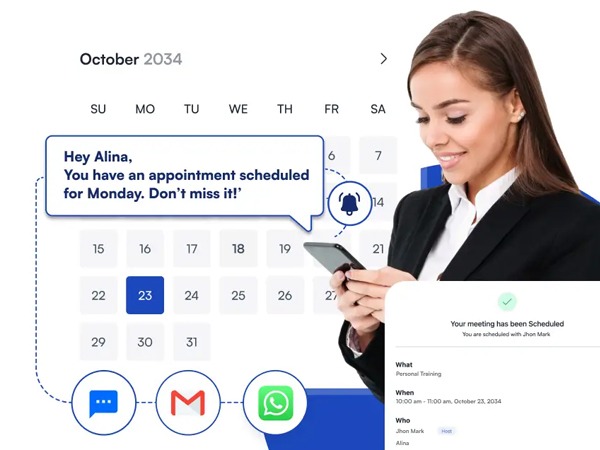
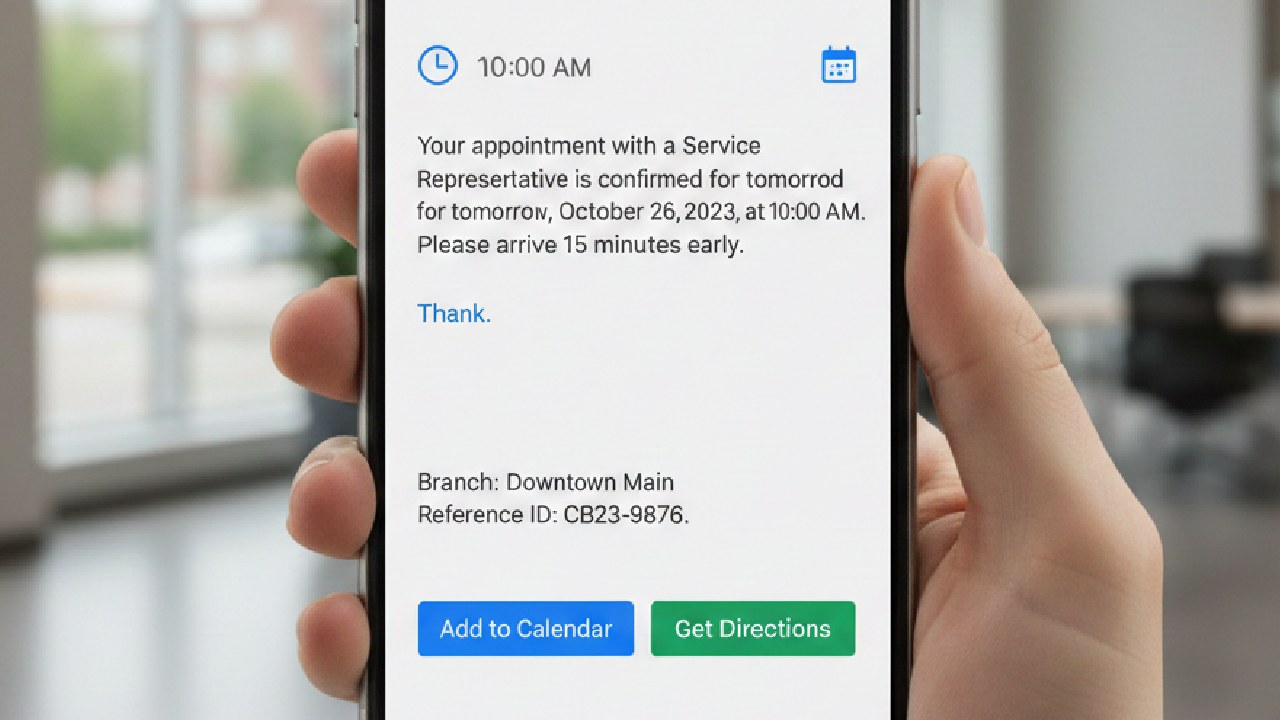
Reminder templates help reduce no-shows and missed deadlines by delivering timely alerts.
Example:
“Hi {{name}}, your appointment is scheduled for tomorrow at {{time}}.”
iv) Post-Purchase Templates
These templates encourage post-sale engagement, such as review requests, upsells, or product usage tips.
Example:
“Hi {{name}}, thanks for your purchase! Here are a few ways to get the most out of your new product.”
How to Personalize Text Message Templates
Personalizing SMS templates means going beyond inserting a recipient’s name. When used thoughtfully, personalization can help make your messages feel timely, relevant, and more aligned with customer intent.

Insert Dynamic Fields
Dynamic fields pull customer-specific information from your CRM or SMS marketing software. Common fields include:
- {{first_name}}
- {{city}}
- {{last_purchase}}
- {{appointment_date}}
- {{preferred_category}}
These fields help businesses send messages that feel more tailored without requiring manual editing.
Segment by Behavior and Preferences
Segmentation is one of the strongest components of personalization. Businesses may consider grouping customers by:
- Purchase history
- Browsing behavior
- Location
- Age group
- Engagement frequency
- Product preferences
Sending tailored messages to each segment generally leads to better engagement and a more relevant customer experience.
Trigger Automation Workflows
Automated workflows allow businesses to send personalized messages based on specific events. For instance:
- A welcome SMS when a user signs up
- A birthday greeting on their special day
- A reminder if a cart is left unpaid
- A follow-up after an appointment
Automations help businesses maintain consistent communication without adding manual workload.
Match Message Intent to Customer Context
Personalization also means adjusting tone, timing, and content based on the customer’s situation. For example:
- A gentle reminder for overdue payments
- A friendly tone for celebrations
- A clear, professional tone for transactional updates
Aligning messaging with context helps ensure the communication feels helpful and appropriate.
Examples of Personalized text Messages Templates
Personalized SMS templates support multiple use cases, and they are especially valuable in SMS marketing for e-commerce, where brands rely on customer behavior triggers to increase conversions. Here are several practical templates businesses can adapt:
- Welcome Messages: When a new customer connects with you. Then you send a personalized welcome message. Example: “Hi {{name}}, welcome to our community! To get started, here’s an exclusive offer just for you.”

- Birthday or Anniversary Messages: You can send a message on your customer’s birthday or a special day. Example: “Happy Birthday, {{name}}! Get 20% off today.”
- Win-Back Message: You can reach out to customers who haven’t engaged for a while and remind them they’re valued. Example: “We’ve missed you, {{name}}! Here’s something to make your return a little sweeter—take 10% off your next order.”
- Product Recommendations or Promotions: You send a promotion based on your customer’s preference or purchase. Example: “Hi {{name}}, we noticed you enjoyed {{previous_product}}. You might like our new collection now live on our website.”
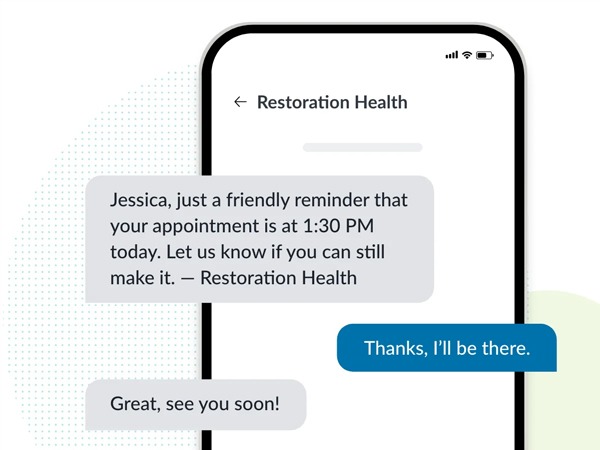
- Appointment Reminders: If your customer has an appointment. Then you send a reminder. Example: “Hi {{name}}, this is a reminder of your appointment tomorrow at {{time}}. Let us know if you need to reschedule.”
- Abandoned Cart Reminder: You can follow up with customers who added items to their cart but didn’t complete the purchase. Example: “Hi {{name}}, your items are still in your cart. Complete your order while they’re still available.”
Best Practices for Personalized SMS Marketing
Successful SMS personalization often depends on delivering relevant content without overwhelming the audience.
a) Timing and Frequency: Sending messages at thoughtful times—such as mid-morning or early evening—may improve readability. Keeping frequency moderate also helps reduce opt-outs.
b) Clear Calls to Action (CTA): Your CTA should tell the customer exactly what to do next, such as:
- Shop now
- Confirm your appointment
- Check your order status
c) Message Length Standards: Shorter messages tend to perform better. Keeping communication concise may help customers read the content quickly and take action.
d) Compliance (TCPA/GDPR): Personalized messaging requires proper consent and adherence to regional compliance guidelines. Companies should ensure opt-in processes, opt-out options, and data usage policies align with industry regulations to maintain customer trust.
Tools for SMS Template Personalization
An effective tool can greatly simplify how businesses create and send personalized messages. Many modern text message marketing platforms support segmentation, automation, and analytics to help improve performance.

Automation Features
Many marketing teams use marketing SMS workflows to deliver timely promotions, product launches, and event-based campaigns without manual scheduling. Look for platforms that support automated workflows such as:
- Welcome sequences
- Post-purchase follow-ups
- Event reminders
- Re-engagement flows
These automations help teams maintain consistent communication with less manual work.
CRM Integration
Integration with your CRM or customer database allows dynamic fields to populate accurately. This helps ensure personalization feels relevant and consistent.
Choosing a Reliable SMS Marketing Service
A good platform should support key features such as:
- Easy template management
- Behavior-based triggers
- API access for developers (such as an SMS API service)
- Scalable sending capacity
- Support for personalization fields
Businesses may also work with a bulk SMS provider for large-scale operations, particularly in retail, logistics, healthcare, e-commerce, and service-based industries.
Conclusion
Personalized SMS templates help businesses communicate more effectively, reduce manual workload, and build stronger relationships with customers. When combined with segmentation, automation, and thoughtful messaging, SMS can become a reliable tool for timely communication and improved engagement.
If you’re exploring ways to scale your personalized SMS strategy, choose SMS Boosting. We support personalized SMS campaigns at every stage of your business. Contact us to discover how SMS Boosting can power your next campaign.
FAQs
1. Which dynamic fields are most commonly used in SMS templates?
Common dynamic fields include the customer’s name, city, last purchase, appointment date, and product preferences. These fields pull information directly from CRM or SMS marketing software to help make messages feel more tailored.
2. How many personalized SMS messages should a business send each month?
The ideal frequency varies by industry and audience, but many businesses find that sending 2–6 promotional SMS messages per month—plus necessary transactional alerts—helps maintain engagement without overwhelming customers.
3. Can SMS templates be automated?
Yes. Automated workflows allow businesses to send messages when a user signs up, abandons a cart, completes a purchase, or reaches a milestone like a birthday. Automation helps reduce manual work and ensures consistent communication.
4. Can personalized SMS campaigns help with customer retention?
Yes, personalized messages—such as post-purchase follow-ups, re-engagement reminders, and tailored offers—may encourage customers to return and stay active with the brand. When used consistently, they can support long-term retention strategies.