Do you want to reach more customers, boost conversions, and grow your business without overspending on ads? SMS marketing remains one of the most powerful yet underestimated channels today. Even without internet access, text messages give brands a direct, immediate way to capture customer attention.
In this article, you will learn what SMS marketing is and how it works. Also, you will learn its types and benefits. By the end, you will know exactly how SMS marketing helps businesses build trust and automate communication at scale.
What Is SMS Marketing?
SMS marketing is a method in which a business sends short text messages to your phone. These messages tell you about offers and their new products. Also, they share their important information with you. Because SMS lands in the same place customers receive messages from friends and family, it has incredible visibility and engagement.
When you text friends, it’s personal. With SMS marketing, businesses send helpful updates like order alerts, promotions, or reminders. For example, they tell you about a sale and remind you of your order. Also, they give you a link so you can easily check something.
What SMS Marketing Is Used For
Businesses use SMS to:
- Send coupons, flash sales alerts, and limited-time offers
- Confirm orders, send shipping updates, and delivery notifications
- Remind customers of appointments, renewals, or pending deadlines
- Verify identities or secure access using OTPs (one-time passwords)
- Recover abandoned carts and re-engage idle customers through timely follow-ups
- Trigger automated welcome series, VIP loyalty flows or re-engagement campaigns
Why It Works So Well
- SMS is personal
- It’s fast
- It’s permission-based (so engagement stays high)
- Customers don’t need to download an app
- Works even with weak internet or low signal
Think of SMS as your brand’s direct lane to customer attention — fast, reliable, and impossible to ignore.
Types of SMS Marketing
There are four main categories of SMS messages. Each plays a different role in the customer journey.
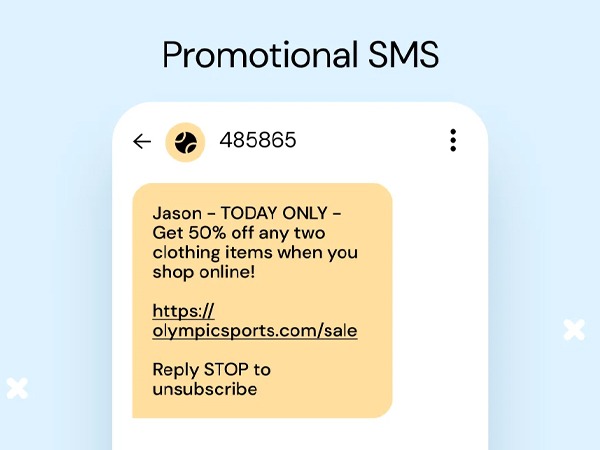
i) Promotional SMS (Marketing Messages)
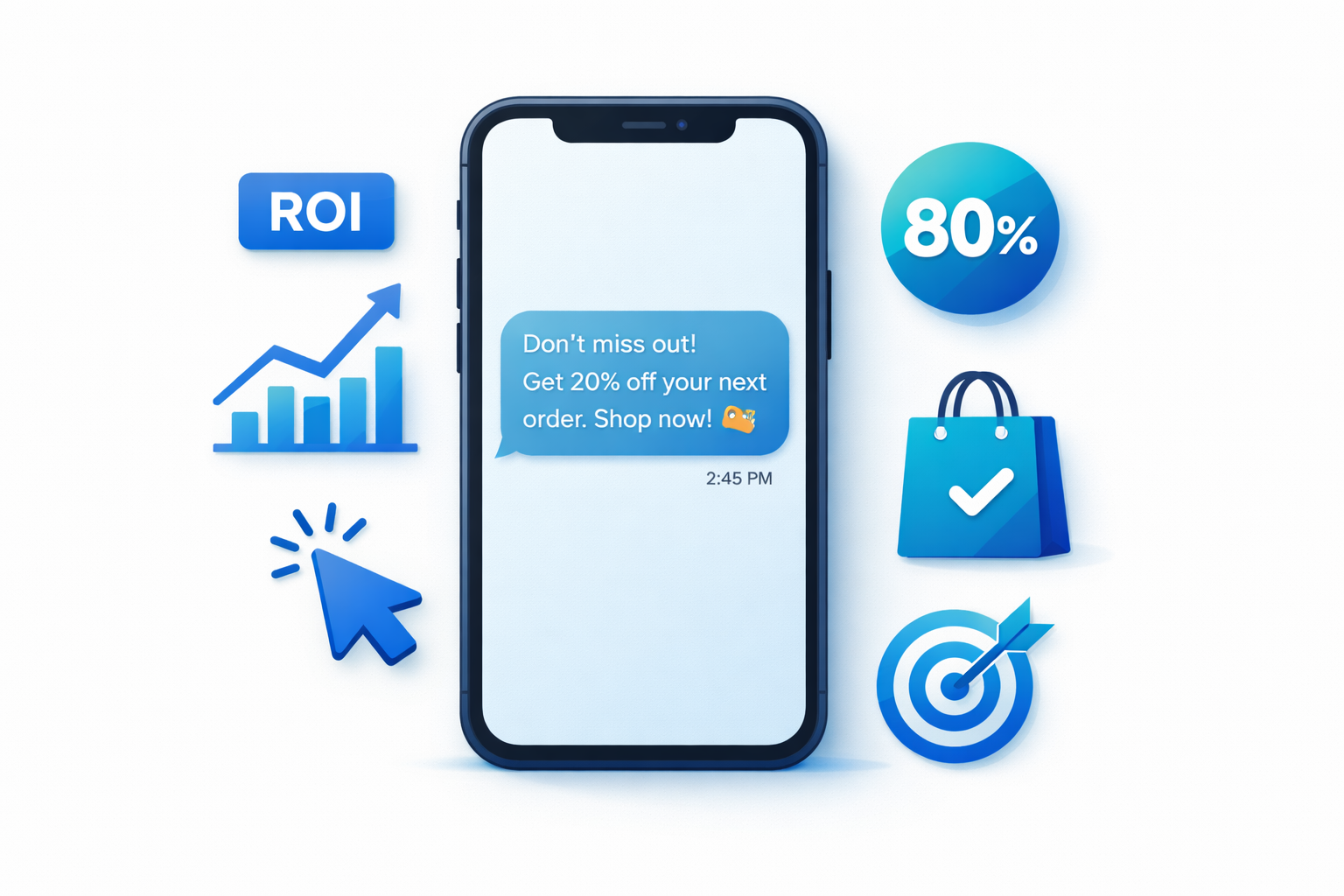
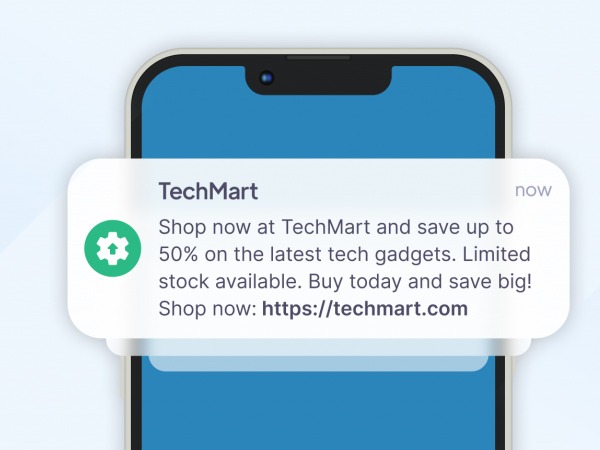
Promotional SMS messages are designed to drive sales, clicks, and traffic.
Example:
“72-hour flash sale! Get 40% off all items. Use code: SAVE40. Shop now: https://…”
“Your VIP early access is live! Tap here to unlock new arrivals.”
These messages are designed to get you to buy. They typically highlight:
- Discounts
- Flash sales
- Seasonal campaigns
- Limited-time offers
- Product launches
Best Practices for Promotional SMS
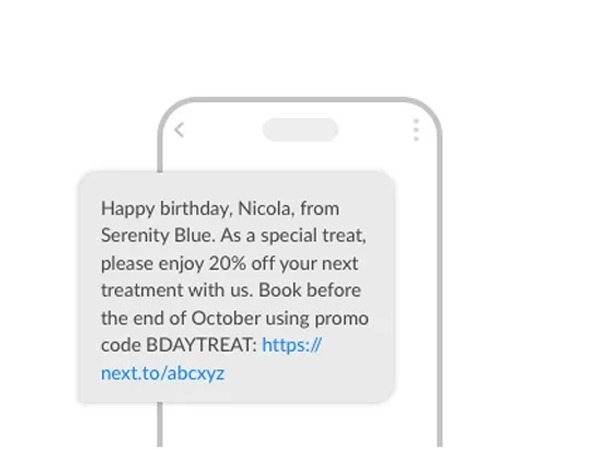
- Personalize messages with customer names or data.
- Add urgency (“Ends tonight”, “Last 6 hours”).
- Use short trackable links to measure clicks.
- Send during daytime—avoid late-night messages.
- Segment your audience (new vs repeat vs inactive users).
- Test and optimize based on CTR, delivery rate, and opt-out rate.
So when done well, promotional SMS can drive fast engagement and create strong short-term sales momentum. By personalizing your messages, timing them effectively, and targeting the right segments, businesses often see higher conversion rates and improved customer interactions.
ii) Transactional SMS
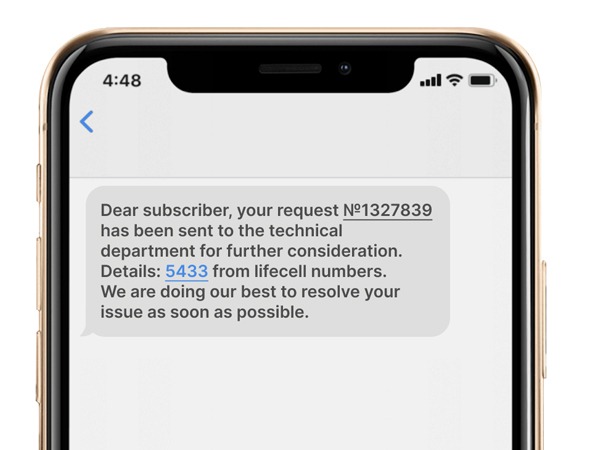
Transactional SMS messages are triggered by customer actions. They are not promotional. Instead, they deliver essential information related to orders, accounts, or identity verification — such as order confirmations, shipping updates, delivery notifications, and OTP codes. These messages help customers stay informed and feel confident about their transactions.
Why They Matter
- Provide real-time updates that customers rely on
- Reduce customer support inquiries by preventing uncertainty
- Play a critical role for e-commerce, financial services, logistics, and SaaS platforms
- Help build trust by keeping customers consistently informed
Example: “Your package has shipped! Track your order here: https://…”
iii) Alerts and Reminders
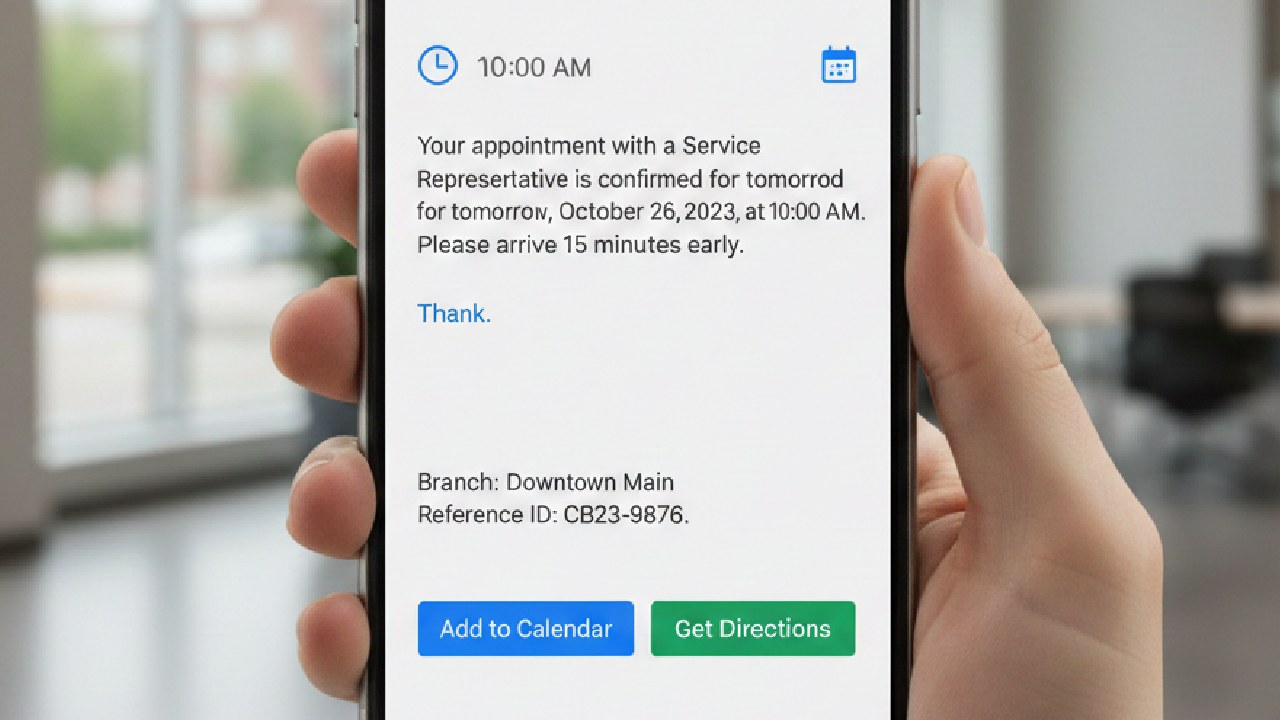
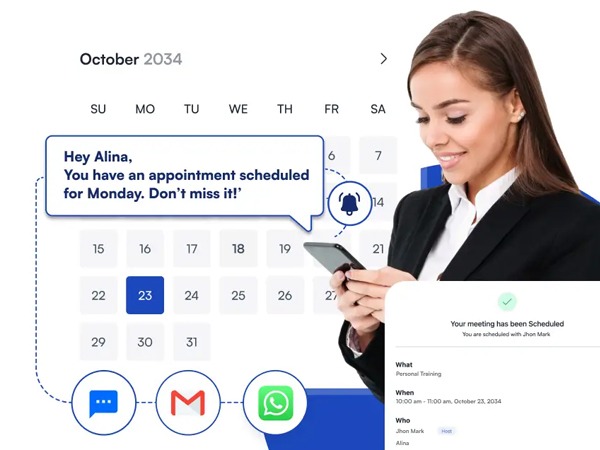
These SMS messages help customers avoid missing important events or deadlines. These messages reduce no-shows and increase on-time payments.
Common Uses:
- Appointment reminders
- Payment reminders
- Bill due dates
- Subscription renewals
Example: “Reminder: Your dental appointment is tomorrow at 3:00 PM. Reply YES to confirm.”
iv) Automated Drip Campaigns
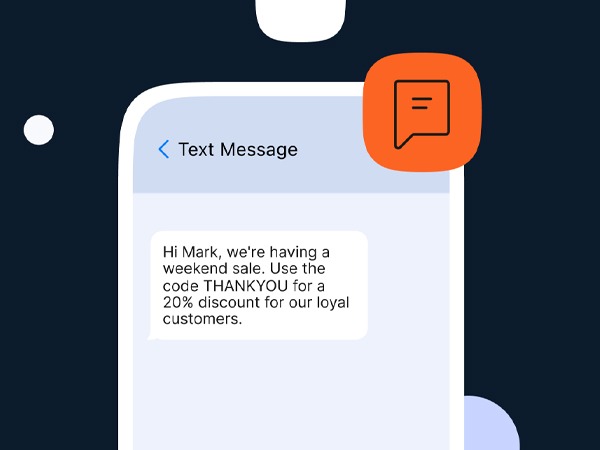
Drip campaigns are automated sequences triggered by customer behavior. Drip campaigns help brands communicate without manual effort, saving time and increasing conversions automatically.
Examples
- Onboarding sequences that welcome new subscribers
- Abandoned cart recovery messages to encourage customers to complete their purchase
- Post-purchase follow-ups that thank buyers and check in on their experience
- Win-back campaigns designed to re-activate inactive or lapsed customers
Example Drip Flow
“Welcome! Here’s your 10% coupon: WELCOME10.”
“Still thinking it over? Here’s something you’ll love…”
“Last chance to use your discount!”
Why Businesses Use SMS Marketing
SMS marketing continues to grow because it combines speed, reach, and high engagement. Here are the key reasons businesses rely on it:
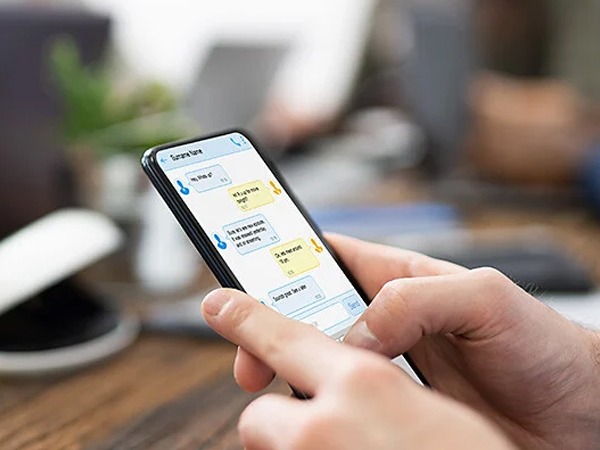
Extremely High Open Rates
SMS messages are typically read within minutes of delivery. Unlike emails — which can sit unopened — SMS cuts through the noise and delivers your message directly to your customers’ attention when it matters most.
Instant Delivery for Time-Sensitive Updates
Messages are usually delivered in seconds, making SMS ideal for flash sales, booking confirmations, OTPs, emergency alerts, or last-minute reminders. Businesses can communicate urgent information faster than with other channels.
Direct and Personalized Communication
SMS delivers straight to a user’s personal mobile device, creating a sense of one-to-one communication. Personalization and segmentation help brands build trust, strengthen customer relationships, and improve engagement rates.
Cost-Effective for Any Business
Compared to traditional advertising or outbound calling, SMS marketing is highly affordable. Brands can send thousands of messages at a low cost, making it accessible for startups, small businesses, and large enterprises alike.
No Internet Required
SMS works even in areas with poor network coverage and does not depend on mobile data. This makes it a reliable communication channel for customers in rural regions, during network outages, or when users have limited internet access.
How SMS Marketing Works
If you’re new to SMS marketing, here’s how the entire process works step-by-step.
Step 1) Create a subscriber list
Businesses collect phone numbers from website forms, checkout pages, social media, QR codes, or in-store signups. Only subscribers who have intentionally opted in should be added, since high-quality contacts lead to better campaign performance.
Step 2) Get customer permission (Opt-in)
Next, you cannot send a message to anyone without permission. Because your customer chooses “Yes” or “Subscribe”. Then your business must provide a “Stop” option in every message. This is required under TCPA (USA), GDPR (EU), CASL (Canada), and many other laws. It is also a matter of customer respect.
Step 3) Write a good and simple message
Then the message is short, clear, and has a purpose. A good text message should be short, easy to understand, and contain a clear purpose and call to action. Avoid mistakes to leave a good impression on your customers.
Example: “Your order is ready for pickup! View details: https://…”
Step 4) Send messages automatically (Automation)
The business uses a tool that sends the messages itself. For example, A welcome message will arrive as soon as you subscribe. Then the time can also be set. Automation saves hundreds of hours per year and ensures customers get timely communication.
Step 5) Seeing and learning results
At last, the business notes what the benefits of the messages are. So they check:
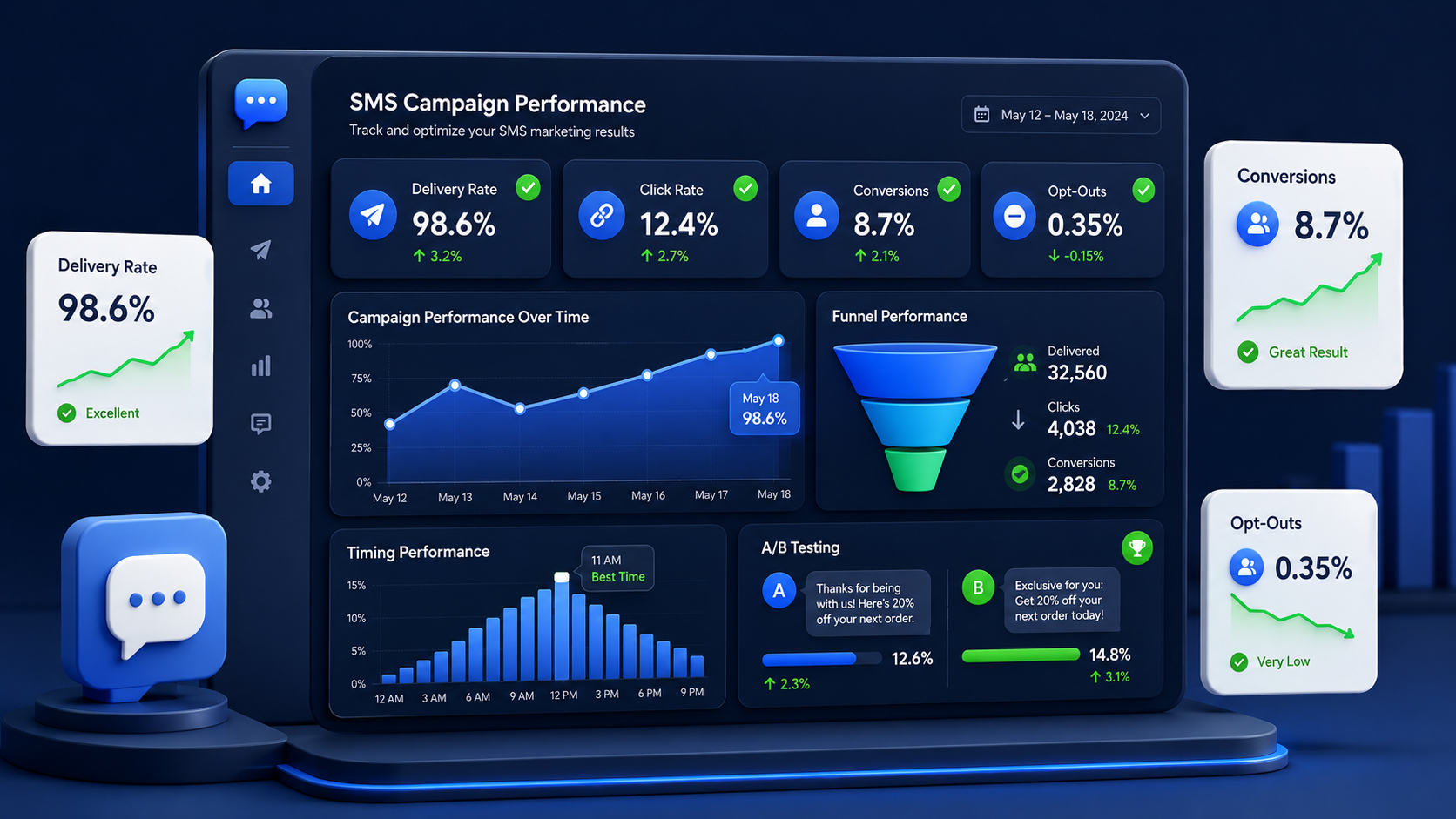
- How many people opened the message? (CTR)
- How many people responded? (Response Rate)
- How many people made a purchase? (Conversions)
Hence, you can see what messages work best and optimize future campaigns.
Compliance & Best Practices
Staying compliant is one of the most important aspects of SMS marketing. These regulations protect consumer privacy, prevent unsolicited messages, and ensure businesses communicate transparently. Non-compliance can lead to financial penalties, legal disputes, and long-term damage to brand reputation.
Example of a Compliant SMS
“Thanks for subscribing! You’ll receive up to 4 messages per month. Reply STOP to unsubscribe.”
Example of a Non-Compliant SMS
“SALE TODAY!! Click here: …” (No consent, no opt-out)
Below is a region-by-region overview of key compliance requirements.
United States — TCPA (Telephone Consumer Protection Act)
- Promotional SMS messages require express written consent from subscribers. Requirements include:
- Clear explanation of what users are signing up for
- No hidden terms or bundled consent
- Message frequency disclosure
- A visible opt-out option (e.g., “Reply STOP to unsubscribe”)
- Maintaining time-stamped consent records
Penalties for violations can be significant, so brands must manage consent carefully.
Europe — GDPR (General Data Protection Regulation)
- Companies must follow strict data privacy standards. Requirements include:
- Explicit user consent
- Transparency on how data is collected and used
- The right to access, edit, or delete personal data
- Secure storage and processing of subscriber information
Canada — CASL (Canada’s Anti-Spam Legislation)
Businesses must have:
- Express consent before sending messages
- Clear identification of the sender
- A functional unsubscribe mechanism
- Proper records of subscriber consent
Australia — Spam Act
Businesses must ensure:
- Valid consent
- Accurate sender identification
- Easy opt-out in every message
How to Choose the Best SMS Marketing Platform
Choosing the right platform determines how fast, reliable, and scalable your SMS campaigns will be.
- Easy-to-Use Dashboard: Choose a platform with a simple, intuitive dashboard so your team can create and send messages without friction.
- High Delivery Speed: You see if the platform offers fast delivery or not. Because your messages need to reach your customers on time. Then you get results quickly.
- Automation Tools: Ensure the platform can deliver messages quickly. So that welcome messages and reminders are sent automatically. This saves you time and effort.
- Compliance Features: Make sure the platform complies with privacy laws. And also provides the option of Opt-in and Opt-out. This way, you stay safe and legal.
- Scalable Pricing: Consider the pricing. And you choose the package that is within your budget. It is possible to send more messages at a lower price.
- 24/7 Customer Support: Evaluate the platform’s support to ensure you can get help immediately whenever a problem arises. A reliable support team is essential.
Conclusion
SMS marketing remains one of the most reliable and cost-efficient ways for businesses to reach customers directly. With high visibility, fast delivery, and the ability to personalize messages at scale, it continues to be a powerful channel for driving engagement and timely customer actions.
If you’re looking for a dependable way to deliver marketing, transactional, and automated messages, a platform like SMS Boosting can help. It offers global reach, strong delivery performance, and built-in compliance features to support your messaging strategy as your business grows.
FAQs
1. Is SMS marketing legal?
Yes, SMS marketing is legal as long as businesses follow rules such as TCPA (USA), GDPR (EU), CASL (Canada), and Australia’s Spam Act. These laws require clear consent, transparent communication, and easy opt-out instructions in every message.
2. How do customers opt in to receive SMS messages?
Customers can opt in through website forms, checkout pages, QR codes, social media, in-store signups, or promotional campaigns. The opt-in must be clear and voluntary, and businesses must keep records of consent.
3. When is the best time to send SMS marketing messages?
The best-performing times are usually between 10 AM–1 PM and 3 PM–6 PM, depending on the audience. Avoid sending messages early in the morning or late at night, which may lead to complaints or higher unsubscribe rates.
4. How often should a business send SMS marketing messages?
Most brands send 2–6 promotional SMS messages per month, plus transactional updates when relevant. Sending too many messages can annoy subscribers, so frequency should match customer expectations and value delivered.
5. What should an effective SMS message include?
A strong SMS includes a clear purpose, simple wording, personalization when appropriate, a short link, and a direct call to action such as “Shop Now,” “Track Your Order,” or “Confirm Appointment.” Messages should stay under 160 characters when possible.